

We Are Sincerely Seeking Agents. Welcome To Inquire.
In pneumatic systems, many people tend to focus primarily on a cylinder's thrust, speed, and service life, while overlooking a seemingly "abstract"—yet critically important—metric: concentricity. Particularly during the design and manufacturing of pneumatic cylinder tubes, concentricity not only influences the stability of the cylinder's motion but also directly impacts sealing performance, wear characteristics, and the overall reliability of the equipment.
Structurally speaking, a pneumatic cylinder tube may appear to be nothing more than a simple cylinder; however, in reality, the geometric relationships between its inner bore axis, outer diameter axis, and end faces must be maintained with a high degree of precision. Should the concentricity deviation become excessive, it triggers a cascade of problems—such as uneven piston wear, seal failure, or even piston jamming.
So, what exactly is concentricity? Why is it imperative to ensure concentricity in pneumatic cylinder tubes? And how is it actually achieved and controlled during the manufacturing process? This article will address these questions, systematically analyzing the significance of concentricity in pneumatic cylinder tubes and the methods used to achieve it.
What is Concentricity? Why is it So Important for Pneumatic Cylinder Tubes?
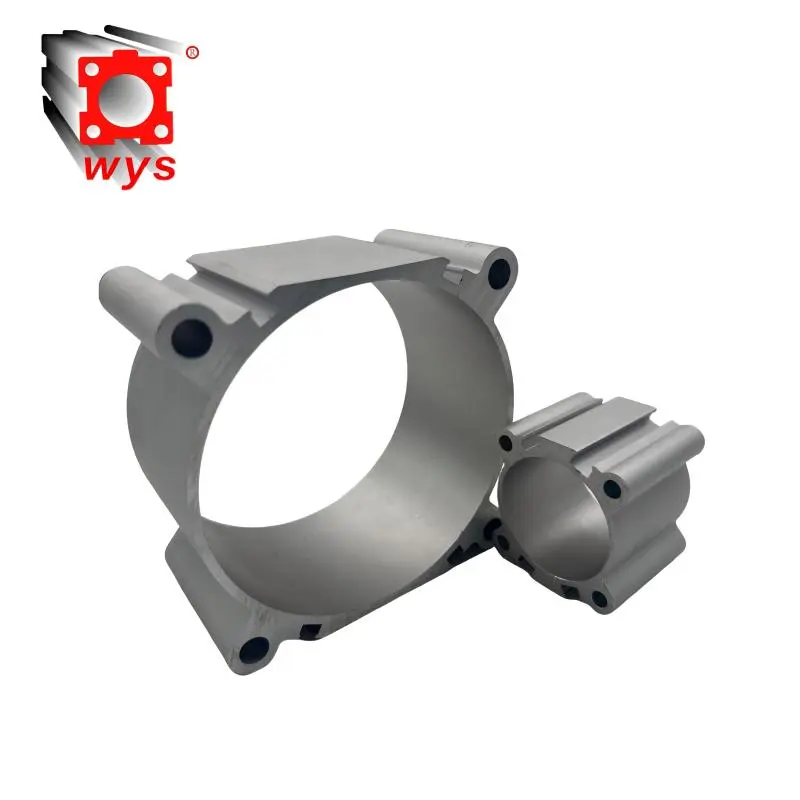
From a mechanical machining perspective, concentricity refers to whether two or more cylindrical bodies or circular features share a common central axis.
Simply put, if a component's inner bore and outer diameter are perfectly aligned around the exact same axis, they are considered "concentric." If any offset exists, it is referred to as a concentricity error.
In the context of pneumatic cylinder tubes, concentricity typically refers to the following:
•Whether the axis of the inner bore coincides with the axis of the outer diameter.
•Whether the axis of the inner bore is perpendicular to the end faces.
•Whether the pneumatic cylinder tube as a whole exhibits any axial misalignment.
The importance of concentricity lies in the fact that it directly determines the stability of the motion trajectory of the internal moving components—such as the piston and piston rod.
Why Must Pneumatic Cylinder Tubes Ensure Good Concentricity?
Within a pneumatic cylinder, the piston is required to perform linear reciprocating motion inside the cylinder tube. If the concentricity of the pneumatic cylinder tube is insufficient, it will cause the piston's motion trajectory to deviate.
This misalignment leads to the following issues:
•Localized contact between the piston and the inner wall of the pneumatic cylinder barrel
•Uneven force distribution on the seals
•Increased frictional resistance
•Unstable motion
These issues are significantly amplified, particularly during high-frequency operation or in double-acting cylinders.
Therefore, it can be stated that concentricity is one of the fundamental prerequisites for ensuring the motion precision of a pneumatic cylinder tube.
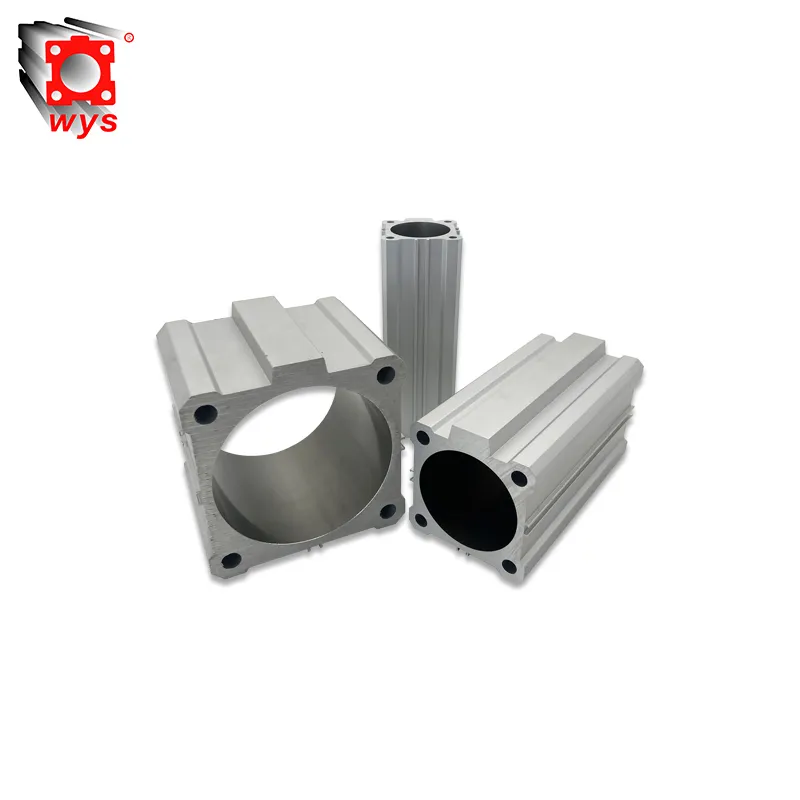
What specific impacts does a concentricity deviation have on a pneumatic cylinder barrel?
When a pneumatic cylinder barrel exhibits a concentricity deviation, the consequences are not limited merely to "rough motion"; rather, they adversely affect the cylinder's performance in multiple aspects.
1.Degraded Sealing Performance
Insufficient concentricity in the pneumatic cylinder tube results in uneven contact between the seals and the inner wall, thereby leading to leakage.
2.Accelerated Localized Wear
When the piston operates eccentrically, it creates localized high-pressure zones against the inner wall of the cylinder barrel, accelerating wear in those areas.
3.Increased Noise and Vibration
Eccentric motion induces vibration, which in turn generates noise.
4.Reduced Service Life
Prolonged operation under eccentric conditions leads to the premature failure of both the pneumatic cylinder barrel and its seals.
Thus, although concentricity issues may be subtle, their impact is systemic.
How is the concentricity of a pneumatic cylinder barrel measured?
In actual manufacturing practice, the concentricity of a pneumatic cylinder barrel must be verified using specialized measurement methods.
Methods for measuring the concentricity of a pneumatic cylinder tube include:
1.Measurement using a Dial Indicator
The pneumatic cylinder barrel is fixed in place, and a dial indicator is used to measure the deviation of the outer diameter or inner bore as the part is rotated.
2.Measurement using a Coordinate Measuring Machine (CMM)
High-precision measuring equipment is utilized to acquire data regarding the various geometric features of the pneumatic cylinder tube.
3.Measurement using Specialized Concentricity Inspection Tools
In mass production environments, specialized fixtures and tooling are typically employed to facilitate rapid inspection.
Through these methods, it is possible to determine whether the pneumatic cylinder barrel meets the specified design requirements.
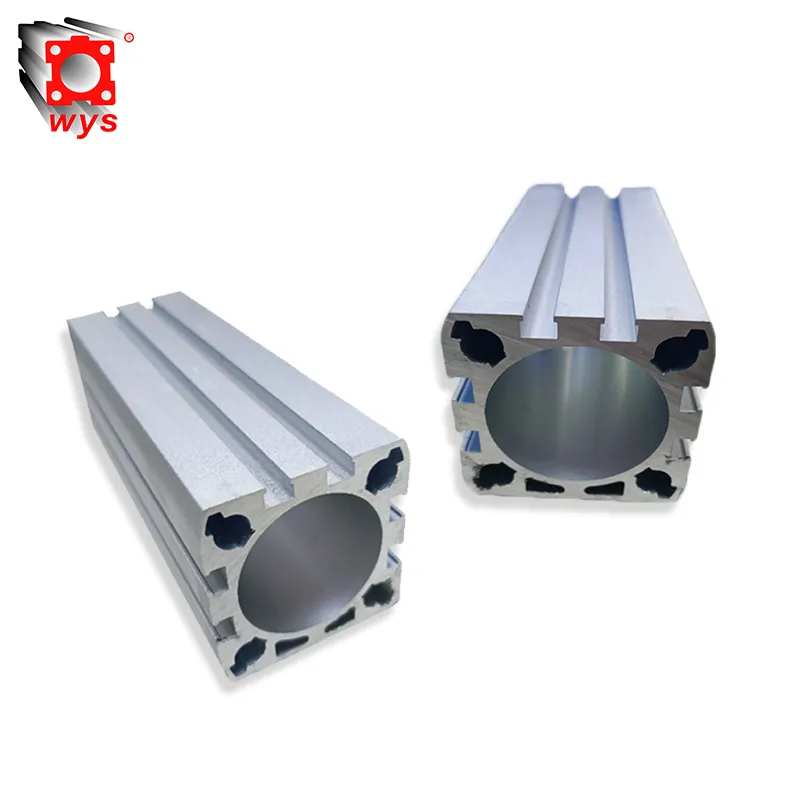
How is concentricity ensured during the machining process of a pneumatic cylinder barrel?
Ensuring the concentricity of a pneumatic cylinder tube hinges primarily on the control exercised during the machining process.
1.Single-Setup Machining
When machining a pneumatic cylinder barrel, every effort should be made to complete the machining of both the inner bore and the outer diameter within a single clamping setup to minimize cumulative errors.
2. Precise Datum Positioning
Selecting a stable machining datum helps improve the consistency of the pneumatic cylinder barrel's concentricity.
3. Use of High-Precision Machine Tools
High-precision CNC equipment helps minimize machining errors.
4. Control of Tool Wear
Tool wear affects machining accuracy; therefore, cutting tools must be replaced periodically.
These measures work in concert to ensure that the pneumatic cylinder tube meets its design specifications.
Why does the honing process help improve pneumatic cylinder barrel concentricity?
In the machining of pneumatic cylinder barrels, honing is used not only to enhance the surface finish of the inner wall but also to improve geometric accuracy.
Honing offers the following characteristics:
•It can correct minute shape errors.
•It improves the roundness of the inner bore.
•It enhances the alignment of the central axis.
Through the honing process, the concentricity of the pneumatic cylinder barrel can be further enhanced, ensuring it meets stringent precision requirements.
Does the material of the pneumatic cylinder tube affect its concentricity?
The material itself also influences the stability of the pneumatic cylinder barrel's concentricity.
For example:
•Aluminum alloys are easy to machine, but they are prone to significant thermal deformation.
•Steel offers excellent stability but presents greater machining difficulty.
If the material undergoes deformation during the machining process, the concentricity of the pneumatic cylinder tube may be compromised.
Therefore, during the machining process, it is essential to control:
•Cutting temperatures
•Machining-induced stresses
•Cooling conditions
This ensures the geometric accuracy of the pneumatic cylinder tube.
Do installation errors affect pneumatic cylinder barrel concentricity?
In addition to machining precision, the installation process also plays a role in the concentricity of the pneumatic cylinder barrel.
For example:
•Misalignment of the central axis during installation
•Deviations in connecting components
•Improper or inadequate fastening methods
These issues can lead to "actual concentricity deviations" in the pneumatic cylinder barrel during operation.
Consequently, strict precision control is equally critical during the installation process.
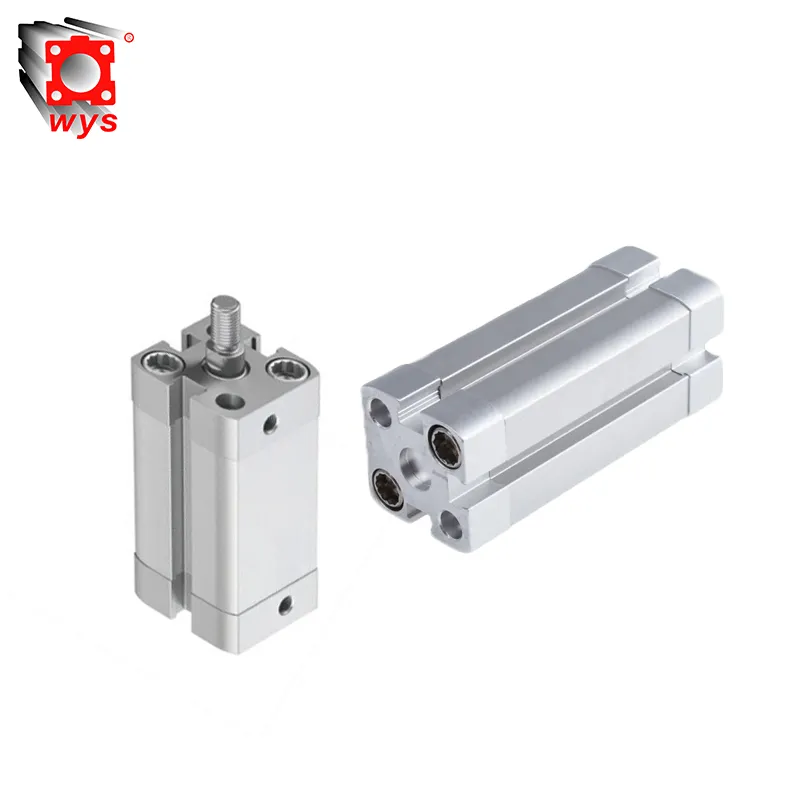
How can the concentricity of a pneumatic cylinder tube be maintained in practical applications?
Even if a pneumatic cylinder barrel possesses excellent concentricity upon leaving the factory, its concentricity may still change during actual use.
To maintain the precision of pneumatic cylinder barrels, the following precautions should be observed:
•Avoid external mechanical shock or impact.
•Periodically inspect the operational status of the cylinder.
•Keep the pneumatic system clean.
•Control the ambient operating temperature.
By implementing these measures, the duration for which the pneumatic cylinder tube maintains its precision can be significantly extended.
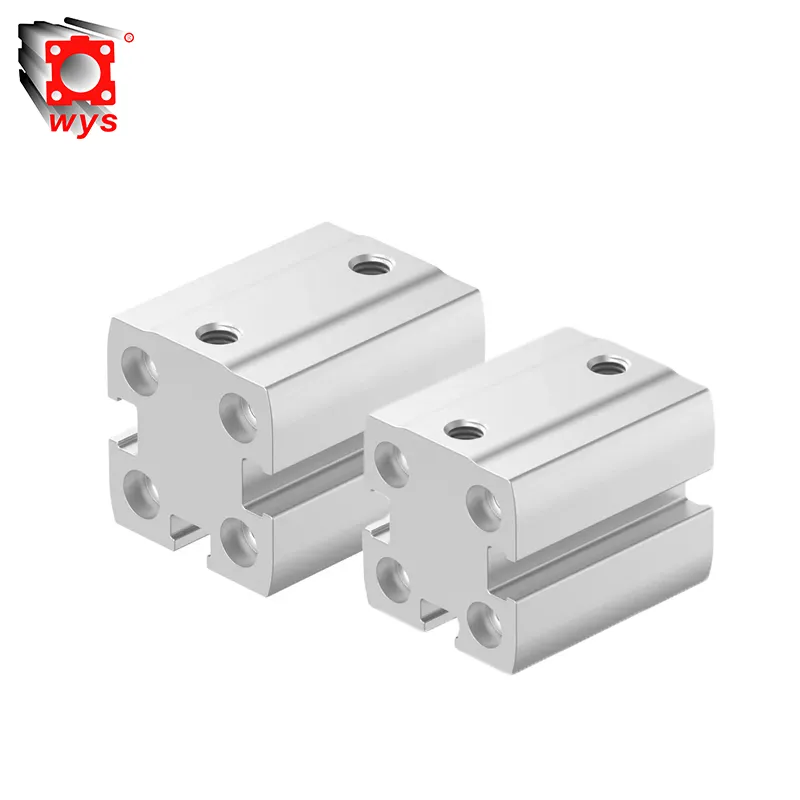
Why is Concentricity a Critical Metric for High-End Pneumatic Cylinder Barrels?
In high-performance pneumatic equipment, concentricity is frequently regarded as a pivotal quality indicator.
The reasons for this include:
•High-precision equipment demands superior motion stability.
•High-speed operation amplifies the impact of any existing errors.
•Precision machining processes require a higher degree of consistency.
Consequently, high-end pneumatic cylinder tubes typically adhere to more rigorous standards for concentricity control.
Why Buy Aluminum Pneumatic Cylinder Barrels from China?
China is one of the leading production centers for industrial pneumatic components, and Weiyingjia is a trusted manufacturer in this field. Buying aluminum pneumatic cylinder tubes from our company gives customers access to high-quality products, efficient production, and attractive wholesale prices. We possess over 15 years of industry experience and employ strict inspection systems to ensure stable performance. Our factory is equipped to handle large-scale supply orders while also accommodating customized requests.