

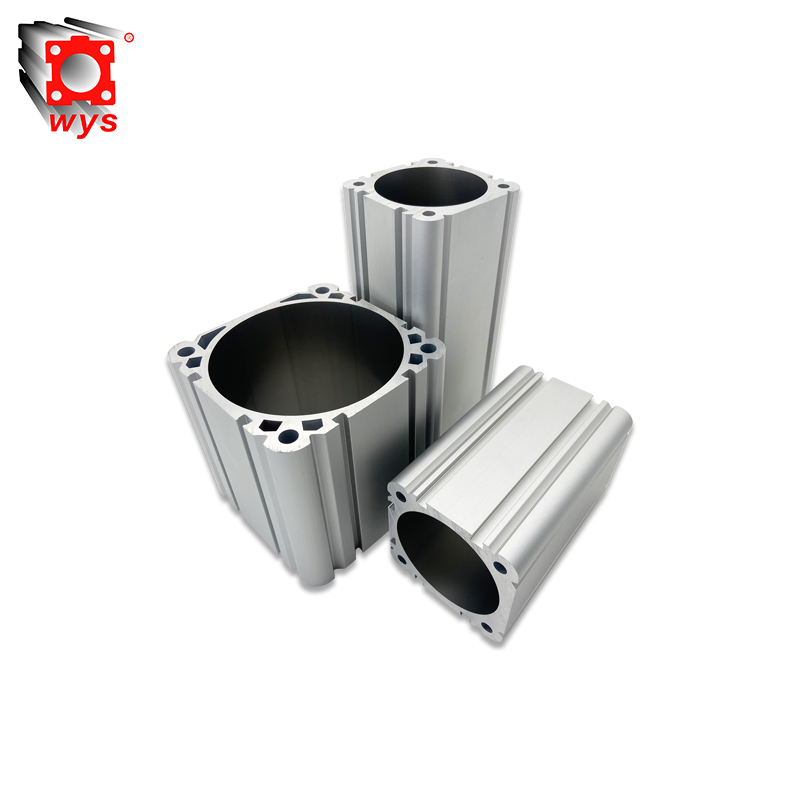
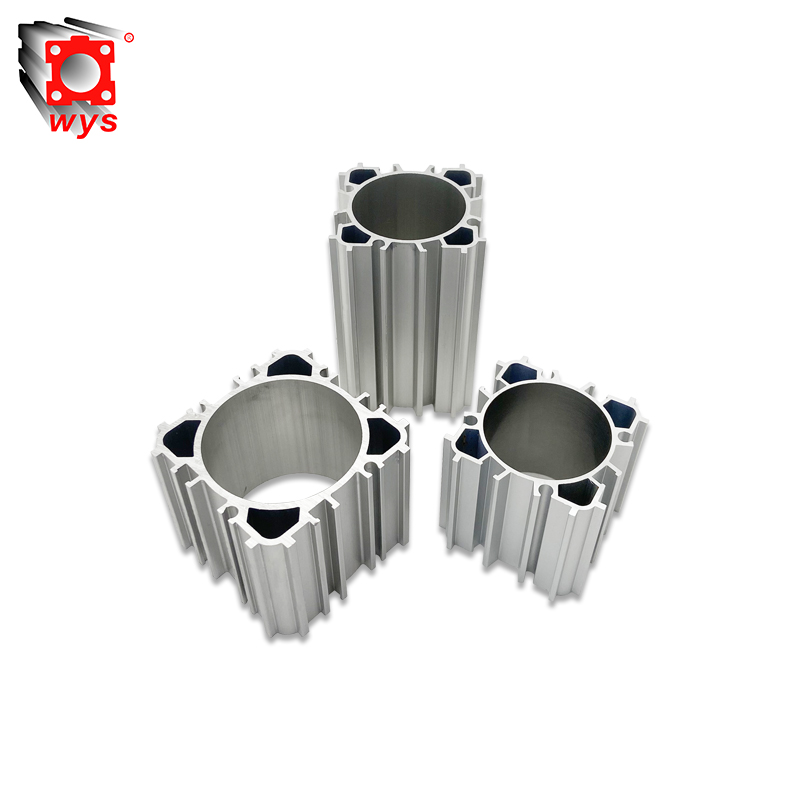
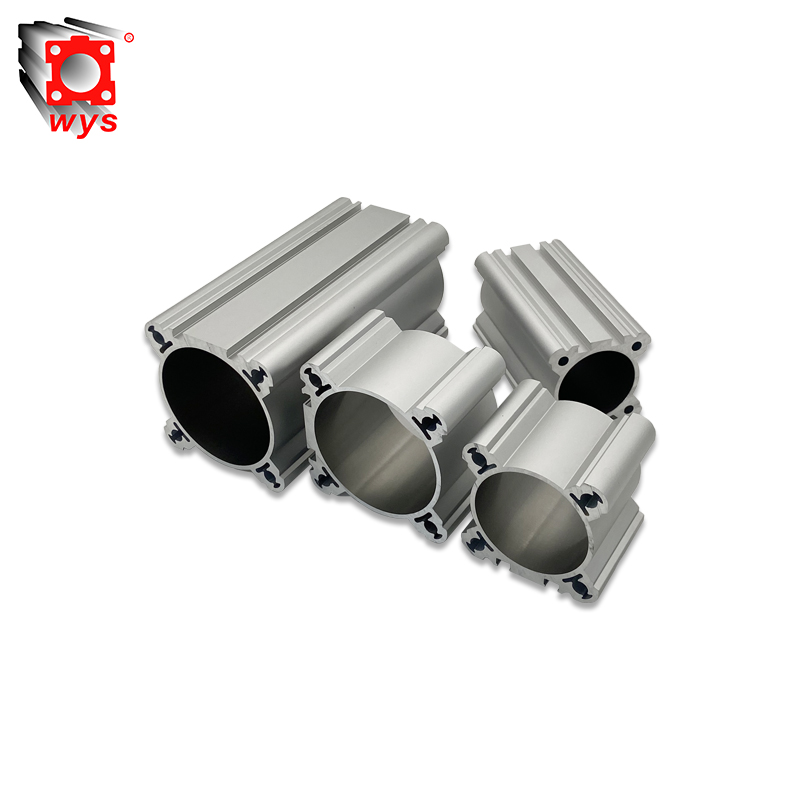
In pneumatic systems, the cylinder, as an actuator, plays a crucial role in converting compressed air energy into mechanical motion. Among the cylinder's structural components, the pneumatic cylinder barrel is one of the most critical pressure-bearing parts. It not only provides movement space for the piston but also bears the internal air pressure and maintains a sealed environment.
However, during long-term use, due to material fatigue, external impact, or environmental factors, the pneumatic cylinder tube may crack. When this happens, a key question arises: Can a cracked pneumatic cylinder barrel be repaired?
From an engineering perspective, whether a cracked pneumatic cylinder tube can be repaired requires comprehensive consideration of multiple factors, including the type and location of the crack, the material, and operational safety. This article will systematically analyze this question to help readers fully understand the nature of pneumatic cylinder barrel cracks and whether repair is possible.
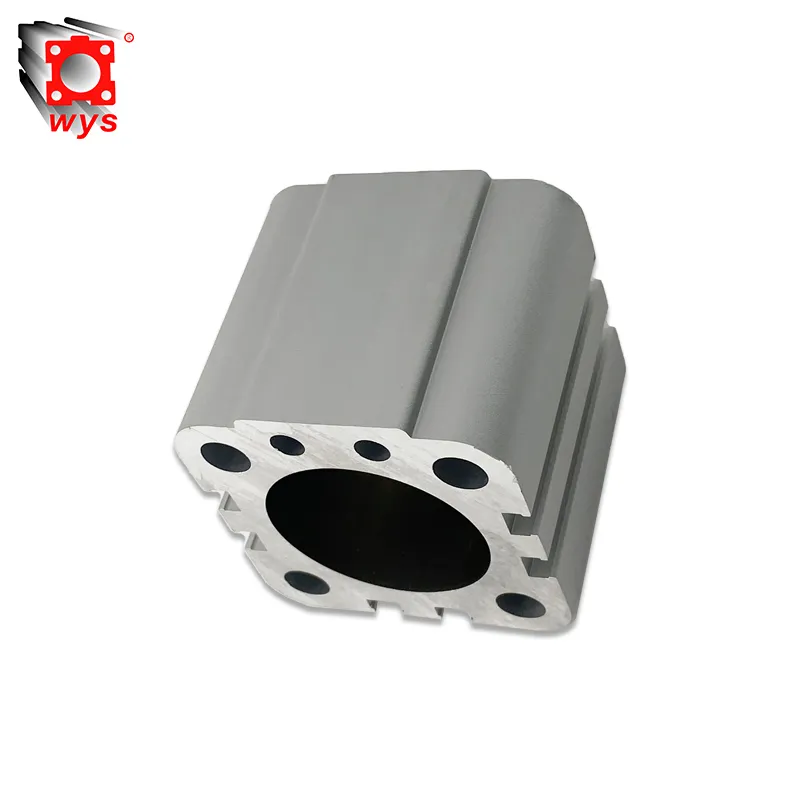
Why do pneumatic cylinder barrels crack?
Pneumatic cylinder barrels are subjected to various forces during operation, including:
• Internal air pressure
• Piston friction
• External mechanical loads
• Temperature changes
If these factors exceed the pneumatic cylinder barrel's load-bearing capacity, cracks may form in the material.
Common causes include:
• Long-term fatigue stress accumulation
• Air pressure exceeding design limits
• Improper installation leading to localized stress concentration
• Material defects or processing problems. These factors all increase the risk of pneumatic cylinder barrel cracking.
Can a cracked pneumatic cylinder tube still be used?
Generally, it is not recommended to continue using a cracked pneumatic cylinder tube.
The reasons are:
• Reduced pressure-bearing capacity
• Cracks may propagate further
• Disruption of the sealing environment
Even small cracks can propagate rapidly under air pressure, leading to cylinder barrel rupture.
Furthermore, a cracked pneumatic cylinder tube can cause gas leakage, affecting the normal operation of the cylinder.
Therefore, from a safety and reliability perspective, continuing to use a cracked pneumatic cylinder tube poses a significant risk.
Can a cracked pneumatic cylinder barrel be repaired?
From a technical standpoint, a cracked pneumatic cylinder barrel can be repaired in some cases, but it is generally not recommended as a long-term solution.
Pneumatic cylinder barrels are pressure-bearing components, requiring high structural strength and sealing performance. Even with some repair methods, it is difficult to fully restore their original performance.
Therefore, in most cases, replacement is more suitable than repair for a cracked pneumatic cylinder tube.
In which situations can a pneumatic cylinder tube be repaired?
While repair is not recommended, temporary repairs can be considered under certain specific conditions.
These conditions include:
1. Small and non-penetrating cracks
If the crack in the pneumatic cylinder barrel is shallow and does not penetrate the entire structure, it can be treated under certain conditions.
2. Non-critical load-bearing areas
If the crack appears in an area of the pneumatic cylinder barrel with low stress, the impact on the structure is relatively small.
3. Temporary Use Needs
When the pneumatic cylinder tube cannot be replaced immediately, temporary repairs can be performed to maintain short-term operation.
Even so, this repair method still carries risks.
What are the common repair methods for pneumatic cylinder tubes?
In engineering practice, repair methods for cracked pneumatic cylinder tubes typically include the following:
1. Welding Repair
For metal pneumatic cylinder barrels, cracks can be repaired by welding.
However, welding may lead to:
• Changes in material properties
• Increased internal stress
• Risk of deformation
Therefore, the strength of the welded pneumatic cylinder tube may not be restored to its original level.
2. Surface Repair
For shallower cracks, surface filling or repair materials can be used.
This method is typically used to:
• Prevent crack propagation
• Reduce gas leakage
However, its pressure-bearing capacity is limited.
3. Replacement of Liner or Partial Structure
In some cases, partial functionality can be restored by replacing the internal structure of the pneumatic cylinder tube.
However, this method is usually more complex.
Why are there risks associated with repairing pneumatic cylinder tubes?
The main risk of repairing pneumatic cylinder tubes stems from their pressure-bearing characteristics.
Pneumatic cylinder barrels must withstand internal gas pressure during operation. If the repair quality is unstable, the following problems may occur:
• Cracks propagate again
• Insufficient local strength
• Gas leakage
Furthermore, the inner wall of a pneumatic cylinder barrel typically requires high-precision machining. If the inner wall is uneven after repair, it may affect piston movement.
Therefore, repaired pneumatic cylinder barrels often fail to meet the original technical requirements.
Will cracks in a pneumatic cylinder barrel affect cylinder operation?
Cracks in a pneumatic cylinder tube will significantly affect cylinder operation.
The main manifestations include:
• Decreased cylinder pressure
• Insufficient piston thrust
• Unstable operation
• Degraded sealing performance
When the pneumatic cylinder tube structure is damaged, the internal environment of the cylinder changes, and piston movement is also affected.
Therefore, cracks in a pneumatic cylinder tube are not only a structural problem but also affect cylinder performance.
How to determine the extent of a pneumatic cylinder tube crack?
Before deciding whether to repair the pneumatic cylinder barrel, the crack condition needs to be assessed.
Assessment includes:
• Crack length and depth
• Whether it penetrates the pneumatic cylinder barrel
• Crack location
• Whether it shows a tendency to propagate
If the crack has already affected the structural strength, repair is generally not recommended.
Why is replacing the pneumatic cylinder tube usually a safer option?
In most cases, replacing the pneumatic cylinder tube is more reliable than repairing it.
Reasons include:
• Restoring original structural strength
• Ensuring cylinder sealing performance
• Improving operational safety
In contrast, a repaired pneumatic cylinder tube may pose potential risks.
Therefore, when conditions permit, replacing the pneumatic cylinder tube is usually a more sensible choice.
How to avoid pneumatic cylinder barrel cracking?
To reduce the risk of pneumatic cylinder tube cracking, the following measures can be taken:
• Control cylinder operating pressure
• Avoid overload operation
• Install cylinders correctly
• Regularly check the condition of the pneumatic cylinder barrel
• Maintain good lubrication of the pneumatic system
These measures can effectively reduce the risk of pneumatic cylinder barrel cracking.
How Does Weiyingjia Control Production Quality?
Weiyingjia follows a complete quality management process from raw material selection to final shipment. Our factory uses professional inspection teams to check each stage of production, including cold drawing accuracy, tube straightness, internal smoothness, anodized hardness, and finished dimensions. Every pneumatic cylinder tube is tested before delivery to ensure reliable performance for customers. This strict quality system helps buyers avoid after-sales problems and reduce maintenance costs.