News

  • How to Distinguish Between a Damaged Cylinder Seal and a Cracked Cylinder Head?
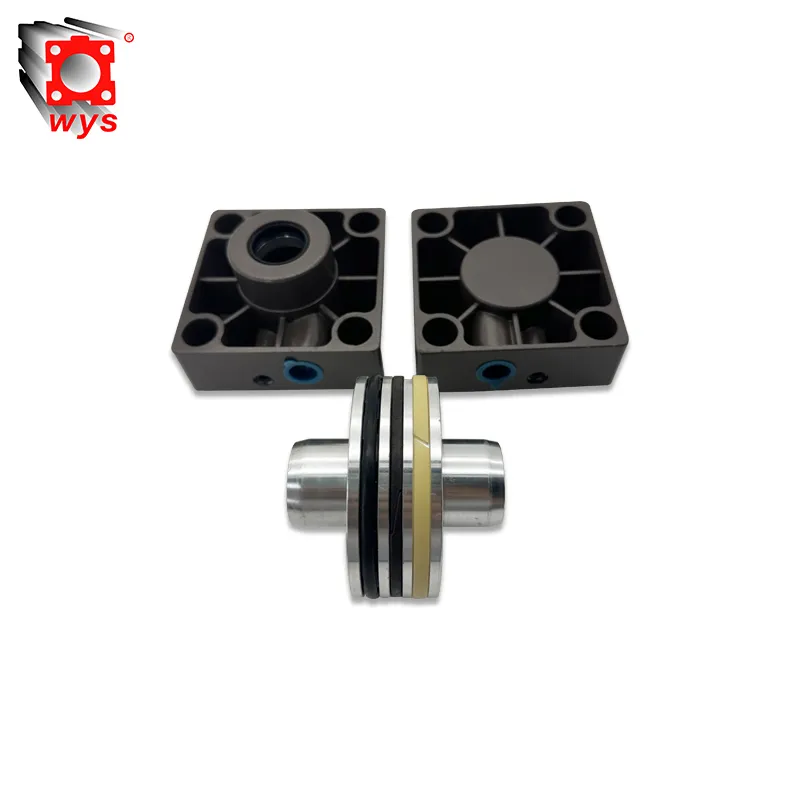
    If there is no obvious external air leakage, but the cylinder thrust decreases, the cylinder compression needs to be checked. If the pressure is insufficient, it may indicate that the pneumatic cylinder seal is damaged.
    2026-06-01
    More
  • Is a Larger Cylinder Bore Always Better?
    Since the piston area is directly determined by the inner diameter of the pneumatic cylinder barrel, it follows that a larger bore diameter results in a larger piston area; consequently, under identical air pressure conditions, the cylinder is capable of generating a greater thrust force.
    2026-05-29
    More
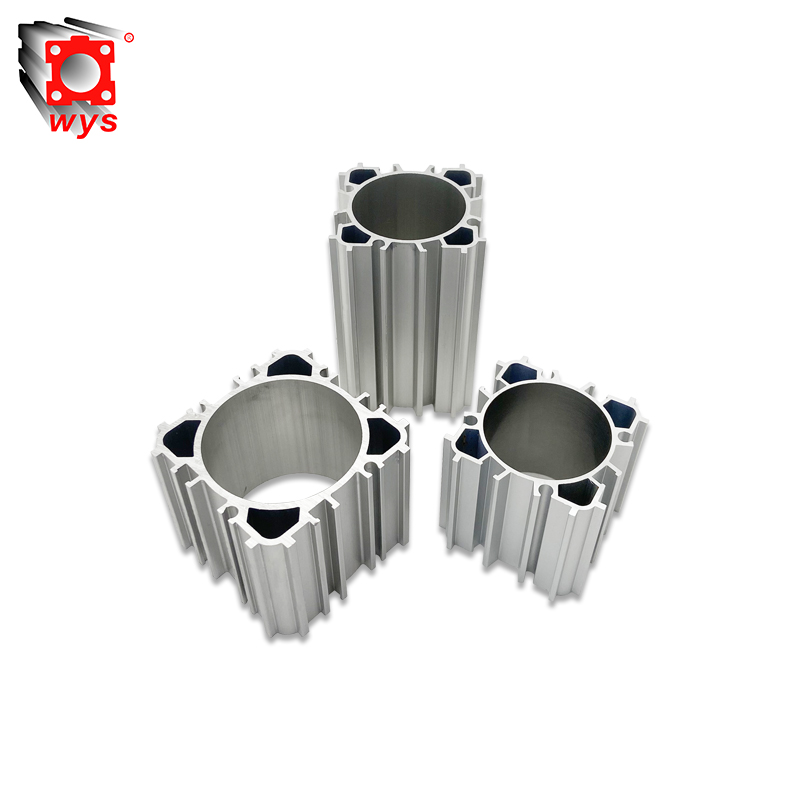
  • Why Does the Pneumatic Cylinder Tube Require High-Precision Machining?
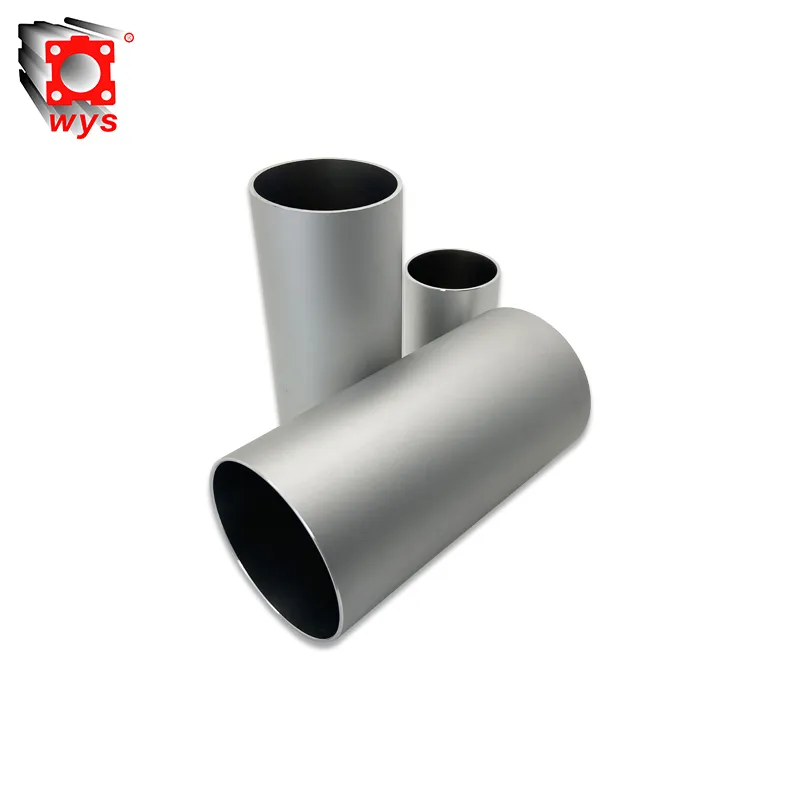
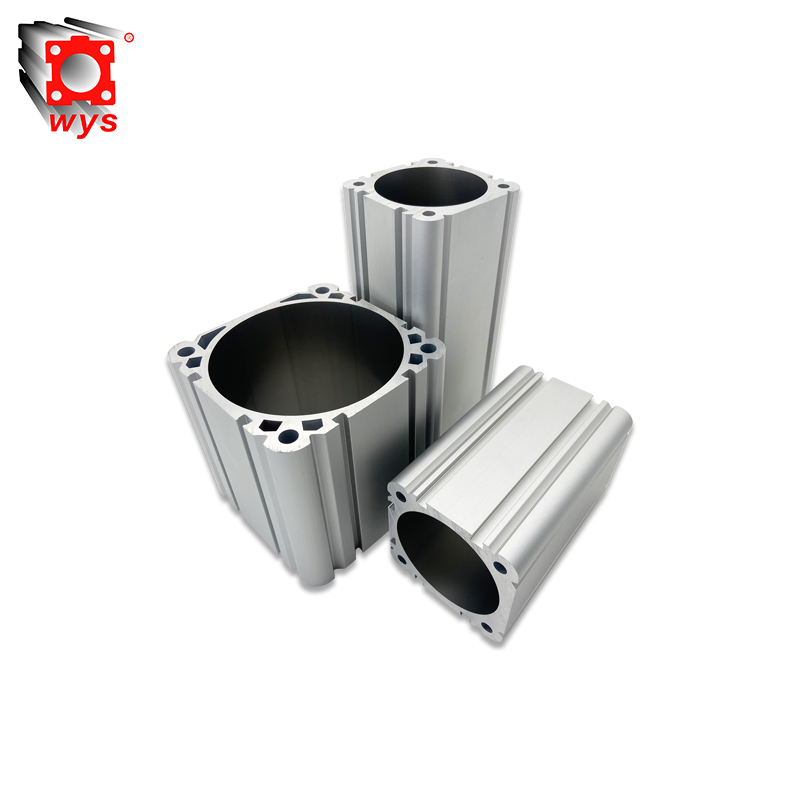
    If the machining precision of the pneumatic cylinder tube is insufficient, it may lead to: •Gas leakage •Unstable piston movement •Damage to the seals •A decline in cylinder efficiency Therefore, from a functional standpoint, high-precision machining is a fundamental requirement for the pneumatic cylinder tube, rather than merely an optional add-on.
    2026-05-28
    More
  • Are Hydraulic and Pneumatic Cylinder Seal Kits Interchangeable?
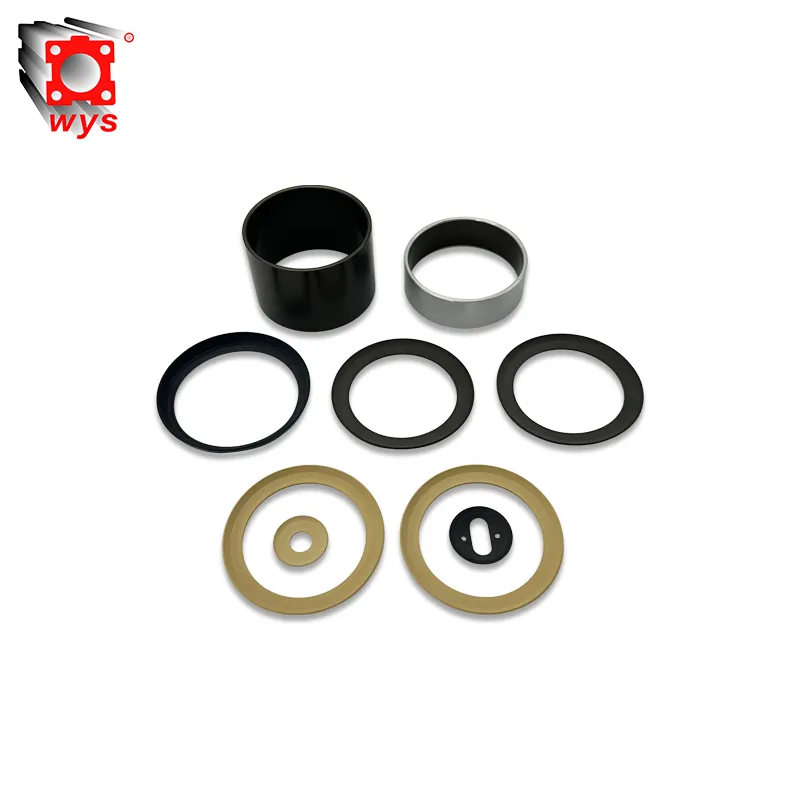
    From an engineering perspective, the direct conclusion is this: Pneumatic cylinder seal kits and hydraulic cylinder seals are generally not interchangeable and cannot be directly substituted for one another.
    2026-05-26
    More
  • Can Corroded Cylinder Seal Kits Still Be Used?
    Not all instances of corrosion in cylinder seal kits require immediate replacement. If the damage consists only of: • Slight surface discoloration • No obvious deformation • Elasticity that remains good The kit may still retain some functional capacity for a short period.
    2026-05-25
    More
  • How to Calculate Pneumatic Cylinder Barrel Wall Thickness?
    For the majority of pneumatic cylinder barrels, given that their wall thickness is relatively small compared to their inner diameter, they can typically be analyzed and calculated using the principles applicable to thin-walled cylinders. The fundamental formula is: σ = (P × D) / (2 × t)
    2026-05-22
    More

Get the latest price? We will reply as soon as possible (within 12 hours)