

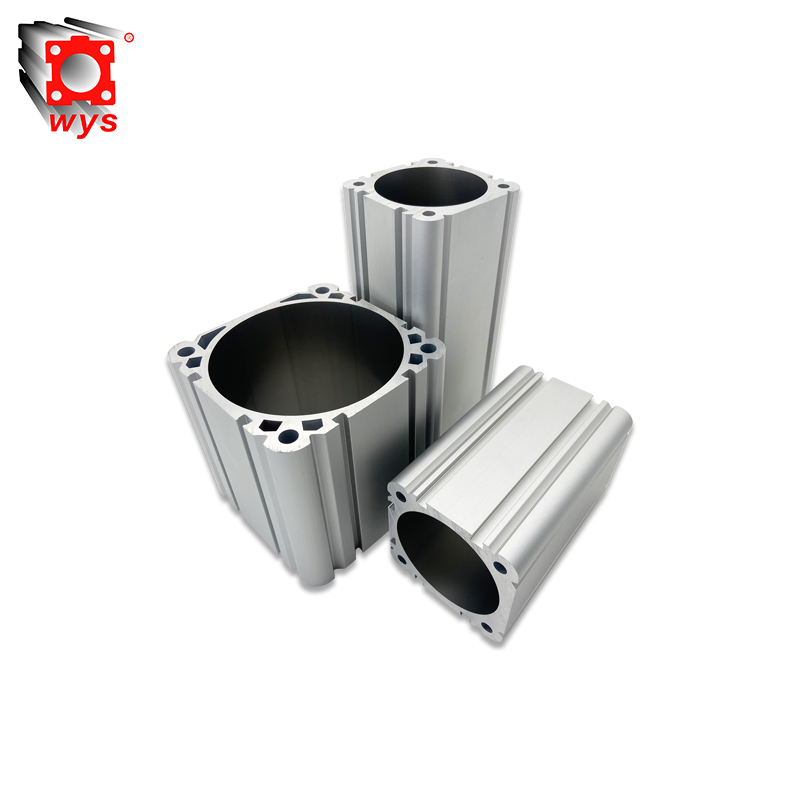
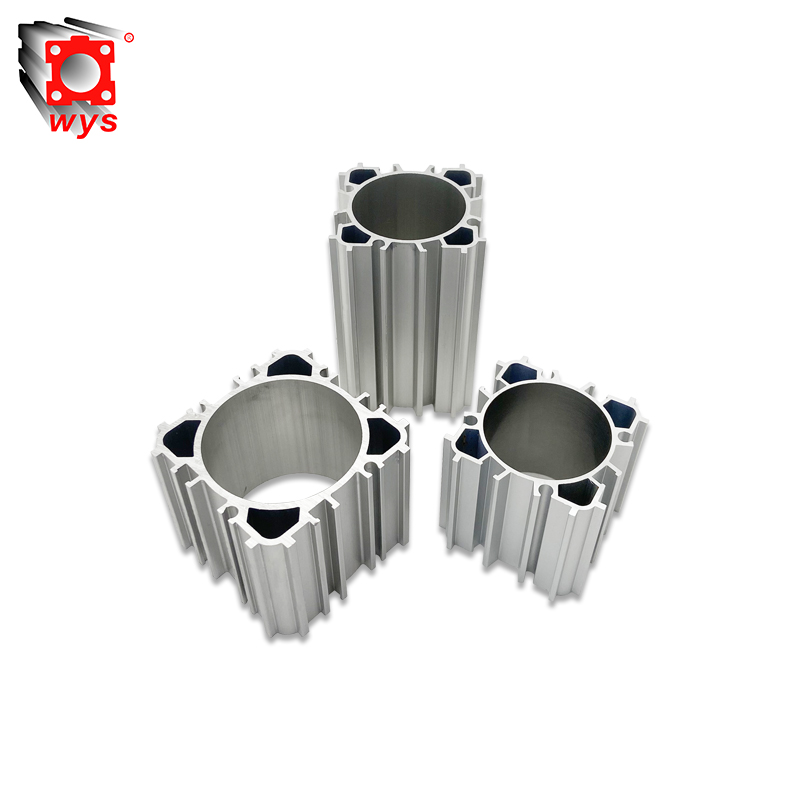
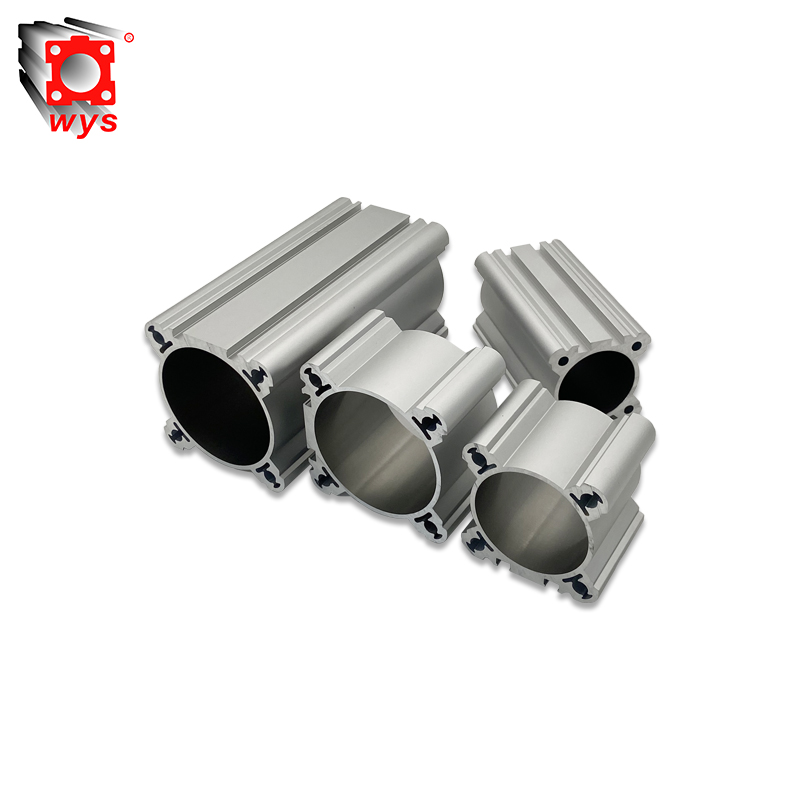
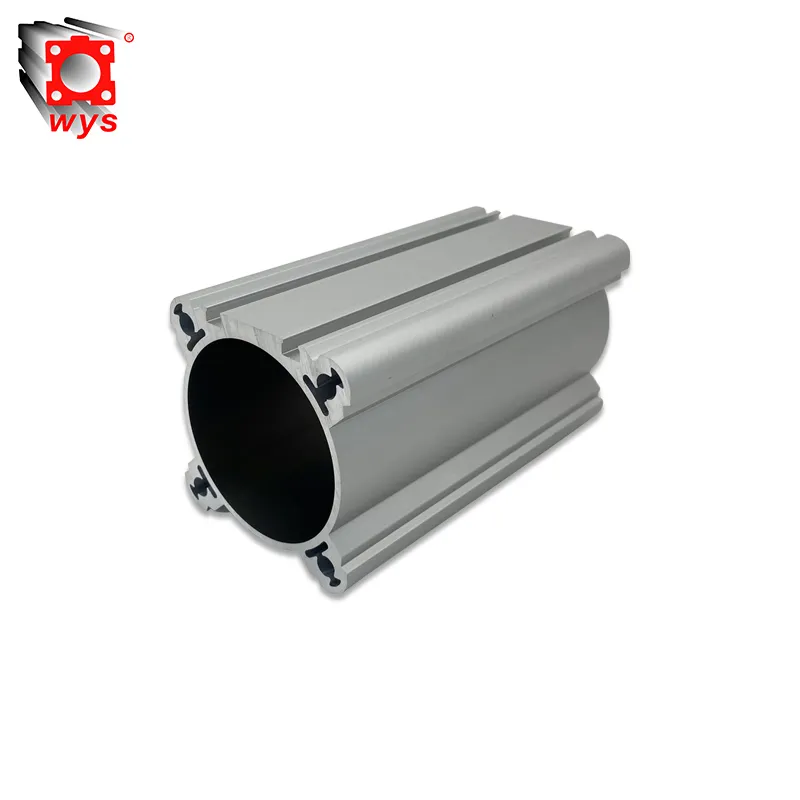
In modern industrial automation equipment, the performance and reliability of pneumatic components are increasingly important. Among many key components, the pneumatic cylinder barrel, as the core structure of the cylinder, has its surface treatment process directly determining its service life, sealing performance, and overall operational stability. Anodizing, as a common and mature surface treatment technology, is widely used in the manufacturing process of aluminum alloy pneumatic cylinder barrels.
So, what exactly is the role of anodizing pneumatic cylinder tubes? Is it simply a "surface treatment," or does it have a deeper impact on performance? This article will systematically and deeply analyze this topic, from process principles to practical applications, from performance enhancement to industry value.
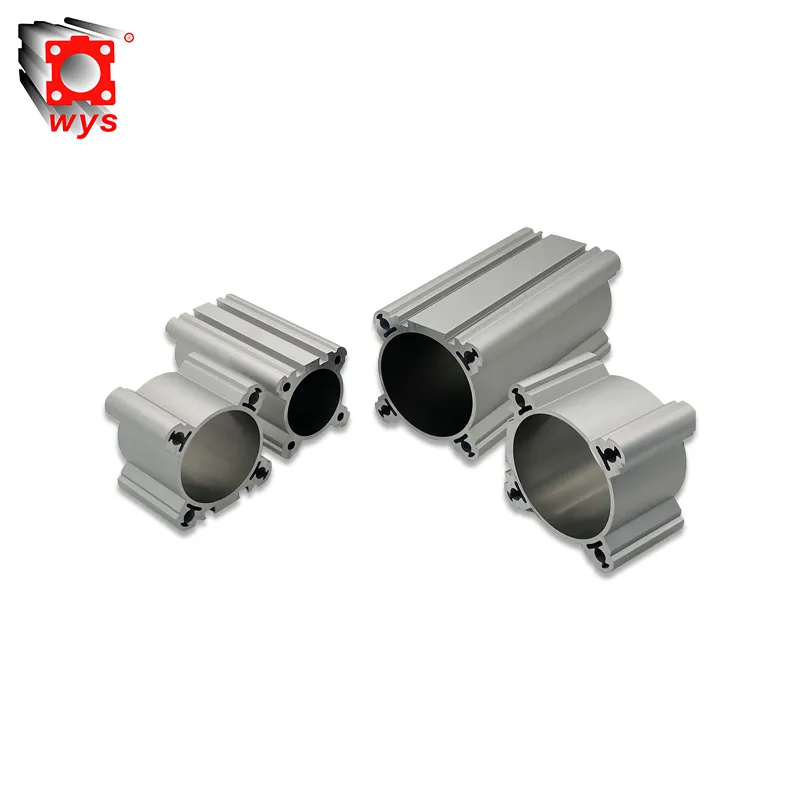
What is anodizing of pneumatic cylinder barrels?
Anodizing is an electrochemical treatment process mainly used for aluminum and aluminum alloy materials. The basic process involves placing the pneumatic cylinder barrel as the anode in an electrolyte, and under the action of an applied current, forming a dense aluminum oxide film on its surface.
This oxide film has the following characteristics:
• Strong adhesion to the substrate (not a coating, but "grown")
• Microporous structure
• High hardness
• Can be further sealed
For pneumatic cylinder barrels, this process is not just about improving appearance, but a key step in performance upgrade.
Why must pneumatic cylinder barrels undergo anodizing?
Many people wonder: Can pneumatic cylinder barrels be used normally without anodizing?
The answer is: Yes, in some low-requirement scenarios, but in most industrial applications, pneumatic cylinder barrels without anodizing struggle to meet the requirements for long-term stable operation.
1. Limitations of the raw materials themselves
While aluminum alloys offer advantages in terms of lightweight and corrosion resistance, their surface hardness is relatively low, making them prone to:
• Scratches
• Wear
• Seal failure
Since the interior of a pneumatic cylinder barrel needs to be in constant contact with piston seals, insufficient surface properties will directly affect cylinder life.
2. Complex Operating Environments
Pneumatic cylinder barrels are often used in:
• High humidity environments
• Dust environments
• High-frequency motion scenarios
These operating conditions place higher demands on the surface of the pneumatic cylinder tube, and anodizing is a crucial means of addressing these issues.
How does anodizing improve the wear resistance of pneumatic cylinder tubes?
This is one of the core benefits of anodizing pneumatic cylinder tubes.
1. Significantly Increased Surface Hardness
Untreated aluminum alloys have low hardness, while the oxide film formed after anodizing can achieve a hardness of:
• HV200 ~ HV500 (or even higher)
This means that the pneumatic cylinder tube is less prone to wear during long-term operation.
2. Reduced Seal Wear
There is continuous friction between the inner wall of the pneumatic cylinder barrel and the sealing ring. If the surface is rough or the hardness is insufficient, it will lead to:
• Rapid aging of the seals
• Increased air leakage
The surface of the anodized pneumatic cylinder barrel is denser and more uniform, helping to reduce the coefficient of friction.
3. Extended Service Life
By improving wear resistance, the overall service life of a pneumatic cylinder barrel can be significantly extended, which is especially important for high-frequency equipment.
Does anodizing a pneumatic cylinder tube improve its corrosion resistance?
The answer is yes, and this is crucial in practical applications.
1. Protective Role of the Oxide Film
The alumina layer formed by anodizing has extremely strong chemical stability, effectively blocking:
• Moisture
• Oxygen
• Corrosive media
Thus protecting the pneumatic cylinder tube substrate from corrosion.
2. Importance of Sealing Treatment
After anodizing, a sealing treatment is usually performed to further enhance the corrosion resistance of the pneumatic cylinder barrel. This process can:
• Seal the microporous structure
• Improve oxidation resistance
• Enhance surface stability
3. Adapting to Special Industry Needs
Anodized pneumatic cylinder tubes can be widely used in:
• Food processing industry
• Medical equipment
• Marine environmental equipment
These industries have extremely high requirements for corrosion resistance.
What impact does anodizing have on the sealing performance of a pneumatic cylinder tube?
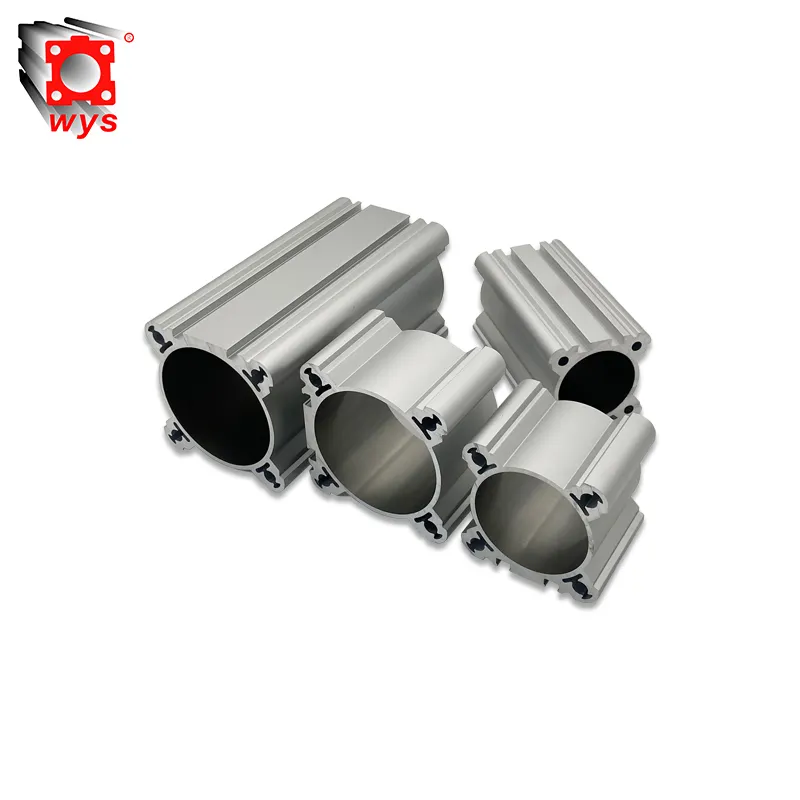
Sealing performance is one of the most critical indicators of a pneumatic cylinder barrel, and anodizing plays a crucial role in this.
1. Surface Roughness Optimization
Anodizing can improve the microstructure of the inner wall of the pneumatic cylinder barrel to a certain extent, making it more uniform and facilitating seal fit.
2. Reduced Micro-Leakage
Improved surface quality effectively reduces gas leakage through tiny gaps, thereby improving the overall efficiency of the pneumatic cylinder tube.
3. Enhanced Operational Stability
Improved sealing performance means that the pneumatic cylinder tube will:
• More stable output force
• More precise operation
Does anodizing of pneumatic cylinder tubes contribute to aesthetics and brand value?
Many people believe that anodizing is only a functional treatment, but it actually has significant implications for appearance as well.
1. Enhanced Surface Texture
Anodized pneumatic cylinder barrels have:
• Metallic luster
• Uniform color
• Delicate texture
This is especially important for high-end equipment.
2. Supports Multiple Colors
Through different processes, pneumatic cylinder barrels can be finished in:
• Silver
• Black
• Gold, etc.
This not only enhances aesthetics but also helps with brand recognition.
3. Increases Product Added Value
Improved appearance quality enhances customer trust in product quality, thereby increasing market competitiveness.
Does anodizing affect the heat dissipation performance of pneumatic cylinder tubes?
This is an easily overlooked issue, but it is crucial in some applications.
1. Improved Heat Dissipation Through Surface Structure
The surface of anodized pneumatic cylinder tubes has a microporous structure, which helps to:
• Increase heat dissipation area
• Improve heat exchange efficiency
2. Improved High-Frequency Operation Stability
During high-speed reciprocating motion, heat is generated inside the pneumatic cylinder tube. Poor heat dissipation can lead to:
• Seal aging
• Performance degradation
Anodizing can alleviate this problem to some extent.
What are the key control points in the anodizing process of pneumatic cylinder tubes?
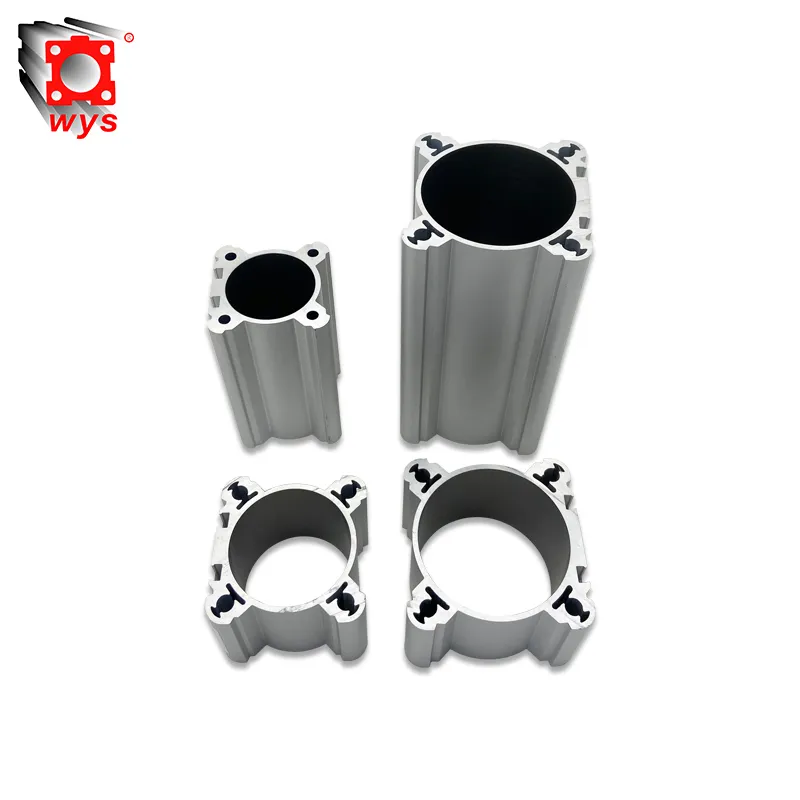
Anodizing is not a simple process; its quality directly affects the performance of pneumatic cylinder barrels.
1. Oxide Film Thickness Control
Different applications have different requirements for the oxide film thickness of pneumatic cylinder tubes, generally ranging from:
• 10μm ~ 50μm. Too thin a film will affect wear resistance, while too thick a film may affect dimensional accuracy.
2. Surface Pretreatment
Before anodizing, pneumatic cylinder tubes need to undergo:
• Degreasing
• Cleaning
• Polishing
These steps directly affect the final quality.
3. Electrolyte and Process Parameters
Including:
• Voltage
• Temperature
• Time
All of these need to be strictly controlled to ensure stable performance of the pneumatic cylinder tube.
Are there limitations to anodizing pneumatic cylinder tubes?
While anodizing offers significant advantages, it is not without limitations.
1. Not suitable for all materials
Anodizing is primarily suitable for aluminum alloy pneumatic cylinder barrels; it is not suitable for steel pneumatic cylinder barrels.
2. Increased Cost
Compared to untreated pneumatic cylinder barrels, anodizing increases manufacturing costs.
3. High Process Requirements
Improper control may result in:
• Color difference
• Uneven film layer
• Surface defects
Therefore, specialized process support is required.
How will pneumatic cylinder tube surface treatment technology develop in the future?
With advancements in industrial technology, the surface treatment of pneumatic cylinder tubes is constantly evolving.
1. High-Performance Composite Coatings
In the future, anodizing may be combined with other coating technologies to further enhance the performance of pneumatic cylinder tubes.
2. Intelligent Manufacturing Processes
Through automated control, the consistency and quality of anodizing of pneumatic cylinder barrels can be improved.
3. Development of Environmentally Friendly Processes
Reducing pollution and improving resource utilization will become important directions.
Can Weiyingjia Provide Customized Pneumatic Cylinder Barrels?
Yes, Weiyingjia is a professional customized pneumatic cylinder barrel manufacturer with strong OEM and ODM capabilities. Our engineering team can produce special dimensions, unique wall thicknesses, custom surface treatments, and non-standard structures based on your drawings or samples.
If you are searching for a China supplier for custom pneumatic cylinder barrel sales, Weiyingjia is ready to support your project.