

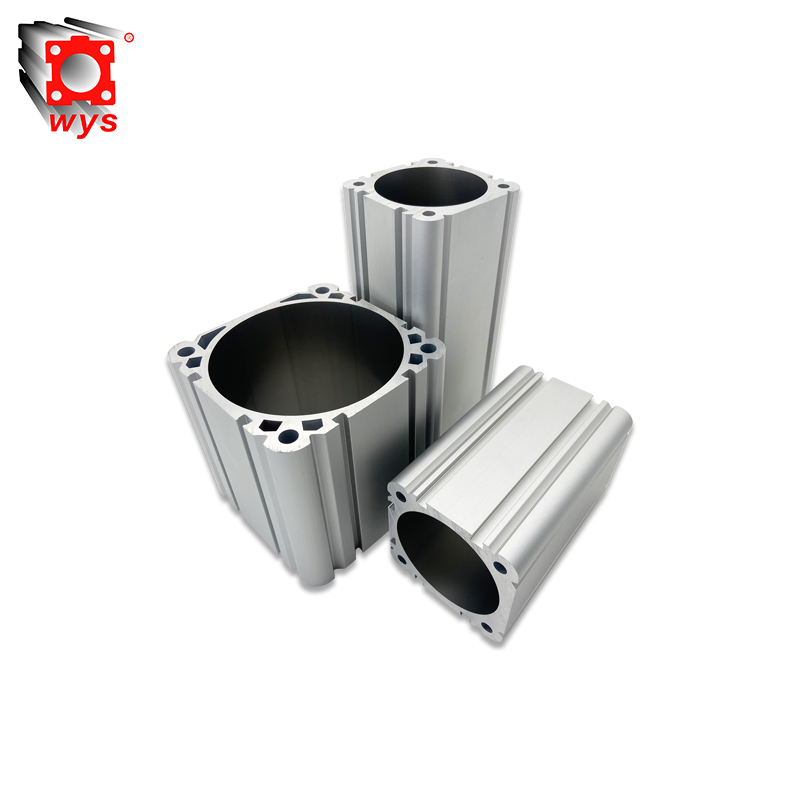
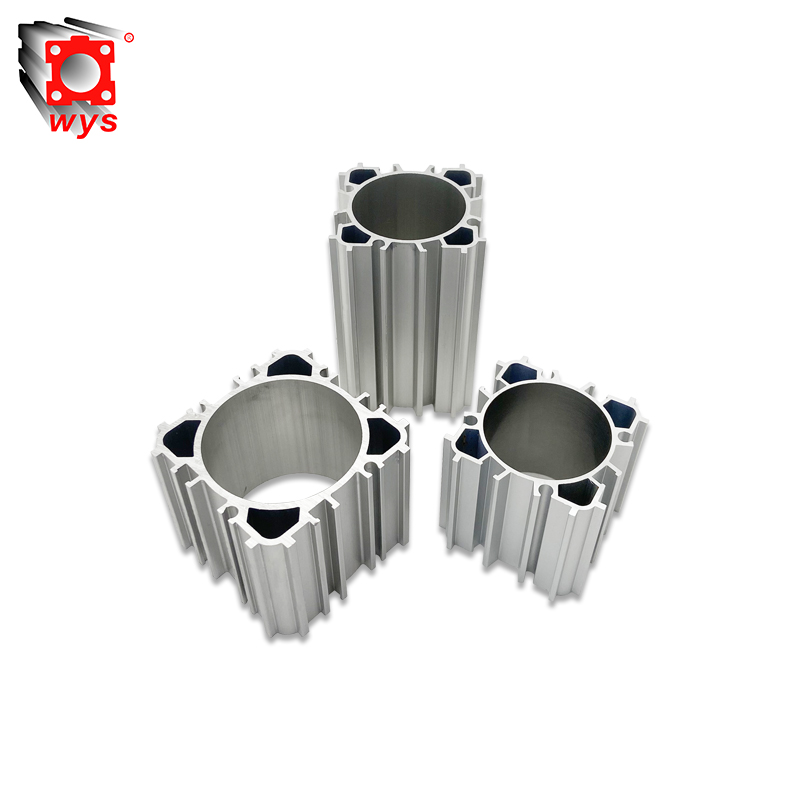
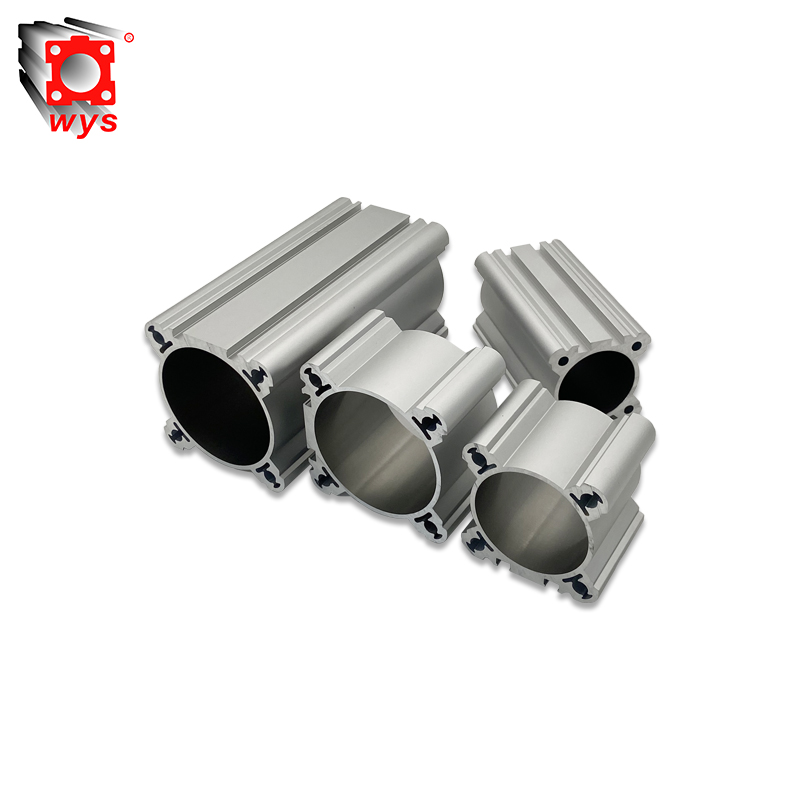
In pneumatic systems, the pneumatic cylinder barrel is one of the core structures of the cylinder. It not only determines the stability of piston movement but also directly affects sealing performance, service life, and overall efficiency.
Many engineers encounter a very practical question when selecting, installing, or maintaining cylinders: Does the pneumatic cylinder tube require lubrication?
This seemingly simple question actually involves multiple technical aspects, including the pneumatic cylinder barrel's structural design, sealing method, working medium, operating frequency, and operating environment.
This article will provide a systematic and in-depth analysis of whether the pneumatic cylinder tube requires lubrication from a professional perspective, helping you form a clear and rational judgment.
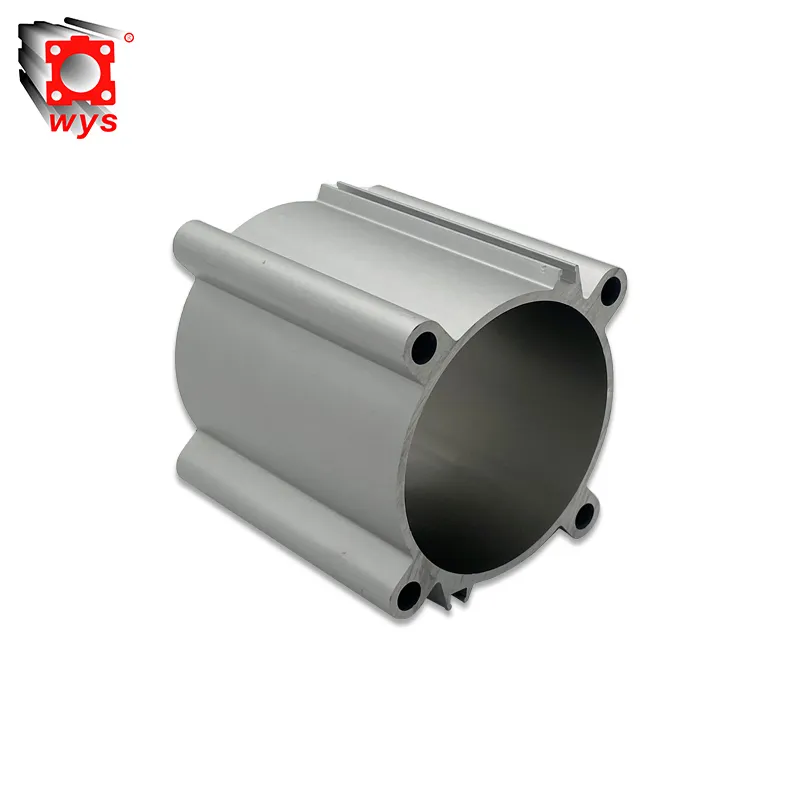
What role does the pneumatic cylinder tube play in operation?
Before discussing whether lubrication is needed, it's essential to clarify the basic function of the pneumatic cylinder tube in the cylinder.
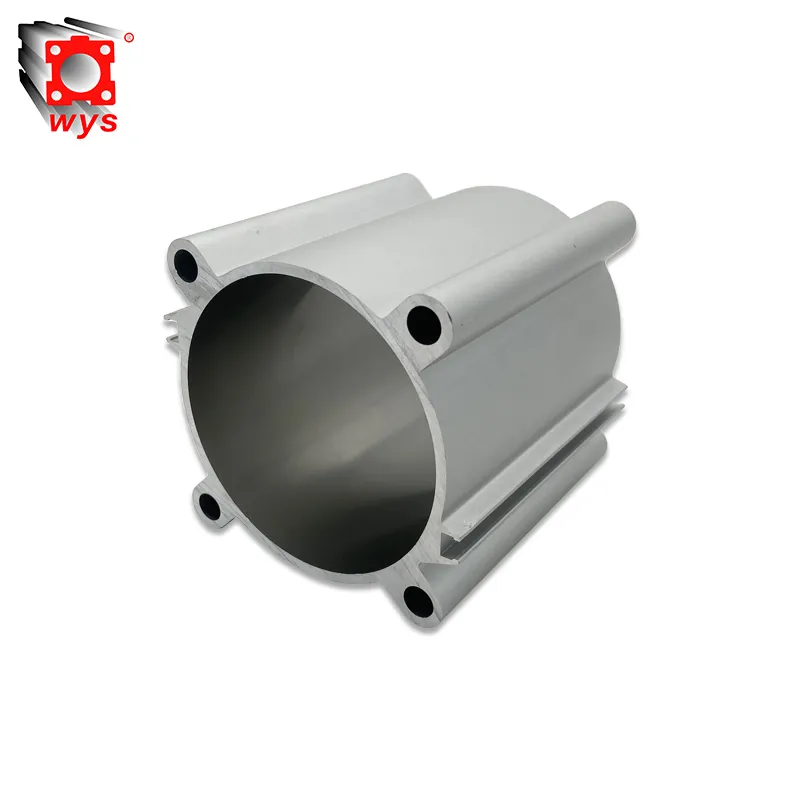
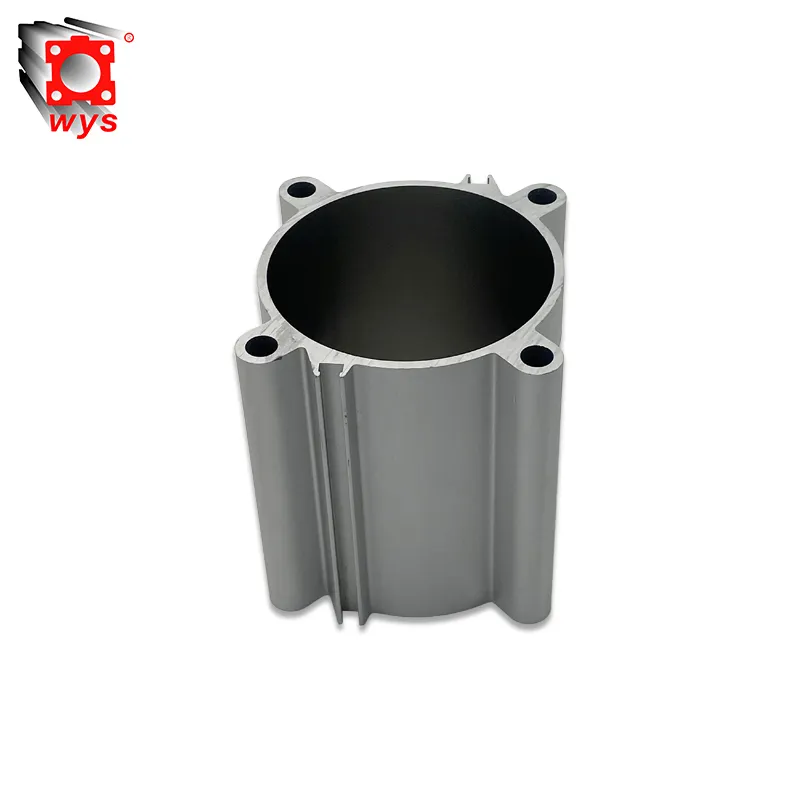
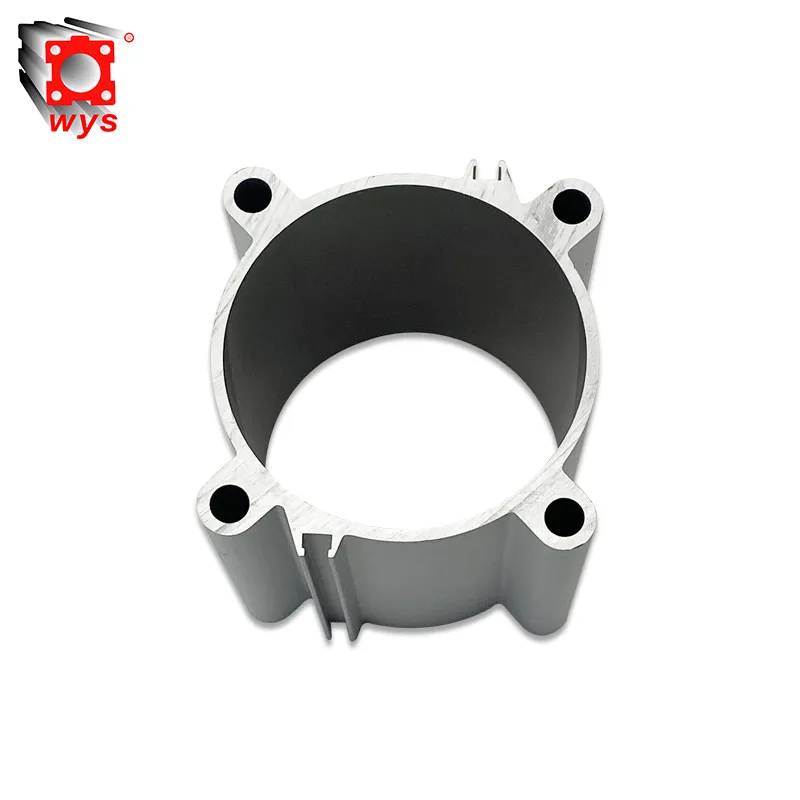
The pneumatic cylinder tube is the main structure of the cylinder, providing a sealed, linear, and controlled movement space for the piston and piston rod. Compressed air enters the pneumatic cylinder tube, driving the piston in a reciprocating linear motion under pressure, thus converting pneumatic energy into mechanical energy.
Throughout its operation, the pneumatic cylinder tube must withstand the following conditions:
• Continuous contact between the piston and the cylinder wall
• Friction between the seals and the cylinder wall
• The effects of moisture and dust in the compressed air
• Wear caused by high-frequency reciprocating motion
Because the pneumatic cylinder tube performs these critical tasks, controlling its internal friction becomes the core issue in determining whether lubrication is necessary.
What are the main sources of friction within the pneumatic cylinder barrel?
To determine whether the pneumatic cylinder barrel requires lubrication, it is essential to first understand where the friction primarily originates.
In a standard cylinder structure, the friction inside the pneumatic cylinder barrel mainly includes the following categories:
1. Friction between the piston seal and the inner wall of the pneumatic cylinder barrel
2. Friction between the guide ring and the inner wall of the cylinder
3. Film shear resistance generated during high-speed piston movement
Of these, the most significant and persistent source of friction is the contact friction between the seal and the inner wall of the pneumatic cylinder barrel. Improper friction control can lead to:
• Wear on the inner wall of the pneumatic cylinder tube
• Accelerated aging of the seals
• Increased operating resistance
• Unstable or creeping operation
The purpose of lubrication is precisely to reduce the negative effects of this friction.
Do all pneumatic cylinder barrels require lubrication?
The answer is no.
Not all pneumatic cylinder tubes require internal lubrication. Whether lubrication is needed depends on the design type and operating conditions of the pneumatic cylinder barrel.
From a technical perspective, pneumatic cylinder tubes can be broadly categorized into two types:
• Lubricated pneumatic cylinder tubes
• Lubricant-free pneumatic cylinder tubes
These two types of pneumatic cylinder tubes differ significantly in their structural design and material selection.
When do pneumatic cylinder tubes require lubrication?
Pneumatic cylinder tubes typically require lubrication in the following situations:
1. Pneumatic cylinder tubes using traditional sealing materials
Early or some industrial-grade pneumatic cylinder tubes used ordinary rubber or polyurethane seals. These seals have a high coefficient of friction under dry friction conditions, making them prone to heat generation and wear.
By forming an oil film inside the pneumatic cylinder tube, it is possible to effectively:
• Reduce friction between the seal and the cylinder wall
• Slow down seal aging
• Improve the smoothness of pneumatic cylinder tube operation
2. High-speed, high-frequency pneumatic cylinder tubes
When a pneumatic cylinder tube is in a high-frequency reciprocating motion state, the cumulative friction effect is very significant. Insufficient lubrication can easily lead to:
• Inner wall scratches
• Wear on seal edges
• Unstable operation
Adequate lubrication helps pneumatic cylinder tubes maintain stable operation under high-speed conditions.
What is a lubrication-free pneumatic cylinder barrel?
With advancements in manufacturing processes and materials technology, lubrication-free pneumatic cylinder barrels have become a mainstream choice.
Lubrication-free pneumatic cylinder barrels typically possess the following characteristics:
• Precision machining and surface treatment of the inner wall
• Use of low-friction, self-lubricating sealing materials
• No additional lubrication required under normal operating conditions
These pneumatic cylinder barrels have their friction control system designed at the factory, enabling long-term stable operation under dry compressed air conditions.
Do lubrication-free pneumatic cylinder tubes truly require no lubrication at all?
This is a very common question.
From a design perspective, lubrication-free pneumatic cylinder tubes do not require additional lubrication under normal operating conditions. However, this does not mean that lubrication is unnecessary in all situations.
It is important to clarify the following:
• No lubrication ≠ No lubrication allowed
• No lubrication ≠ Completely insensitive to lubrication
Incorrectly introducing lubricating oil into a lubrication-free pneumatic cylinder tube can have negative effects, such as:
• Lubricating oil adsorbing impurities from the air
• Contaminating sealing surfaces
• Damaging the original self-lubricating structure
Therefore, for lubrication-free pneumatic cylinder barrels, "no lubrication" is often safer than "indiscriminate lubrication."
How is internal lubrication of a pneumatic cylinder barrel typically achieved?
When a pneumatic cylinder tube does require lubrication, it is usually not achieved by directly injecting oil into the cylinder, but through the following methods:
1. Air lubricator supply
A lubricator is installed in the air source treatment unit, allowing lubricating oil to enter the pneumatic cylinder barrel along with compressed air, forming an oil film on the inner wall and sealing surfaces.
2. Factory pre-lubrication
Some pneumatic cylinder tubes have already undergone internal pre-lubrication during assembly and do not require further lubrication within a certain operating cycle.
3. Regular Lubrication Maintenance
During specific maintenance cycles, disassemble and inspect the pneumatic cylinder barrel, and replenish with an appropriate amount of grease or lubricating oil.
What problems will occur if the pneumatic cylinder barrel is insufficiently lubricated?
If the pneumatic cylinder tube lacks lubrication for an extended period under lubrication-required operating conditions, the following problems may occur:
• Significantly increased piston running resistance
• Discontinuous or stuck pneumatic cylinder tube operation
• Rapid wear of seals
• Scratches or marks on the inner wall
• Significantly shortened service life
These problems often do not occur instantly, but accumulate gradually over operating time.
Will over-lubrication harm the pneumatic cylinder barrel?
The answer is: Yes.
Over-lubrication will also have negative effects on the pneumatic cylinder barrel, such as:
• An excessively thick oil film leading to increased running resistance
• Lubricating oil mist contaminating downstream components
• Accelerated dust and impurity deposition
• Damage to the performance of sealing materials
Therefore, the principle of pneumatic cylinder barrel lubrication should be: lubricate as needed, lubricate appropriately, rather than "more is safer".
How to determine if a pneumatic cylinder tube needs lubrication?
In practical applications, the following factors can be considered to determine if a pneumatic cylinder tube requires lubrication:
• Is it a lubrication-free design?
• Does the manufacturer explicitly state "no lubrication required"?
• Is the operating frequency high?
• Is the compressed air used dry and clean?
• Are there any abnormal frictions or malfunctions?
Only by considering these factors can a reasonable judgment be made regarding whether a pneumatic cylinder tube needs lubrication.
Does a pneumatic cylinder tube actually need lubrication?
In summary, there is no single answer to whether a pneumatic cylinder tube needs lubrication; it depends on the design type, operating conditions, and usage requirements.
• Traditional pneumatic cylinder tubes require lubrication under specific operating conditions.
• Lubrication-free pneumatic cylinder tubes do not require additional lubrication under normal conditions.
• Blindly lubricating or over-lubricating can be counterproductive.
Correctly understanding the structure and working principle of the pneumatic cylinder tube, and making judgments based on actual usage conditions, is key to ensuring the long-term stable operation of the pneumatic cylinder tube.