

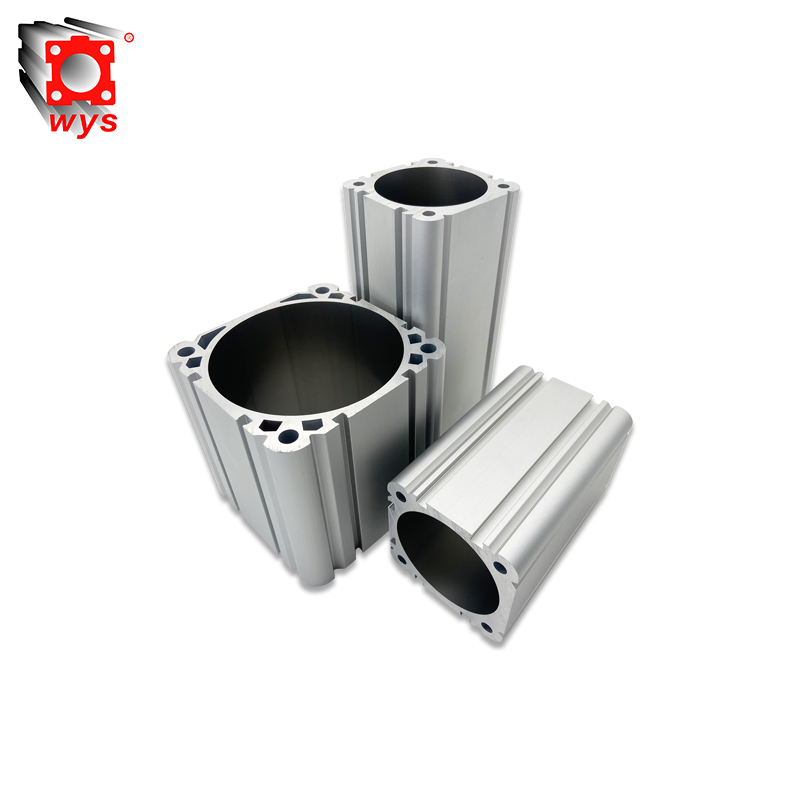
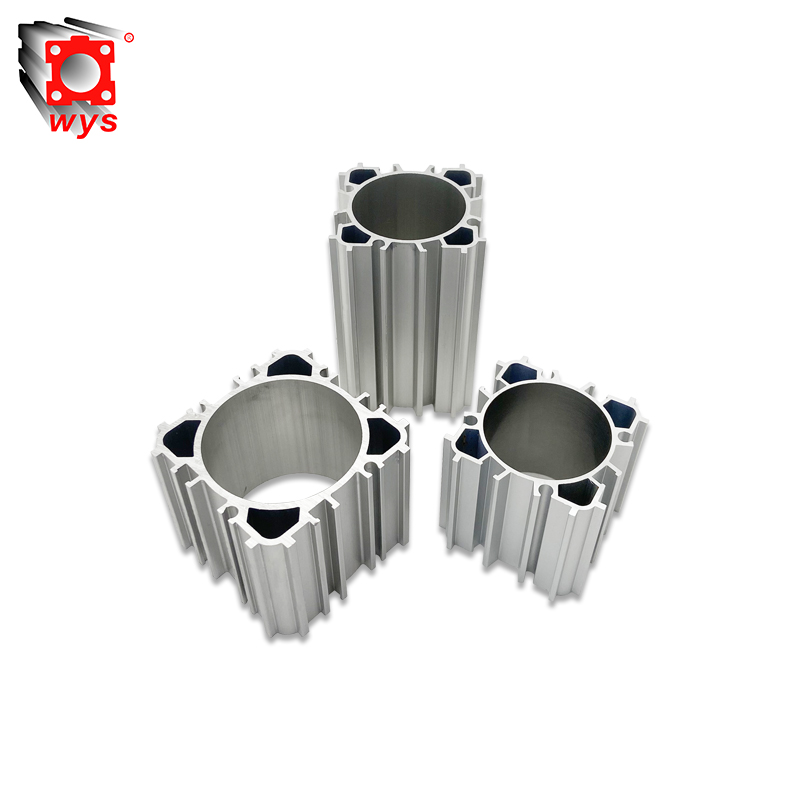
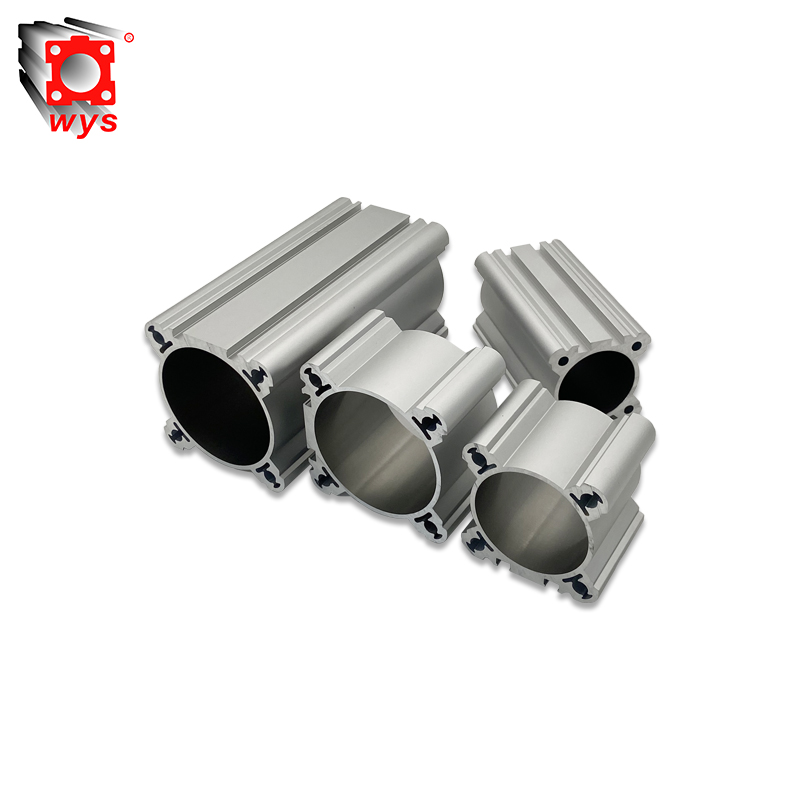
In industrial automation equipment, pneumatic systems perform critical functions such as pushing, clamping, positioning, and handling. As a crucial actuator in the pneumatic system, the pneumatic cylinder's operating status directly impacts the overall efficiency of the equipment. Within the pneumatic cylinder's structure, both the seal and cylinder head are critical components; malfunctions can lead to equipment instability or even shutdown.
In actual maintenance, equipment maintenance personnel often encounter the following problem: when a cylinder leaks air, experiences reduced thrust, or malfunctions, is it due to a damaged cylinder seal or a cracked cylinder head?
Although these two faults may appear similar, their underlying causes and solutions are completely different. Incorrect diagnosis not only increases maintenance costs but may also lead to recurring problems.
Therefore, accurately distinguishing between a damaged pneumatic cylinder seal and a cracked cylinder head is an important skill in equipment maintenance.
What are the respective functions of the pneumatic cylinder seal and cylinder head?
Before understanding how to differentiate between faults, it is essential to clarify the roles of the pneumatic cylinder seal and cylinder head within the pneumatic cylinder.
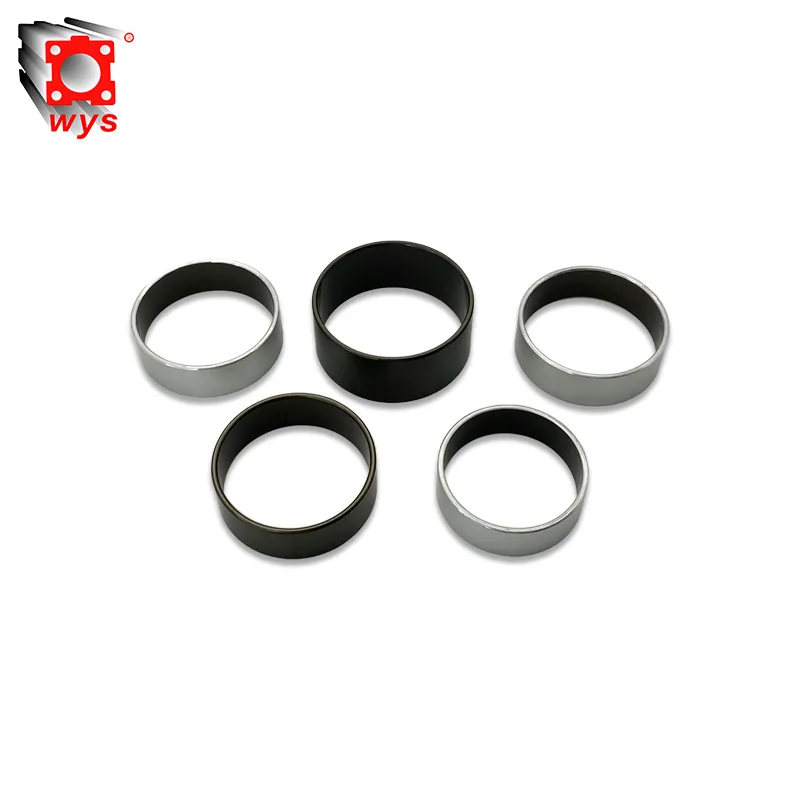
The Function of Pneumatic Cylinder Sealing Liner
Pneumatic cylinder sealing sleeves are the core component of the pneumatic cylinder sealing system. Their main functions include:
• Preventing compressed air leakage
• Maintaining stable internal cylinder pressure
• Reducing friction between the piston and cylinder barrel
• Improving the smoothness of cylinder movement
• Extending the overall service life of the pneumatic cylinder
When pneumatic cylinder sealing liners wear, age, or break, their sealing performance will significantly decrease, leading to insufficient cylinder pressure.
The Function of Cylinder Heads
Cylinder heads are typically located at both ends of a pneumatic cylinder. Their main functions include:
• Sealing the internal structure of the cylinder
• Fixing the piston rod guide structure
• Supporting the sealing system
• Connecting the air supply interface
If the cylinder head cracks, compressed air may leak from the crack, potentially leading to a decrease in structural strength.
Therefore, both damage to the pneumatic cylinder sealing liner and a crack in the cylinder head will affect the cylinder's sealing performance, but the location and manifestation of the damage differ significantly.
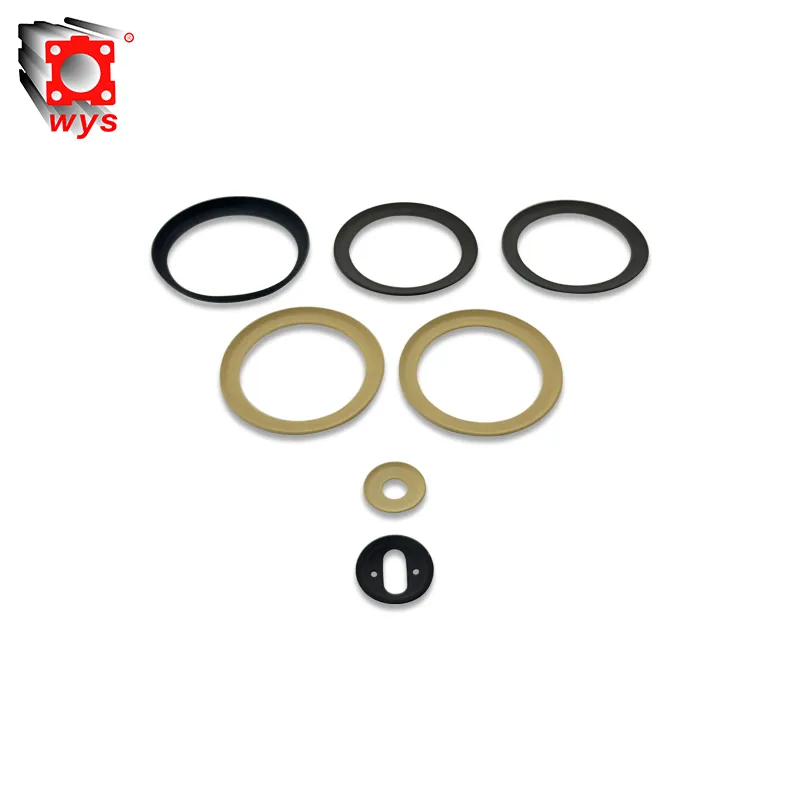
What are the typical manifestations of damaged pneumatic cylinder sealing liners?
When a pneumatic cylinder seal is damaged, the pneumatic system typically exhibits several noticeable operational abnormalities.
Symptoms of a damaged pneumatic cylinder seal include:
1. Reduced Cylinder Thrust
Because the pneumatic cylinder seal loses its sealing ability, compressed air leaks around the piston, leading to insufficient internal cylinder pressure and a significant decrease in thrust.
2. Unstable Cylinder Movement Speed
When the pneumatic cylinder seal is severely worn, the internal cylinder pressure fluctuates continuously, causing unstable piston movement.
3. Internal Cylinder Leakage
In some cases, even without obvious external leakage, a damaged pneumatic cylinder seal can cause internal cylinder leakage, affecting operational accuracy.
4. Increased Equipment Energy Consumption
Due to seal failure, the pneumatic system requires more compressed air to maintain operating pressure.
Therefore, if the equipment exhibits the above symptoms, it is often necessary to focus on checking whether the pneumatic cylinder seal is damaged.
What different malfunctions will a cylinder head crack cause?
Compared to damage to the cylinder seal liner, cylinder head cracks are typically structural damage, and their manifestations differ.
Symptoms of cylinder head cracks include:
1. Obvious external air leakage
If a cylinder head cracks, compressed air will usually leak directly from the crack.
2. Oil or dust accumulation around the crack
Air leakage carries oil mist, making it easy for dust to accumulate at the crack location.
3. Increased cylinder operating noise
Air ejected from the crack may produce a noticeable airflow noise.
4. Reduced structural strength
Severe cylinder head cracks can even affect the overall structural stability of the pneumatic cylinder.
In contrast, damage to the pneumatic cylinder seal liner is often an internal sealing problem, while cylinder head cracks can usually be detected through external observation.
How to determine if a pneumatic cylinder seal liner is damaged using a compression test?
Compression testing is a common cylinder condition inspection method and is very effective in determining if a pneumatic cylinder seal liner is damaged.
Basic principle of compression testing
In a pneumatic system, the internal pressure of the cylinder must be maintained within a certain range. If the pneumatic cylinder seal is damaged, gas will leak from the seal, causing a pressure drop.
Test Method
When performing a compression test, the following steps are typically required:
1. Supply a stable gas source to the cylinder.
2. Shut down other gas lines in the system.
3. Use a pressure gauge to check the internal pressure of the cylinder.
Test Result Interpretation
If the test reveals:
• Insufficient compression in one or more cylinders
• Unstable pressure maintenance
• Rapid pressure drop
These conditions usually indicate that the pneumatic cylinder seal may be damaged.
Therefore, compression testing is a very effective method for diagnosing cylinder seal problems.
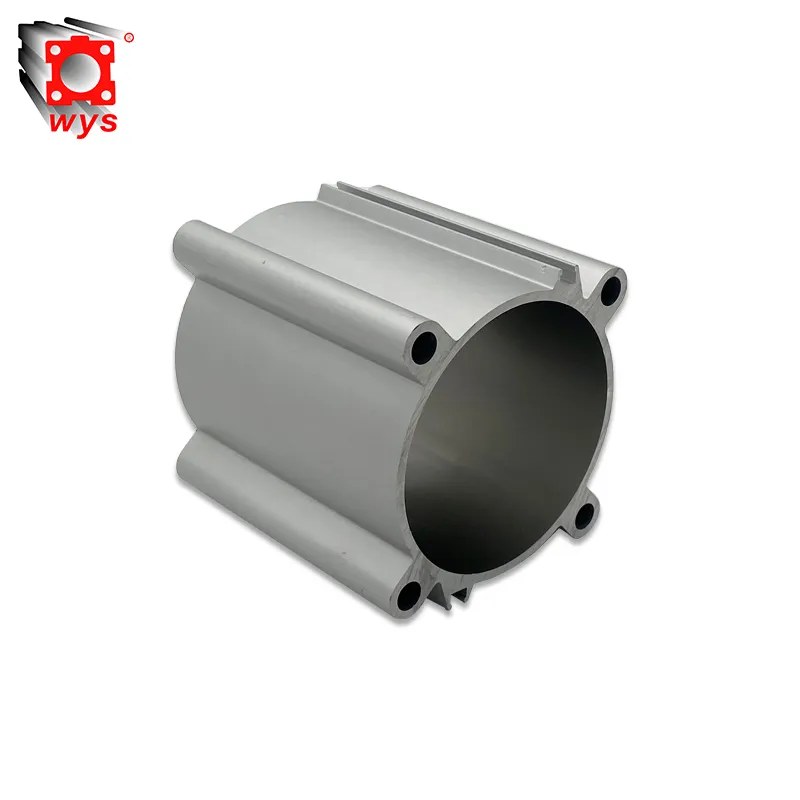
Can cylinder head cracks be detected visually?
Unlike pneumatic cylinder seal damage, cylinder head cracks can usually be detected visually.
Key Inspection Areas
During visual inspection, focus on the following areas:
• Cylinder head surface
• Port connection areas
• Bolt fixing areas
• Sealing contact surfaces
If obvious cracks or abnormal marks are found in these locations, it may indicate that the cylinder head is damaged.
Common Characteristics of Cracks
Cylinder head cracks typically manifest as:
• Thin, elongated linear cracks
• Surface metal fracture
• Oil buildup at the crack
If these characteristics are found during inspection, further confirmation is needed to determine if it is a structural crack.
Therefore, visual inspection is one of the important methods to distinguish between pneumatic cylinder seal problems and cylinder head cracks.
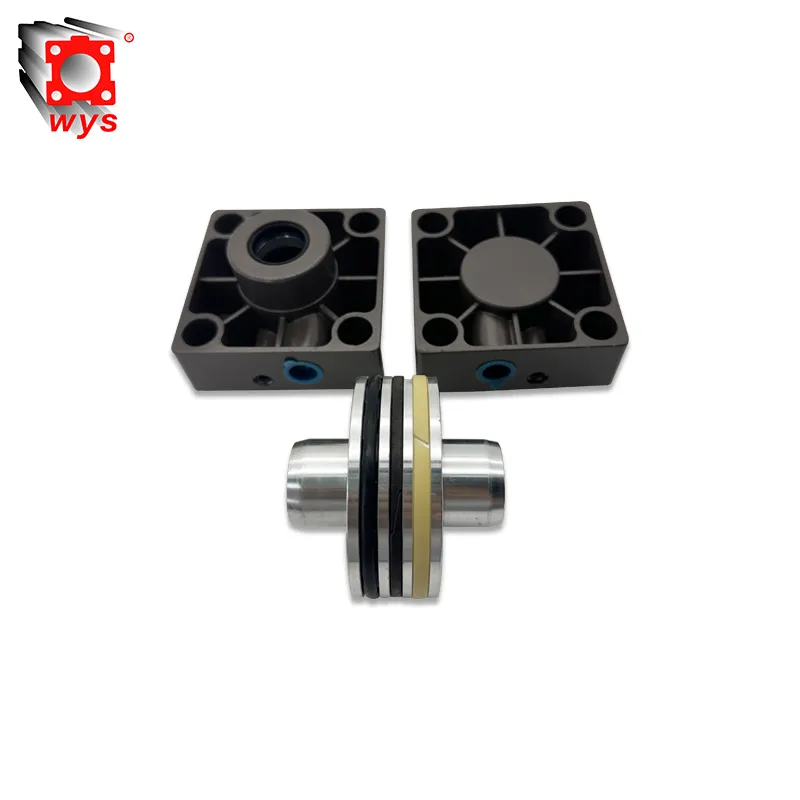
Why are pneumatic cylinder seal damage not easily visible directly?
Many maintenance personnel find that pneumatic cylinder seal damage is often not easily observed directly when inspecting pneumatic equipment.
Reasons why pneumatic cylinder seal damage is not easily visible directly include:
1. The seal is located inside the cylinder
Pneumatic cylinder seals are usually installed inside the piston or end cap, requiring cylinder disassembly to see.
2. The damage is relatively hidden
Seal damage may only involve slight wear or deformation, without obvious breakage.
3. Difficult to observe during operation
When the cylinder is running, the seal is located within the internal sealing structure.
Therefore, when diagnosing a fault, it is often necessary to combine compression tests and cylinder operating conditions to determine if there is a problem with the pneumatic cylinder seal.
How to systematically determine whether a pneumatic cylinder seal is damaged or the cylinder head is cracked?
To avoid misdiagnosis, a systematic inspection can be performed according to the following steps:
Step 1: Observe for external air leakage
If there is obvious air leakage outside the cylinder, first check if there is a crack in the cylinder head.
Step 2: Perform a compression test
If there is no obvious external air leakage, but the cylinder thrust decreases, the cylinder compression needs to be checked. If the pressure is insufficient, it may indicate that the pneumatic cylinder seal is damaged.
Step 3: Perform a visual inspection
Conduct a comprehensive inspection of the external structure of the cylinder to confirm whether there are any visible cracks.
Step 4: Disassemble the cylinder if necessary
If the above checks still cannot determine the problem, it is necessary to disassemble the cylinder to check the condition of the internal pneumatic cylinder seal.
Through this systematic process, the damage to the pneumatic cylinder seal and the cylinder head crack can be effectively distinguished.
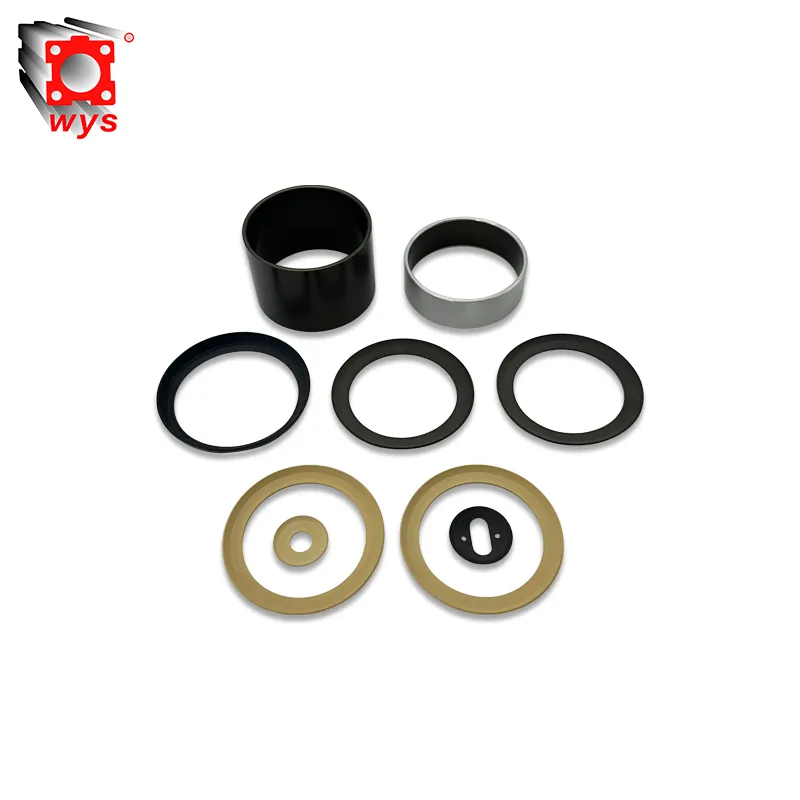
How to reduce pneumatic cylinder seal and cylinder head failures?
To reduce the failure rate of pneumatic systems, the following aspects should be noted during routine maintenance:
• Regularly check the wear of the pneumatic cylinder seals
• Keep the air source clean and prevent impurities from entering the cylinder
• Control system pressure within a reasonable range
• Prevent the cylinder from being subjected to external impacts
Proper maintenance can effectively extend the service life of the pneumatic cylinder seals and cylinder head.