

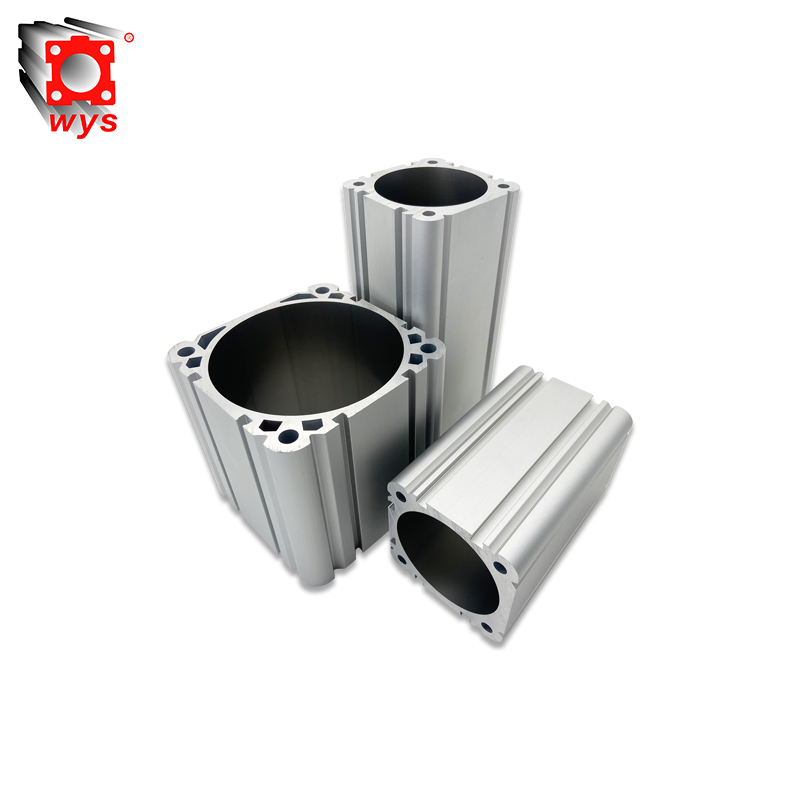
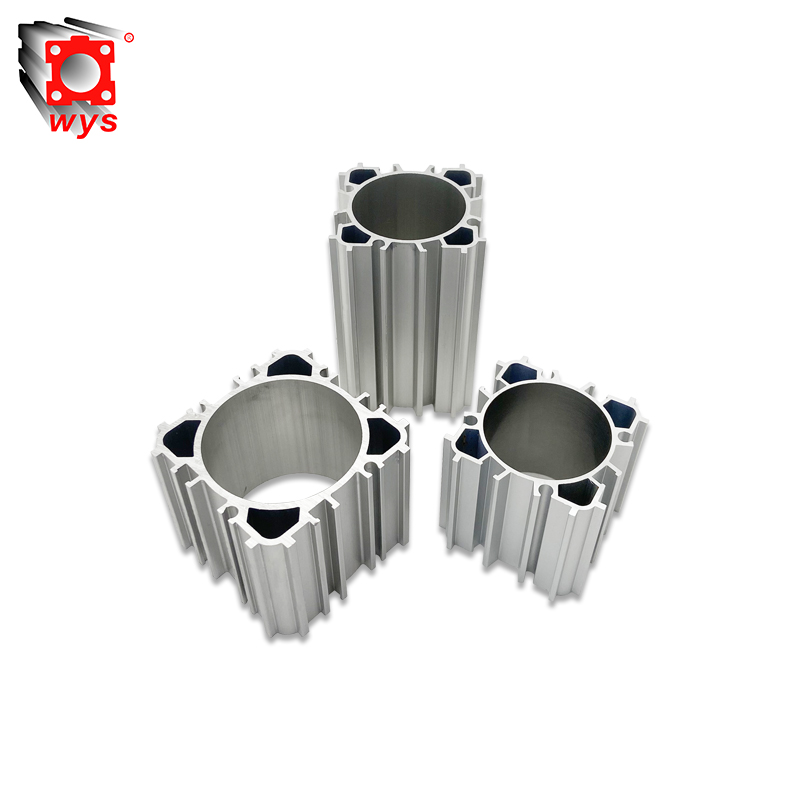
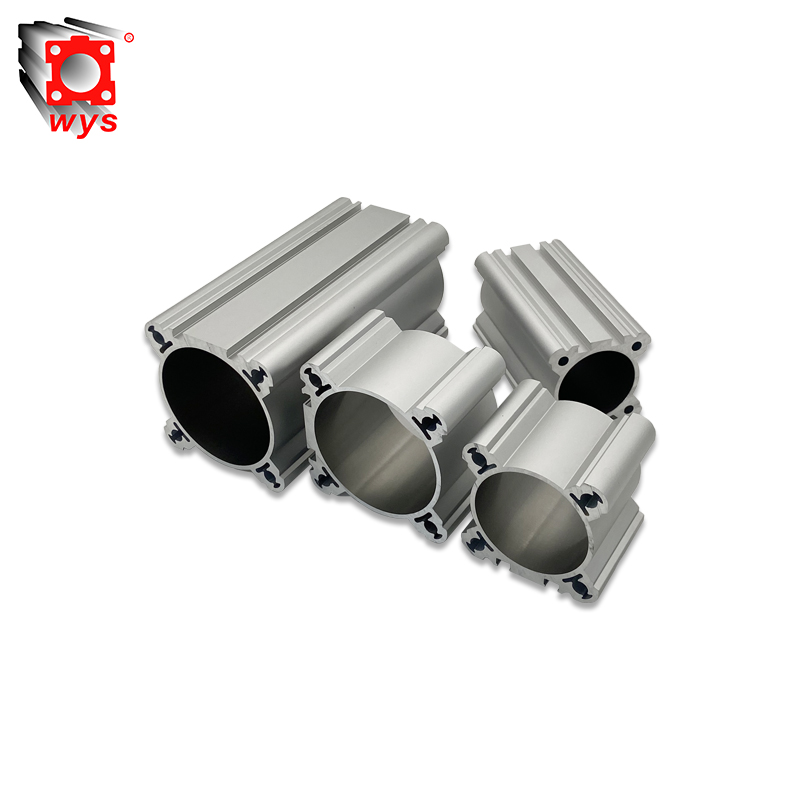
In pneumatic systems, the pneumatic cylinder is often considered the core component for performing actions, while the seal ring plays a crucial, albeit unseen, role in ensuring its proper operation. Many people, in routine maintenance, focus more on the cylinder's thrust, speed, or installation condition, neglecting the seal ring—a vital factor directly impacting performance and lifespan.
In fact, the condition of the seal ring not only affects whether the pneumatic cylinder leaks but also influences smoothness of movement, energy consumption, and overall stability.
Therefore, a very practical question arises: how often should pneumatic cylinder seal rings be replaced? Should they be replaced on a regular schedule, or only when problems arise?
There is no simple, uniform answer to this question; it requires a comprehensive assessment considering multiple factors, including operating conditions, materials, usage frequency, and maintenance methods.
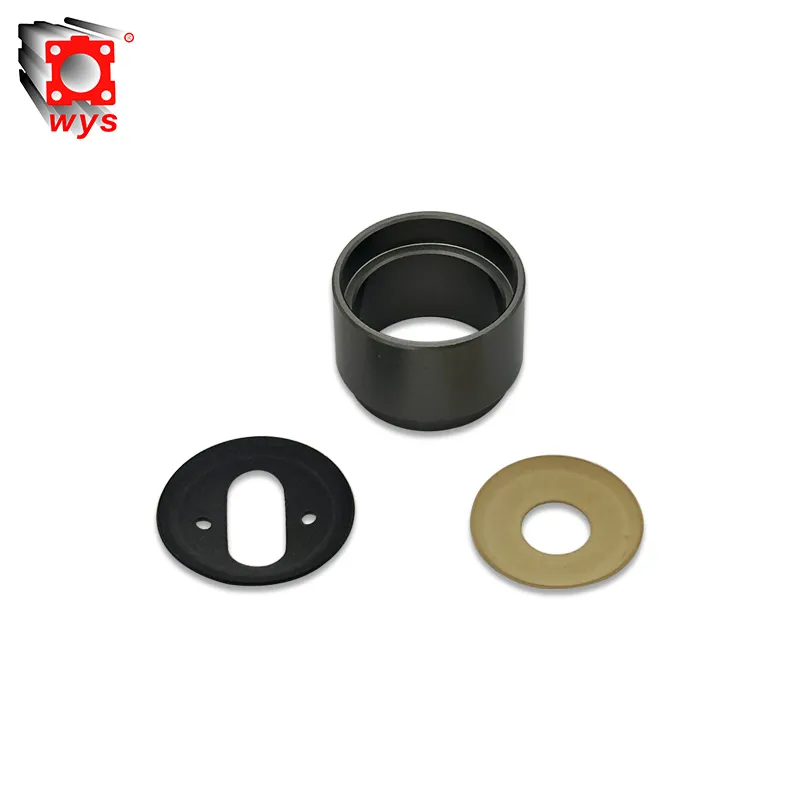
Why Do Pneumatic Cylinder Seal Rings Need to Be Replaced Regularly?
Many people wonder: seal rings seem like simple rubber or polymer components, so why do they need to be replaced regularly?
1. Sealing rings are inherently wear parts
During operation, the piston in a pneumatic cylinder constantly reciprocates, placing the sealing ring in a state of:
• compression
• friction
• dynamic contact.
This repeated mechanical action over a long period causes the sealing material to gradually age and wear.
2. The pneumatic environment has a continuous impact on sealing materials
The interior of a pneumatic cylinder is not an ideal environment and typically contains:
• moisture in compressed air
• oil mist
• microparticles.
These factors have both chemical and physical effects on the sealing ring, accelerating its performance degradation.
3. Sealing performance degradation is gradual
Sealing ring failure usually does not occur suddenly but is a gradual process, for example:
• initial slight leakage
• intermediate deterioration of the seal
• final complete failure.
If not replaced in advance, the performance of the pneumatic cylinder will deteriorate imperceptibly.
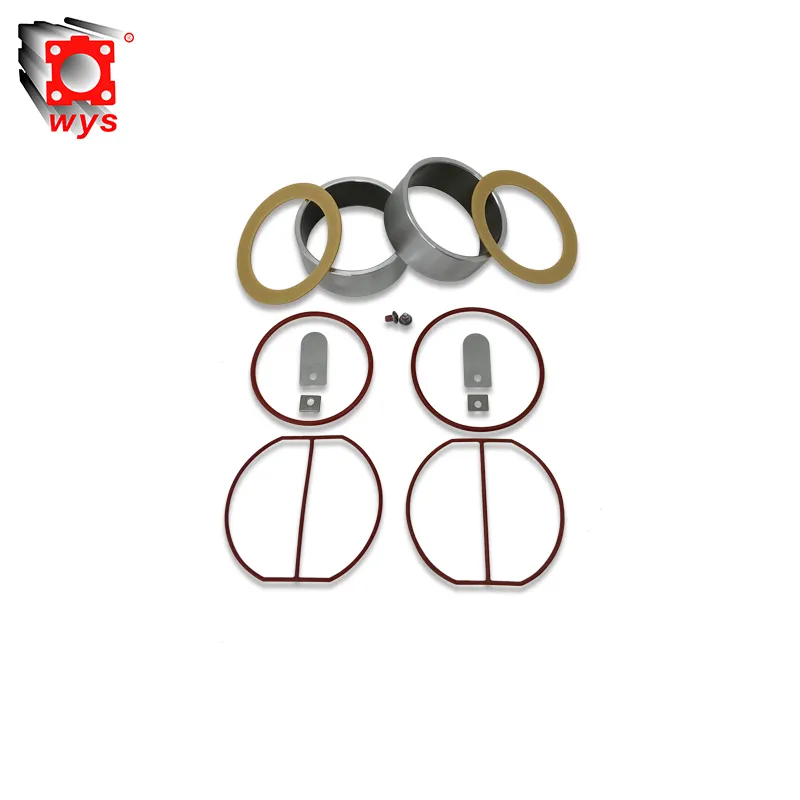
How often should pneumatic cylinder sealing rings be replaced?
This is the most crucial question, but it's important to clarify that there is no fixed, uniform replacement cycle for pneumatic cylinder sealing rings.
1. Don't judge solely by time
If you only judge by time, such as "replace once a year" or "replace once every six months," two situations often arise:
• Replacing too early, resulting in unnecessary costs.
• Replacing too late, affecting the operation of the pneumatic cylinder.
This is because the lifespan of the seals varies greatly under different operating conditions.
2. Usage frequency is a key factor
If the pneumatic cylinder is operating at high frequency:
• The wear rate of the seals will be significantly accelerated.
While the pneumatic cylinder is used at low frequency or intermittently:
• The lifespan of the seals will be relatively longer.
Therefore, the number of operations is often more valuable than the usage time.
3. Environmental Conditions Directly Affect Lifespan
The replacement cycle for pneumatic cylinder seals varies significantly depending on the environment:
• Clean environment → Longer lifespan
• Dusty environment → Increased wear
• Humid environment → Increased aging
• Corrosive environment → Increased failure
4. General Experience Range
Under normal operating conditions, the following experience can be used as a reference:
• Medium-frequency use: Check approximately every 6 months to 1 year
• High-frequency use: Conduct a thorough check every 3-6 months
• Low-frequency use: The interval can be appropriately extended, but regular checks are still necessary.
Note that this is only an "inspection cycle," not a mandatory replacement cycle.
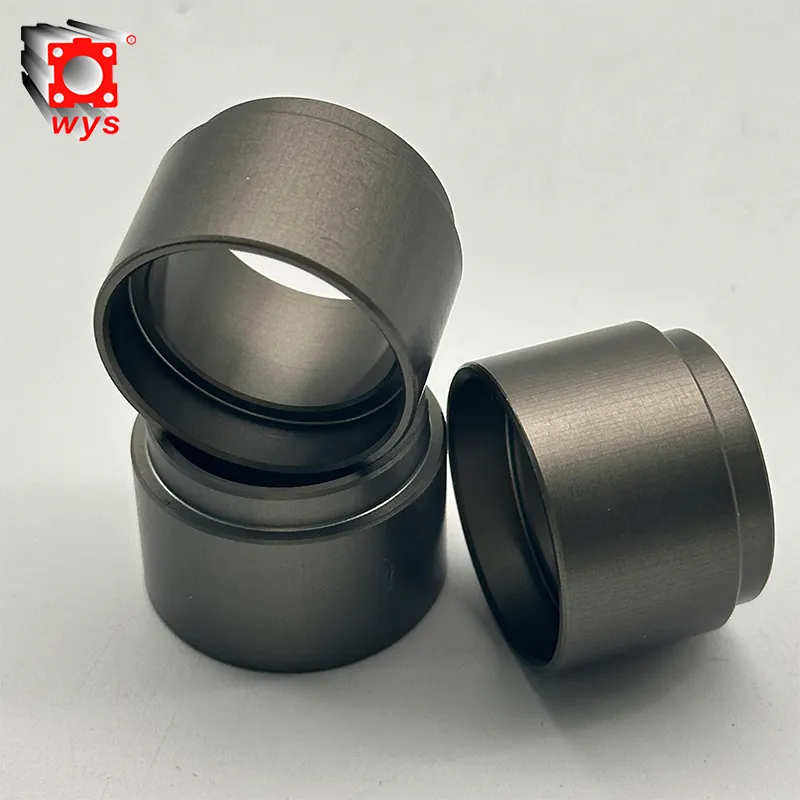
Are there any obvious signs that the pneumatic cylinder seal needs replacement?
Observing the operating status of the pneumatic cylinder is more reliable than a fixed cycle.
1. Air Leakage in the Pneumatic Cylinder
If the following occurs during the operation of the pneumatic cylinder:
• Continuous airflow noise
• Air leakage around the interface or cylinder body
It is very likely that the seal has failed.
2. Reduced Thrust or Weak Movement
When sealing performance deteriorates, air pressure cannot effectively act on the piston, manifesting as:
• Insufficient thrust
• Slower movement
This is often closely related to the aging of the seal ring.
3. Unsmooth Movement or Jamming
When the seal ring wears unevenly or hardens, it affects the internal friction of the pneumatic cylinder, leading to:
• Difficult starting
• Jamming during operation
4. Abnormal Appearance
If, during disassembly and inspection, the seal ring is found to be:
• Deformed
• Cracked
• Rough surface
• Reduced elasticity
This indicates it is no longer suitable for use.
What factors accelerate the wear of pneumatic cylinder seal rings?
Understanding these factors helps in more accurately determining when to replace them.
1. Poor Lubrication
If the pneumatic cylinder lacks proper lubrication:
• Increased friction
• Accelerated seal ring wear
However, excessive lubrication can also attract impurities, having the opposite effect.
2. Poor Air Quality
Compressed air contains:
• Moisture
• Oil
• Dust
All of these can negatively impact the seal ring.
3. Improper Installation
If the pneumatic cylinder is installed incorrectly:
• Uneven piston force
• Severe localized wear on the seal ring
4. Inappropriate Load
Prolonged overloading of the pneumatic cylinder can lead to:
• Abnormal internal pressure
• Excessive compression on the seal ring
What precautions should be taken when replacing a pneumatic cylinder seal ring?
Replacing a seal ring is not simply "replacing it with a new one"; the process is equally crucial.
1. Select Matching Sealing Material
Different pneumatic cylinders use different seal ring materials. It is essential to ensure:
• Size matching
• Material suitability for the working environment
2. Avoid Installation Damage
During installation:
• Do not pry with hard objects
• Avoid scratching the sealing surface
Otherwise, the new seal ring may quickly fail.
3. Clean the inside of the pneumatic cylinder
Before replacement, ensure the inside of the pneumatic cylinder is:
• Free of impurities
• Free of sludge
• Free of residual particles
Otherwise, the new seal ring will wear out quickly.
4. Proper Lubrication
When installing the seal ring:
• Adequate lubrication can reduce initial wear
• However, excessive lubrication is not recommended.
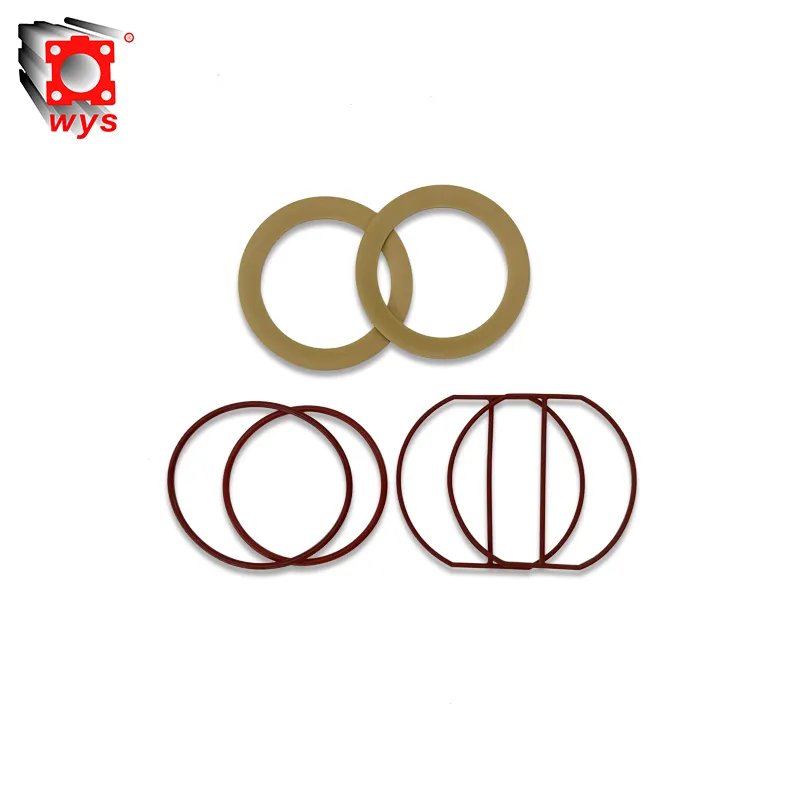
Why do some pneumatic cylinders still have problems after seal ring replacement?
Sometimes, even after replacing the seal ring, the pneumatic cylinder still exhibits abnormal behavior, which often indicates that the problem is not limited to the seal itself.
1. Damaged cylinder inner wall
If the pneumatic cylinder inner wall has:
• Scratches
• Scoring
The new seal ring will not function properly.
2. Uneven wear on the piston rod
An unevenly worn piston rod will cause abnormal stress on the seal ring.
3. Unresolved System Contamination
If impurities remain in the air source or piping:
• New seals will be recontaminated.
4. Uncorrected Installation Misalignment
Incorrect installation of the pneumatic cylinder will continuously affect the sealing performance.
Can the lifespan of the pneumatic cylinder seal ring be extended?
While the cylinder seal ring will eventually need to be replaced, its lifespan can be extended through proper maintenance.
1. Improve Air Source Cleanliness
Using a filter can reduce impurities entering the pneumatic cylinder.
2. Control Lubrication
Maintaining adequate lubrication helps reduce friction.
3. Regularly Check the Pneumatic Cylinder's Operating Status
Observing the operation allows for early detection of problems, rather than waiting until complete failure.
4. Maintain Installation Stability
Reducing off-center loading and unnecessary lateral forces helps protect the seal ring.