

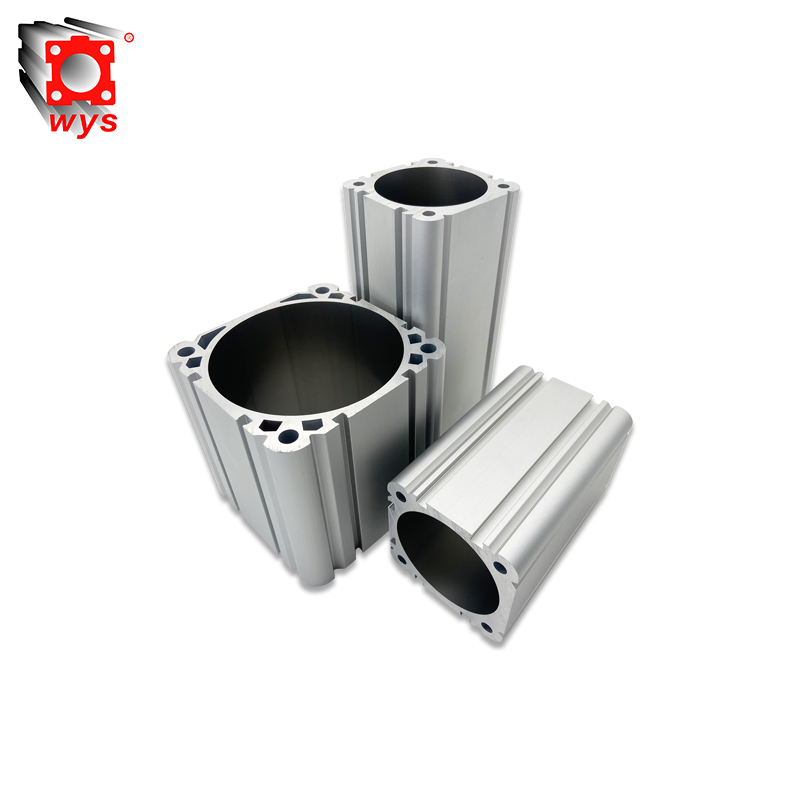
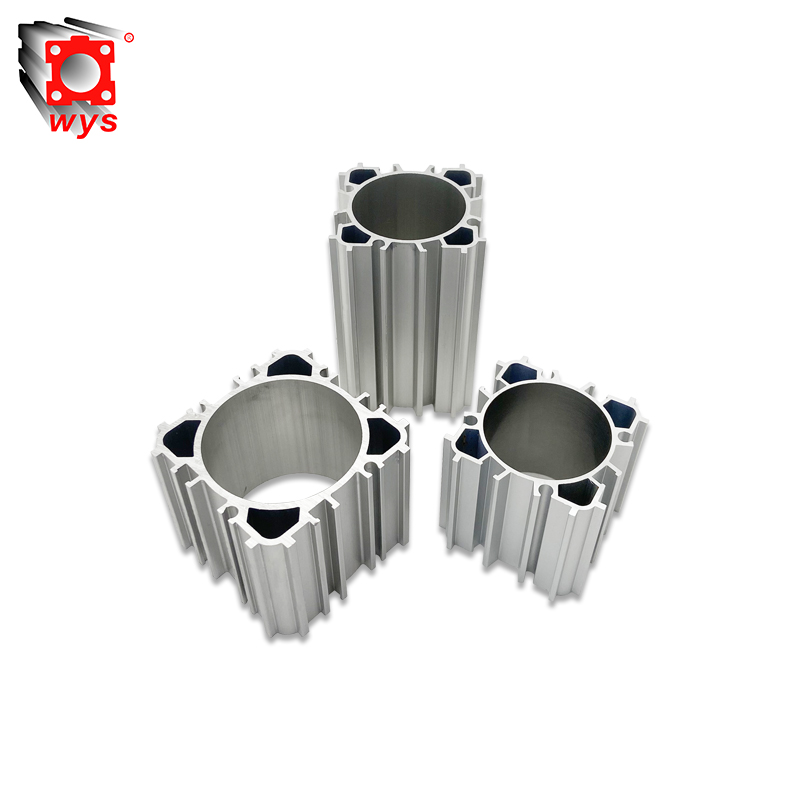
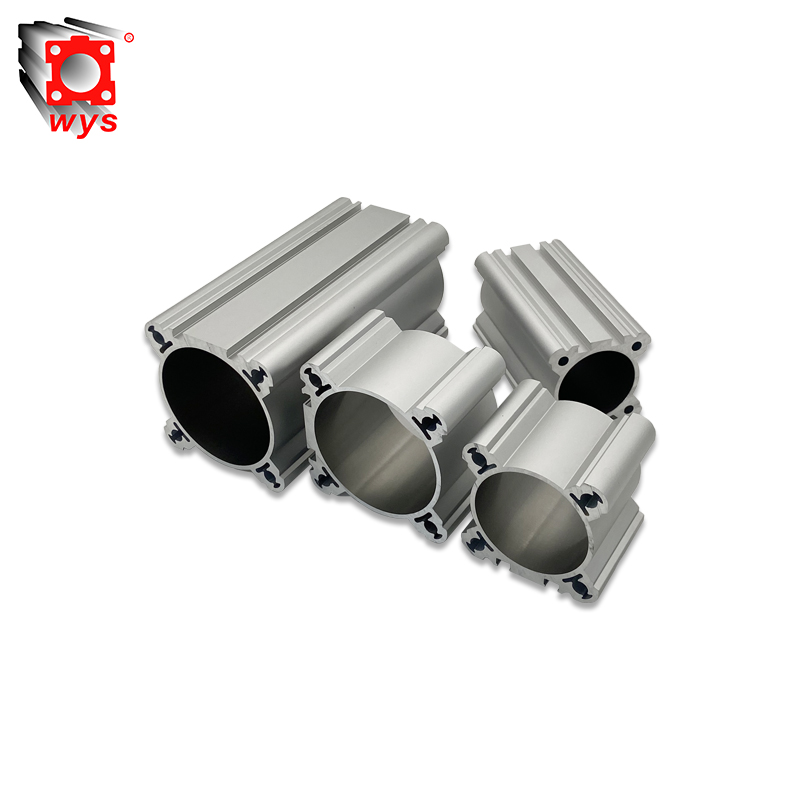
Pneumatic cylinders are very common actuators in industrial automation equipment. Pneumatic systems use compressed air to drive a piston to reciprocate inside the pneumatic cylinder barrel, thereby achieving various mechanical actions such as pushing, clamping, lifting, and positioning.
Due to their relatively simple structure, fast response speed, and low maintenance costs, pneumatic cylinders are widely used in packaging equipment, automated production lines, machinery manufacturing equipment, and various industrial machines.
However, during long-term use, pneumatic cylinder assemblies inevitably experience wear or damage. When a pneumatic cylinder malfunctions, many equipment operators wonder: can a damaged pneumatic cylinder assembly be repaired, or must it be replaced directly?
From the perspective of safety, stability, and equipment operating efficiency, failed pneumatic cylinders and damaged pneumatic cylinder assemblies must be replaced as soon as possible and should not be used or attempted with simple repairs.
Especially when the pneumatic cylinder barrel, piston assembly, or sealing system is severely damaged, continued use may pose a greater risk to the equipment.
A detailed analysis follows.
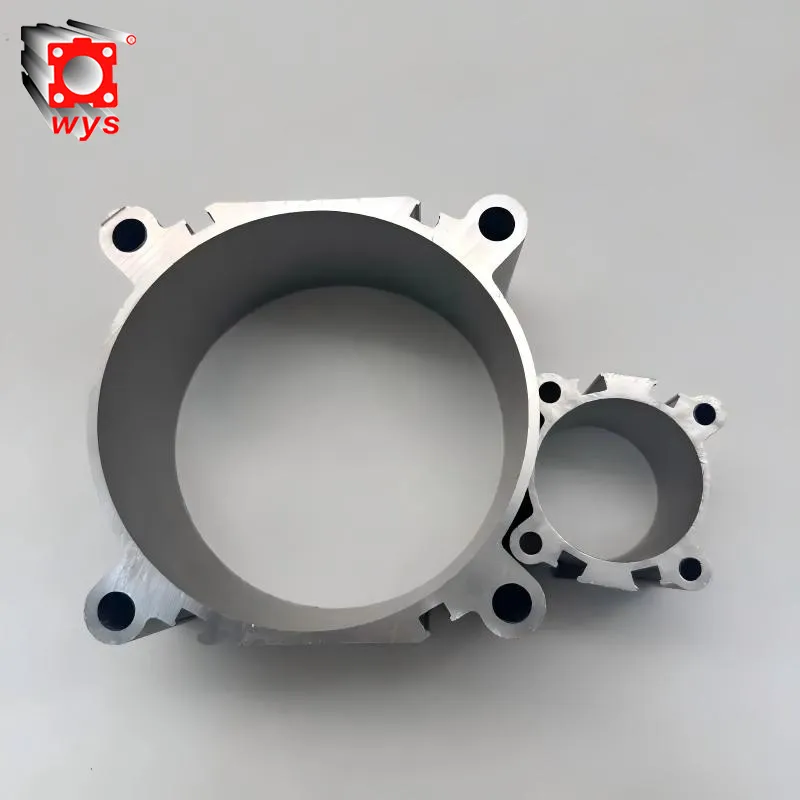
What is a pneumatic cylinder assembly?
A complete pneumatic cylinder typically consists of several key components, including:
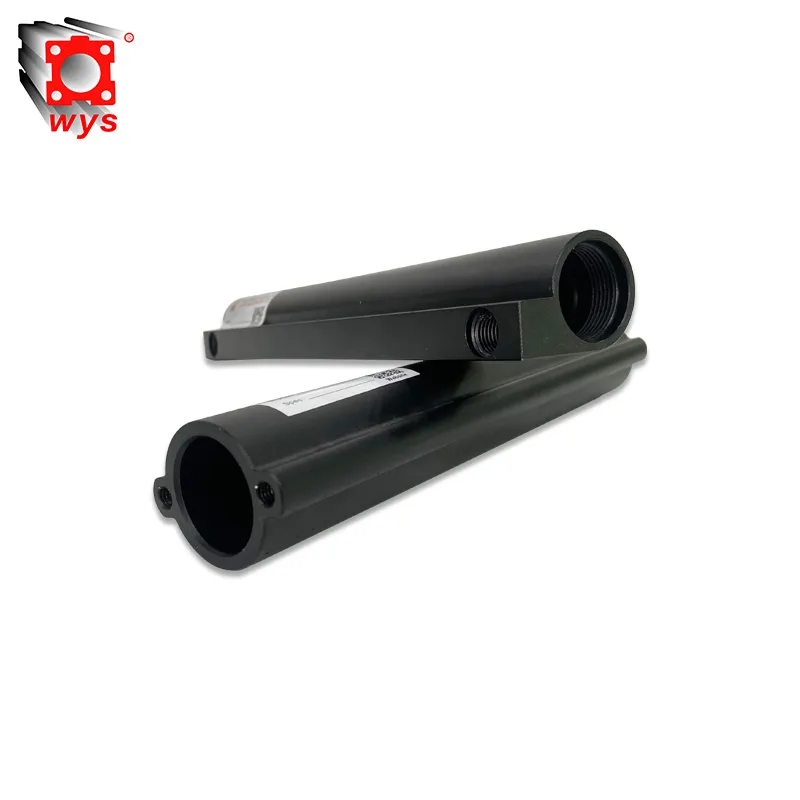
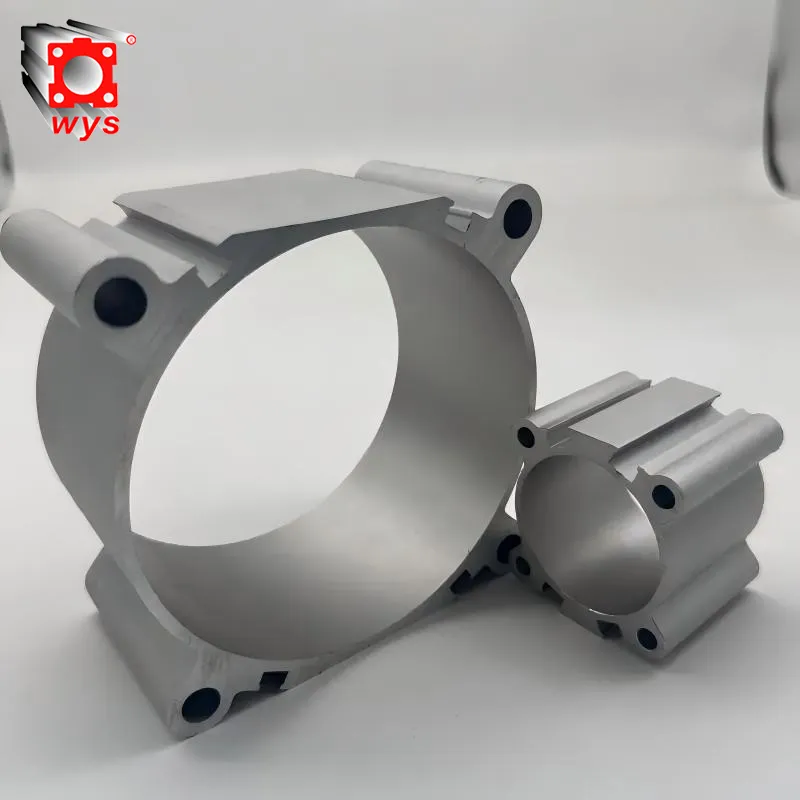
• Pneumatic cylinder barrel
• Piston
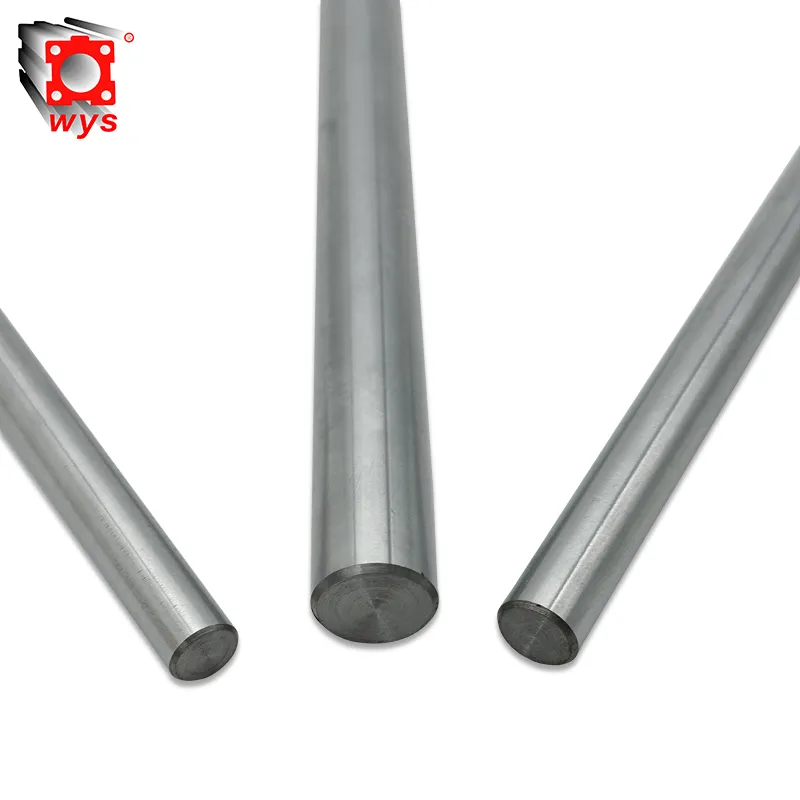
• Piston rod
• End cap
• Seals
• Guide sleeve
When the pneumatic system is operating, compressed air enters the pneumatic cylinder barrel, driving the piston. The piston rod transmits this motion to the mechanical structure, thus actuating the equipment.
The pneumatic cylinder barrel is the main structural component of the pneumatic cylinder. It provides the piston with the space to move and bears the pneumatic load. Therefore, the structural integrity of the pneumatic cylinder barrel is crucial for cylinder operation.
If any critical component of the pneumatic cylinder assembly is damaged, the normal operation of the cylinder will be affected.
What types of damage typically occur in pneumatic cylinder assemblies?
In industrial environments, pneumatic cylinders are subjected to frequent and prolonged movement, so the pneumatic cylinder assembly may gradually wear down or fail.
Common types of damage include:
• Seal wear
• Piston rod scratches
• Piston damage
• Cylinder barrel inner wall wear
• Cylinder end cap damage
Of these, pneumatic cylinder barrel damage is usually a more serious problem because it is a core component of the cylinder structure. Problems with the pneumatic cylinder barrel often affect the overall performance of the cylinder.
For example, if the inner wall of the pneumatic cylinder barrel is scratched or worn, the piston seal cannot maintain a proper seal during operation, leading to cylinder leakage.
Can a pneumatic cylinder assembly continue to be used after damage?
Many equipment operators may choose to continue using the equipment when they discover minor problems with the pneumatic cylinder assembly to avoid affecting production.
However, this practice is usually unsafe.
Even minor damage to a pneumatic cylinder assembly can pose risks such as:
• Reduced cylinder thrust
• Unstable cylinder movement
• Compressed air leakage
• Reduced equipment efficiency
If damage already exists inside the pneumatic cylinder barrel, the piston's movement within it may further amplify the damage.
Therefore, it is strongly advised against using the equipment if the pneumatic cylinder has failed.
Can a damaged pneumatic cylinder assembly be repaired?
In some cases, certain components of a pneumatic cylinder can indeed be repaired, such as replacing seals or making simple structural adjustments. However, when critical components are damaged, repairs often fail to restore original performance.
This is especially true when the pneumatic cylinder barrel is damaged, where repairs are typically very difficult.
The inner wall of the pneumatic cylinder barrel requires high-precision machined surfaces to ensure smooth piston movement and stable sealing. If the inner wall of the pneumatic cylinder barrel exhibits the following problems:
• Scratches
• Wear
• Deformation
Even simple grinding or repair will struggle to restore the original machining precision.
Furthermore, continued use of a pneumatic cylinder barrel if its structural strength is compromised may pose safety risks.
Therefore, in the event of a damaged pneumatic cylinder barrel, it is generally recommended to replace the entire cylinder assembly immediately.
Why must a damaged pneumatic cylinder assembly be replaced as soon as possible?
Will a damaged pneumatic cylinder barrel affect sealing performance?
The inner wall of the pneumatic cylinder barrel is the working surface of the seal. The piston seal ring needs to maintain tight contact with the inner wall of the pneumatic cylinder barrel to prevent compressed air leakage.
If the inner wall of the pneumatic cylinder barrel is damaged, the seal will not function properly, leading to cylinder leakage.
Leakage not only reduces cylinder efficiency but also increases compressed air consumption.
Will a damaged pneumatic cylinder assembly affect equipment safety?
In automated equipment, cylinders typically perform critical actions such as clamping, positioning, or pushing.
If a damaged pneumatic cylinder assembly continues to be used, it may cause the equipment to malfunction. For example:
• Insufficient thrust
• Delayed action
• Positional deviation
These problems can affect equipment safety.
What problems can a damaged pneumatic cylinder barrel cause?
The cylinder barrel is a core component of the cylinder structure, so its damage often has serious consequences.
When the pneumatic cylinder barrel is damaged, it may lead to:
• Uneven piston movement
• Rapid wear of seals
• Cylinder leakage
• Reduced cylinder efficiency
Furthermore, if there are deep scratches on the inner wall of the pneumatic cylinder barrel, the piston may be obstructed during movement, resulting in unstable cylinder operation.
Therefore, once damage to the pneumatic cylinder barrel is discovered, the cylinder assembly should be replaced promptly.
How to determine if a pneumatic cylinder assembly needs replacement?
During equipment maintenance, the following methods can be used to determine if a pneumatic cylinder assembly needs replacement.
First, check for obvious air leakage in the cylinder. Severe leakage indicates that the sealing system may have failed.
Second, observe whether the cylinder movement is smooth. If the piston jams or experiences abnormal friction while moving inside the pneumatic cylinder barrel, it likely indicates a problem with the cylinder barrel or piston assembly.
In addition, check the inner wall of the pneumatic cylinder barrel for scratches or wear. If the damage is severe, the pneumatic cylinder assembly usually needs to be replaced.
How to reduce the risk of pneumatic cylinder assembly damage?
While wear is inevitable in pneumatic cylinder assemblies during long-term use, proper maintenance can reduce the risk of damage.
Pneumatic cylinder assembly maintenance methods include:
• Keeping the air supply clean
• Regularly inspecting the cylinder sealing system
• Avoiding overloading the cylinder
Furthermore, choosing a high-quality pneumatic cylinder barrel and reliable cylinder assemblies can also extend the lifespan of the equipment.
A high-precision pneumatic cylinder barrel reduces piston friction, thereby reducing component wear.
What is Weiyingjia’s approach to energy-efficient components?
Weiyingjia manufactures aluminum pneumatic cylinders and kits with a focus on durability, precision, and energy efficiency. Our factory applies advanced CNC machining, hard anodizing, and polishing processes to ensure high performance. Buyers purchasing from our company for wholesale or brand projects receive components that meet strict quality standards, offer long service life, and deliver reliable operation.