

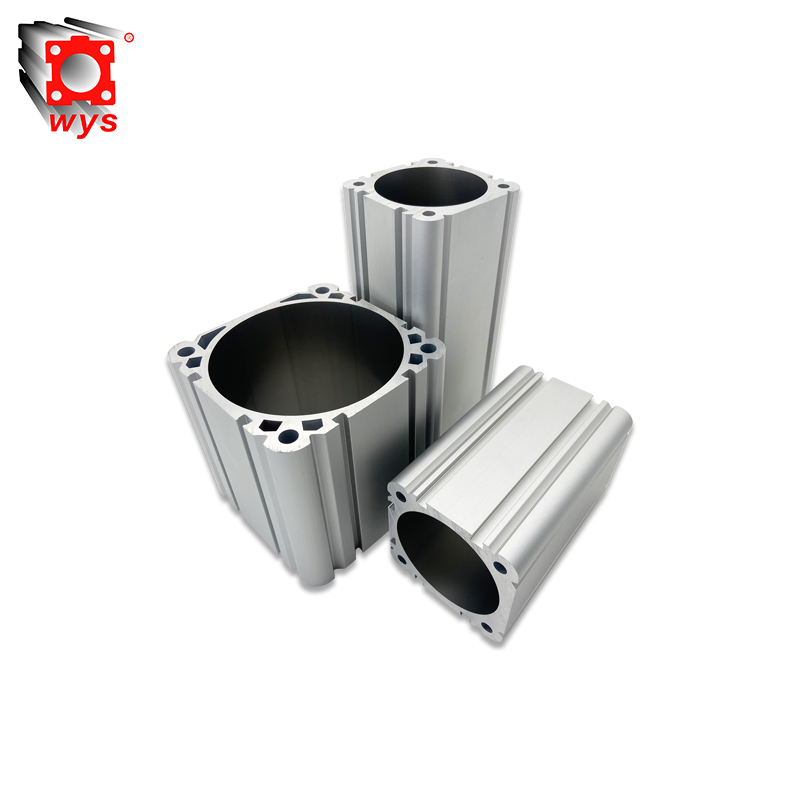
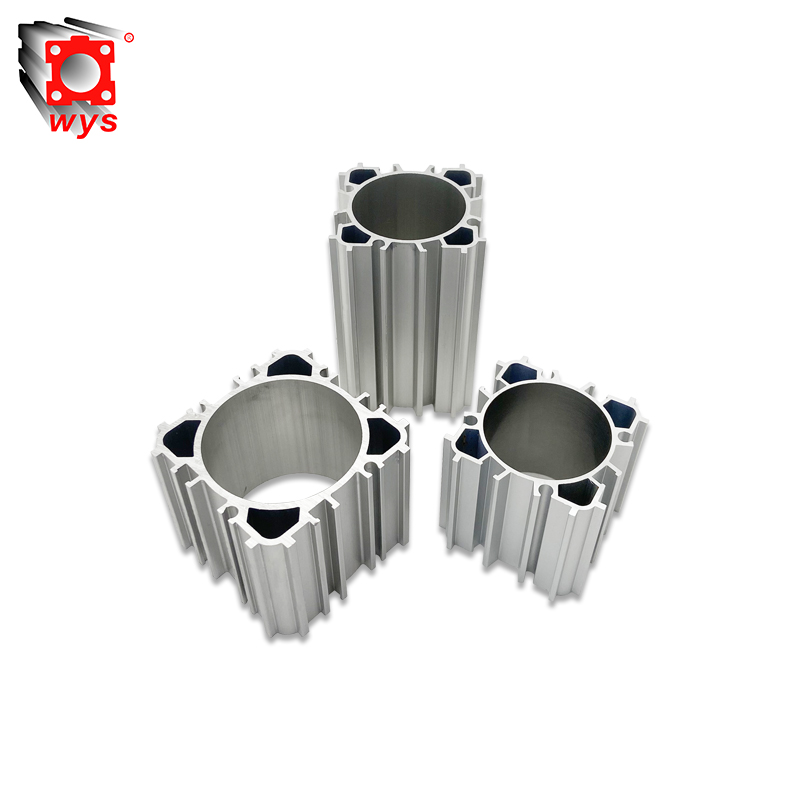
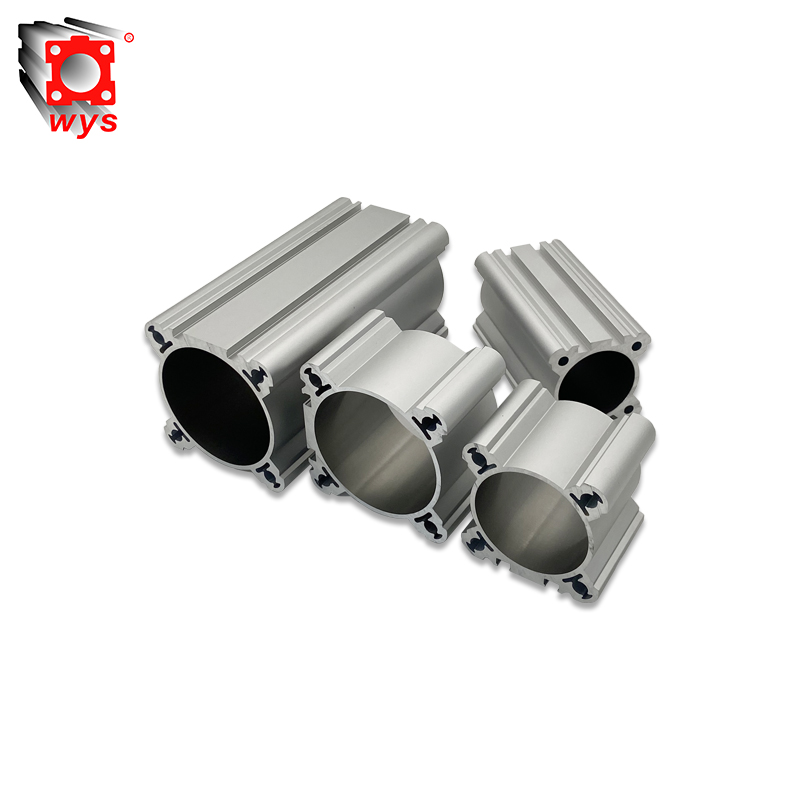
In pneumatic systems, cylinders are very common actuators. They use compressed air pressure to drive a piston, thus achieving linear motion or mechanical action. Inside the cylinder structure, there is a crucial but often overlooked component—the pneumatic cylinder liner. Many equipment maintenance personnel or those new to pneumatic technology often ask: What is the purpose of a pneumatic cylinder liner?
In fact, the pneumatic cylinder liner plays an extremely important role in the cylinder structure. It not only provides a movement channel for the piston but also directly affects the cylinder's sealing performance, operational stability, and service life. If the quality or condition of the pneumatic cylinder liner is compromised, the performance of the entire cylinder will be affected.
This article will provide a comprehensive analysis of the pneumatic cylinder liner's function, structural role, working principle, and importance in pneumatic systems, helping readers gain a deeper understanding of its practical role in pneumatic equipment.
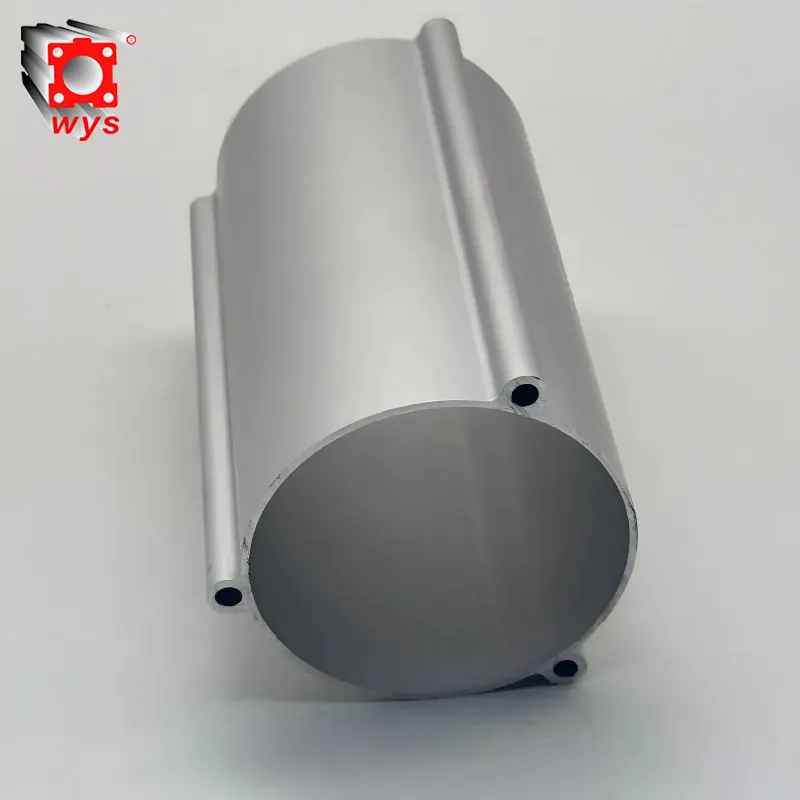
What component is the pneumatic cylinder liner in the cylinder structure?
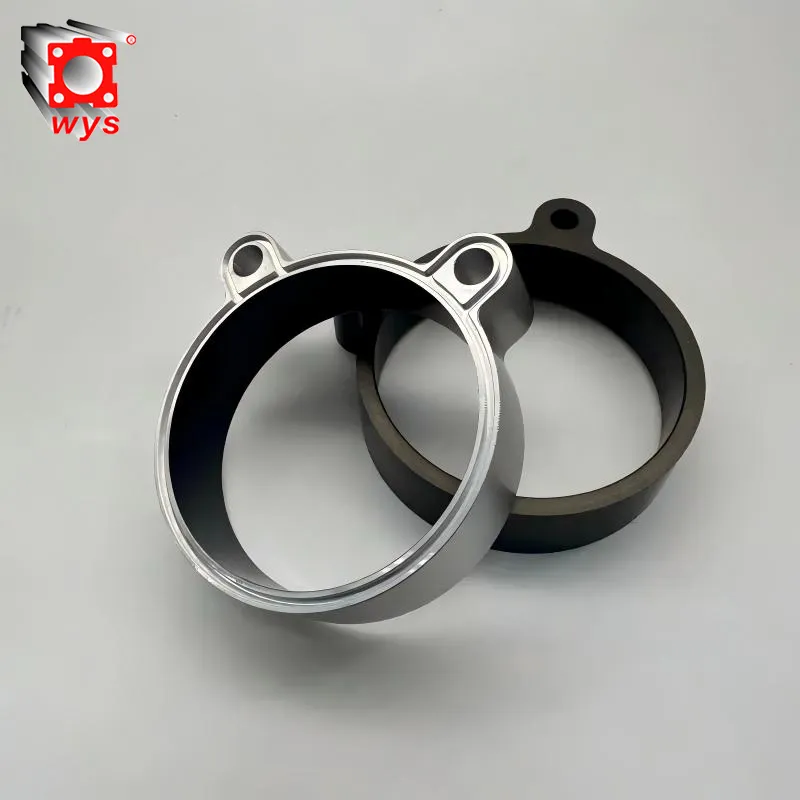
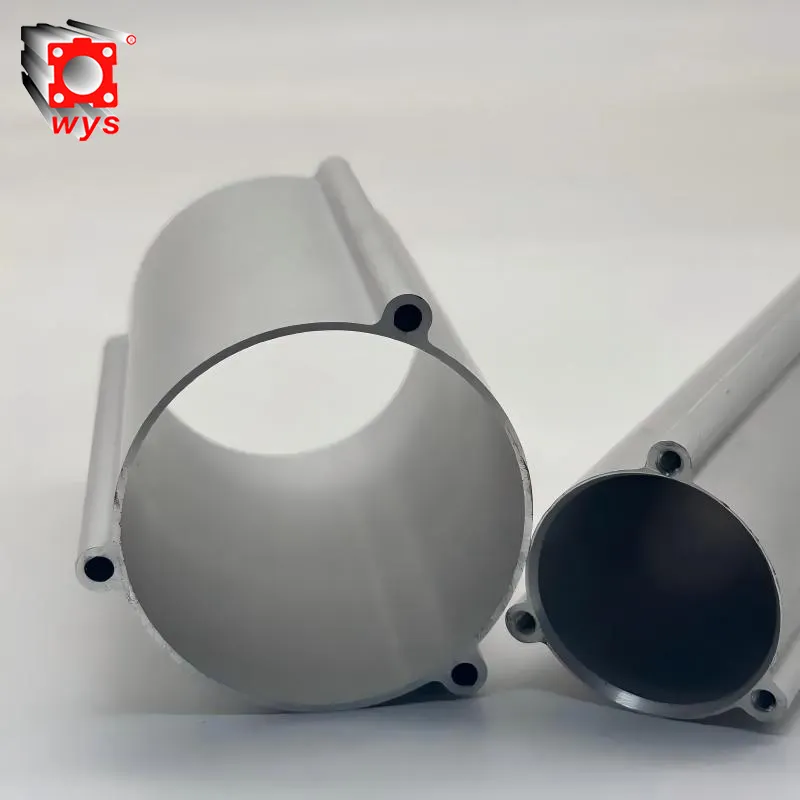
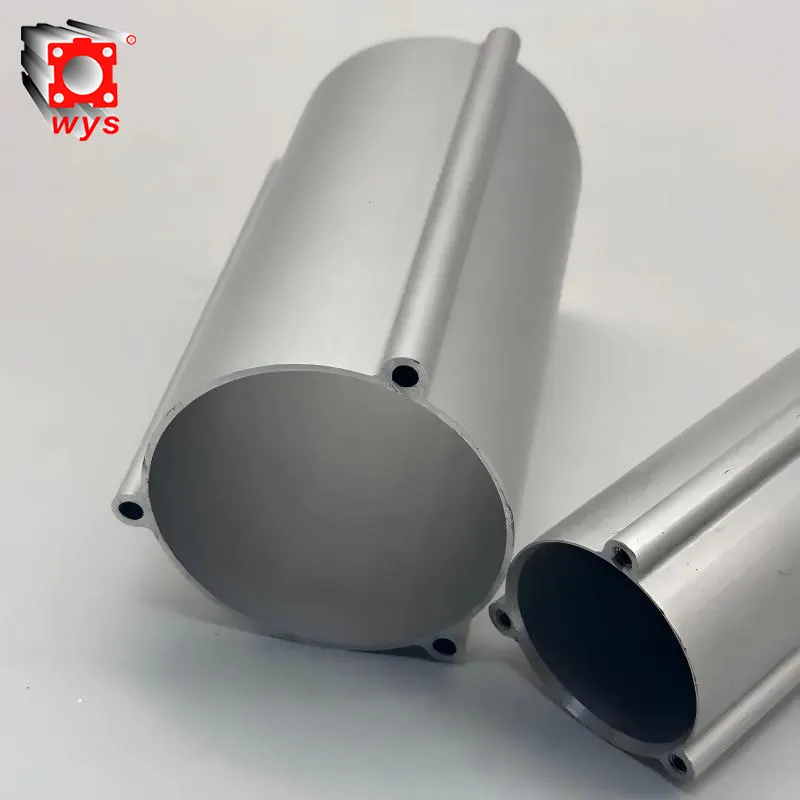
In the overall structure of a cylinder, the pneumatic cylinder liner typically refers to a core component located inside the cylinder body or forming the cylinder's inner wall. A pneumatic cylinder liner forms a cylindrical internal space, allowing the piston to reciprocate within it.
Pneumatic cylinder liners typically possess the following structural characteristics:
• Precision-machined inner walls
• High surface smoothness
• Good wear resistance
• Sufficient structural strength
During cylinder operation, compressed air enters the cylinder to propel the piston, while the pneumatic cylinder liner supports and restricts this movement. It can be said that the pneumatic cylinder liner is the core structure of the cylinder's internal operating environment.
Without a pneumatic cylinder liner, the piston cannot stably move linearly within the cylinder.
What is the main function of a pneumatic cylinder barrel?
The function of a pneumatic cylinder barrel is not merely to form a cylindrical space; it also undertakes several important tasks.
1. Providing a piston movement channel
The pneumatic cylinder liner provides a stable trajectory for the piston. The piston reciprocates within the pneumatic cylinder barrel, transmitting power to external devices via the piston rod.
If the internal surface of the pneumatic cylinder liner is uneven or damaged, the stability of the piston's movement will be affected.
2. Maintaining a Sealed Environment Inside the Cylinder
The pneumatic cylinder liner and cylinder seals work together to form a sealing structure, ensuring that compressed air does not leak from inside the cylinder.
When the inner wall of the pneumatic cylinder liner is in good condition, the seals can fit tightly, ensuring good cylinder sealing performance.
3. Withstanding Internal Air Pressure
The pneumatic cylinder liner needs to withstand the pressure generated by compressed air during cylinder operation. Therefore, the pneumatic cylinder liner must have sufficient strength and stability.
Insufficient structural strength of the pneumatic cylinder liner may lead to cylinder deformation or damage.
Why Do Pneumatic Cylinder Liners Require High-Precision Machining?
The machining accuracy of the inner wall of the pneumatic cylinder liner has a significant impact on cylinder performance.
Typically, the inner wall of the pneumatic cylinder liner needs to meet high machining standards, such as:
• High roundness
• Good straightness
• Suitable surface roughness
These machining accuracy requirements directly affect the piston's movement inside the pneumatic cylinder barrel.
Insufficient machining precision of pneumatic cylinder barrels can lead to the following problems:
• Increased piston movement resistance
• Accelerated seal wear
• Instable cylinder movement
Therefore, the machining quality of pneumatic cylinder barrels is usually a very important indicator during cylinder manufacturing.
Does a pneumatic cylinder barrel affect cylinder sealing performance?
The answer is: Yes.
A sealing fit is formed between the pneumatic cylinder barrel and the seal. If the inner wall surface of the pneumatic cylinder barrel is smooth and dimensionally accurate, the seal can maintain stable contact, resulting in a good sealing effect.
Conversely, if the pneumatic cylinder barrel has the following conditions:
• Surface scratches
• Inner wall wear
• Dimensional deviations
This can cause the seal to malfunction.
When the sealing effect decreases, compressed air inside the cylinder may leak, which will affect the cylinder's output force and operating efficiency.
Therefore, the condition of the pneumatic cylinder barrel directly affects the performance of the cylinder sealing system.
How does a pneumatic cylinder barrel affect cylinder movement stability?
Cylinder movement stability depends not only on the air source pressure but also on the internal environment of the pneumatic cylinder barrel.
When the inner wall of a pneumatic cylinder barrel remains smooth and its structure is stable, the piston experiences less friction during movement, resulting in smoother motion.
However, if the pneumatic cylinder barrel suffers from the following problems:
• Rough inner wall
• Localized wear
• Structural deformation
The piston may experience jamming or vibration during movement.
This not only affects the cylinder's motion accuracy but may also accelerate seal wear.
Therefore, the pneumatic cylinder liner plays a crucial role in maintaining cylinder motion stability.
Does the pneumatic cylinder liner affect cylinder lifespan?
The quality and condition of the pneumatic cylinder liner directly affect the overall lifespan of the cylinder.
During long-term operation, the pneumatic cylinder liner will be subjected to the following loads:
• Piston friction
• Internal air pressure
• Temperature changes
If the pneumatic cylinder liner material has good wear resistance and the inner wall remains in good condition, the cylinder's lifespan will typically be longer.
Conversely, severe wear on the inner wall of the pneumatic cylinder liner can lead to:
• Seal damage
• Unstable piston movement
• Reduced cylinder efficiency
Therefore, the condition of the pneumatic cylinder liner is a crucial factor to consider during cylinder maintenance.
Why does a pneumatic cylinder barrel require good surface quality?
The surface quality of the pneumatic cylinder barrel directly affects the internal friction of the cylinder.
If the surface of the pneumatic cylinder barrel is too rough, it can lead to the following problems:
• Increased friction
• Increased piston movement resistance
• Accelerated seal wear
Therefore, pneumatic cylinder liners typically undergo special processing to achieve a better surface quality.
When the inner wall of the pneumatic cylinder liner remains smooth, friction can be effectively reduced, and the service life of the seals can be extended.
Where does the importance of the pneumatic cylinder barrel lie in a pneumatic system?
Although the pneumatic cylinder barrel is only a structural component inside the cylinder, its role is critical.
The importance of pneumatic cylinder barrels is mainly reflected in the following aspects:
• Providing a stable piston motion environment
• Maintaining the internal sealing of the cylinder
• Withstanding compressed air pressure
• Ensuring cylinder motion accuracy
If the pneumatic cylinder liner malfunctions, the cylinder often fails to function properly.
Therefore, checking the condition of the pneumatic cylinder liner is an important task in the maintenance of pneumatic equipment.
Why is the pneumatic cylinder barrel considered a core structure of the cylinder?
Among all the structures of a cylinder, the pneumatic cylinder barrel is generally considered one of the core structures.
The reasons are:
1. Piston motion depends entirely on the pneumatic cylinder barrel.
2. The sealing system relies on the pneumatic cylinder barrel for operation.
3. Cylinder pressure is borne by the pneumatic cylinder barrel.
In other words, the pneumatic cylinder barrel forms the basis of the internal operating environment of the cylinder.
If the pneumatic cylinder barrel structure is stable and its surface condition is good, the cylinder can usually maintain stable operation.
Can Weiyingjia handle international purchasing needs?
Yes. Weiyingjia has supplied high-quality aluminum alloy pneumatic components to clients worldwide for over 15 years. Our factory features six production lines, advanced testing equipment, and skilled technical staff. Buyers purchasing from our company benefit from durable, precision-engineered products, competitive prices, and professional sales support.