

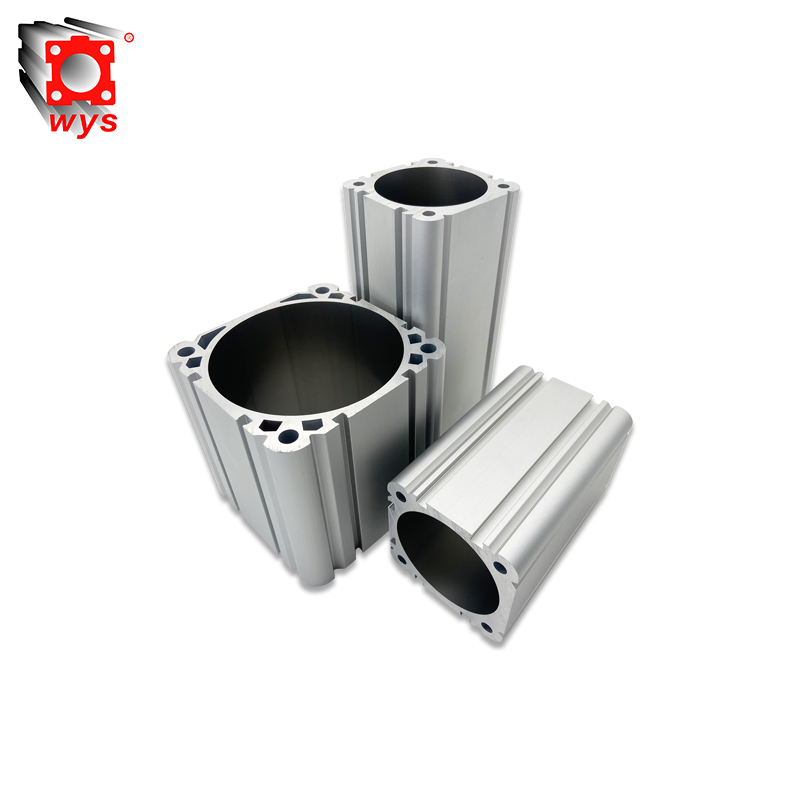
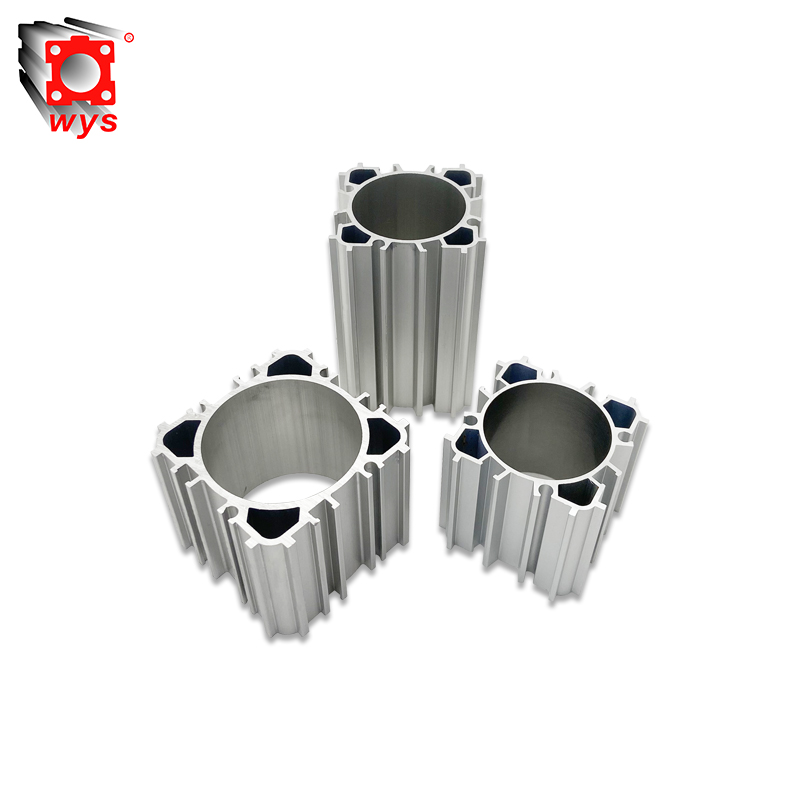
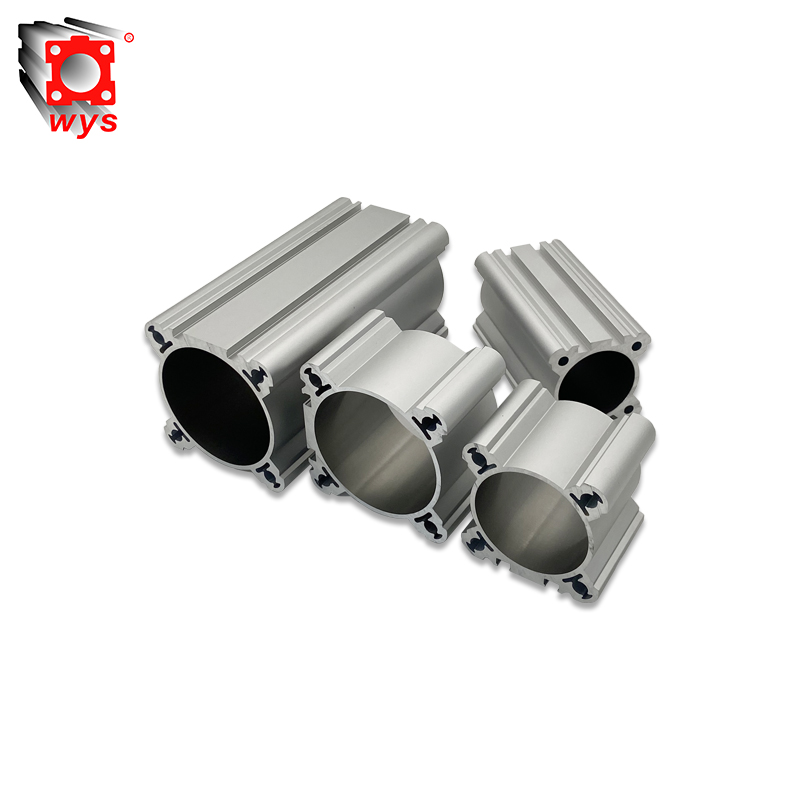
In various types of industrial automation equipment, pneumatic systems are widely utilized due to their advantages, such as rapid response speeds and simple structures. Within these pneumatic systems, the air cylinder serves as the actuator; consequently, the stability of its performance directly impacts the operational status of the entire equipment assembly. Specifically, the pneumatic cylinder barrel—one of the core structural components of the cylinder—is a critical element for maintaining the internal air pressure environment and ensuring stable motion.
However, during actual operation, a relatively common issue arises in many pieces of equipment: air leakage from the pneumatic cylinder tube. While this problem may appear simple on the surface, it often stems from a multitude of underlying factors. If not addressed properly, such leakage not only impairs the cylinder's operation but may also reduce system efficiency and even trigger cascading failures.
So, what exactly are the causes of air leakage in pneumatic cylinder barrels? Is it a sealing issue, a structural defect, or a consequence of the operating environment? This article will provide an in-depth analysis—from multiple perspectives—of the common causes of pneumatic cylinder tube leakage, while systematically outlining the mechanisms through which these issues manifest.
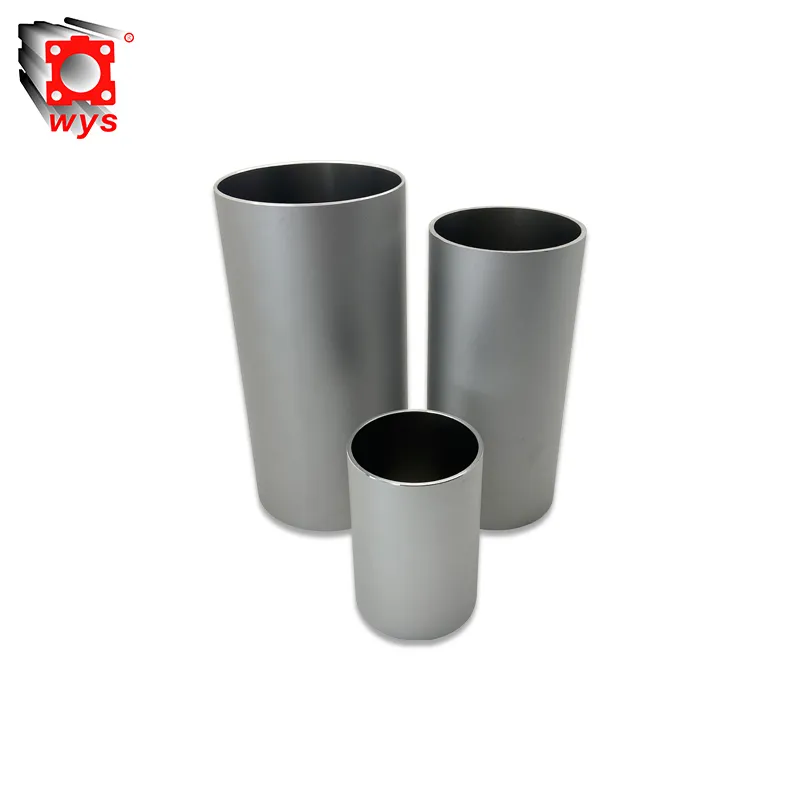
Where Do Air Leaks in Pneumatic Cylinder Barrels Typically Occur?
The pneumatic cylinder barrel itself is a closed structure; however, during the assembly process, it must interface with various other components. Consequently, air leakage typically manifests at the following locations:
•The junction between the cylinder barrel and the end cap
•The point where the piston rod extends outward
•Areas on the cylinder barrel surface exhibiting cracks
•The contact surfaces of the sealing elements
These locations often represent critical nodes within the cylinder's sealing system; should a failure occur at any one of these points, it can result in gas leakage.
Why Does Seal Failure in Pneumatic Cylinder Barrels Lead to Leakage?
One of the most direct causes of air leakage in pneumatic cylinder barrels is seal failure.
Inside the cylinder, a sealed chamber is formed between the cylinder barrel and the sealing elements. When the sealing system functions correctly, compressed air is effectively contained within the cylinder barrel.
However, if the sealing elements encounter any of the following issues:
•Wear and tear
•Aging/degradation
•Deformation
•Improper installation
the sealing surfaces may fail to make complete contact with the cylinder barrel, thereby creating a leakage path.
Furthermore, a compromised internal surface condition of the cylinder barrel itself can also adversely affect sealing effectiveness. Thus, issues related to the seals and the physical condition of the cylinder barrel are often inextricably linked.
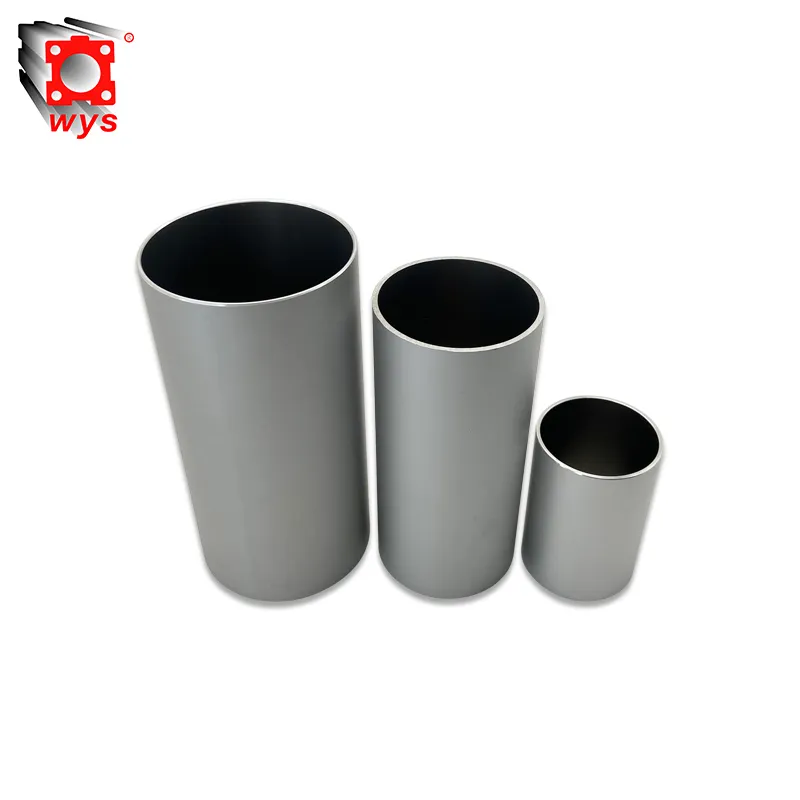
Can Damage to the Inner Wall of the Pneumatic Cylinder Barrel Cause Air Leakage?
The answer is a definitive yes. The inner wall of a pneumatic cylinder barrel serves as the working surface that comes into direct contact with the sealing components. If the inner wall of the pneumatic cylinder barrel exhibits any of the following conditions:
•Scratches
•Wear
•Corrosion
the original sealing contact state will be compromised.
When the sealing components pass over these damaged areas, they may fail to form an effective seal, thereby allowing gas to leak from that specific region.
Therefore, the quality of the pneumatic cylinder tube's inner wall is critical for preventing gas leakage.
Can issues with the pneumatic cylinder's connection structure lead to gas leakage?
In addition to internal factors, the manner in which the pneumatic cylinder connects to other components also impacts its sealing performance.
Pneumatic cylinders are typically connected to the rest of the assembly via end caps. If there are issues with the connection structure—such as:
•Uneven tightening
•Loose bolts
•Assembly misalignment
—minute gaps may form between the pneumatic cylinder tube and the end cap.
Under the influence of pneumatic pressure, these gaps can become conduits for gas escape, thereby triggering leakage issues.
Consequently, the stability of the connection structure is another significant factor influencing the sealing performance of the pneumatic cylinder.
Can issues with the pneumatic cylinder's materials or manufacturing process lead to gas leakage?
The choice of materials and the manufacturing quality of a pneumatic cylinder directly determine its sealing performance and structural integrity.
If the pneumatic cylinder suffers from any of the following issues during the manufacturing process:
•Insufficient machining precision of the inner wall
•Surface roughness that fails to meet specifications
•Material defects
the effectiveness of the sealing components may be compromised.
Furthermore, if the material strength of the pneumatic cylinder is inadequate, prolonged use may result in:
•Deformation
•Micro-cracks
•Localized damage
All of these issues increase the risk of gas leakage.
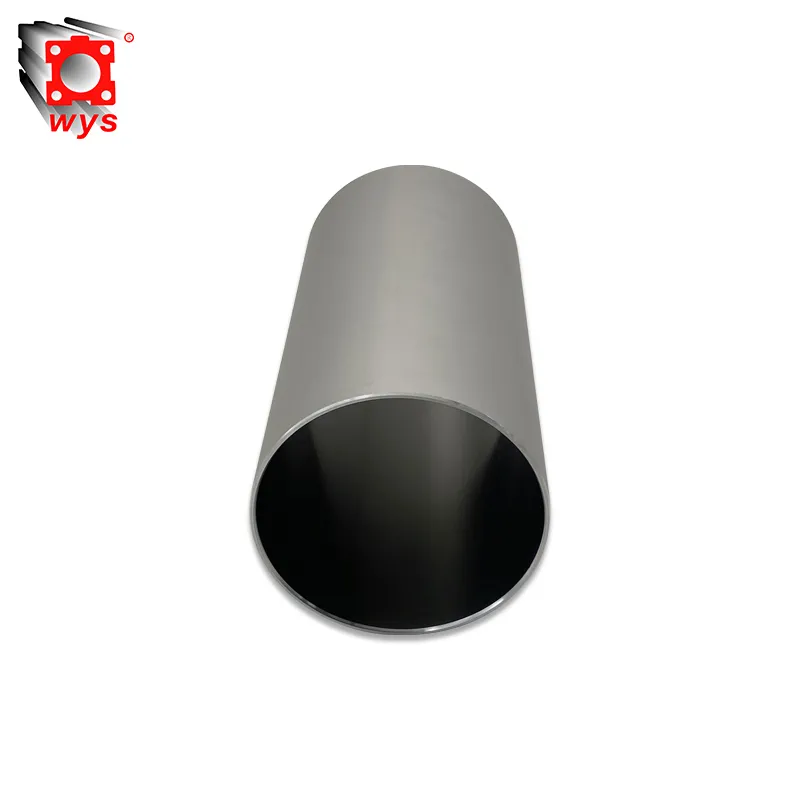
Can the operating environment affect gas leakage in pneumatic cylinders?
The operating environment of a pneumatic cylinder has a significant impact on its performance.
Pneumatic cylinders are more susceptible to gas leakage issues when exposed to the following environmental conditions:
1. Humid Environments
Moisture ingress into the interior of the pneumatic cylinder can lead to corrosion, thereby damaging the sealing surfaces.
2. Dusty Environments
If dust enters the pneumatic cylinder, it may scratch the inner wall or damage the sealing components.
3. High-Temperature Environments
Elevated temperatures can accelerate the aging of sealing materials, thereby compromising their sealing effectiveness. These environmental factors gradually affect the condition of the pneumatic cylinder barrel, thereby increasing the risk of air leakage.
Is air leakage in a pneumatic cylinder tube related to air pressure?
The level of air pressure is also a significant factor influencing air leakage in pneumatic cylinder tubes.
When a cylinder operates under high-pressure conditions:
•Seals are subjected to greater stress.
•Sealing surfaces are more prone to deformation.
•Minute defects are more likely to develop into leakage points.
If the pneumatic cylinder tube itself possesses minor defects, these issues may be exacerbated under high-pressure conditions, leading to significant air leakage. Therefore, air pressure conditions are closely linked to the sealing performance of the pneumatic cylinder tube.
Does prolonged use of a pneumatic cylinder tube lead to air leakage?
During long-term operation, pneumatic cylinder tubes inevitably undergo wear and aging.
As usage time increases, the following changes may occur:
•Wear on the inner wall.
•Increased surface roughness.
•Degraded precision of the seal fit.
These changes gradually diminish the sealing performance of the pneumatic cylinder tube.
Consequently, air leakage in a pneumatic cylinder tube is sometimes not a sudden occurrence, but rather the result of long-term accumulation.
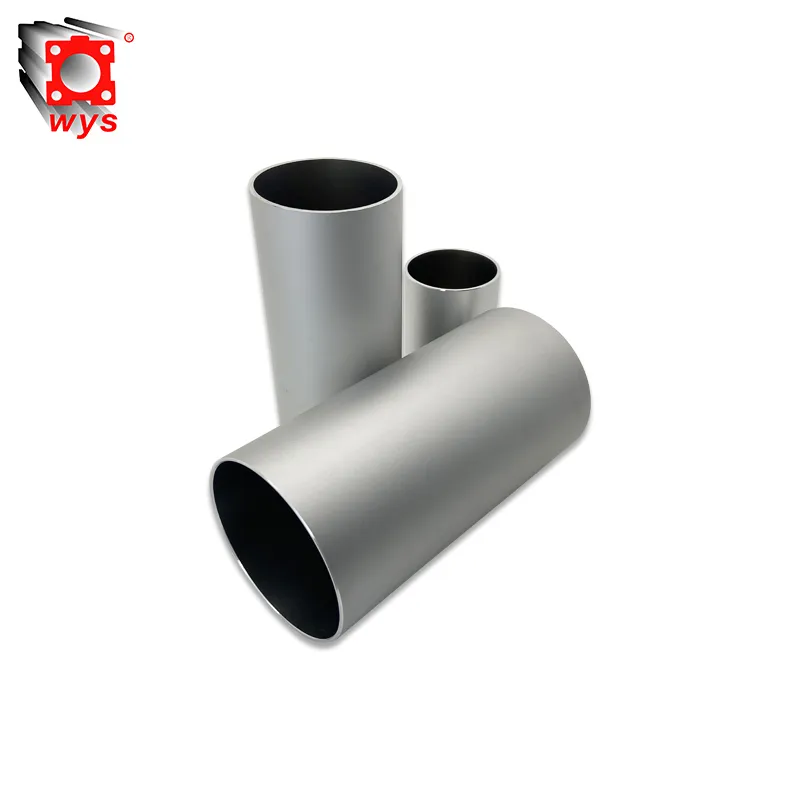
How can one diagnose the cause of air leakage in a pneumatic cylinder barrel based on observed symptoms?
Although the causes of air leakage in pneumatic cylinder barrels are complex, a preliminary diagnosis can be made by observing specific symptoms.
For example:
•Leakage at the piston rod → May indicate an issue with the seals.
•Leakage at the cylinder end cap → May indicate a connection issue.
•Increased overall leakage → May indicate an issue with the inner wall of the cylinder barrel.
By observing the location of the leakage and the operating status, one can analyze the source of the problem in a more targeted manner.
We Are Sincerely Seeking Agents. Welcome To Inquire.