

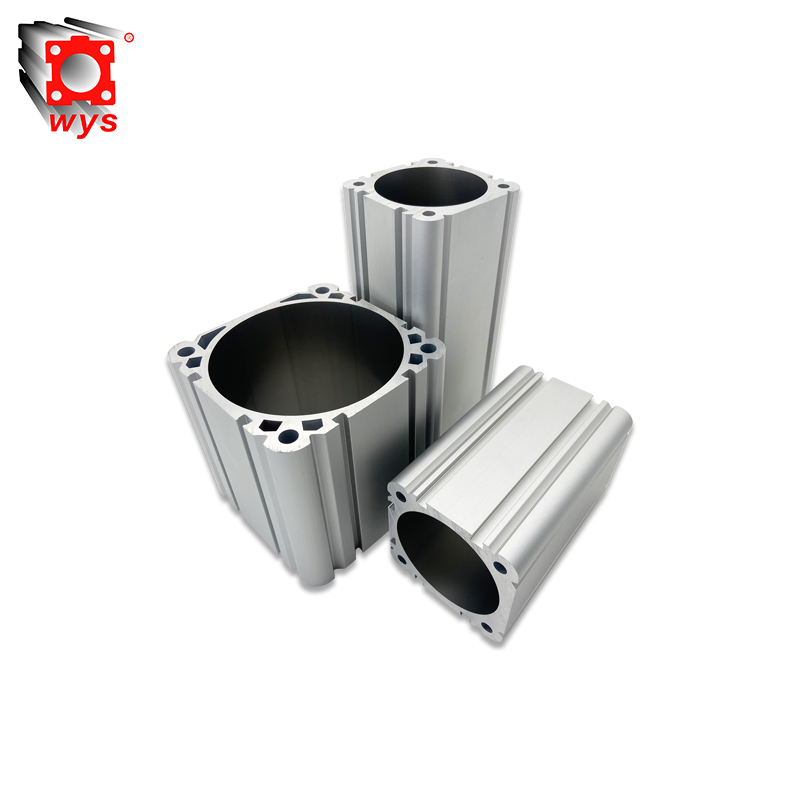
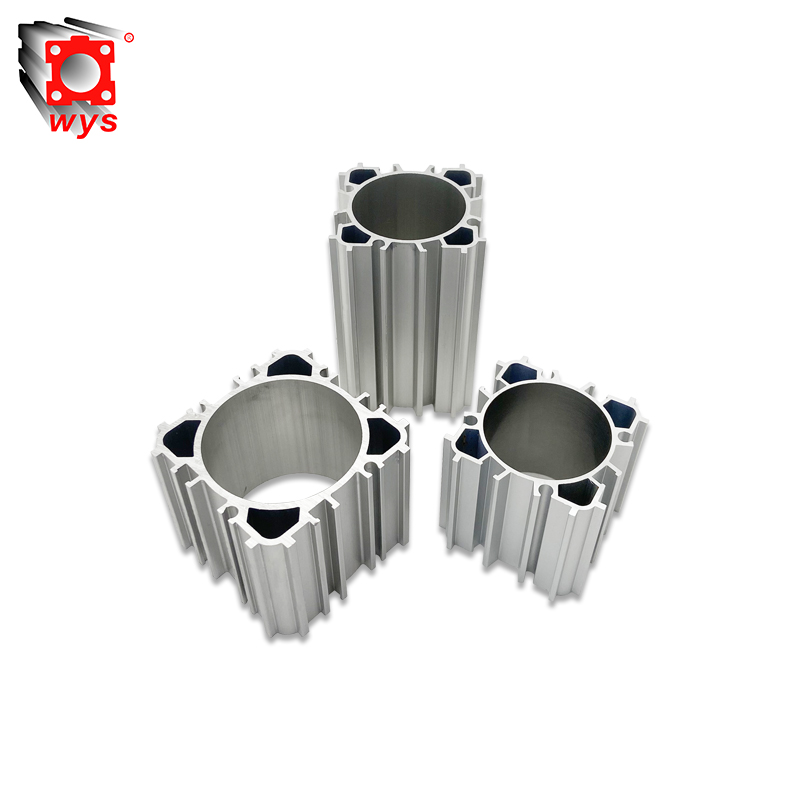
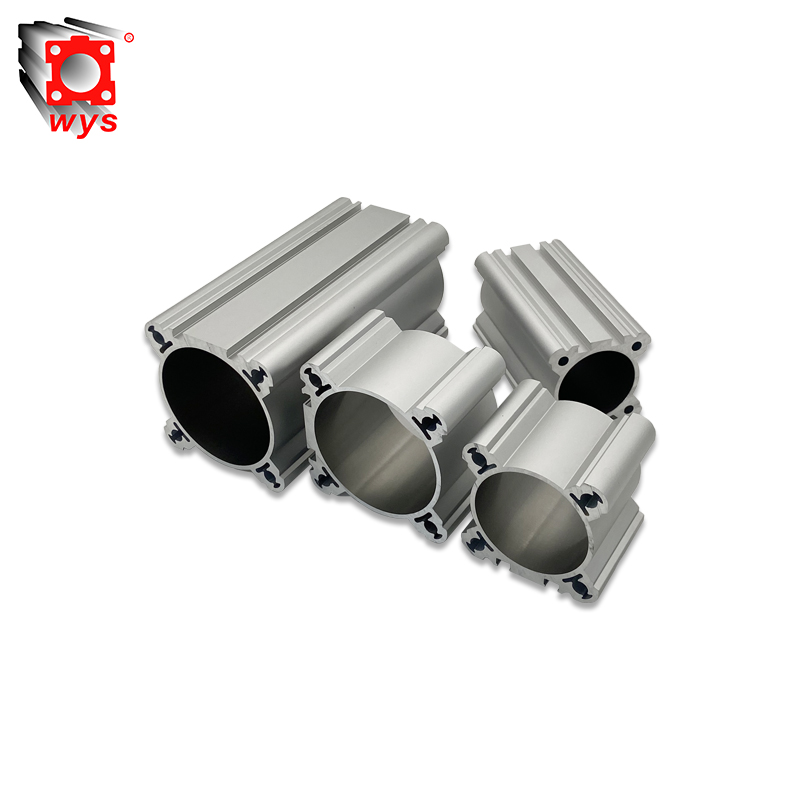
In pneumatic systems, cylinders are one of the most common actuators, and the pneumatic cylinder tube is the most crucial component of the cylinder structure. The pneumatic cylinder barrel not only bears pressure but also provides a precise trajectory for the piston and ensures a sealed environment inside the cylinder.
During long-term use, if the equipment is subjected to impact, abnormal load, or improper installation, the pneumatic cylinder barrel may deform. Once deformed, the internal movement and sealing of the cylinder will be affected.
Many equipment maintenance personnel have a question when encountering this situation: Can a deformed pneumatic cylinder tube be repaired, or must it be replaced?
From an engineering maintenance and mechanical structure safety perspective, although some minor problems can theoretically be repaired by machining, in most cases, a deformed pneumatic cylinder barrel is better suited for direct replacement than repair.
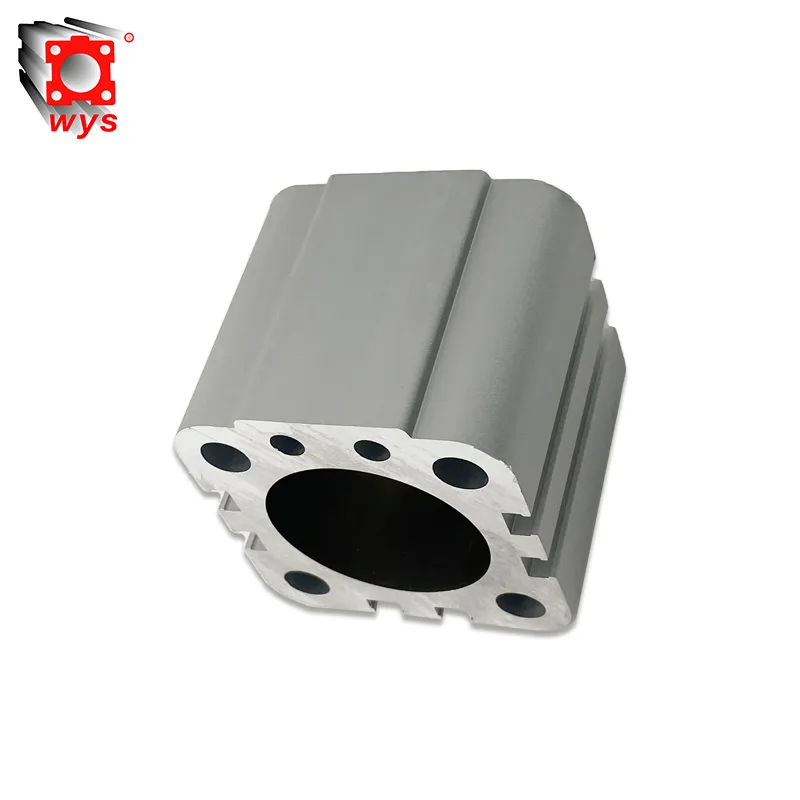
What is pneumatic cylinder barrel deformation?
In a pneumatic cylinder structure, the pneumatic cylinder barrel is a precision cylindrical structure that needs to maintain very stable geometric precision internally.
Under normal circumstances, the inner bore of a pneumatic cylinder barrel should possess the following characteristics:
• Good roundness
• Stable straightness
• Precise inner diameter
• Smooth inner wall surface
When a pneumatic cylinder tube is subjected to external impact, excessive load, or installation stress, its structure may change, resulting in deformation.
Pneumatic cylinder tube deformation typically manifests as:
• Ovalization of the inner bore
• Localized dents
• Axis bending
• Localized bulging
These problems all affect the normal movement of the piston inside the pneumatic cylinder barrel.
Why does a pneumatic cylinder barrel deform?
Pneumatic cylinder barrel deformation is usually caused by a variety of factors, with the following being common causes:
1. External Mechanical Impact
During equipment handling, installation, or operation, if the pneumatic cylinder barrel is subjected to impact, it may cause structural deformation.
Especially for aluminum alloy pneumatic cylinder barrels, whose impact resistance is relatively limited, a large impact can easily lead to localized deformation.
2. Excessive Load
Pneumatic cylinders are typically only suitable for loads within a specified range. If overload occurs during operation, the piston and piston rod may apply additional pressure to the pneumatic cylinder barrel.
Prolonged overload operation may cause gradual deformation of the pneumatic cylinder barrel.
3. Improper Installation
The following problems during pneumatic cylinder barrel installation can also lead to deformation:
• Uneven mounting bracket
• Uneven tension on fixing bolts
• Cylinder axis misalignment
These conditions may subject the pneumatic cylinder barrel to additional stress during operation.
4. Long-Term Wear
Severe wear on the inner wall of the pneumatic cylinder barrel during long-term operation can also lead to localized structural changes, resulting in deformation.
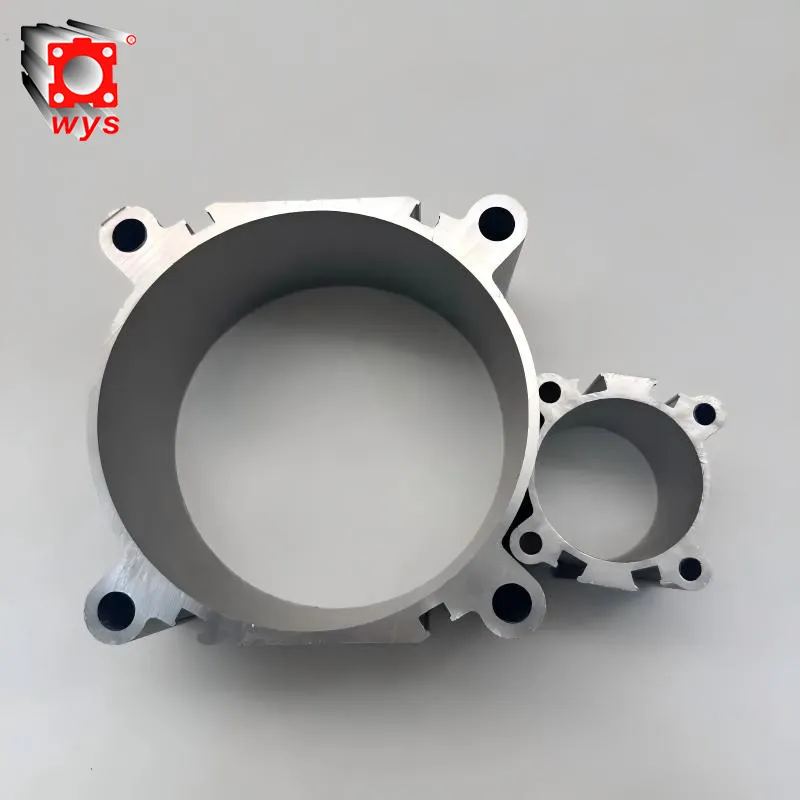
What are the effects of pneumatic cylinder tube deformation?
When the pneumatic cylinder tube deforms, the cylinder's operating condition will be significantly affected.
Problems caused by pneumatic cylinder tube deformation:
1. Unsmooth piston movement
If the inner bore of the pneumatic cylinder tube is elliptical or bent, the piston may jam during movement.
2. Reduced sealing performance
If the inner wall of the pneumatic cylinder barrel deforms, the contact state between the seal and the inner wall will change, leading to gas leakage.
3. Increased friction
A deformed pneumatic cylinder barrel may cause uneven contact between the piston and the inner wall, increasing frictional resistance.
4. Unstable cylinder operation
When the precision of the pneumatic cylinder barrel decreases, the cylinder's thrust, speed, and positioning accuracy will all be affected.
Can pneumatic cylinder barrel deformation be repaired through machining?
Theoretically, some mechanical structural deformations can be repaired through machining methods, such as:
• Boring
• Honing
• Straightening
These methods can indeed be used in some large mechanical structures.
However, for pneumatic cylinder barrels, this repair method is generally not ideal.
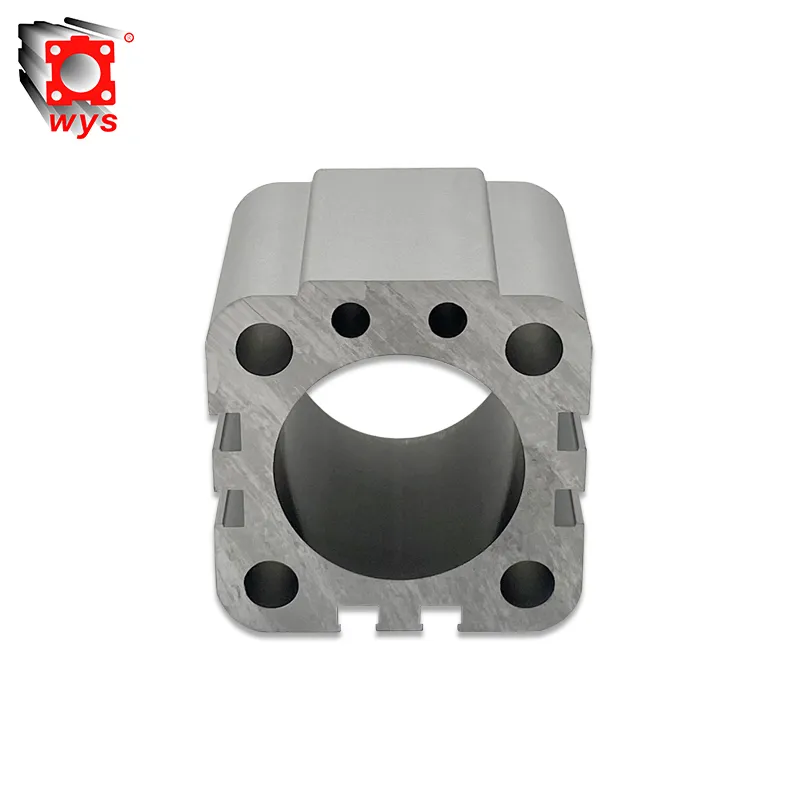
Why is repairing a deformed pneumatic cylinder tube not recommended?
While theoretically repairable, in practical industrial maintenance, deformed pneumatic cylinder tubes are generally recommended for direct replacement. The main reasons include the following:
1. Limited Wall Thickness of Pneumatic Cylinder Barrels
Many pneumatic cylinder barrels employ a thin-walled design to reduce weight and cost.
Repairing a deformed pneumatic cylinder barrel by boring may result in:
• Reduced wall thickness
• Decreased structural strength
• Reduced load-bearing capacity
Therefore, machining repair may introduce new safety hazards.
2. Difficulty in Restoring Original Precision
Pneumatic cylinder barrels require high manufacturing precision, especially in:
• Roundness
• Coaxiality
• Surface Roughness
Once a pneumatic cylinder tube is deformed, it is often difficult to fully restore its original precision through simple machining.
Even if it can be used after repair, its performance may be significantly degraded.
3. High Repair Costs
Repairing a pneumatic cylinder tube typically requires:
• Precision machining equipment
• Professional testing tools
• Multiple machining and adjustment processes
For a standard pneumatic cylinder tube, these costs can be close to or even exceed the cost of replacing the entire cylinder.
4. Standard Parts Replacement is More Convenient
Modern pneumatic cylinders typically employ standardized designs, resulting in more uniform pneumatic cylinder tube specifications.
Common specifications include:
• 32mm
• 40mm
• 50mm
• 63mm
• 80mm
Therefore, in most cases, replacing the pneumatic cylinder barrel is quicker.
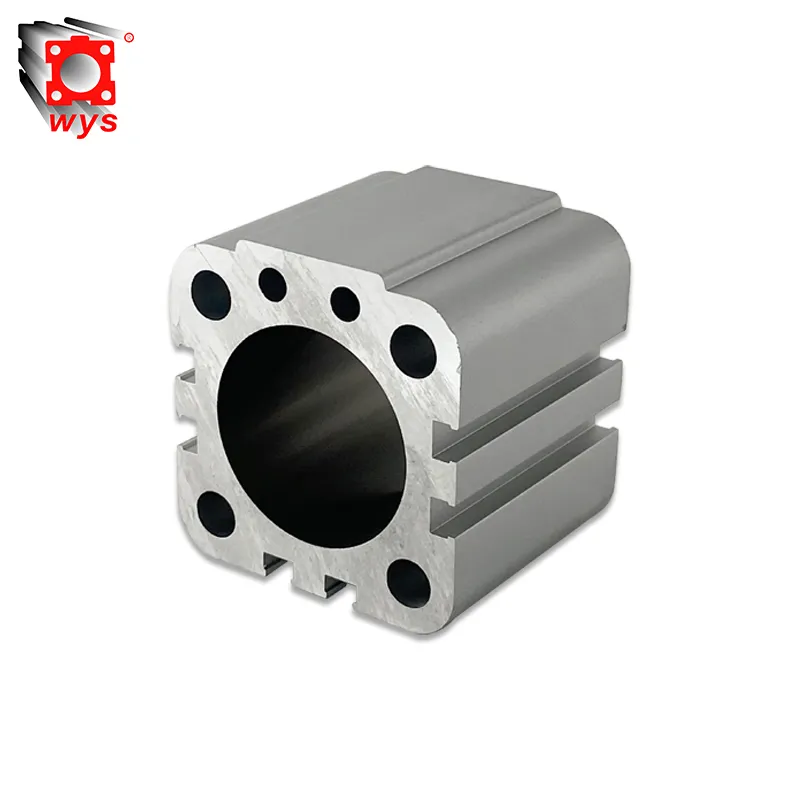
How to Determine if a Pneumatic Cylinder Barrel is Deformed?
During equipment maintenance, the condition of the pneumatic cylinder barrel can be checked using the following methods:
• Check if the piston movement is smooth
• Observe for abnormal friction
• Measure the inner diameter of the pneumatic cylinder barrel
• Check for obvious dents on the inner wall
If the inner bore of the pneumatic cylinder barrel is found to be out of round or the axis is bent, deformation is very likely.
How to reduce the risk of pneumatic cylinder tube deformation?
To avoid pneumatic cylinder tube deformation, the following measures can be taken during equipment use:
1. Avoid overloading the cylinder.
2. Install the pneumatic cylinder tube correctly.
3. Prevent external impacts.
4. Regularly check the equipment status.
5. Maintain stable operation of the pneumatic system.
Proper maintenance can effectively extend the service life of the pneumatic cylinder tube.
How reliable are Weiyingjia’s pneumatic components?
Reliability is at the core of Weiyingjia’s manufacturing process. Each aluminum cylinder and kit passes strict inspections during cold drawing, polishing, CNC machining, and hard anodizing. Buyers purchasing from our company can expect durable, high-precision, and energy-efficient pneumatic components.