

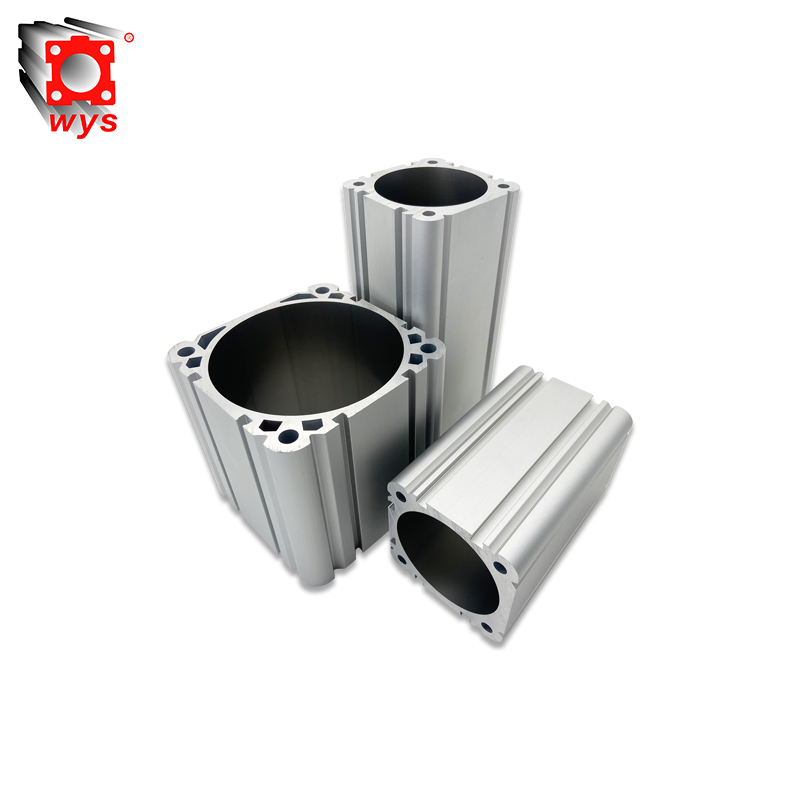
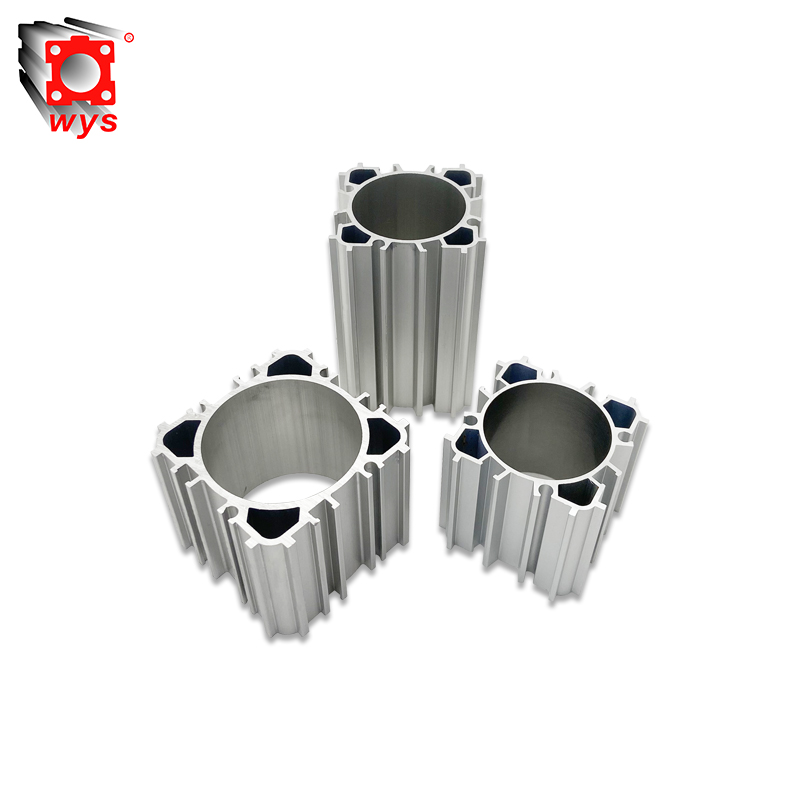
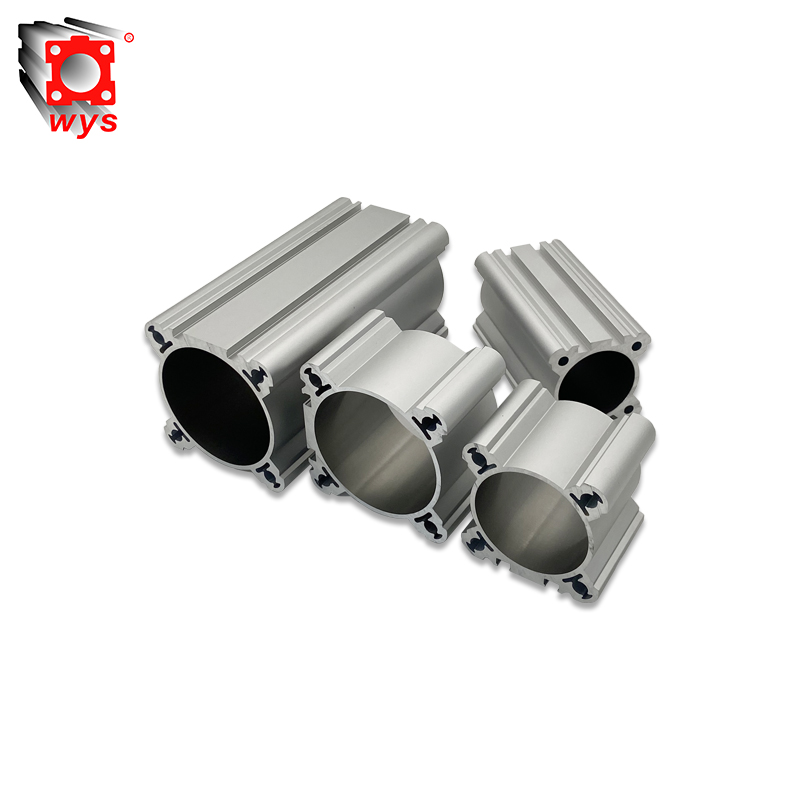
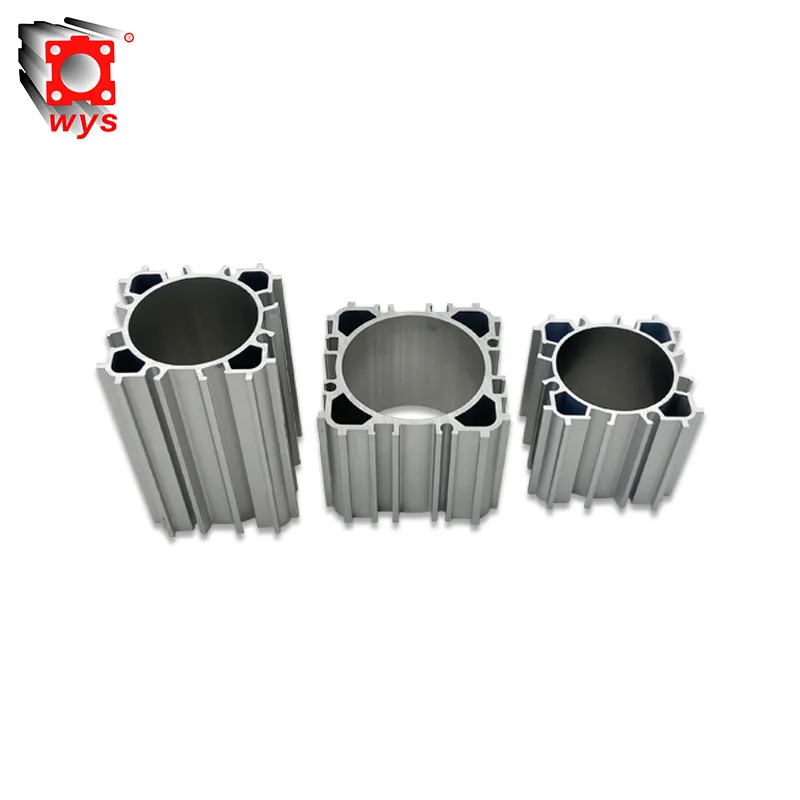
In industrial automation equipment, pneumatic cylinders are widely utilized in various linear motion applications. As the core structural component of a cylinder, the pneumatic cylinder barrel directly determines the stability of the cylinder's operation and its service life. The cylinder barrel not only provides the space for piston movement but also fulfills multiple functions, including sealing, guiding, and pressure containment.
During long-term operation, due to the effects of friction, pressure fluctuations, and environmental factors, the pneumatic cylinder barrel inevitably experiences varying degrees of wear. This wear often concentrates in specific areas; if not identified and addressed in a timely manner, it can lead to a decline in cylinder performance or even equipment failure.
So, which parts of a pneumatic cylinder barrel are most susceptible to wear? This article will systematically analyze the wear-prone zones of pneumatic cylinder tubes from the perspectives of structural analysis, motion mechanisms, and common failure symptoms, helping readers gain a clearer understanding of key maintenance essentials.
Why Does Wear Occur Inside a Pneumatic Cylinder Barrel?
During the operation of a pneumatic cylinder, the piston assembly undergoes reciprocating motion within the cylinder barrel. Although designs typically incorporate seals and lubrication to minimize friction, the following factors can still lead to wear during actual use:
•Continuous contact between the piston and the inner wall of the cylinder barrel
•Friction generated by the seals against the cylinder barrel surface
•Scratches caused by the ingress of impurities or particulate matter into the cylinder
•Dry friction resulting from insufficient lubrication
Consequently, wear in a pneumatic cylinder tube primarily stems from the cumulative effects of prolonged friction and adverse operating conditions.
Is the Inner Wall of the Pneumatic Cylinder Barrel the Most Wear-Prone Area?
1. Why is the inner wall most susceptible to wear?
The inner wall of the pneumatic cylinder barrel is the area that comes into direct contact with the piston and seals; therefore, it is one of the parts most prone to wear.
During the cylinder's operation:
•The piston seal ring maintains continuous contact with the inner wall of the cylinder barrel.
•Contact pressure fluctuates in accordance with the cylinder's operating state.
•The frequency of friction is high, and the duration of contact is prolonged.
All these factors accelerate the wear of the pneumatic cylinder tube's inner wall.
2. What problems does inner wall wear cause?
•Increased surface roughness
•Degraded sealing performance
•Increased gas leakage
•Unstable piston operation
When the inner wall of a pneumatic cylinder barrel is severely worn, the overall performance of the cylinder will decline significantly.
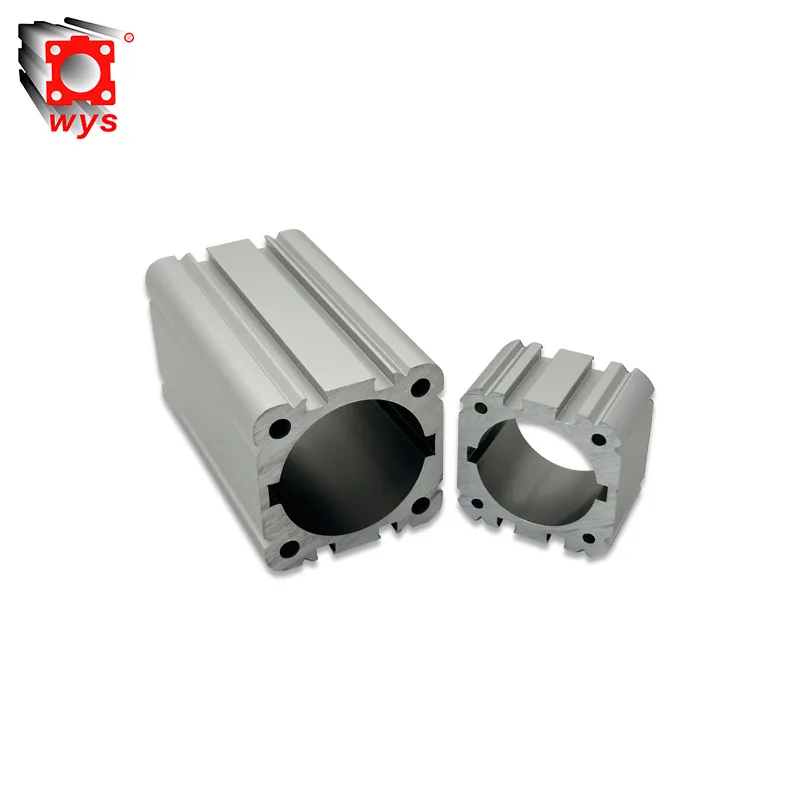
Are the end regions of the air cylinder barrel more prone to wear?
1. Why are the stroke ends prone to wear?
The two ends of a pneumatic cylinder barrel (the areas near the end caps) are typically where the piston decelerates and comes to a stop. In these regions, the piston undergoes significant velocity changes, which can easily generate impact forces or lead to concentrated pressure.
This is particularly true under the following conditions:
•Improper cushioning adjustment
•Excessively high piston speed
•Failure of the cushioning mechanism
Under these circumstances, the ends of the pneumatic cylinder tube may be subjected to greater impact forces, thereby accelerating localized wear.
2. What are the signs of wear at the ends?
•Pronounced localized scratches
•Surface hardening or discoloration
•Accelerated damage to sealing components
Therefore, the ends of the pneumatic cylinder tube constitute one of the critical wear zones that require close attention.
Does wear occur in the contact zone between the pneumatic cylinder tube and the seals?
1. What is the impact of seals on the pneumatic cylinder tube?
While seals are essential for ensuring the airtightness of the cylinder, they also exert continuous friction against the pneumatic cylinder tube.
This friction is characterized by the following features:
•A relatively small contact area, yet with concentrated pressure
•Prolonged and repetitive action over time
•High demands on surface quality
If the seal material is selected inappropriately or has aged, it may exacerbate wear on the air cylinder barrel.
2. What are the consequences of wear in the sealing zone?
•Degraded sealing performance
•Aggravated air leakage issues
•Reduced cylinder efficiency
Consequently, the seal contact zone represents one of the primary sources of wear within the air cylinder barrel.
Are the areas near the inlet and outlet ports of the pneumatic cylinder tube prone to wear?
Pneumatic cylinder tubes are typically equipped with air inlet and exhaust ports; the airflow dynamics in these specific locations are relatively complex.
1. Why are these areas prone to wear?
• Rapid fluctuations in airflow velocity
•Potential for entrained impurities
•Significant local pressure fluctuations
If the air supply is not adequately filtered, impurity particles may be carried by the airflow into the pneumatic cylinder tube, causing erosion or scratching near the inlet and outlet ports.
Potential issues include:
•Localized corrosion or pitting
•Changes in surface roughness
•Reduced sealing effectiveness
Therefore, even though the inlet and outlet regions do not directly engage in mechanical contact, they still present a risk of wear.
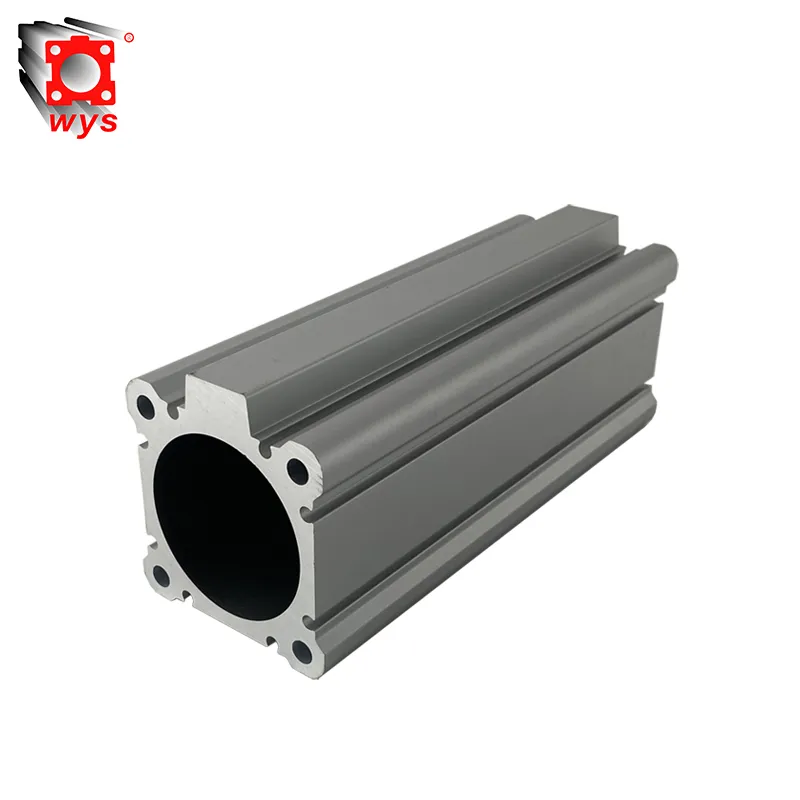
Does wear occur in the guide regions of the pneumatic cylinder tube?
In certain cylinder designs, the guiding components of the piston or piston rod also form a mating fit with the pneumatic cylinder tube.
1. What problems does poor guiding cause?
If the guiding structure is misaligned, the piston's movement within the cylinder barrel may not be perfectly coaxial, resulting in the generation of lateral forces.
This situation leads to:
•Increased localized friction
•Uneven wear on the inner wall
•Increased resistance to piston movement
Characteristics of wear in the guide regions:
•Uneven wear patterns
•Pronounced localized scratching
•Severity increases with extended use
Consequently, guiding issues often exacerbate localized wear within the air cylinder barrel.
Does wear occur on the surface coatings of the pneumatic cylinder barrel?
The inner walls of many high-performance pneumatic cylinder barrels undergo surface treatments—such as anodizing or plating—to enhance their wear resistance.
1. What does coating wear signify?
When the surface coating of the pneumatic cylinder barrel wears away:
•The base material becomes exposed
•Wear resistance is compromised
•The component becomes more susceptible to further wear
Common causes of coating damage:
•Excessive friction from seals
•Scratching caused by impurities
•Insufficient lubrication
Once the coating is damaged, the rate of wear on the air cylinder barrel typically accelerates significantly.
Do different types of wear within the pneumatic cylinder barrel interact with one another?
Wear occurring in different parts of the pneumatic cylinder barrel is rarely an isolated phenomenon; rather, these forms of wear often interact with and influence one another.
For example:
•Wear on the inner wall can accelerate seal wear.
•Damaged seals can further exacerbate wear on the cylinder barrel.
•Guidance issues can lead to the localized expansion of wear.
This "chain reaction" causes the wear on the air cylinder barrel to progressively worsen.
How can wear on pneumatic cylinder barrels be minimized?
To extend the service life of a pneumatic cylinder barrel, the following measures can be taken:
1. Improve Air Source Quality
Ensure that the compressed air is filtered to minimize the ingress of impurities into the cylinder tube.
2. Select Appropriate Seals
Use high-quality seals that are compatible with the pneumatic cylinder to reduce unnecessary friction.
3. Control Operating Speed
Avoid high-speed piston impact against the end caps of the pneumatic cylinder.
4. Conduct Regular Maintenance and Inspections
Timely identify signs of wear on the pneumatic cylinder to prevent issues from escalating.
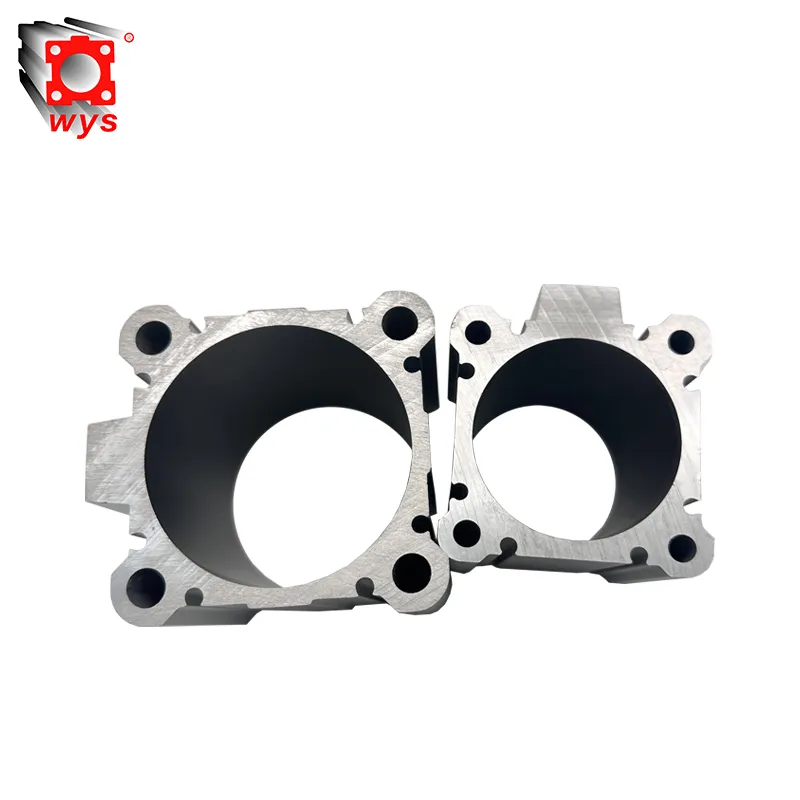
How can one determine if an air cylinder barrel has suffered severe wear?
In practical maintenance scenarios, an assessment can be made using the following methods:
•Check the cylinder for any air leakage.
•Inspect the inner wall of the cylinder barrel for scratches or signs of corrosion.
•Assess whether the cylinder's movement is smooth.
•Check the condition of the seals for signs of wear.
If multiple indicators appear abnormal, it may suggest that the air cylinder barrel has already sustained significant wear.
We Are Sincerely Seeking Agents. Welcome To Inquire.