
Cylinder pressure drop is a common technical problem in pneumatic systems. When the internal cylinder pressure cannot be maintained within the design range, the equipment often exhibits insufficient thrust, sluggish movement, and inaccurate positioning. Many maintenance personnel, when troubleshooting, often focus only on the air source or valves, but in reality, the internal structure of the cylinder, especially the condition of the pneumatic cylinder seal kits, plays a crucial role.
The stability of cylinder pressure depends on the overall operating condition of the pneumatic system and the reliability of the internal sealing structure of the cylinder. The pneumatic cylinder seal kits play a vital role in maintaining gas tightness, preventing leakage, and maintaining pressure differentials. Wear, aging, or improper installation of the pneumatic cylinder seal kits can lead to a continuous drop in cylinder pressure.
This article will systematically analyze the question, "What causes cylinder pressure drop?" from multiple perspectives, including pneumatic principles, sealing structures, system design, and operating conditions, and will emphasize the core role of the pneumatic cylinder seal kits in maintaining cylinder pressure.
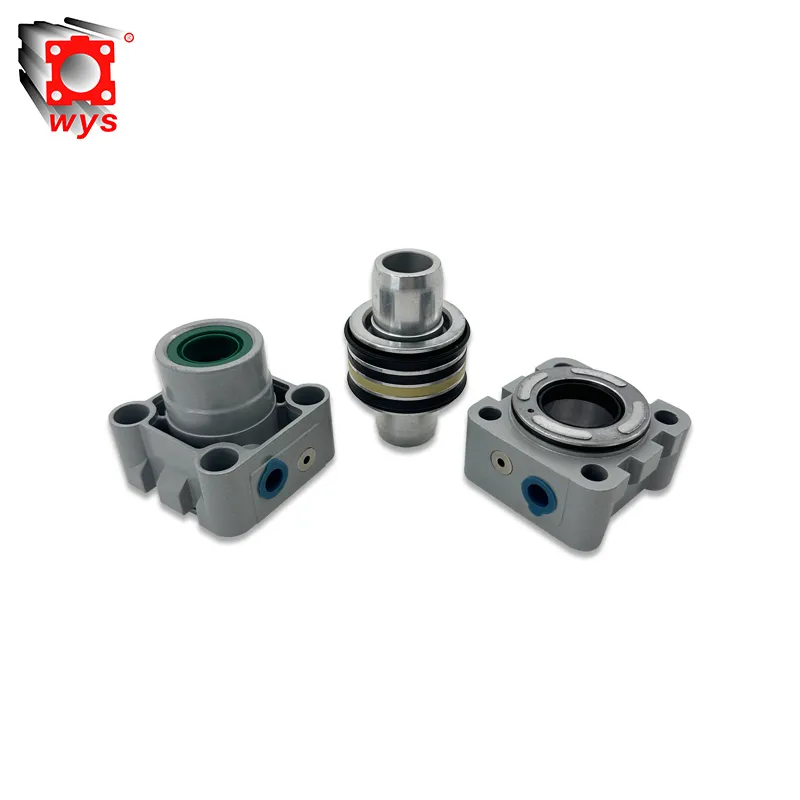
What Does Cylinder Pressure Drop Mean?
In pneumatic systems, cylinders rely on compressed air to drive pistons and generate mechanical force. When cylinder pressure drops, it usually means that a stable pressure differential cannot be formed within the cylinder.
Pressure drop may manifest as:
• Significantly reduced cylinder thrust
• Reduced piston speed
• Weakness at the end of the stroke
• Decreased system efficiency
These problems are often related to gas leakage or insufficient gas supply, and the performance of pneumatic cylinder seal kits is a key factor determining the airtightness of the cylinder.
Why do pneumatic cylinder seal kits affect pressure stability?
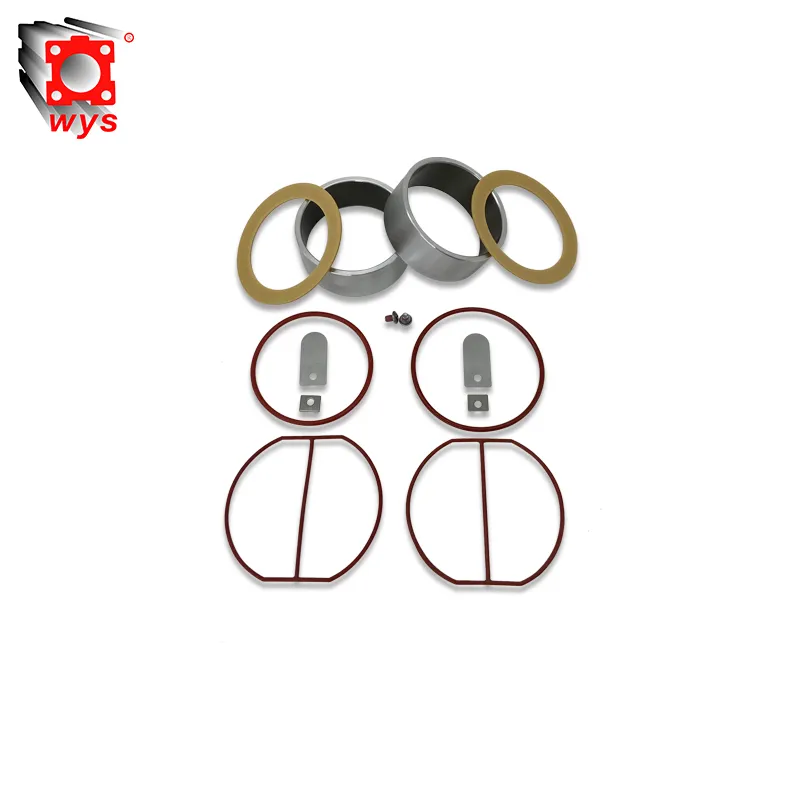
The sealing system inside a cylinder typically consists of multiple sealing structures, collectively known as pneumatic cylinder seal kits.
Pneumatic cylinder seal kits typically include:
• Piston seal
• Piston rod seal
• Dust seal
• Static seal
The main functions of these components are:
1. Prevent compressed air leakage
2. Maintain the pressure difference across the cylinder
3. Reduce friction and wear
If pneumatic cylinder seal kits are damaged or aged, gas will leak from the seal gaps, causing a drop in cylinder pressure.
Does wear on pneumatic cylinder seal kits cause a pressure drop?
Seal wear is one of the most common causes of cylinder pressure drop.
During long-term operation, pneumatic cylinder seal kits constantly come into contact with and rub against the cylinder wall and piston surface. If lubrication is insufficient or the surface roughness is high, the wear rate of the seals will accelerate.
When pneumatic cylinder seal kits wear to a certain extent, the following may occur:
• Increased seal gaps
• Increased gas leakage
• Inability to maintain pressure across the piston
Ultimately leading to a drop in internal cylinder pressure.
What problems do aging pneumatic cylinder seal kits cause?
Besides wear and tear, aging of the sealing material is also a significant factor leading to pressure drop.
Pneumatic cylinder seal kits are typically made of rubber or polyurethane, materials that may experience the following during long-term use:
• Hardening
• Cracking
• Loss of elasticity
When pneumatic cylinder seal kits lose their elasticity, the sealing surfaces cannot fit tightly, leading to gas leakage.
In this case, even if the air supply pressure is normal, the internal cylinder pressure will still drop.
Does insufficient air supply pressure cause cylinder pressure drop?
Air supply issues are also a significant factor leading to cylinder pressure drop.
If the compressed air supply to the pneumatic system is insufficient, the internal cylinder pressure will not reach the design value.
Common causes include:
• Insufficient air compressor output pressure
• Drop in air tank pressure
• Excessive system load
While these problems are not directly related to pneumatic cylinder seal kits, they still need to maintain good sealing performance to reduce further pressure loss when the air supply pressure is insufficient.
Does pipeline leakage affect cylinder pressure?
The piping in a pneumatic system is responsible for delivering compressed air to the cylinder. Leaks in the piping or at joints can cause a drop in cylinder pressure.
Common leak locations include:
• Pipe joints
• Quick couplings
• Valve connections
Pipe leaks cause gas to lose pressure before reaching the cylinder, reducing cylinder efficiency.
Even if the pneumatic cylinder seal kits are in good condition, system pressure may still drop.
Can improper installation of pneumatic cylinder seal kits cause pressure drops?
The installation method of pneumatic cylinder seal kits has a significant impact on sealing performance.
Gas leaks may occur if the following problems occur during installation:
• Incorrect seal orientation
• Mismatched seal groove dimensions
• Damaged seals
For example, if the piston seal ring is installed backwards, the sealing effect may be significantly reduced.
Therefore, proper installation of pneumatic cylinder seal kits is crucial during cylinder maintenance and assembly.
Does insufficient lubrication affect pneumatic cylinder seal kits?
Lubrication conditions have a significant impact on seal life and sealing effectiveness.
Insufficient lubrication in the pneumatic system can lead to the following in pneumatic cylinder seal kits:
• Increased friction
• Increased temperature
• Accelerated wear
As wear intensifies, the seal gap gradually widens, resulting in a drop in cylinder pressure.
Therefore, maintaining proper lubrication is crucial for extending the lifespan of pneumatic cylinder seal kits.
Will contaminants entering the cylinder affect sealing performance?
Compressed air may contain dust, metal particles, or moisture. If the air source filtration system is inadequate, these contaminants can enter the cylinder.
Contaminants can cause the following problems:
• Scratching the sealing surface
• Accelerated wear of pneumatic cylinder seal kits
• Damage to the sealing structure
When the sealing surface is damaged, gas can easily leak from the gap, leading to a drop in cylinder pressure.
How to determine if pneumatic cylinder seal kits have failed?
When troubleshooting cylinder pressure drop issues, the following methods can be used to assess the condition of pneumatic cylinder seal kits:
1. Check for gas leaks
If a noticeable leaking sound is heard near the cylinder end or piston rod, it may indicate that the pneumatic cylinder seal kit is damaged.
2. Observe cylinder movement
If the cylinder moves weakly or its speed is unstable, it may also be a sign of deteriorated sealing performance.
3. Check pressure holding capacity
If the internal cylinder pressure drops rapidly after the air supply is turned off, it usually indicates a leak in the pneumatic cylinder seal kit.
How to reduce cylinder pressure drop?
To reduce cylinder pressure drop, the following measures can be taken:
1. Regularly inspect the pneumatic cylinder seal kits.
2. Keep compressed air clean and dry.
3. Regularly inspect pneumatic system piping.
4. Ensure stable air supply pressure.
5. Properly install the pneumatic cylinder seal kit during maintenance.
These measures can effectively extend the service life of the pneumatic cylinder seal kit and maintain stable cylinder pressure.
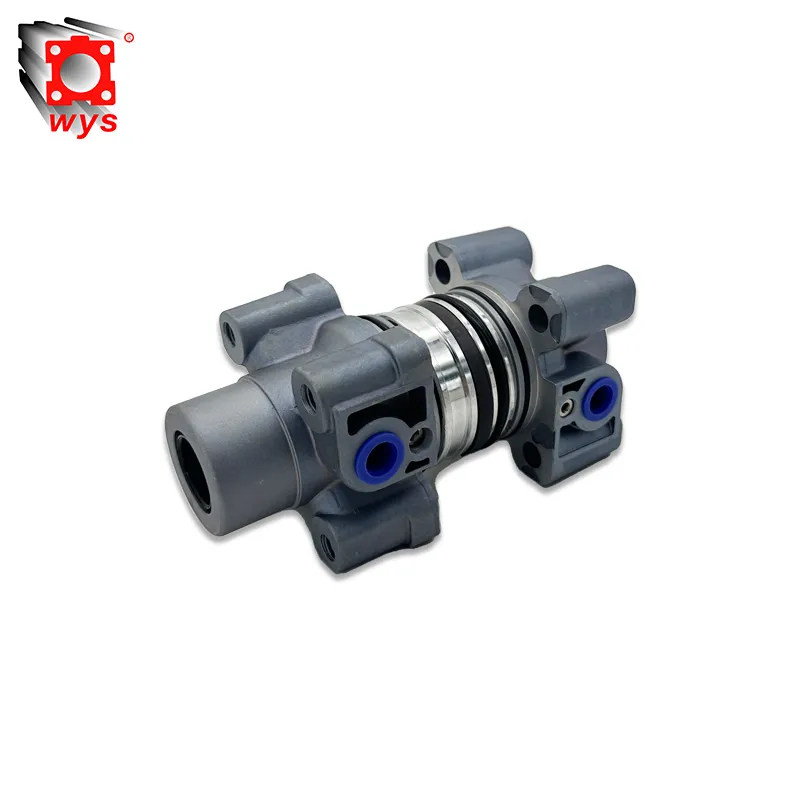
What causes a drop in cylinder pressure?
The main reasons for a drop in cylinder pressure include:
• Wear of pneumatic cylinder seal kits
• Aging of pneumatic cylinder seal kits
• Insufficient air supply pressure
• Piping leaks
• Improper seal installation
• Insufficient lubrication
• System contaminants entering the system
Among these, the condition of the pneumatic cylinder seal kits is one of the key factors determining the stability of cylinder pressure. If the pneumatic cylinder seal kits are damaged or malfunctioning, gas leakage will be inevitable, leading to a drop in cylinder pressure.
Can Weiyingjia manufacture custom pneumatic cylinder kits?
Yes. Weiyingjia provides custom aluminum alloy pneumatic cylinders, kits, liners, and seals according to customer specifications. Our factory, equipped with CNC machines, polishing, hard anodizing, and testing equipment, ensures precision and durability. Companies purchasing from Weiyingjia for wholesale or brand purposes benefit from high-quality products, competitive prices, and a reliable supply.