

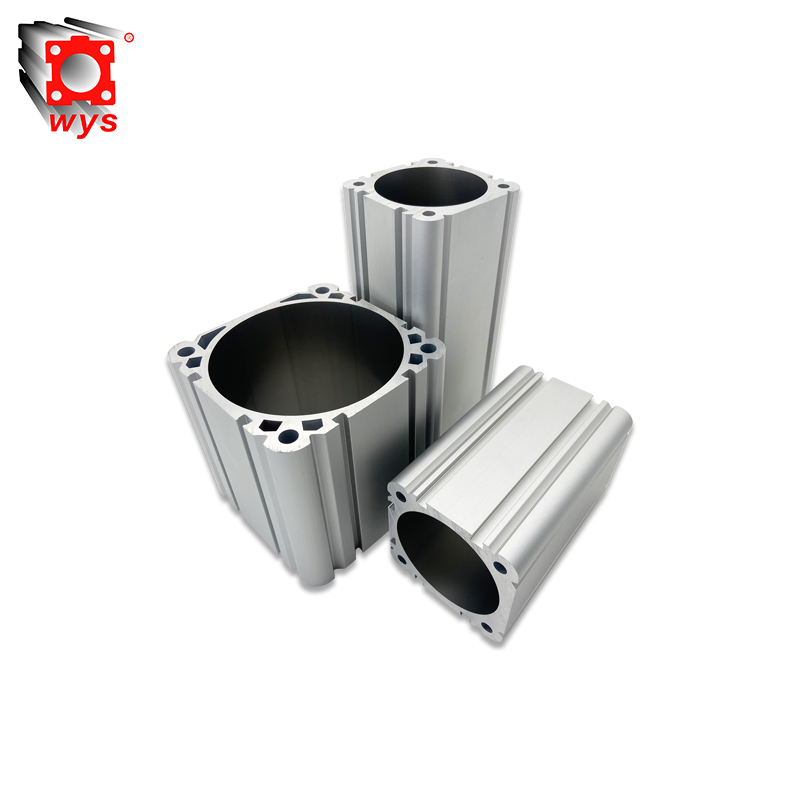
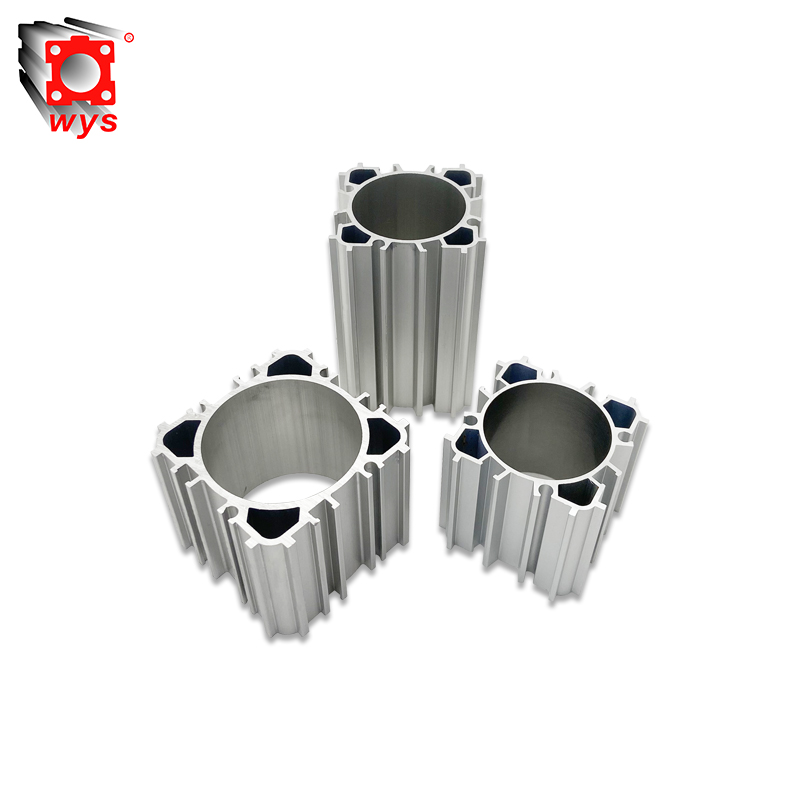
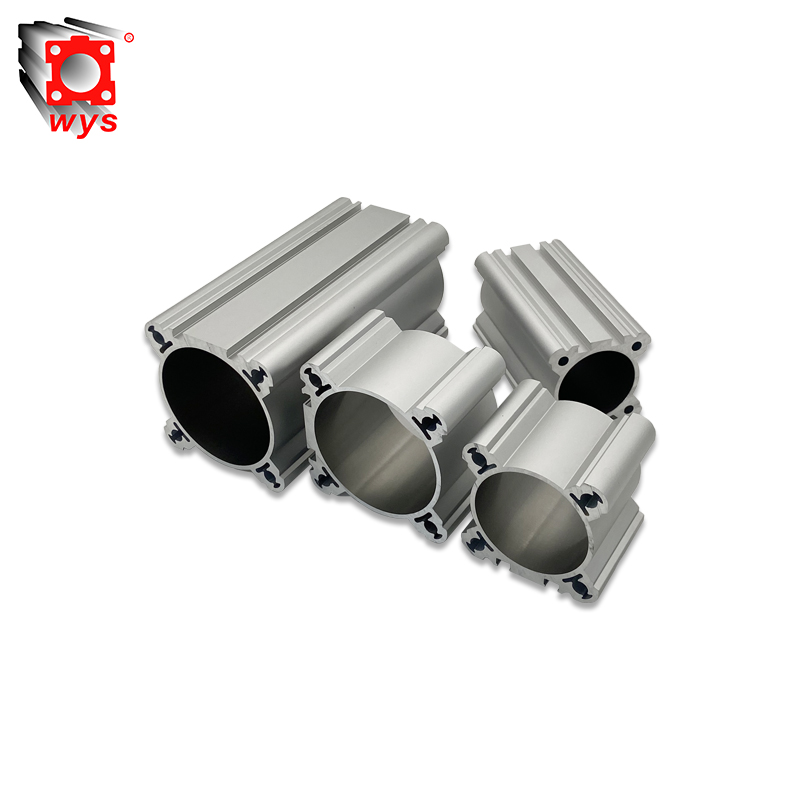
In pneumatic system design and equipment maintenance, the usage of pneumatic cylinder barrels is often a key topic of discussion among engineers. One very representative technical question is: Can a double-acting pneumatic cylinder barrel be used as a single-acting cylinder barrel?
This question seems simple, but it involves multiple professional aspects, including the structural principles of the pneumatic cylinder barrel, sealing methods, air circuit design, operational stability, and long-term reliability. A lack of comprehensive understanding can easily lead to potential problems during use.
This article will help you make more reasonable judgments during design, selection, and use.
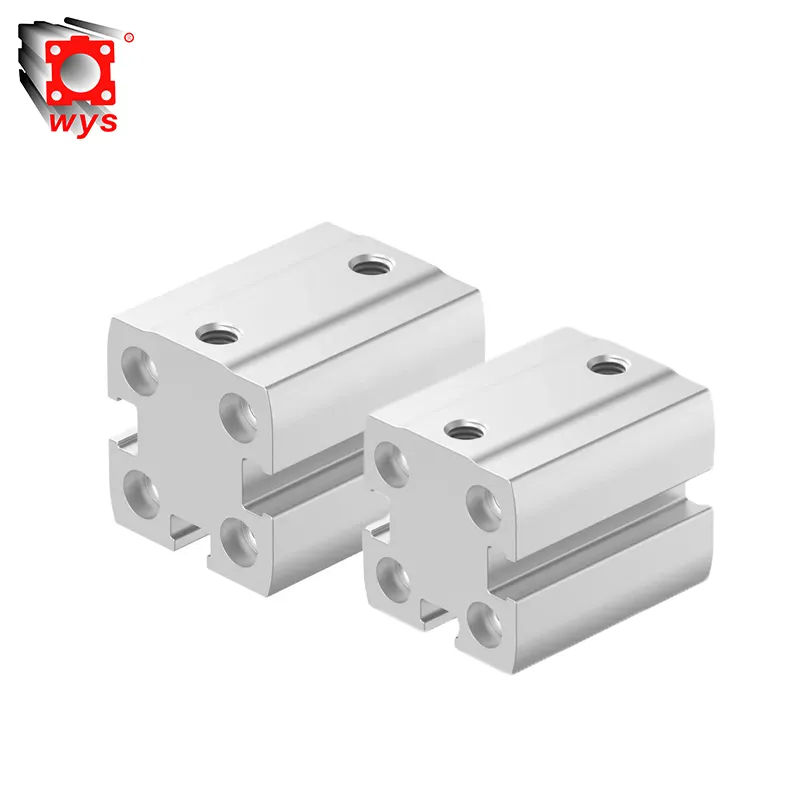
What is a pneumatic cylinder barrel?
Before discussing double-acting and single-acting cylinder barrels, it is essential to clarify a core concept: what is a pneumatic cylinder barrel, and what role does it play in a cylinder?
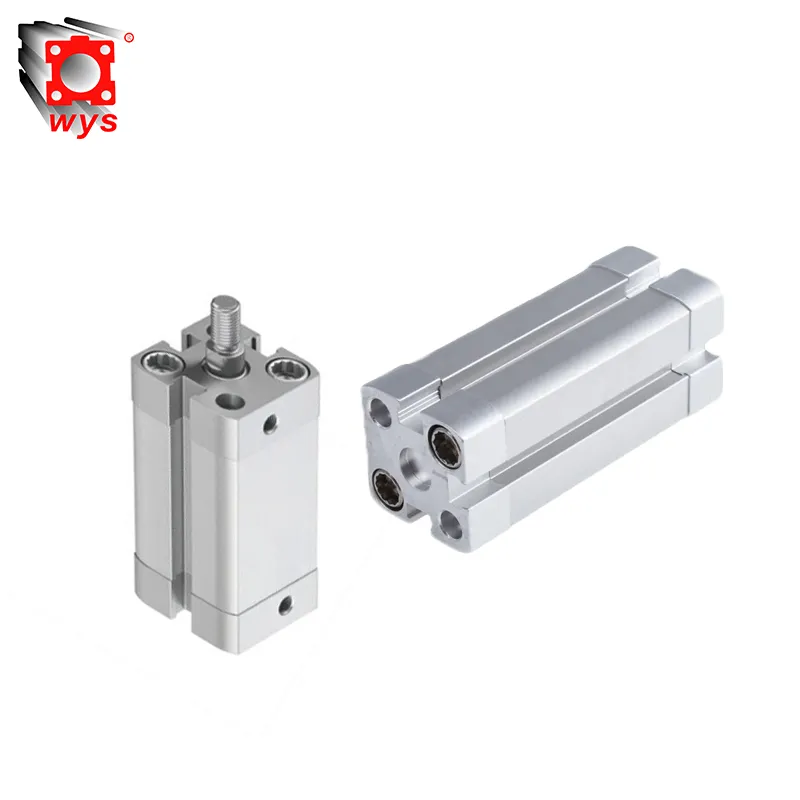
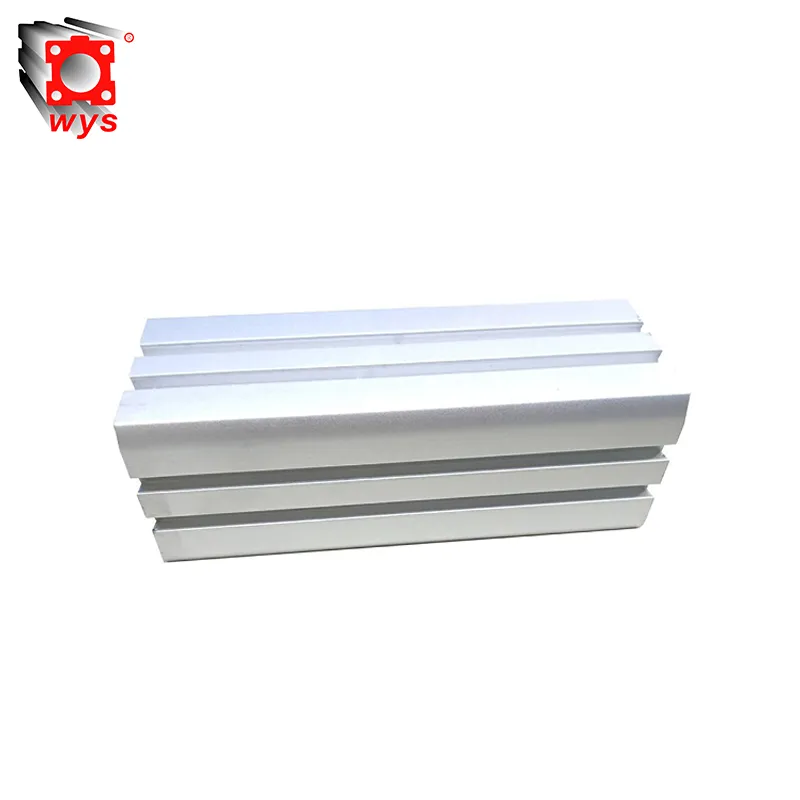
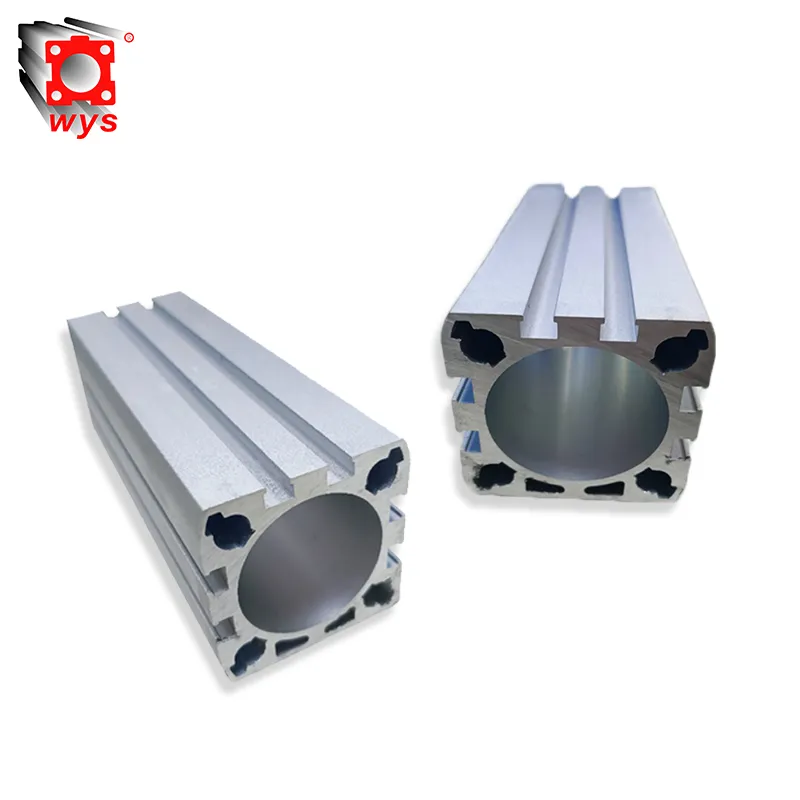
The pneumatic cylinder barrel is the main structure of the cylinder, the carrier of piston movement, and also the sealed space for compressed air.
The main functions of a pneumatic cylinder barrel include:
• Providing a linear motion path for the piston
• Withstanding internal air pressure
• Ensuring gas tightness
• Maintaining structural rigidity and coaxiality
• Reducing friction and wear
Whether single-acting or double-acting, the pneumatic cylinder barrel is fundamental to the normal operation of a cylinder. Different types of cylinders essentially differ in the internal chamber structure and intake/exhaust methods of their pneumatic cylinder barrels.
What is a single-acting pneumatic cylinder barrel?
A single-acting pneumatic cylinder barrel is a pneumatic structure that is driven by compressed air in only one direction, and reset by a spring or external force in the other.
Typical characteristics of a single-acting pneumatic cylinder barrel:
• Typically has only one air inlet.
• Air pressure is used to push the piston in only one direction.
• Return stroke relies on a spring, gravity, or external mechanical force.
• The pneumatic cylinder barrel contains space for a return spring.
Operation of a single-acting pneumatic cylinder barrel:
1. Compressed air enters the pneumatic cylinder barrel.
2. Pushes the piston to complete the working stroke.
3. After exhaust, the spring pushes the piston back to its original position.
This structure determines that a single-acting pneumatic cylinder barrel is simple in structure and has low energy consumption, but its output force and control capability are limited.
What is a double-acting pneumatic cylinder barrel?
What is the essential difference between it and a single-acting one?
A double-acting pneumatic cylinder barrel is a pneumatic structure in which both the extension and retraction of the piston are driven by compressed air.
Key Features of a Double-Acting Pneumatic Cylinder Barrel:
• At least two air inlets
• Air can flow through both the front and rear chambers of the piston
• No internal return spring required
• Stable and controllable output force
Operating Logic of a Double-Acting Pneumatic Cylinder Barrel:
1. Compressed air enters the front chamber, pushing the piston outward.
2. Simultaneously, air is exhausted from the rear chamber.
3. After switching the air path, air enters the rear chamber.
4. Pushes the piston back.
Because of this, double-acting pneumatic cylinder barrels are more widely used in industry, especially in applications requiring precise control and stable thrust.
Can a double-acting pneumatic cylinder barrel be used as a single-acting cylinder barrel?
This is the core question of this article. The answer can be summarized in one sentence: Structurally and in principle, a double-acting pneumatic cylinder tube can "simulate" single-acting operation, but it is not equivalent to a true single-acting pneumatic cylinder tube.
Below, we will break it down in detail from multiple perspectives.
From a structural perspective, does a double-acting pneumatic cylinder tube possess the conditions for single-acting operation?
Structurally, a double-acting pneumatic cylinder tube has the following characteristics:
• No return spring inside the pneumatic cylinder tube.
• Both sides of the piston are designed as pressure-bearing chambers.
• The sealing structure is a bidirectional pressure-bearing design.
If a double-acting pneumatic cylinder tube is used as a single-acting cylinder, the common practice is:
• Only one port is supplied with air.
• The other port remains either open or vented.
In this case, the double-acting pneumatic cylinder tube can drive the piston movement in one direction through air pressure, and superficially, it does "look" like a single-acting cylinder.
However, it is important to note that this is merely a simplification of usage, not a structural transformation.
When a double-acting pneumatic cylinder tube is used as a single-acting cylinder, how is the return stroke achieved?
This is a question that must be carefully considered.
Return methods of a single-acting pneumatic cylinder tube:
• Internal spring
• External mechanical reset
• Gravity reset
The reality of a double-acting pneumatic cylinder tube:
A double-acting pneumatic cylinder tube does not have an internal return spring, therefore:
• If air is not supplied to the other side
• The piston will not return automatically
In this case, the piston return can only rely on:
• Reverse push from an external load
• Gravity
• Manual or mechanical intervention
This means that when a double-acting pneumatic cylinder tube is used as a single-acting cylinder barrel, the return is unreliable and uncontrollable.
What changes occur in the air circuit design when a double-acting pneumatic cylinder tube is used "single-acting"?
When a double-acting pneumatic cylinder tube is used as a single-acting cylinder, the following changes typically occur in the pneumatic system:
• The original two-way control valve is simplified.
• One port is constantly in the venting state.
• The control logic is no longer complete.
From a pneumatic system perspective, this usage introduces several problems:
• Contaminants are easily drawn into the vent.
• The internal pressure balance of the pneumatic cylinder tube is disrupted.
• Uneven stress on the seals.
Over long-term operation, these factors will affect the stability and lifespan of the pneumatic cylinder tube.
Does using a double-acting pneumatic cylinder tube as a single-acting cylinder affect the sealing system?
The answer is: Yes, and the impact is significant.
The sealing system of a double-acting pneumatic cylinder tube is designed with the following principles in mind:
• Alternating pressure on both sides of the piston
• Maintaining balance in the seals under bidirectional pressure
When a double-acting pneumatic cylinder tube is subjected to pressure in only one direction for an extended period:
• The seal on one side experiences prolonged stress
• The seal on the other side is under abnormal operating conditions
• Uneven seal wear
The end result is often:
• Increased internal leakage
• Decreased thrust
• Shortened pneumatic cylinder tube life
What happens to the output performance of a double-acting pneumatic cylinder tube when used as a single-acting cylinder barrel?
Output Force Variation
Under unidirectional air supply:
• A double-acting pneumatic cylinder tube can only output effective thrust in one direction.
• Return thrust is essentially uncontrollable.
Motion Stability Variation
• Unstable start-up speed.
• Risk of jamming during return stroke.
• Difficulty in controlling the end of the stroke.
Control Precision Variation
• Inability to achieve complete bidirectional control.
• Slower pneumatic system response.
Therefore, from a performance perspective, a double-acting pneumatic cylinder tube is not suitable for long-term use as a single-acting pneumatic cylinder tube.
Why do many people consider using a double-acting pneumatic cylinder tube as a single-acting one?
The answer to this question usually focuses on the following points:
• Existing double-acting pneumatic cylinder barrels in stock.
• Temporary changes in operating conditions.
• Desire to simplify the control system.
• Low performance requirements.
From a short-term or emergency perspective, this approach is technically "capable of operation," but it is not recommended from an engineering specification and long-term operational perspective.
Under what circumstances is it not recommended to use a double-acting pneumatic cylinder barrel as a single-acting one?
This usage should be explicitly avoided in the following situations:
• High-frequency reciprocating operation
• Requirements for positioning accuracy
• Long-term continuous operation
• High requirements for the lifespan of the pneumatic cylinder tube
• Working environment with dust, moisture, or contaminants
Under these conditions, incorrect usage will significantly increase the risk of pneumatic cylinder barrel failure.
How important is a correct understanding of pneumatic cylinder barrel type for system design?
A pneumatic cylinder tube is not a component that "just needs to move"; it directly affects:
• System reliability
• Maintenance frequency
• Energy consumption level
• Safety
Choosing the appropriate pneumatic cylinder barrel type is more important than remedial measures.
So, should a double-acting pneumatic cylinder tube be used as a single-acting one?
While a double-acting pneumatic cylinder tube can technically simulate single-acting use for short periods with low requirements, its long-term use is not recommended from the perspectives of structural rationality, operational stability, and service life.
If the actual requirement is unidirectional drive and automatic return, then:
• A more reasonable choice is to use a single-acting pneumatic cylinder barrel directly.
• Rather than forcing a double-acting pneumatic cylinder tube to "force itself into an unsuitable role."
How does your company ensure product quality?
Quality is the foundation of Foshan Weiyingjia Technology Co., Ltd. We maintain rigorous inspection standards throughout all production processes, from raw material preparation to CNC machining and hard anodizing. Our 5 quality inspection teams and 10 professional testing devices guarantee that every product meets high standards. Customers purchasing from our factory can be confident they are receiving durable, precise, and high-quality pneumatic cylinder components.