

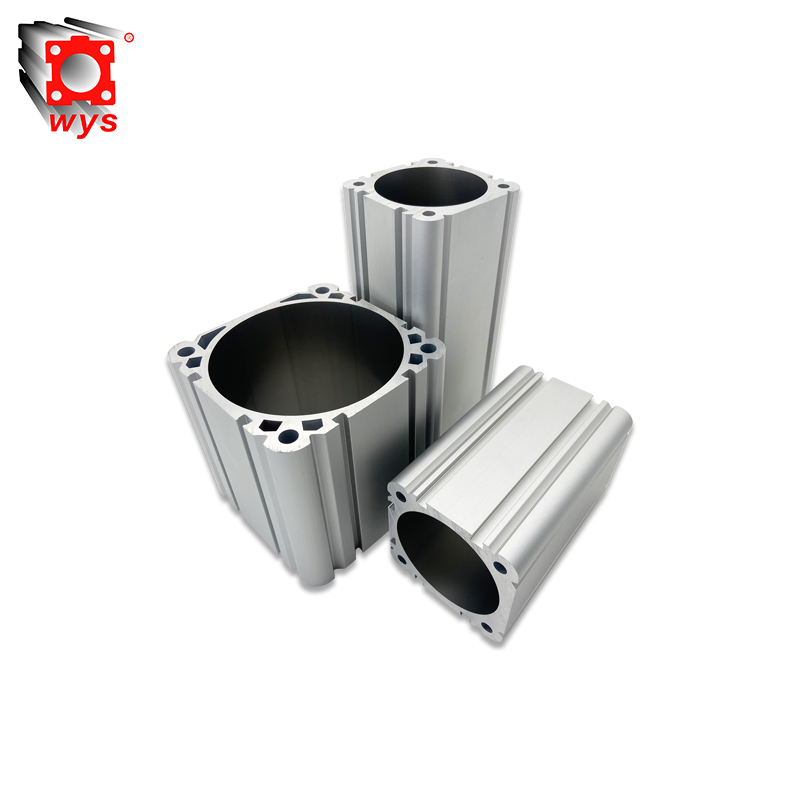
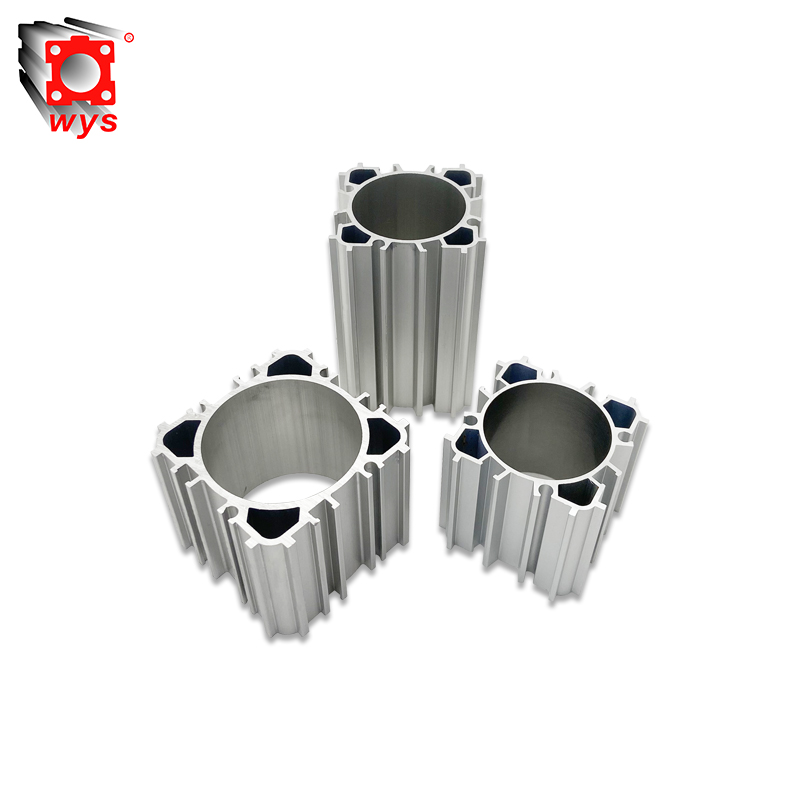
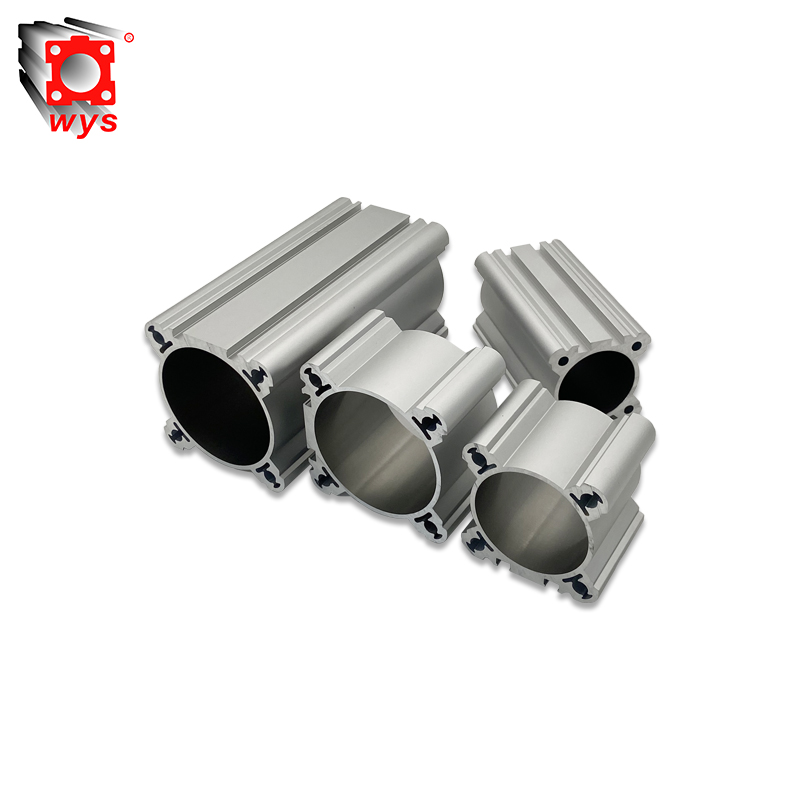
In pneumatic systems, the pneumatic cylinder barrel is one of the core components determining the stable and reliable operation of the cylinder. Damage to the pneumatic cylinder barrel not only affects the accuracy of individual actions but can also lead to decreased efficiency, increased energy consumption, and even equipment shutdown of the entire pneumatic system.
However, in actual use, many users encounter a real problem: The pneumatic cylinder barrel is malfunctioning, but they are unsure if it is truly damaged.
So, how can I determine if my pneumatic cylinder barrel is damaged?
This article will provide a systematic, professional, and logically clear analysis from multiple perspectives, including the working principle of the pneumatic cylinder barrel and common damage types, to help you accurately determine if your pneumatic cylinder barrel is damaged.
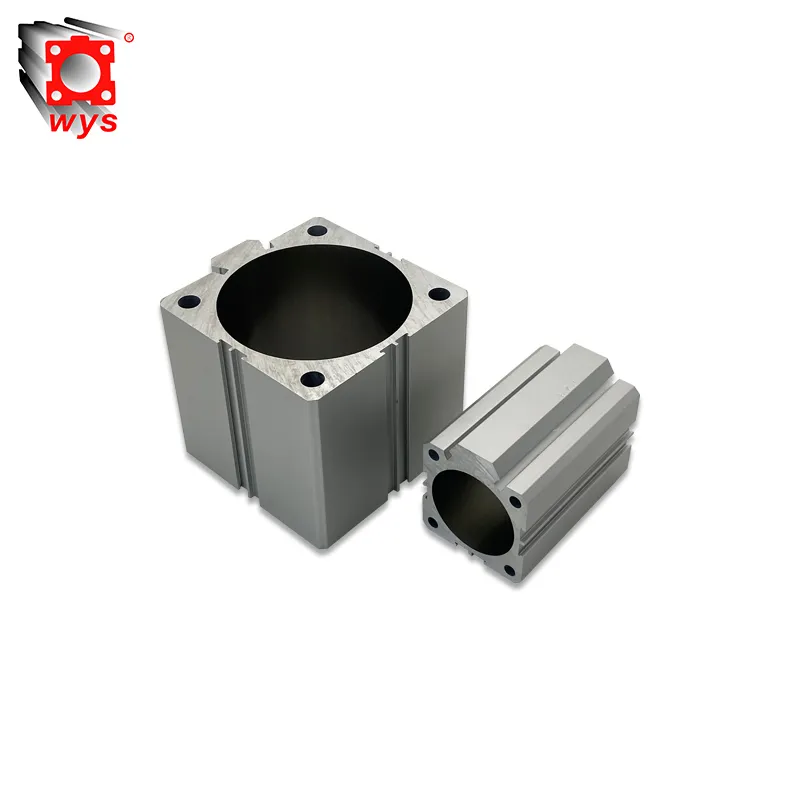
What is a Pneumatic Cylinder Barrel?
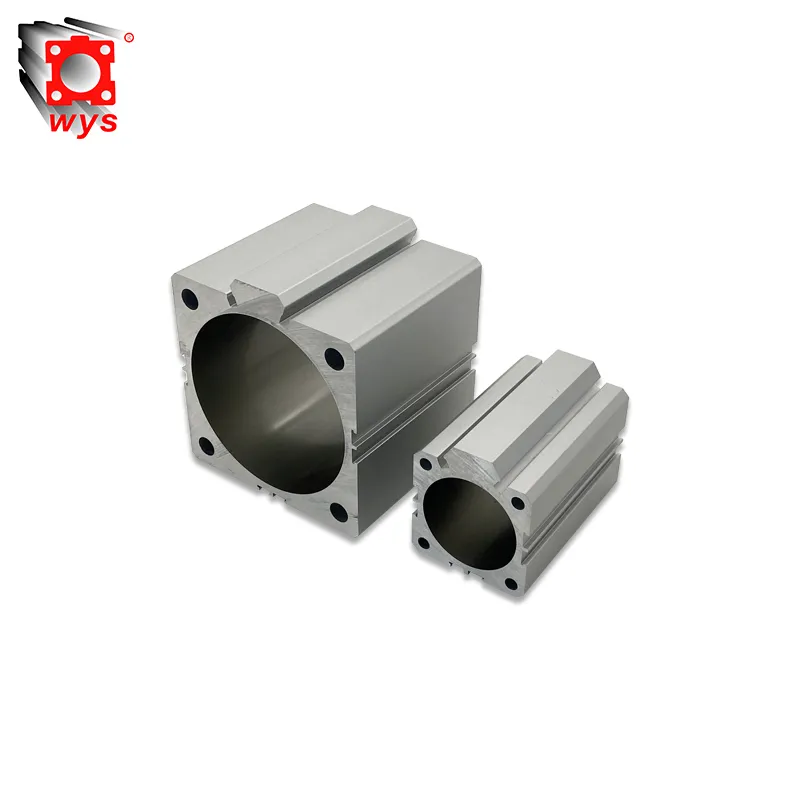
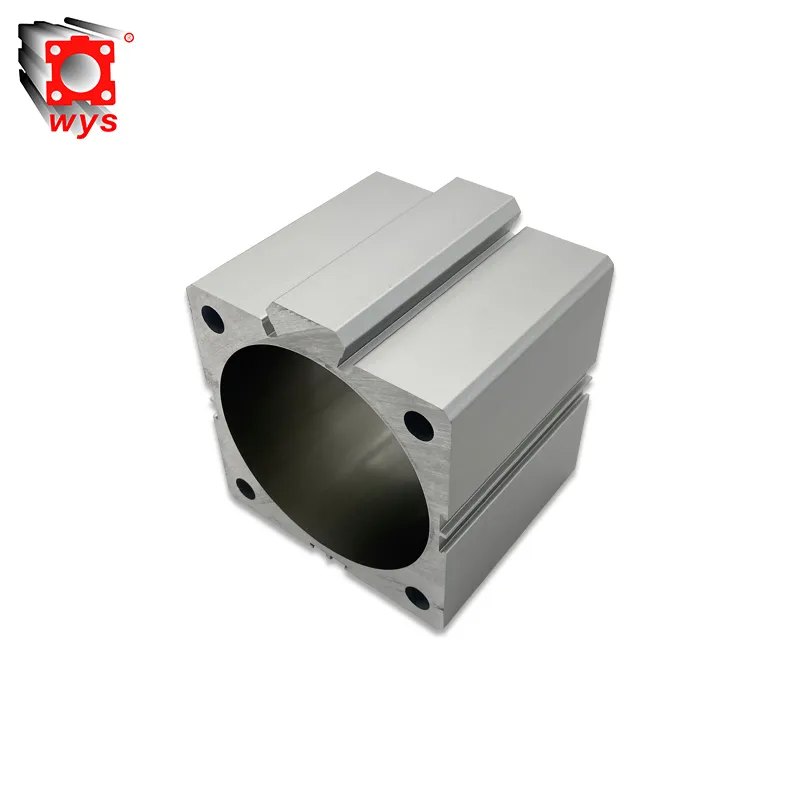
The pneumatic cylinder barrel is the main structure of the cylinder, a sealed space that carries the piston in linear reciprocating motion. Compressed air enters the pneumatic cylinder barrel, creating a pressure difference inside, which drives the piston. In short, the integrity of the pneumatic cylinder barrel directly determines whether the cylinder can still function normally.
Damage to the pneumatic cylinder barrel can lead to the following problems:
• Internal leakage, resulting in a significant decrease in thrust
• Slow piston movement, causing jamming
• Abnormal wear of seals
• Abnormally increased compressed air consumption
• Overall operational instability
Therefore, timely and accurate assessment of pneumatic cylinder barrel damage is a crucial step in maintaining the stability of the pneumatic system.
What are the common types of "damage" to a pneumatic cylinder tube?
In an engineering sense, "pneumatic cylinder tube damage" does not simply mean complete breakage or unusability, but rather a general indication that the pneumatic cylinder tube can no longer perform its functions under design conditions.
Common types of damage include:
• Inner wall wear or scoring
• Surface corrosion
• Deterioration in roundness or straightness
• Internal scratches leading to seal failure
• Pneumatic cylinder tube deformation
• Internal contamination causing functional abnormalities
Understanding these forms of damage helps in determining whether the pneumatic cylinder tube is in an unacceptable condition.
What are the earliest operational signals after pneumatic cylinder barrel damage?
This is a crucial but easily overlooked point when assessing pneumatic cylinder barrel damage.
Common early operational anomalies include:
• Slower cylinder actuation speed
• Insufficient or unstable thrust
• Vibration during operation
• Discontinuous reciprocating motion
• Increased air consumption under the same operating conditions
These phenomena don't necessarily immediately indicate pneumatic cylinder barrel damage, but after ruling out problems with the air supply and control components, the pneumatic cylinder barrel becomes the prime suspect.
How to visually inspect a pneumatic cylinder barrel for damage?
Without disassembling the pneumatic cylinder barrel, visual inspection can reveal a lot of crucial information.
Key areas for visual inspection include:
• Obvious deformation on the pneumatic cylinder barrel surface
• Cracks or impact marks
• Abnormal corrosion on the surface
• Misalignment at the connection between the end cap and the cylinder barrel
If the pneumatic cylinder barrel shows obvious deformation or cracks, it usually indicates structural damage and renders it unusable.
Does surface corrosion on the pneumatic cylinder tube mean it's already damaged?
The key to determining corrosion lies not in "whether corrosion exists," but in "the degree of corrosion."
• Slight surface oxidation: Usually does not affect use.
• Deep pitting or extensive corrosion: Very likely has affected structural strength.
• Corrosion extending to the inner wall: Highly suspects damage to the pneumatic cylinder tube.
Since the inner wall of the pneumatic cylinder tube directly affects sealing and friction performance, any corrosion affecting the integrity of the inner wall should be considered a serious problem.
How to determine if a pneumatic cylinder tube is damaged by its operating sound?
Sound is one of the important signals for judging the condition of a pneumatic cylinder tube.
Sound characteristics of a pneumatic cylinder tube under normal conditions:
• Uniform operating sound
• No obvious abnormal noises
• Continuous reciprocating motion
What might abnormal sounds mean?
• Scratching sound: May indicate scratches on the inner wall.
• Muffled or impacting sound: May indicate damage to the inner wall or end cap.
• High-frequency abnormal noise: May indicate serious internal leakage.
If the pneumatic cylinder tube continuously emits abnormal sounds during operation, it usually means that its internal condition is no longer normal.
How to determine if a pneumatic cylinder tube is internally leaking? Does this indicate damage?
Internal leakage is a very important sign of damage to a pneumatic cylinder tube.
What is the nature of internal leakage?
Internal leakage refers to:
• The inability of compressed air to effectively build pressure inside the pneumatic cylinder tube.
• Gas leaking from one side of the piston to the other.
While the direct cause of internal leakage may be aging seals, if the inner wall is worn or scratched, replacing the seals will not restore performance; in this case, the pneumatic cylinder barrel can be considered damaged.
Possible manifestations of internal leakage:
• Significantly reduced thrust
• Piston fails to reach the end of its stroke
• Unstable system pressure
How to determine if a pneumatic cylinder barrel is damaged by changes in thrust?
One of the core functions of a pneumatic cylinder barrel is to transmit thrust.
Under normal circumstances:
With stable air pressure and constant load, the output thrust of the pneumatic cylinder barrel should remain consistent.
Abnormal conditions:
• Reduced thrust at the same air pressure
• Significant thrust fluctuations
• Discontinuous thrust output
After ruling out insufficient air supply pressure and valve problems, these phenomena often point to internal damage to the pneumatic cylinder tube.
Does piston movement sluggishness always indicate pneumatic cylinder tube damage?
This is a question that requires careful judgment.
Possible causes include:
• Scoring of the pneumatic cylinder barrel's inner wall
• Accumulation of internal contaminants
• Deformation of the pneumatic cylinder barrel
• Abnormalities in guide components
If the sluggishness is intermittent and accompanied by increased resistance, then the pneumatic cylinder tube is very likely damaged.
How to determine if a pneumatic cylinder barrel is damaged by changes in stroke?
A common symptom of a damaged pneumatic cylinder barrel is:
The piston cannot complete its designed stroke.
Specific manifestations include:
• Shortened stroke
• Inability to reach the end of the stroke
• Incomplete return stroke
This usually means that the pneumatic cylinder barrel can no longer maintain a normal pressure distribution or movement trajectory.
Does internal contamination of the pneumatic cylinder barrel equate to damage?
Strictly speaking, contamination itself is not necessarily equivalent to permanent damage, but:
• If contamination has caused scratches on the inner wall
• If particles are embedded in the inner wall
• If performance cannot be restored after cleaning
Then the pneumatic cylinder barrel can be considered damaged.
Can a damaged pneumatic cylinder tube be restored through maintenance?
When determining whether a pneumatic cylinder tube is damaged, two situations must be distinguished:
Recoverable State
• Slight surface contamination
• Aging of seals
• Insufficient lubrication
Irreversible State
• Severe wear of the inner wall
• Cylinder deformation
• Deep corrosion
• Structural damage
Once a pneumatic cylinder barrel enters an irreversible state, it should be considered damaged.
Why can't "slight abnormalities" in a pneumatic cylinder tube be ignored?
This is a common mistake made by many users.
Damage to a pneumatic cylinder tube is often a gradual process:
• Minor abnormalities → Performance degradation
• Localized damage → Seal failure
• Continued operation → Overall failure
If early signs of pneumatic cylinder tube damage are not identified, subsequent problems are often amplified.
What are some common misconceptions when determining if a pneumatic cylinder tube is damaged?
Misconception 1: If it can still move, it's not damaged.
In fact, performance degradation itself is a sign of damage.
Misconception 2: The problem must be with the seals.
In many cases, the root cause is damage to the inner wall of the pneumatic cylinder tube.
Misconception 3: If the exterior looks fine, it's normal.
Internal damage is often more insidious than external damage.
How can I systematically determine if my pneumatic cylinder tube is damaged?
Based on the entire text, the following logical sequence can be used for judgment:
1. Observe whether the operating status is abnormal.
2. Check for changes in thrust and speed.
3. Pay attention to any abnormal sounds.
4. Check for signs of internal leakage.
5. Assess whether the stroke is complete.
6. Rule out problems with the air supply and control components.
7. Finally, focus on the pneumatic cylinder barrel itself.
This judgment logic helps you more objectively assess the condition of the pneumatic cylinder tube.
How to determine if my pneumatic cylinder tube is damaged?
To summarize the core conclusion of this article in one sentence:
When the pneumatic cylinder barrel cannot stably, continuously, and controllably complete piston movement under design conditions, it should be considered damaged or close to damage.
Pneumatic cylinder barrel damage does not always "occur suddenly," but gradually manifests through a series of observable and identifiable signals. By understanding the structural logic of the pneumatic cylinder barrel and paying attention to subtle changes in its operating status, accurate judgment can be made before the problem escalates.
Do you offer OEM or customized solutions?
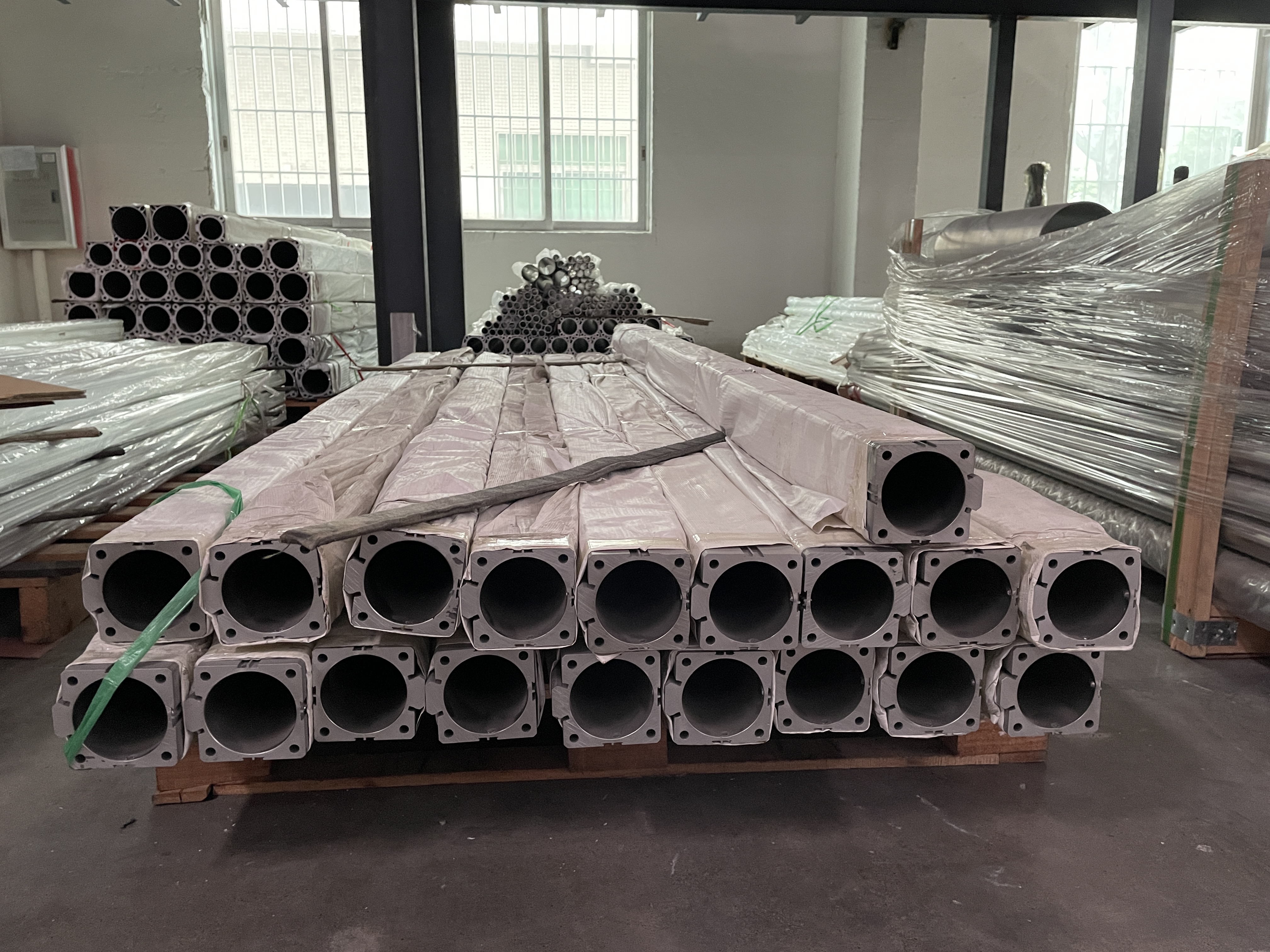
Yes, our company specializes in supplying OEM and customized pneumatic components. Foshan Weiyingjia Technology Co., Ltd. can produce cylinder barrels, kits, and seals according to customer specifications. With over 15 years of manufacturing experience and advanced CNC and testing equipment, we ensure high-quality results. Buyers can trust our factory to supply tailored products at competitive prices, whether for wholesale distribution or specialized projects.