

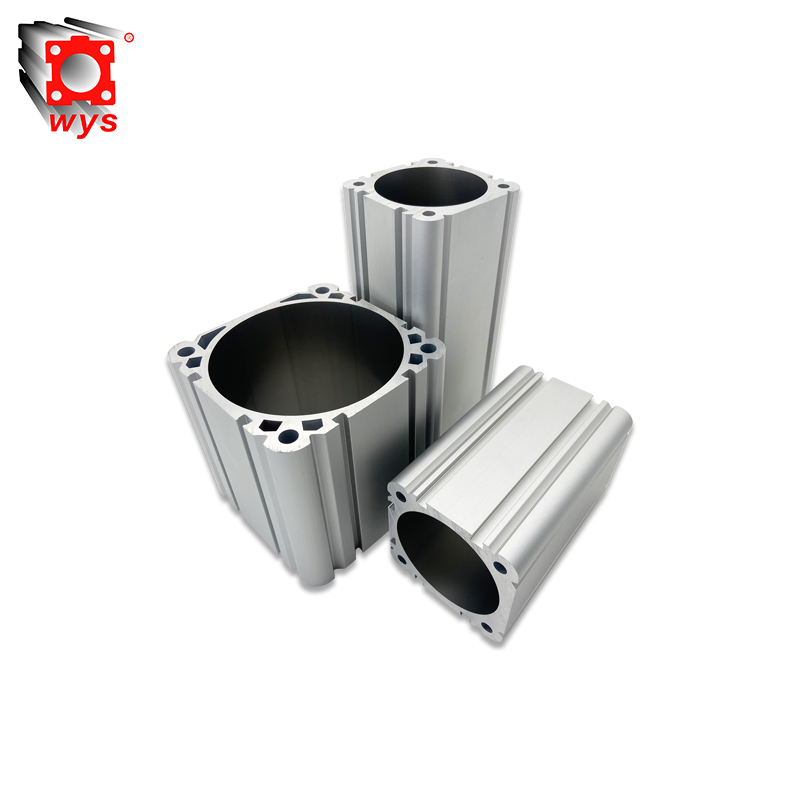
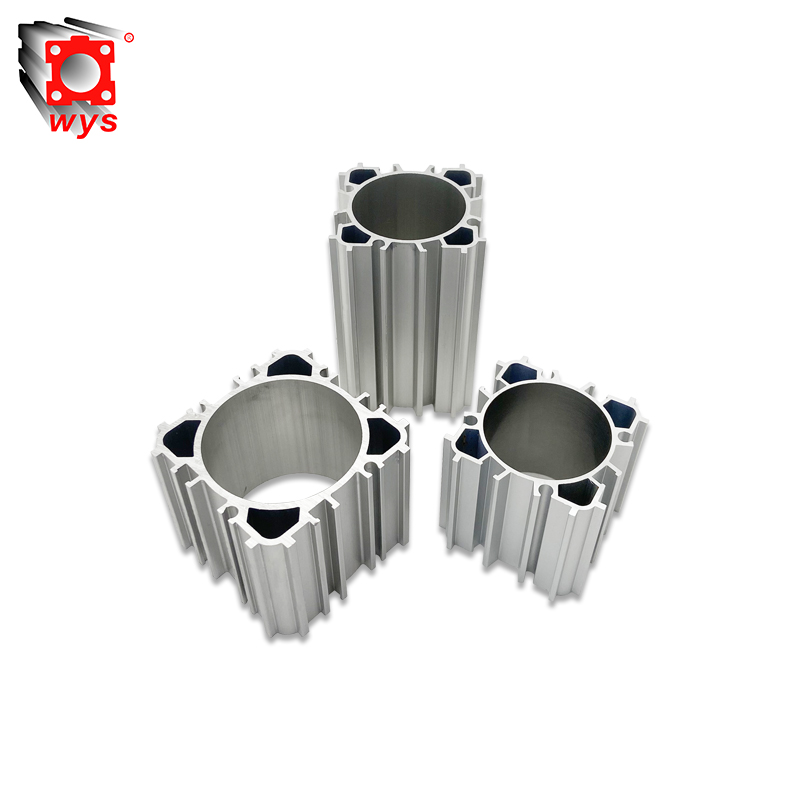
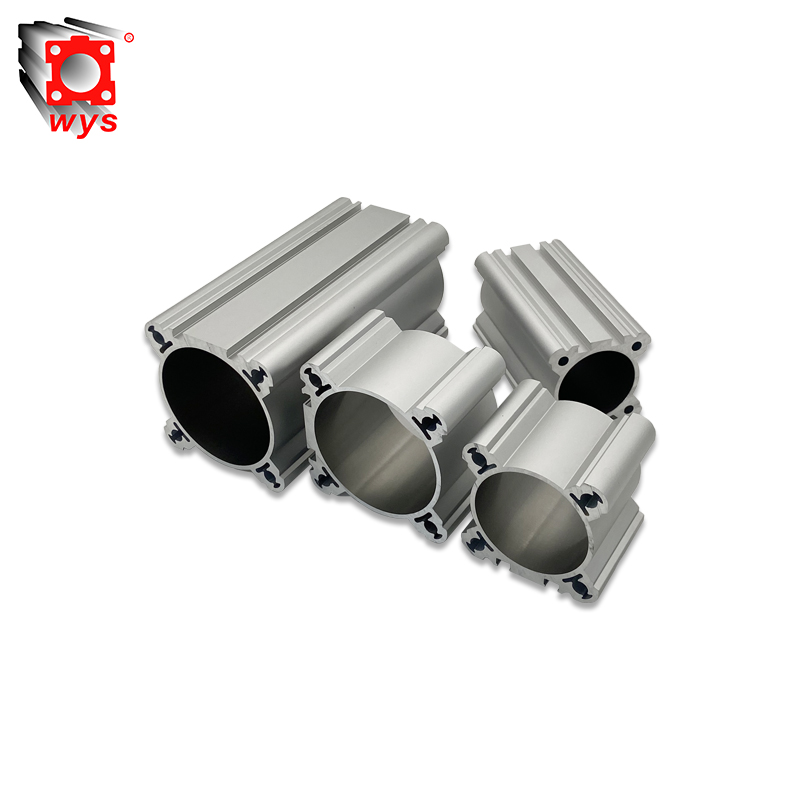
In pneumatic systems, the pneumatic cylinder barrel is the core pressure-bearing component of the cylinder. Its structural integrity, inner wall condition, and sealing performance directly determine the working reliability of the entire cylinder.
When equipment malfunctions, many technicians ask a very practical question:
If the pneumatic cylinder barrel is faulty, can it still be repaired?
This question cannot be simply answered with "yes" or "no." Whether a pneumatic cylinder barrel can be repaired depends on the type of fault, the extent of the damage, the structural form, and whether the original performance can be restored after repair.
This article will analyze the repairability of pneumatic cylinder barrels from an engineering and maintenance perspective, helping you establish clear and rational judgment criteria.
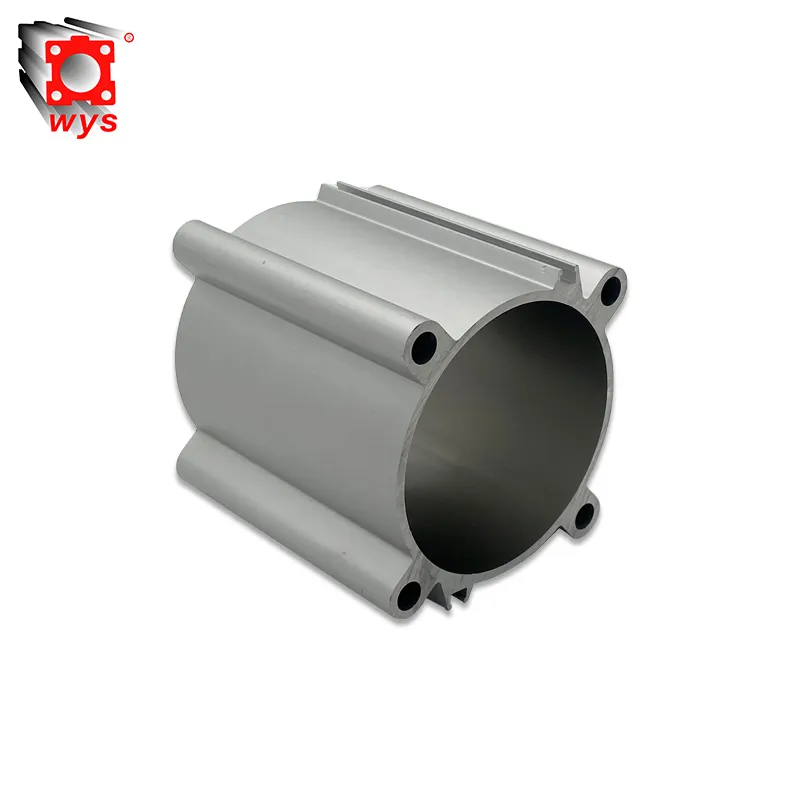
What types of problems commonly occur with pneumatic cylinder barrels?
From a structural and usage perspective, common problems with pneumatic cylinder barrels mainly focus on the following aspects:
• Inner wall wear or scratches
• Deterioration of inner surface roughness
• Corrosion or damage to the oxide layer
• Roundness and straightness deviations
• Indirect damage caused by seal failure
These problems do not occur simultaneously, but rather appear gradually depending on working conditions, usage frequency, and maintenance status.
Does a problem with a pneumatic cylinder barrel always mean it's beyond repair?
This is a common misconception.
A problem with a pneumatic cylinder barrel does not necessarily mean it must be scrapped, but not all problems are worth or suitable for repair. The key is to determine whether the problem is a recoverable type of damage and whether the cylinder can still meet basic technical requirements after repair.
From an engineering perspective, determining whether a pneumatic cylinder barrel is repairable usually follows three basic principles:
1. Can the sealing performance be restored?
2. Can smooth piston movement be ensured?
3. Will it not introduce new safety hazards?
If any of these conditions cannot be met, the pneumatic cylinder barrel is no longer suitable for repair and continued use.
Which types of pneumatic cylinder barrel problems can be repaired?
Under certain conditions, the following types of problems are theoretically repairable:
1. Pneumatic cylinder barrels with slight inner wall wear
If the inner wall of the pneumatic cylinder barrel only has slight, uniform wear, without significant scoring or grooves, and the roundness is still within the allowable range, basic performance may be restored through appropriate inner wall treatment.
It's important to emphasize that this type of repair usually requires:
• Minimal wear depth
• No impact on the seal's fit
• No damage to the overall structure of the pneumatic cylinder barrel
2. Problems caused by surface contamination or deposits
Some pneumatic cylinder barrel problems are not due to damage to the material itself, but rather due to:
• Internal impurity adhesion
• Sludge accumulation
• Surface abnormalities caused by moisture residue
In this case, professional cleaning and inspection of the pneumatic cylinder barrel can often restore normal function.
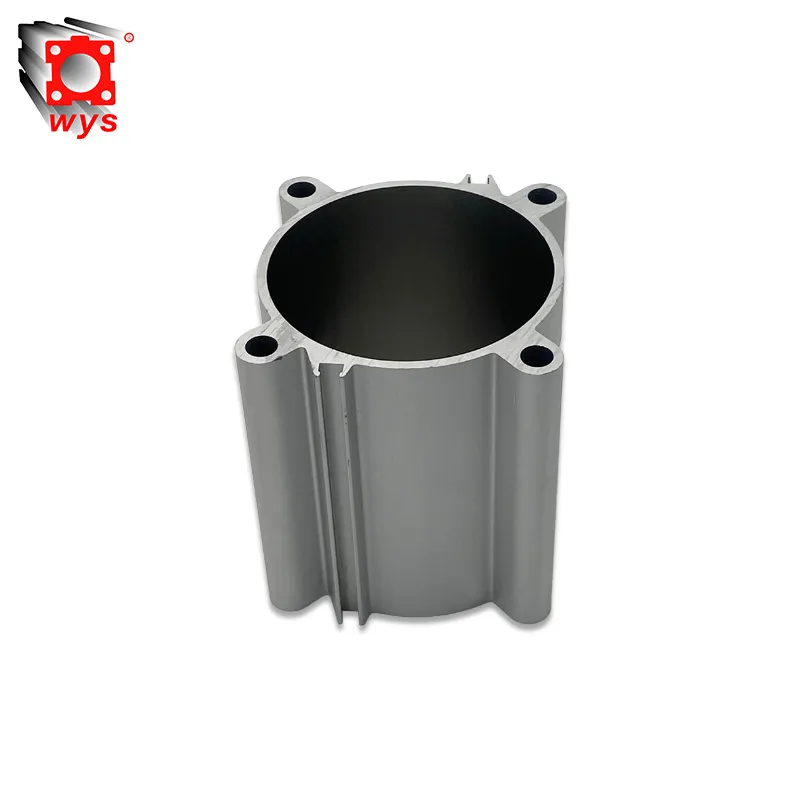
Under what circumstances is a pneumatic cylinder tube unsuitable for repair?
Compared to situations where repair is possible, the following problems are more concerning, as they usually mean that continued repair and use are not recommended.
1. Deep scratches or scoring on the inner wall of the pneumatic cylinder tube
When the inner wall of the pneumatic cylinder tube shows obvious grooves or scratches, it means that:
• The sealing surface has been damaged
• Friction conditions have severely deteriorated
• Piston operation stability has decreased
This type of damage usually cannot be restored to its original precision through simple repairs.
2. Significant deformation of the pneumatic cylinder tube
If the pneumatic cylinder tube exhibits:
• Ovalization
• Bending
• Non-perpendicular end faces
This type of structural deformation is often caused by overload or installation stress, and repair is extremely difficult and risky.
3. Severe damage to the wear-resistant or oxide layer of the pneumatic cylinder tube
Many pneumatic cylinder tubes have undergone surface treatment (such as hard anodizing). Once this functional layer is extensively peeled off or damaged, even with local repairs, it is difficult to restore the original wear resistance and sealing performance.
What are the core difficulties in repairing a pneumatic cylinder tube?
From a professional perspective, the difficulties in repairing a pneumatic cylinder tube mainly focus on the following aspects:
1. Difficulty in restoring inner diameter precision
Pneumatic cylinder barrels have very strict requirements for inner diameter size, tolerance, roundness, and straightness. Any repair must ensure that these parameters are not compromised.
2. Difficulty in controlling surface roughness
The surface roughness of the inner wall of the pneumatic cylinder barrel directly affects the life of the seals and the friction coefficient. If the original surface condition cannot be restored during the repair process, it may shorten the service life.
3. Difficulty in verifying consistency after repair
Even if a single repair seems successful, it is difficult to guarantee the stability and consistency of the pneumatic cylinder barrel during long-term operation.
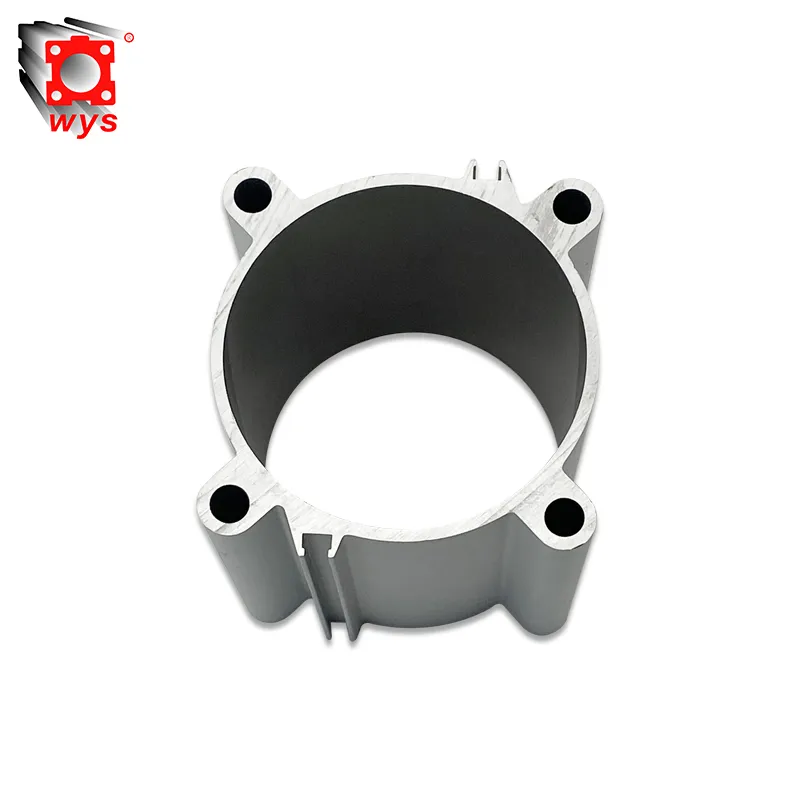
How to weigh the repair and replacement of pneumatic cylinder tubes?
When deciding whether to repair a pneumatic cylinder tube, engineers typically consider the following factors:
• Whether the repaired cylinder can still meet sealing requirements
• Comparison of repair costs and replacement costs
• Whether repair introduces potential risks
• Whether it affects system stability
In many standardized pneumatic systems, replacing the entire pneumatic cylinder tube is often more controllable and reliable than repairing it.
Can a repaired pneumatic cylinder tube still guarantee its original performance?
This is a question that must be addressed.
From a technical perspective, most repaired pneumatic cylinder tubes are difficult to fully restore to their original factory performance. Even if they can operate normally in the short term, their long-term stability, wear resistance, and sealing life often have uncertainties.
Therefore, the repair of pneumatic cylinder tubes is usually only suitable for:
• Applications with low precision requirements
• Temporary or transitional use
• Non-critical moving parts
For high-precision, high-frequency applications, repaired pneumatic cylinder tubes often lack sufficient reliability.
Do all pneumatic cylinder barrels support repair structurally?
Not necessarily.
Different structures of pneumatic cylinder barrels have significant differences in their repairability. For example:
• Integrally formed pneumatic cylinder barrels have limited repair space
• Thin-walled pneumatic cylinder barrels have a higher risk of reduced strength after repair
• Pneumatic cylinder barrels with high surface treatment requirements are difficult to repair
Therefore, before deciding whether to repair a pneumatic cylinder barrel, it is essential to fully understand its structural characteristics.
How to reduce the need for pneumatic cylinder tube repairs?
Although this article does not discuss future trends, from a usage perspective, proper use and maintenance are fundamental ways to reduce pneumatic cylinder tube failures.
This includes, but is not limited to:
• Ensuring a clean air source
• Avoiding overpressure use
• Proper installation to prevent eccentric loading
• Regularly checking the sealing condition
These measures help extend the effective service life of the pneumatic cylinder tube, thus reducing the dilemma of whether to repair it.
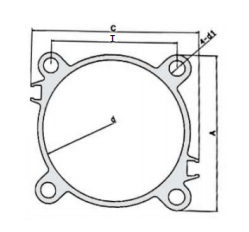
Can a faulty pneumatic cylinder tube actually be repaired?
Based on a comprehensive analysis of the entire text, the following conclusions can be drawn:
• A problem with a pneumatic cylinder tube does not necessarily mean it needs to be immediately scrapped.
• Minor, non-structural problems can be repaired under certain conditions.
• Repairing pneumatic cylinder tubes with severe wear, deformation, or surface damage is not recommended.
• Repaired pneumatic cylinder tubes are unlikely to fully restore their original performance.
• The decision to repair should be based on safety, stability, and controllability as the core criteria.
Rationally assessing the condition of the pneumatic cylinder tube, rather than blindly pursuing repair or continued use, is the responsible approach to equipment and systems.
What makes your pneumatic cylinder tubes superior to competitors?
Our factory sets higher technical requirements than the market standard, ensuring high precision and durability. We conduct rigorous testing at every production stage, including CNC machining, grinding, aging, polishing, sandblasting, and hard anodizing.
By choosing Weiyingsi products, customers gain access to a reliable manufacturer that prioritizes high-quality production, competitive prices, and consistent supply for wholesale or bulk purchasing needs.