

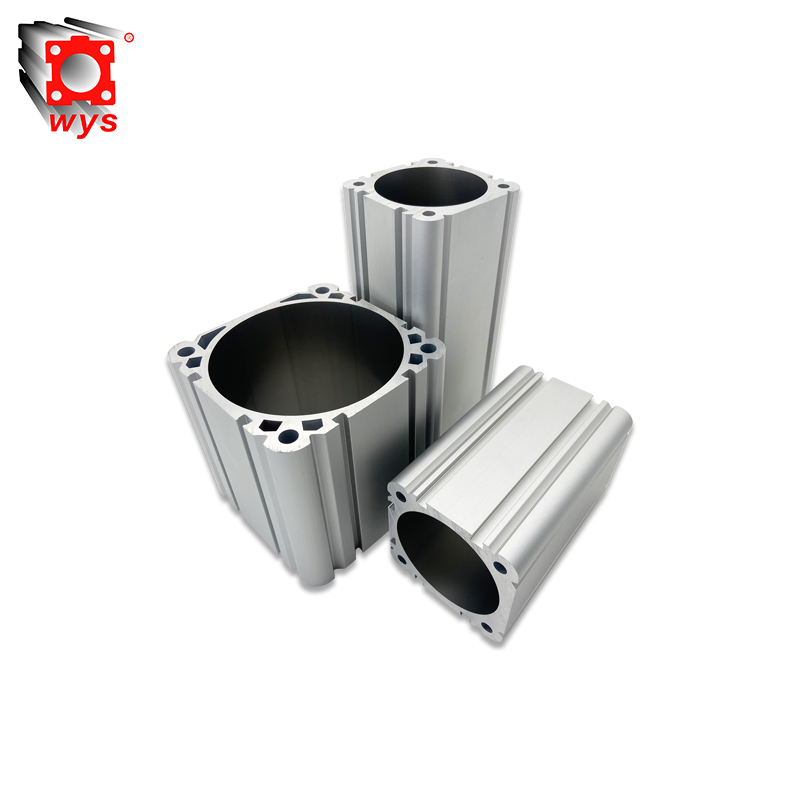
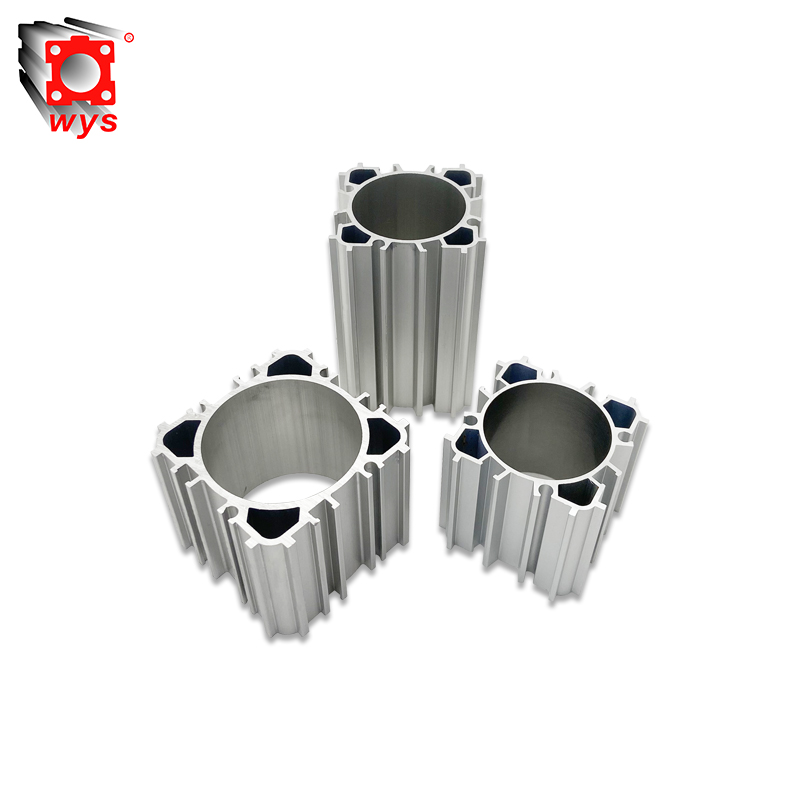
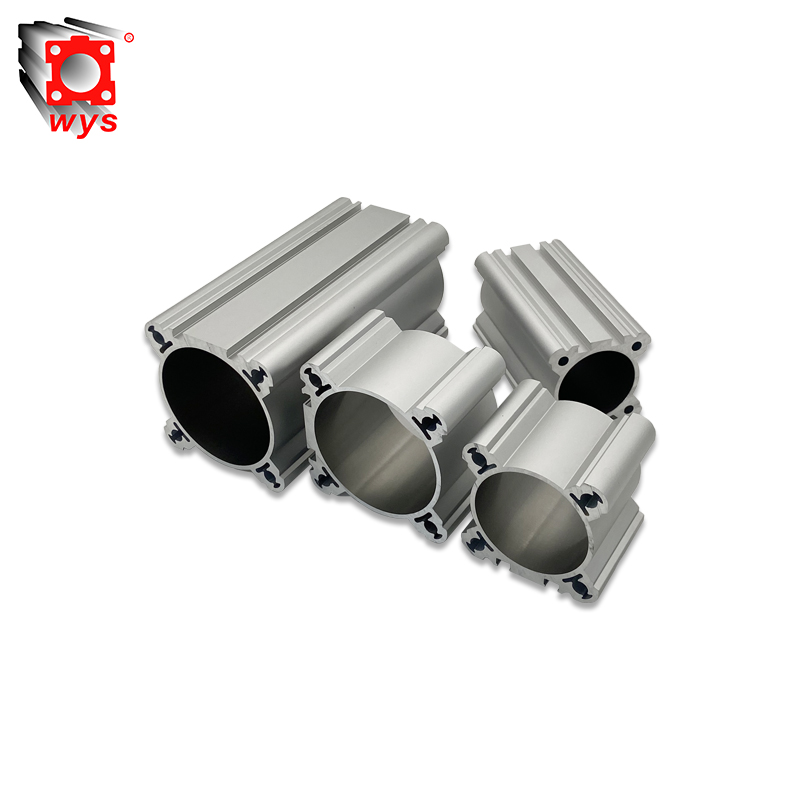
In pneumatic systems, a cylinder is a fundamental actuator that uses compressed air to generate linear motion, and the pneumatic cylinder barrel(air cylinder tube) is the most core and basic component of the cylinder structure. Regardless of the cylinder's external shape, its essence always involves a cylinder structure capable of withstanding air pressure, accommodating the piston, and forming a sealed space.
Among the many types of cylinders, the double-acting cylinder is the most widely used in the industrial field. The corresponding double-acting pneumatic cylinder barrel is significantly superior to other types of pneumatic cylinder barrels in terms of structural complexity, sealing requirements, and operational stability.
So, what is a double-acting pneumatic cylinder barrel? What are the essential differences between it and an ordinary pneumatic cylinder barrel? Why does the double-acting structure place higher demands on the pneumatic cylinder barrel?
This article will provide a systematic and professional analysis of the double-acting air cylinder tube from the perspective of engineering structure and working principle.
What is "double-acting"? Why does it determine the structure of the pneumatic cylinder barrel?
Double-acting means that the piston is powered by compressed air in both the extension and retraction directions. That is:
• When the piston moves forward, one side of the air chamber receives air, and the other side exhausts air.
• When the piston moves backward, the direction of air intake and exhaust is reversed.
This mode of operation is fundamentally different from single-acting cylinders, which are driven by gas in only one direction.
What requirements does double-acting place on the pneumatic cylinder barrel?
Because compressed air acts alternately in both directions, the pneumatic cylinder barrel must simultaneously meet the conditions of double-chamber sealing, bidirectional force bearing, and long-term reciprocating motion. This is precisely where the structural complexity and engineering value of the double-acting pneumatic cylinder barrel lie.
What is a double-acting pneumatic cylinder barrel?
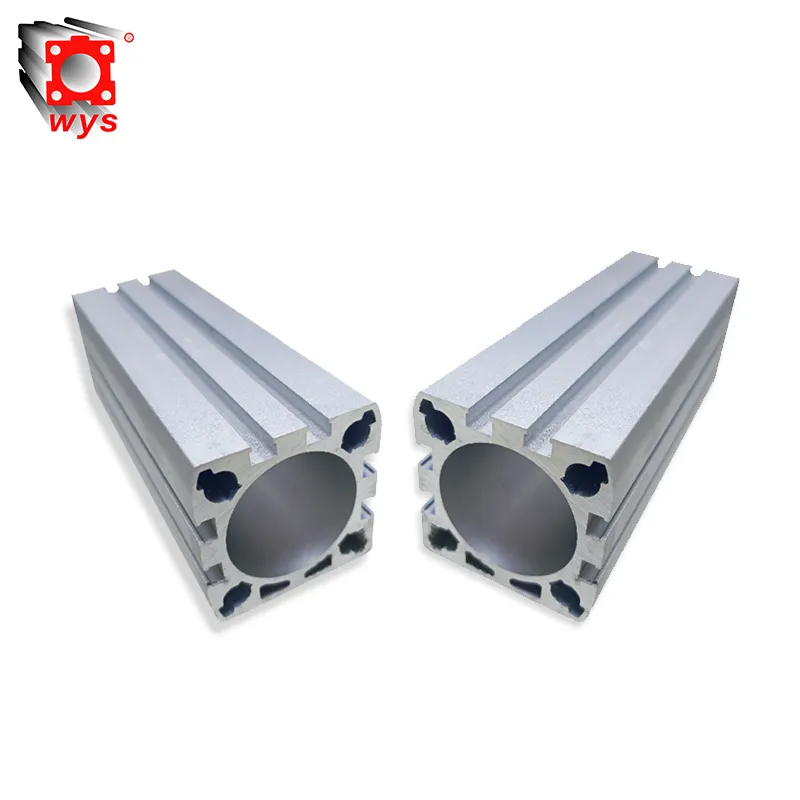
A double-acting pneumatic cylinder barrel refers to a cylinder barrel structure specifically designed for double-acting cylinders. It is a hollow cylindrical body with a precisely machined inner surface. Its internal space is divided into two independent working chambers by the piston. From a functional perspective, a double-acting pneumatic cylinder barrel primarily performs the following tasks:
• Provides a sealed environment for the bidirectional movement of the piston.
• Withstands alternating gas pressure from both sides.
• Ensures the guiding accuracy and stability of the piston during reciprocating motion.
It can be said that the double-acting pneumatic cylinder barrel is the structural foundation for achieving bidirectional pneumatic drive.
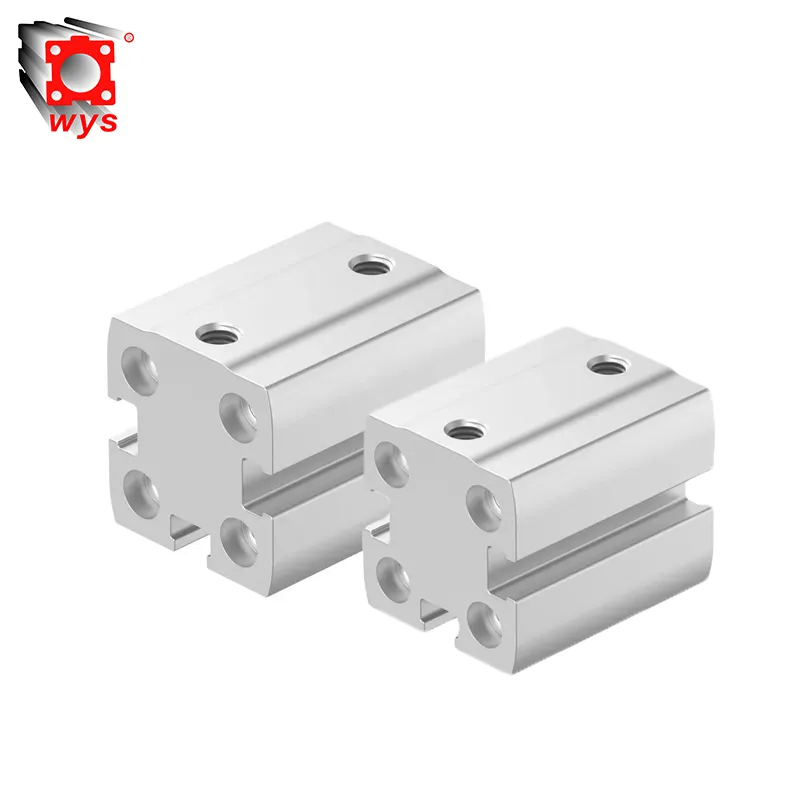
What is the internal structure of a double-acting pneumatic cylinder barrel?
1. Double Working Chamber Structure
The most significant structural feature of a double-acting pneumatic cylinder barrel is the presence of two working chambers: a front chamber and a rear chamber. The piston is located between these two chambers and moves back and forth within the cylinder barrel as the gas pressure changes.
This means that:
• The inner bore of the cylinder barrel must maintain consistent accuracy throughout the entire stroke range.
• Any local defects on the inner wall will be repeatedly magnified during bidirectional movement.
2. Symmetrical or Approximately Symmetrical Stress Environment
In a double-acting pneumatic cylinder barrel, gas pressure acts alternately on both sides of the piston, and the inner wall of the cylinder barrel continuously bears varying loads during operation.
This requires the cylinder barrel to possess:
• Good structural rigidity
• Uniform wall thickness distribution
• Stable geometric shape
Why does a double-acting air cylinder tube have higher requirements for its inner surface?
Among all types of air cylinder tubes, double-acting air cylinder tubes usually have the highest requirements for inner surface quality.
1. Long-term contact between the inner surface and the piston
Because the piston needs to move back and forth frequently within the cylinder barrel, the number of contacts between the inner wall and the sealing elements is far greater than in a single-acting structure. If the inner surface has the following problems:
• Excessive roughness
• Tiny scratches
• Local corrosion
This will lead to rapid wear of the sealing elements.
2. The state of the inner surface directly affects bidirectional sealing
A double-acting pneumatic cylinder barrel must maintain good sealing in both directions. Poor condition of the inner wall on one side will not only lead to leakage on that side but also affect the overall working stability of the cylinder.
Therefore, double-acting pneumatic cylinder barrels usually require precision machining and rigorous inspection to ensure that their inner surface is clean, smooth, and consistent.
What are the essential differences between a double-acting air cylinder tube and a single-acting?
From a structural and functional perspective, there are significant differences between the two:
1. Number of working chambers
• Single-acting air cylinder tube: Usually requires only one working air chamber
• Double-acting air cylinder tube: Must have two independent and reliable working air chambers
2. Force application method
• Single-acting air cylinder tube: Primarily subjected to unidirectional gas pressure
• Double-acting air cylinder tube: Subjected to bidirectional, alternating gas pressure
3. Different requirements for precision and durability
Due to the frequent reciprocating motion of the piston in the double-acting structure, double-acting pneumatic cylinder barrels require higher wear resistance, bore accuracy, and structural stability.
How does a double-acting pneumatic cylinder barrel work with the sealing system?
Although the pneumatic cylinder barrel itself does not have a sealing function, it is the foundation of all sealing structures.
1. The importance of bore size accuracy
The inner diameter of the double-acting pneumatic cylinder barrel must be highly matched with the piston and seals:
• Too tight will increase friction
• Too loose will lead to air leakage
Therefore, bore size tolerance is a core control point in the design and manufacturing of double-acting pneumatic cylinder barrels.
2. The impact of inner wall condition on seal life
During bidirectional movement, the seals repeatedly contact the inner wall of the air cylinder tube. The more stable the inner wall quality, the more controllable the working state of the seals, and the more reliable the overall operation.
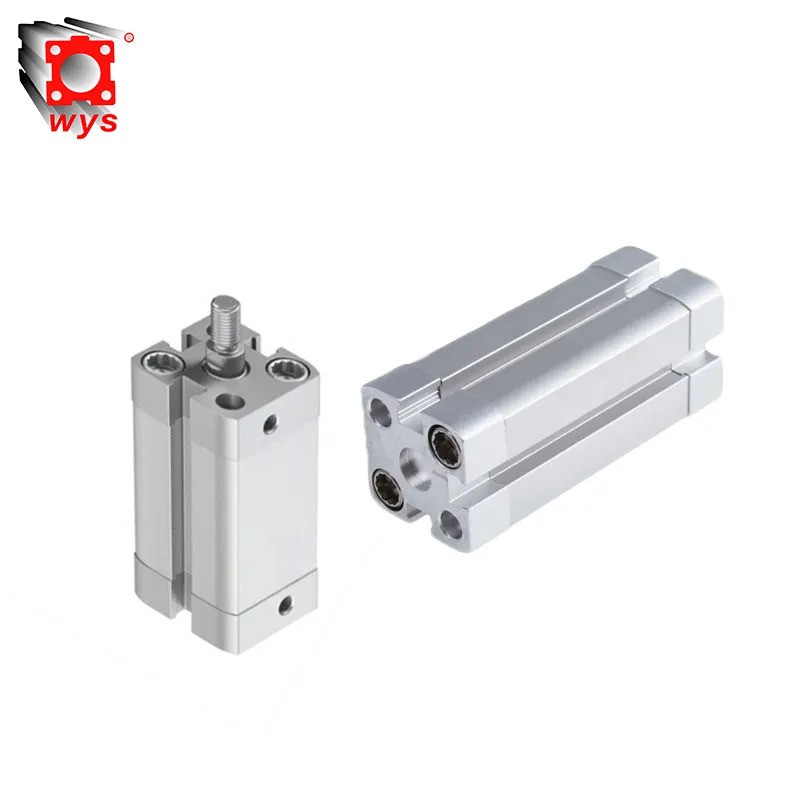
From an engineering perspective, what key responsibilities does the double-acting air cylinder tube bear?
Overall, the double-acting air cylinder tube is not only a container, but also a high-precision motion guiding and pressure-bearing component. Its engineering responsibilities are mainly reflected in:
• Providing a stable, sealed bidirectional working space
• Ensuring smooth piston movement throughout the entire stroke
• Withstanding repeated pressure cycles without structural failure
Any performance deficiency will directly affect the overall performance of the double-acting cylinder.
Why is the double-acting air cylinder tube considered the foundation of cylinder performance?
From a system perspective, the thrust, speed, stability, and lifespan of the cylinder are all closely related to the air cylinder tube. In double-acting cylinders, this dependence is even more pronounced.
• Thrust stability depends on the sealing environment of the pneumatic cylinder barrel.
• Smooth movement depends on the inner surface quality of the pneumatic cylinder barrel.
• Service life depends on the wear resistance and structural integrity of the pneumatic cylinder barrel.
Therefore, the double-acting air cylinder tube can be considered the physical foundation of the double-acting cylinder's performance.
How to correctly understand the professional value of a double-acting air cylinder tube?
From a professional perspective, a double-acting air cylinder tube is not simply a "metal cylinder," but a critical component that integrates:
• Precision machining
• Sealing fit
• Bidirectional force application
• Long-term reciprocating motion
and other multiple engineering requirements. It is this structural complexity that gives the double-acting air cylinder tube an irreplaceable position in pneumatic systems.
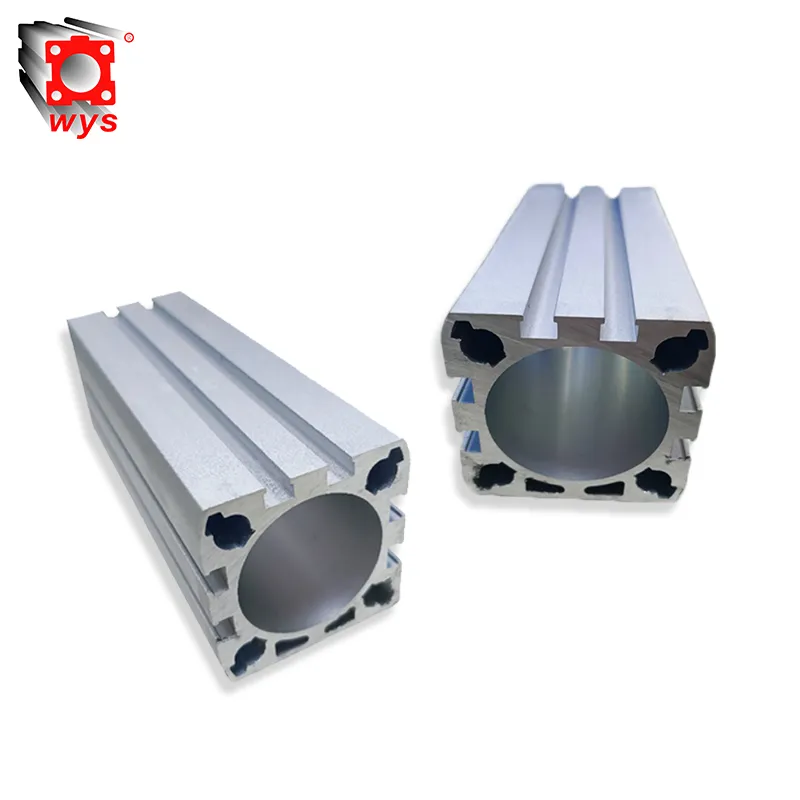
What is a double-acting pneumatic cylinder barrel?
Simply put, a double-acting pneumatic cylinder barrel is the core structural component designed for double-acting cylinders. It forms two sealed working chambers internally, allowing compressed air to perform work alternately in both directions of the piston. Compared with other types of pneumatic cylinder barrels, double-acting pneumatic cylinder barrels have higher requirements in terms of structural complexity, inner surface precision, and operational stability.
Understanding the double-acting air cylinder tube is not only understanding a component, but also understanding the engineering foundation that enables the stable and reliable operation of double-acting cylinders.
How experienced is your company in producing pneumatic cylinders?
Established in 2007, our company has over 15 years of experience in manufacturing aluminum alloy air cylinder tubes. As a professional factory and supplier, we maintain strict quality standards throughout the production process, from raw material recovery to aging, polishing, and anodizing.
Purchasing from Weiyingsi ensures you receive products manufactured by experienced technicians and tested with precision, guaranteeing high quality and long-lasting performance.