

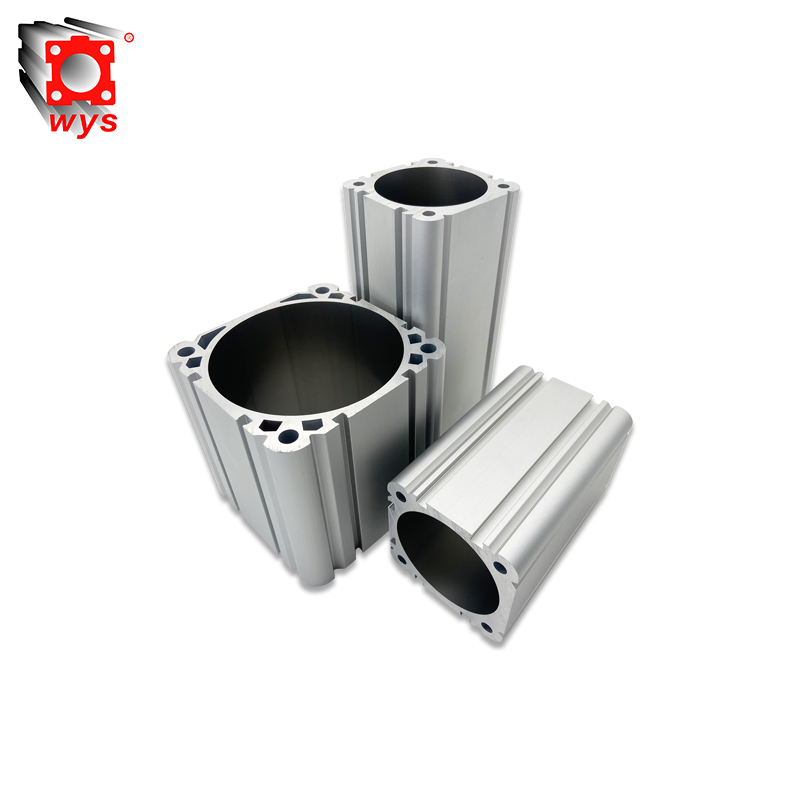
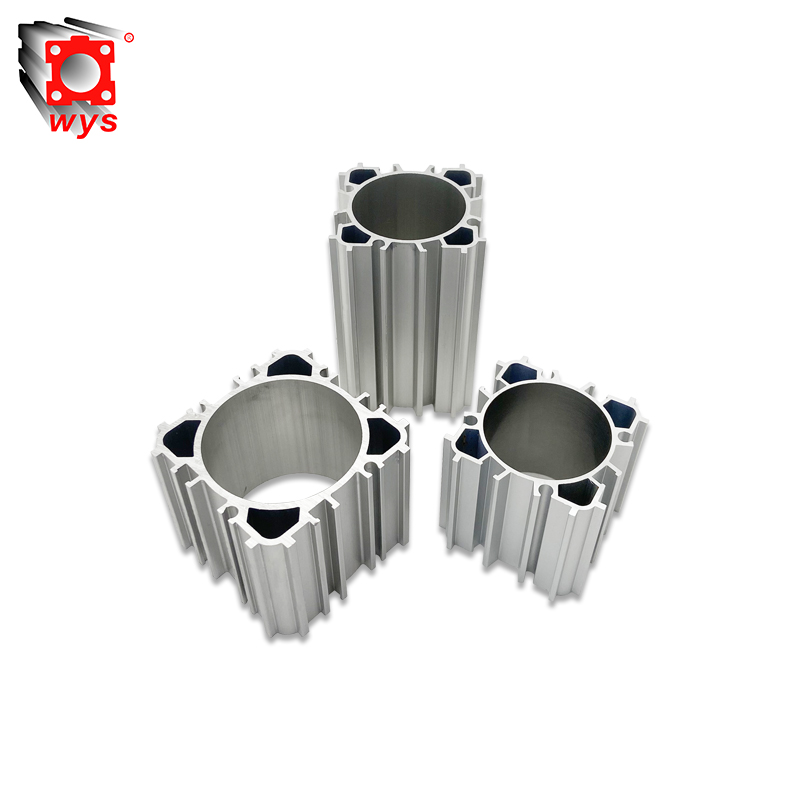
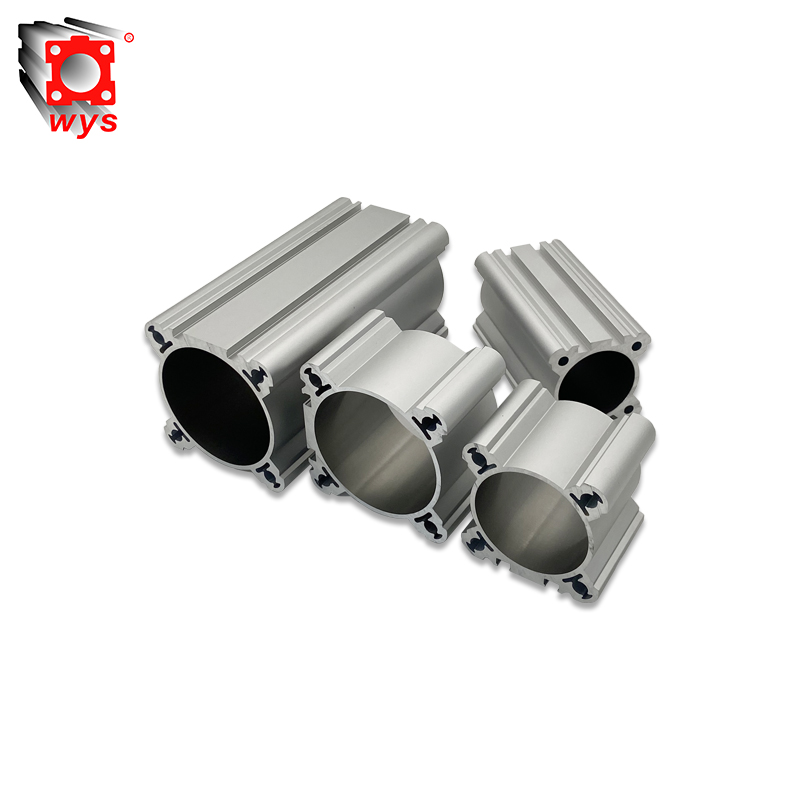
In industrial automation and mechanical equipment, pneumatic and hydraulic systems are common power transmission methods. Pneumatic systems rely on compressed air to generate power, while hydraulic systems rely on fluid pressure for energy transfer.
In both systems, cylinders are core actuators, and pneumatic cylinder barrels and hydraulic cylinder barrels are important structural components of these actuators.
During actual equipment maintenance or design, some people may ask: Can a pneumatic cylinder barrel be used as a hydraulic cylinder barrel? If the dimensions are suitable, can they be substituted for each other?
Superficially, pneumatic cylinder barrels and hydraulic cylinder barrels are both cylindrical tubular components with internal piston movement, easily leading to the idea that they are interchangeable. However, from an engineering design and mechanical performance perspective, pneumatic cylinder barrels and hydraulic cylinder barrels differ significantly in materials, structural strength, machining precision, and sealing design.
This article will help readers gain a more comprehensive understanding of the differences between pneumatic cylinder barrels and hydraulic cylinder barrels.
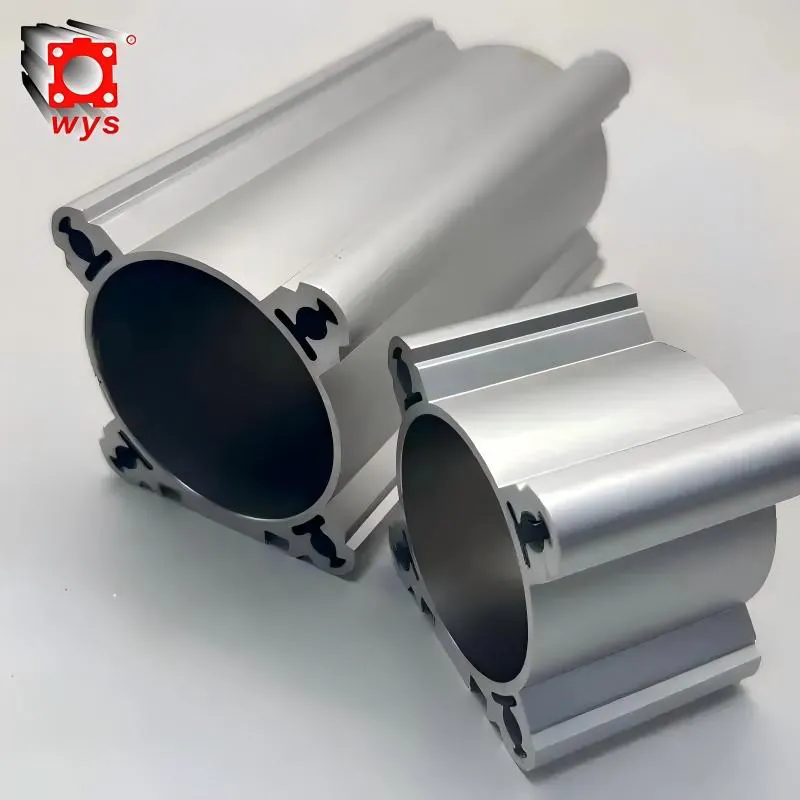
What is a pneumatic cylinder barrel?
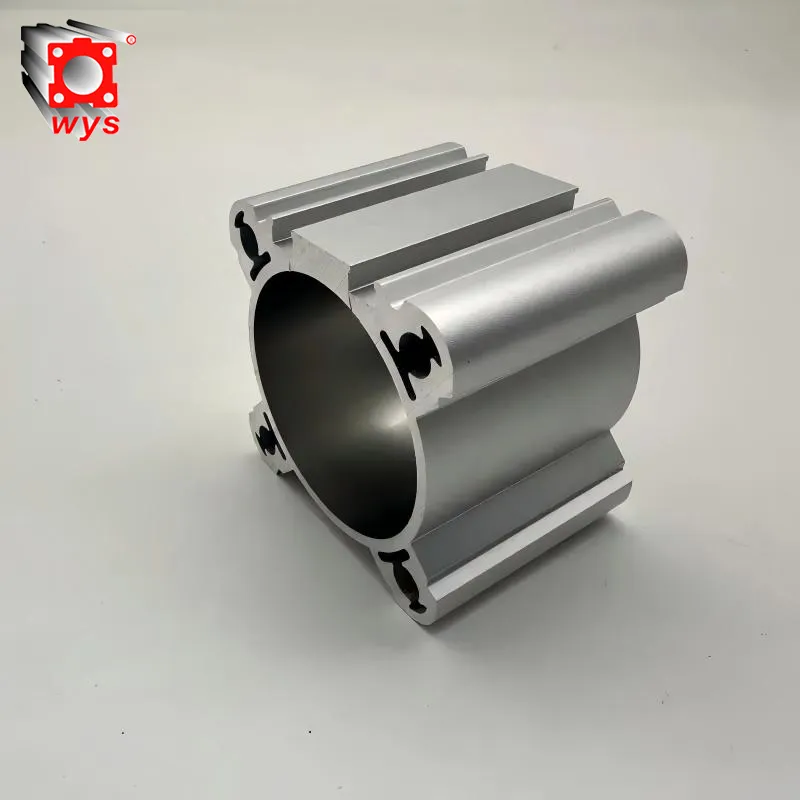
In pneumatic systems, the pneumatic cylinder barrel is the main structural component of the cylinder and the primary structure forming the internal pressure space.
The main functions of the pneumatic cylinder barrel include:
• Creating a sealed gas space
• Providing guidance for piston movement
• Withstanding internal gas pressure
• Ensuring stable cylinder movement
Pneumatic cylinder barrels are typically made of aluminum alloy or steel, with precision-machined inner walls to ensure smooth piston sliding within.
In pneumatic systems, the pneumatic cylinder barrel primarily withstands compressed air pressure. This pressure is relatively low, therefore, the design of pneumatic cylinder barrels emphasizes lightweight construction and manufacturing precision.
What is a hydraulic cylinder barrel?
A hydraulic cylinder barrel is the core structural component of a hydraulic cylinder in a hydraulic system. Similar to the pneumatic cylinder tube, it also provides space for piston movement.
The main functions of a hydraulic cylinder barrel include:
• Withstanding high-pressure fluid
• Guiding piston movement
• Forming a sealed hydraulic chamber
• Transmitting hydraulic energy
Unlike pneumatic cylinder tubes, hydraulic cylinder barrels need to withstand very high fluid pressures, therefore requiring higher strength and rigidity in their structural design.
Hydraulic cylinder barrels are typically manufactured using thick-walled steel tubing or forging materials and undergo rigorous processing and testing.
What is the difference in working pressure between pneumatic cylinder tubes and hydraulic cylinder barrels?
Working pressure is one of the most important factors in determining whether a pneumatic cylinder tube can be used in a hydraulic system.
1. Pneumatic System Pressure
The typical working pressure range for pneumatic systems is:
• 0.4 MPa
• 0.6 MPa
• 0.8 MPa
Approximately 6–8 bar.
Within this pressure range, pneumatic cylinder tubes only need to withstand relatively low gas pressures.
2. Hydraulic System Pressure
The working pressure of a hydraulic system is typically:
• 10 MPa
• 16 MPa
• 21 MPa
• 31.5 MPa
Even higher.
This means that the pressure a hydraulic cylinder barrel withstands can be dozens of times higher than that of a pneumatic cylinder tube.
Therefore, from a pressure-bearing capacity perspective, ordinary pneumatic cylinder tubes usually cannot meet the strength requirements of hydraulic systems.
Is the structure of a pneumatic cylinder tube suitable for hydraulic systems?
Pneumatic cylinder tubes typically emphasize the following characteristics in their structural design:
• Lightweight
• Easy to process
• Lower cost
Many pneumatic cylinder tubes use:
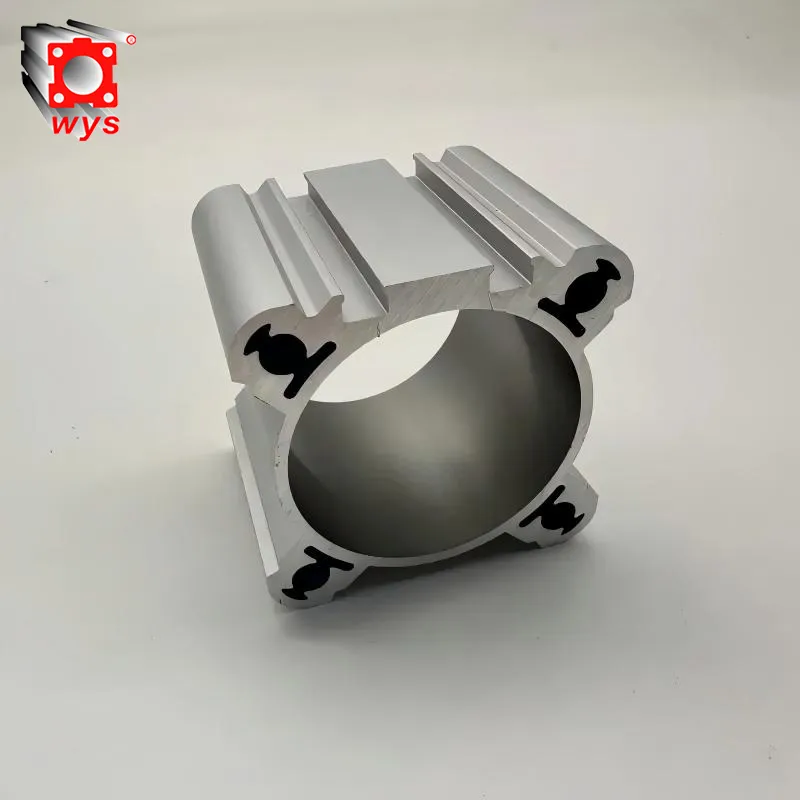
• Extruded aluminum alloy profiles
• Thin-walled steel tubing
These materials are perfectly adequate for pneumatic systems, but may present the following problems in hydraulic systems:
1. Insufficient pressure-bearing capacity
2. Weak resistance to deformation
3. Prone to fatigue under long-term high pressure
Therefore, even with the same dimensions, pneumatic cylinder tubes are difficult to replace hydraulic cylinder barrels in terms of structural strength.
Does the internal wall machining precision of a pneumatic cylinder tube meet hydraulic requirements?
The internal wall of a pneumatic cylinder tube typically requires the following machining processes:
• Boring
• Honing
• Surface treatment
The purpose is to reduce friction and improve sealing performance.
Hydraulic cylinder barrels also require high-precision internal walls, but the requirements are usually more stringent because the fluid pressure in hydraulic systems is higher, and leakage problems are more severe if the seal fails.
Therefore, the machining process for hydraulic cylinder barrels often includes:
• Precision boring
• High-precision honing
• Rigorous testing
Although the internal wall quality of a pneumatic cylinder tube is already high, it still may not meet the stringent standards of hydraulic systems in many cases.
Can the sealing structure of a pneumatic cylinder tube be used in a hydraulic system?
There are significant differences in sealing structures between pneumatic and hydraulic systems.
Pneumatic cylinder tubes in pneumatic systems typically use:
• Pneumatic seals
• Dust seals
• Low-friction seals
These seals are primarily used to prevent gas leakage. Seals in hydraulic systems must withstand:
• High pressure
• High temperature
• High load
Hydraulic seals are typically more robust and have higher pressure resistance.
If a pneumatic cylinder barrel is used directly in a hydraulic system, the existing sealing structure may not be able to withstand the hydraulic pressure.
What problems might arise with pneumatic cylinder barrels in a hydraulic environment?
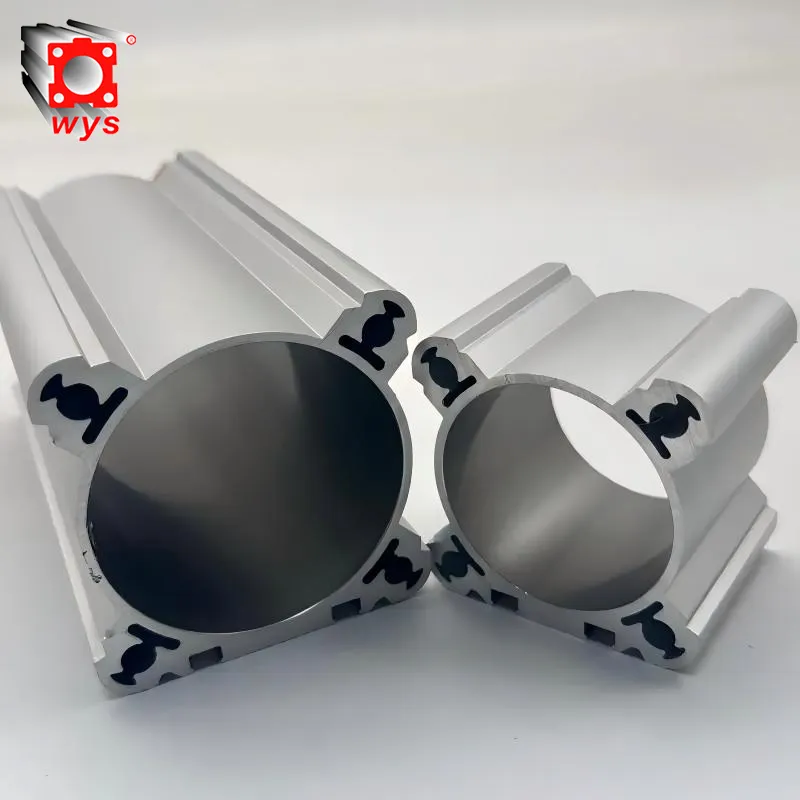
If a pneumatic cylinder barrel is used directly as a hydraulic cylinder, the following problems may occur:
1. Structural deformation
Due to the high pressure in a hydraulic system, the pneumatic cylinder barrel may deform.
2. Seal failure
The pneumatic sealing system may not be able to withstand the hydraulic pressure, leading to leakage.
3. Fatigue damage
Prolonged exposure to high pressure may cause material fatigue in the pneumatic cylinder barrel.
4. Safety risks
Insufficient structural strength may lead to equipment failure or even safety accidents.
Therefore, the use of pneumatic cylinder barrels in hydraulic systems is generally not recommended in engineering design.
Are there any alternatives in special circumstances?
In some low-pressure hydraulic systems, if the fluid pressure is very low and the pneumatic cylinder tube has sufficient structural strength, a similar cylinder barrel structure may sometimes be used under special conditions.
However, this usually requires the following conditions to be met:
• Extremely low pressure
• Sufficient material strength
• Rigorous testing
In standard industrial design, pneumatic cylinder tubes are still primarily used in pneumatic systems.
How to correctly choose a pneumatic cylinder tube or a hydraulic cylinder barrel?
During equipment design, the appropriate cylinder barrel should be selected based on the type of power system.
If the system uses compressed air, the following should be selected:
Pneumatic cylinder tube
If the system uses hydraulic oil, the following should be selected:
Hydraulic cylinder barrel
The following factors also need to be considered during selection:
• Working pressure
• Cylinder bore size
• Stroke length
• Installation method
• Material type
Only by correctly selecting the cylinder barrel type can the long-term stable operation of the system be guaranteed.
How does Weiyingjia guarantee precision in pneumatic components?
Weiyingjia is a professional manufacturer with over 15 years of experience in producing aluminum alloy pneumatic cylinder tubes, kits, liners, and seals. Each product is rigorously tested during cold drawing, polishing, CNC machining, and hard anodizing. Buyers purchasing from our company enjoy high-quality, precise, and durable components. Our factory’s strict quality control and competitive prices make Weiyingsi a reliable supplier for wholesale and branded industrial applications worldwide.