

In industrial automation equipment, cylinders are among the most common actuators. Many newcomers to pneumatic systems ask a fundamental question: Is a cylinder a piston's movement?
On the surface, the movement of a cylinder seems to be simply the movement of a piston. However, analyzing this from the perspectives of mechanical structure, power transmission, and pneumatic principles requires a more systematic and rigorous explanation. The movement of a cylinder is not merely a simple piston motion; it involves the coordinated work of multiple key structures, including the pneumatic cylinder barrel, piston, piston rod, sealing system, and compressed air power conversion.
This article will analyze the working principle of a cylinder, the core function of the pneumatic cylinder tube, the power source of piston movement, and the relationships between the overall structure of the cylinder, helping readers fully understand the essential form of movement of a cylinder.
What is the Basic Structure of a Cylinder?
To understand whether a cylinder involves piston movement, it is first necessary to understand its basic structure.
A standard cylinder typically consists of the following parts:
• Pneumatic cylinder barrel
• Piston
• Piston rod
• Front and rear end caps
• Seals
• Guide devices
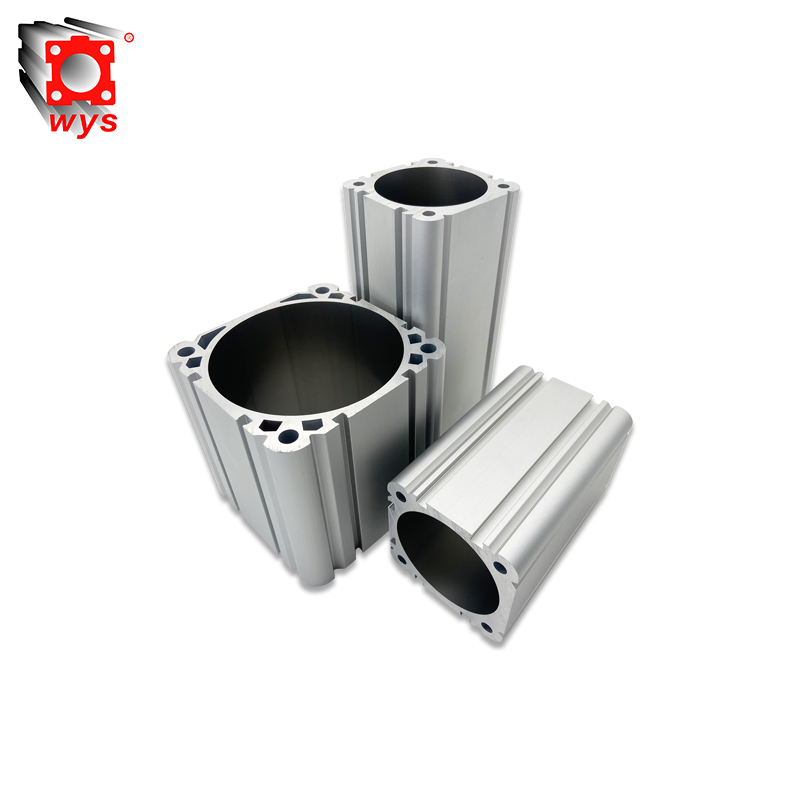
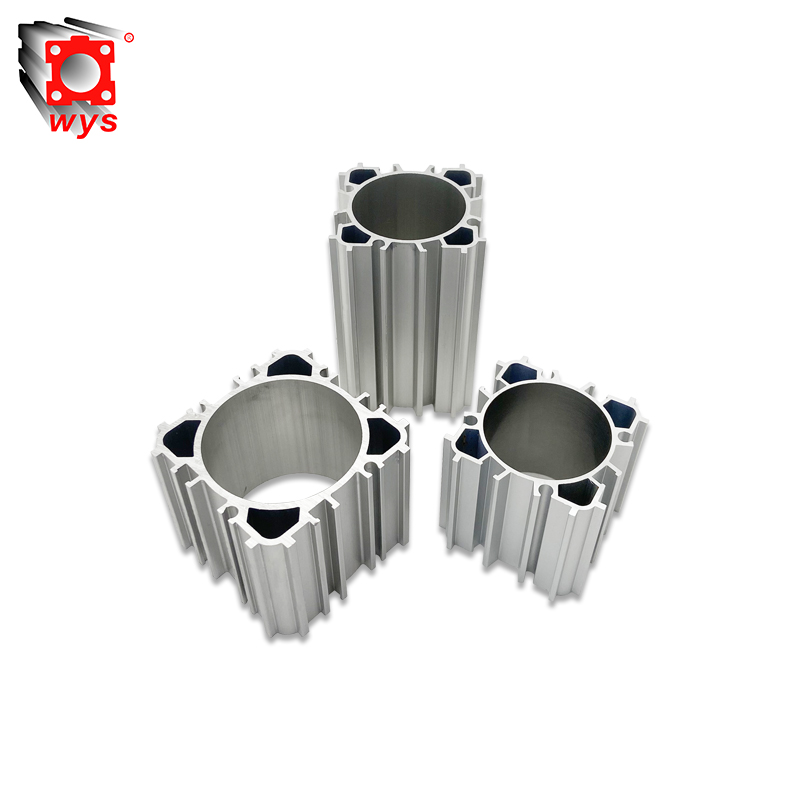
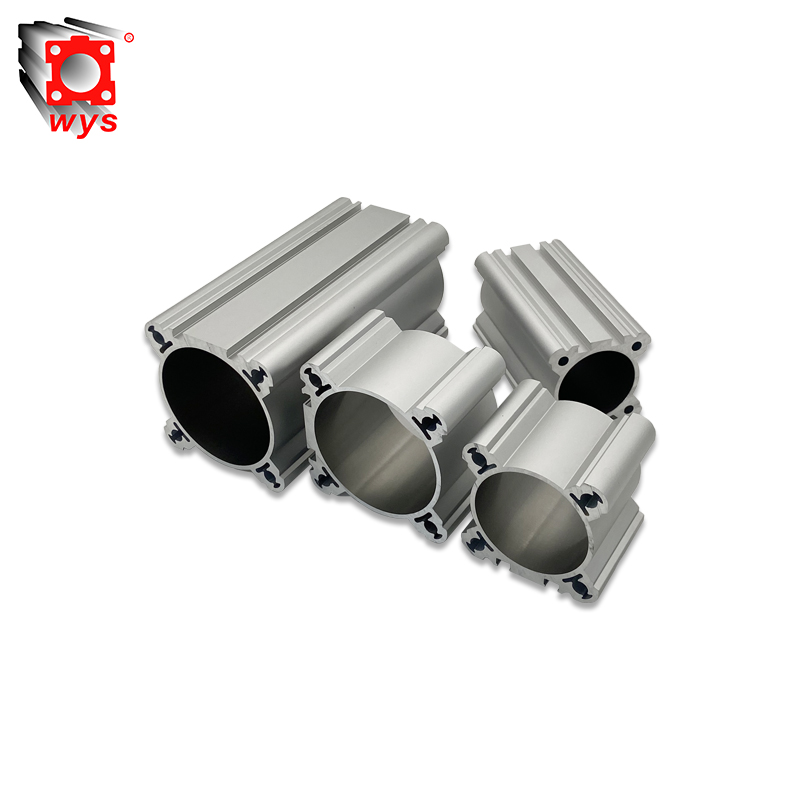
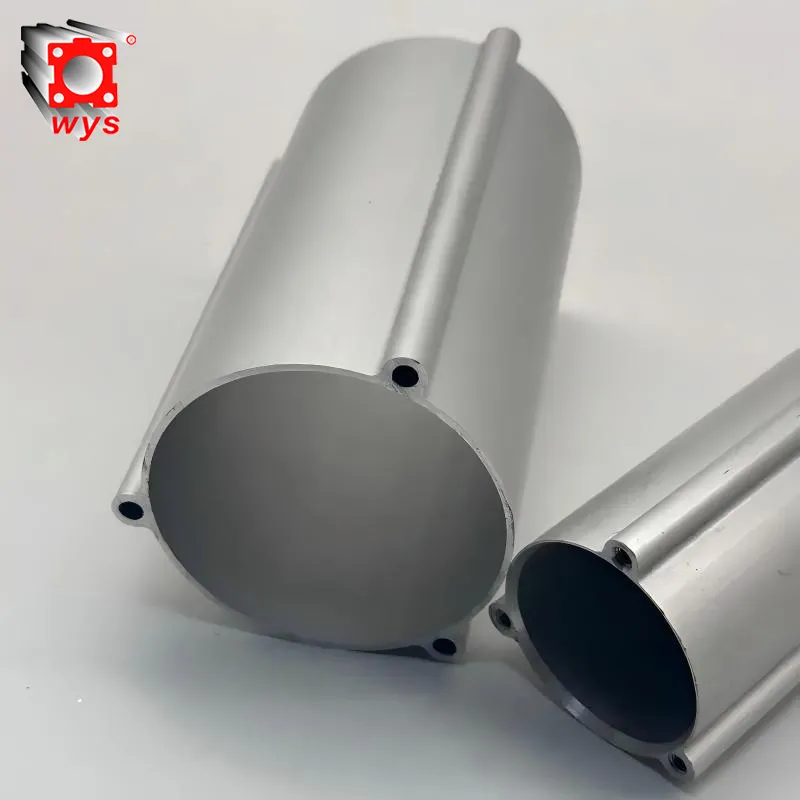
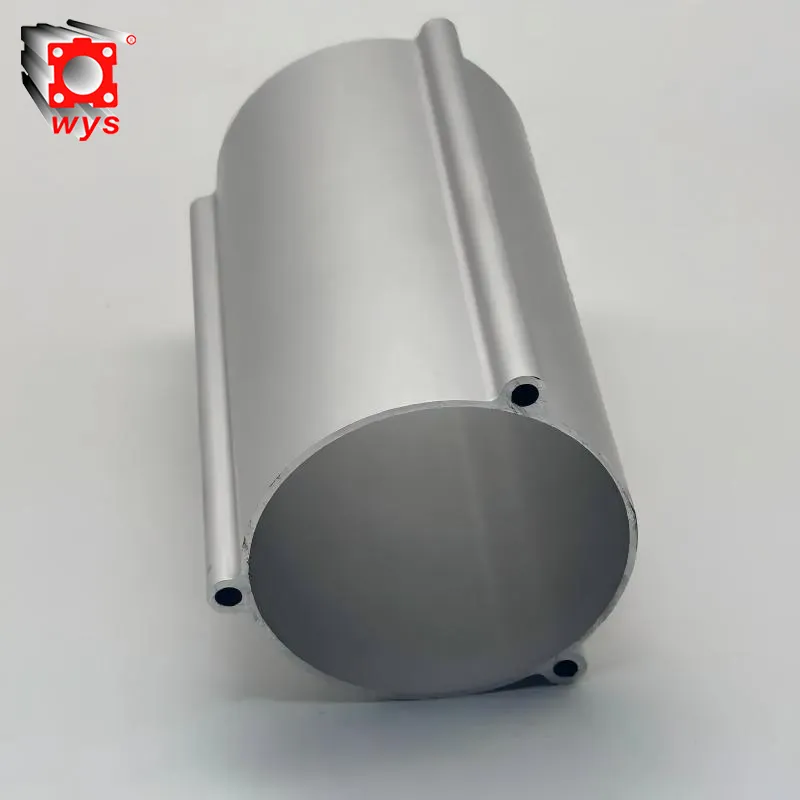
The pneumatic cylinder barrel is the main structure of the cylinder. It provides the piston with the space to move and withstands the pressure of the internal compressed air.
The role of the pneumatic cylinder barrel in a cylinder
The pneumatic cylinder barrel mainly performs the following functions:
1. Forming a sealed pressure chamber
2. Providing a track for the piston's linear motion
3. Withstanding the pressure of the pneumatic system
4. Ensuring the stability of the piston's movement
Therefore, the pneumatic cylinder barrel is not just a simple outer shell; it is the fundamental structure that enables piston movement.
What is the essential nature of cylinder motion?
From a mechanical perspective, the essential nature of cylinder motion is indeed the linear reciprocating motion of the piston inside the pneumatic cylinder barrel.
However, this motion is not spontaneously generated but driven by compressed air.
The movement of a cylinder can be summarized as follows:
1. Compressed air enters one side of the pneumatic cylinder barrel.
2. Air pressure pushes the piston.
3. The piston transmits force to the external mechanism through the piston rod.
4. Air is expelled from the other side.
5. After the airflow direction changes, the piston moves in the opposite direction.
Therefore, the core of cylinder movement is:
Compressed air → pushes the piston → piston moves within the pneumatic cylinder barrel → generates mechanical output.
So it can be said that:
The movement of a cylinder is indeed piston motion, but this motion depends on the pneumatic cylinder barrel providing the space and pressure environment for movement.
Why is the pneumatic cylinder tube so important for piston movement?
Many people only focus on the piston but ignore the importance of the pneumatic cylinder tube. In fact, without the pneumatic cylinder tube, stable piston movement cannot be achieved.
1. The pneumatic cylinder tube provides motion guidance
The piston must move in a linear trajectory, and the inner wall of the pneumatic cylinder tube is this guiding structure.
If the machining precision of the inner wall of the pneumatic cylinder tube is insufficient, the following may occur:
• Piston jamming
• Increased friction
• Unstable movement
2. The pneumatic cylinder barrel forms a sealed space
Piston movement depends on the pressure difference between its two sides.
The pneumatic cylinder tube and the seals together form a sealed space, thus ensuring:
• No air pressure leakage
• Pressure can effectively push the piston
3. The pneumatic cylinder tube withstands system pressure
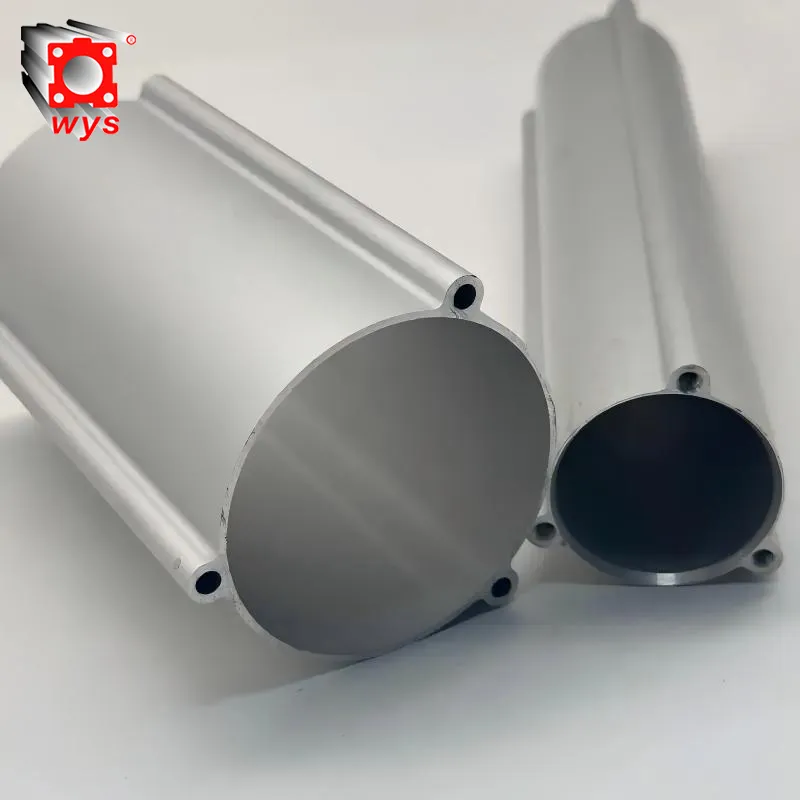
When the pneumatic system is working, the pneumatic cylinder tube needs to withstand a certain internal pressure.
If the structural strength of the pneumatic cylinder tube is insufficient, the following may occur:
• Deformation
• Leakage
• Structural damage
Therefore, the pneumatic cylinder barrel is not only a space for movement but also a pressure-bearing structure.
How does the piston move in the cylinder?
To understand the movement of the cylinder, it is also necessary to analyze the piston's movement process within the pneumatic cylinder tube.
Piston motion typically consists of two phases:
Phase 1: Propulsion
When compressed air enters the rear end of the pneumatic cylinder tube:
• Pressure in the rear chamber increases
• The piston experiences a forward thrust
• The piston moves forward along the pneumatic cylinder tube
At this time:
• Air in the front chamber is expelled through the exhaust port
Phase 2: Return Motion
When air enters the front end of the pneumatic cylinder tube:
• Pressure in the front chamber increases
• The piston is pushed back to its original position
At this time:
• Air in the rear chamber is expelled
Throughout the entire process, the piston reciprocates within the pneumatic cylinder tube.
Is cylinder motion limited to piston motion?
While most cylinders utilize piston motion, the forms of cylinder motion are not entirely singular.
Common forms of cylinder motion include:
1. Reciprocating linear piston motion
2. Sliding piston motion in rodless cylinders
3. Rotary rotational motion in oscillating cylinders
However, regardless of the specific structure, most cylinders still rely on a pressure chamber structure similar to that of a pneumatic cylinder tube.
In other words:
Piston motion is the most typical and widespread form of motion in a cylinder.
What conditions are required for piston motion within a pneumatic cylinder tube?
For a piston to move stably within a pneumatic cylinder tube, several key conditions must be met:
1. Good airtightness
The pneumatic cylinder barrel and seals must maintain a good seal; otherwise, the following will occur:
• Pressure leakage
• Reduced thrust
• Inability for the piston to move properly
2. Smooth inner wall
The inner wall of a pneumatic cylinder tube is usually precision-machined, for example:
• Precision honing
• Chrome plating
This reduces friction, making piston motion smoother.
3. Appropriate lubrication
A certain level of lubrication is usually required within the pneumatic cylinder tube to reduce:
• Piston wear
• Seal friction
Lubrication is typically achieved through a pneumatic oil mist system.
What is the relationship between cylinder motion and the dimensions of the pneumatic cylinder tube?
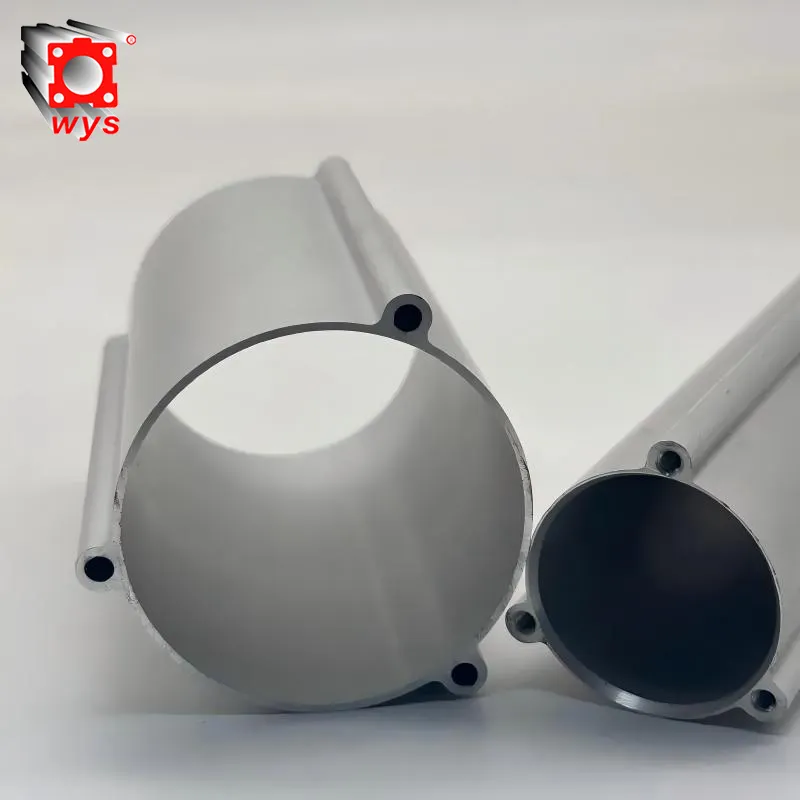
The dimensions of the pneumatic cylinder barrel directly affect piston motion performance.
1. Cylinder Bore
The inner diameter of the pneumatic cylinder tube determines:
• Piston area
• Output thrust
The larger the cylinder bore, the greater the thrust.
2. Stroke
The length of the pneumatic cylinder barrel determines:
• Maximum piston travel distance
The longer the stroke, the greater the range of motion.
3. Wall Thickness
The wall thickness of the pneumatic cylinder barrel determines:
• Pressure bearing capacity
• Structural strength
Therefore, the structural dimensions of the pneumatic cylinder barrel directly affect the cylinder's motion performance.
Why must cylinder motion rely on a pneumatic cylinder barrel?
From a mechanical system perspective, the core power of the cylinder comes from air pressure, and air pressure must rely on a sealed space to generate effective thrust.
The pneumatic cylinder barrel is precisely the structure that provides this space.
Without a pneumatic cylinder barrel:
• Compressed air cannot create a pressure difference
• The piston cannot be pushed
• The cylinder cannot generate mechanical motion
Therefore, the pneumatic cylinder barrel is the fundamental condition for the cylinder to achieve piston motion.
How to understand the relationship between cylinder and piston motion?
Based on the overall mechanical structure and working principle, it can be understood as follows:
• A cylinder is an actuator.
• A piston is the moving part inside the cylinder.
• The pneumatic cylinder barrel is the space and pressure-bearing structure for the piston's movement.
The relationship between the three can be summarized as:
The pneumatic cylinder barrel provides the space for movement → The piston moves within it → The cylinder completes the mechanical output.
Therefore, a cylinder is not simply equivalent to a piston, but rather a complete system including the pneumatic cylinder barrel, piston, and other components.
Why is Weiyingjia a preferred brand for pneumatic components?
Weiyingjia, with the Weiyingsi brand, is recognized for its high-quality aluminum alloy cylinders, kits, and components. Our factory has six production lines, advanced testing equipment, and over 100 skilled technicians. Buyers purchasing from Weiyingjia can trust in strict quality control, precision engineering, durability, and competitive prices.