
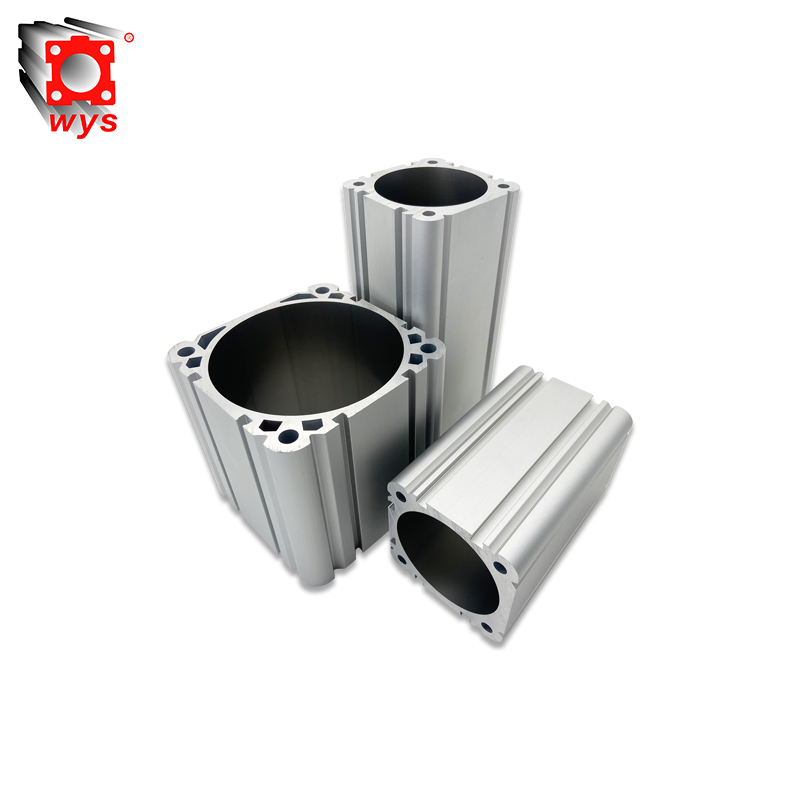
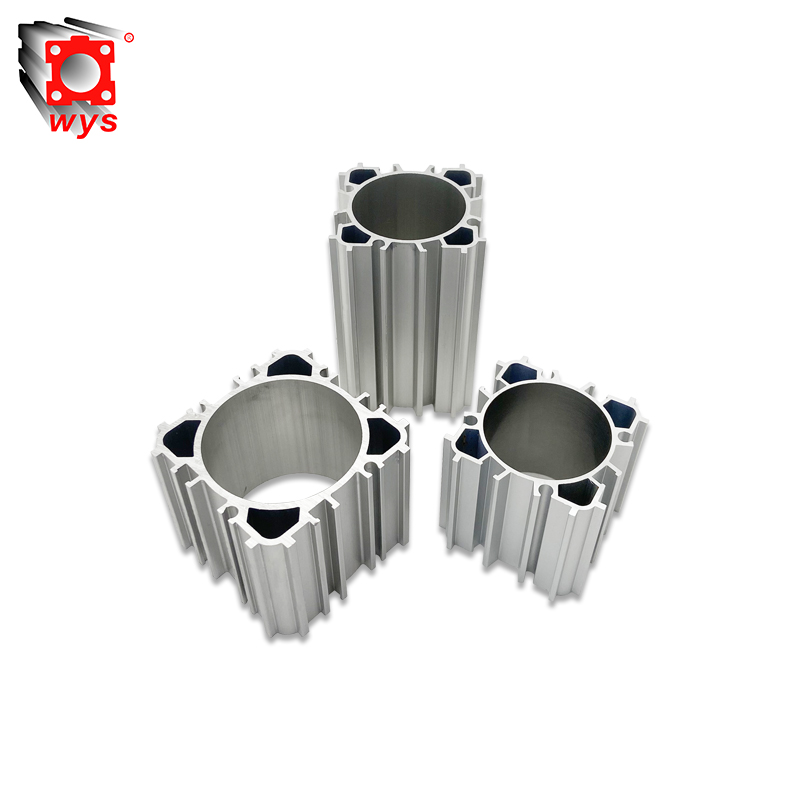
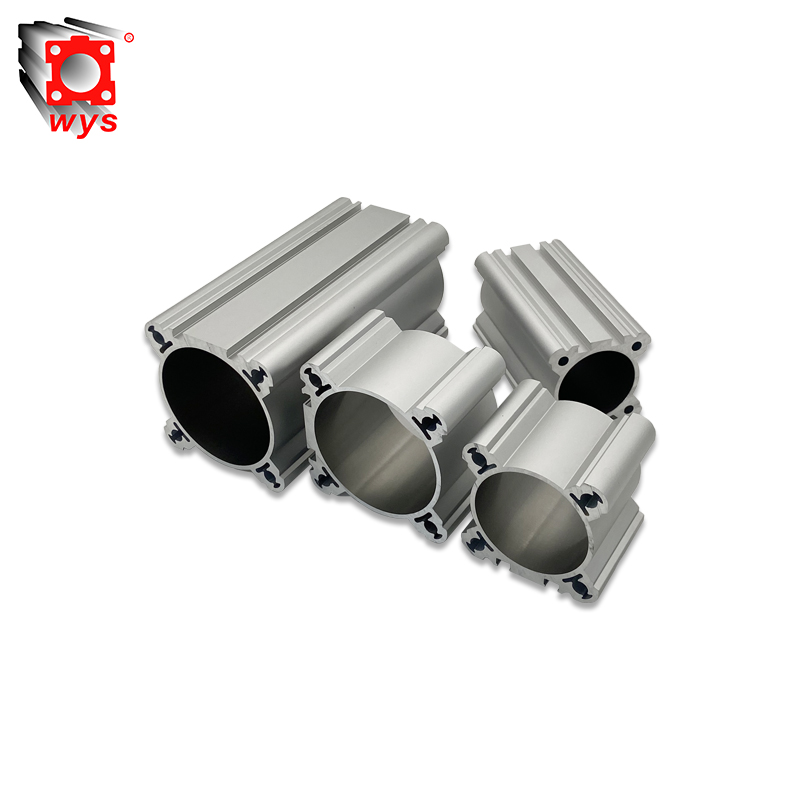
In industrial automation equipment and pneumatic systems, cylinders are among the most common actuators. They use compressed air to drive a piston in a reciprocating motion within the cylinder body, thus achieving actions such as pushing, clamping, positioning, or transporting.
In the manufacturing and maintenance of cylinders, the technical term "cylinder boring" is frequently encountered. Many people engaged in equipment maintenance or machining have questions: Do cylinders need boring? Does the cylinder body of a pneumatic cylinder need to be bored like an engine cylinder block?
To answer this question, a systematic analysis of the cylinder's structure, manufacturing process, and maintenance methods is necessary.
In particular, as a core structural component of the cylinder, the machining accuracy and surface quality of the pneumatic cylinder barrel directly affect the cylinder's performance.
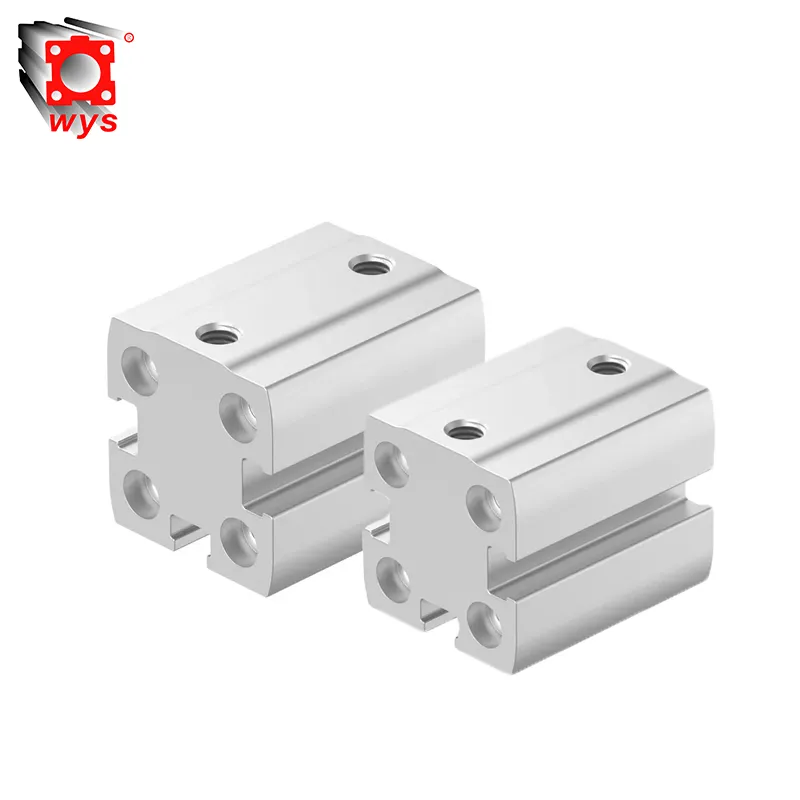
What is Cylinder Boring?
In the field of machining, cylinder boring generally refers to a process of precision machining or repairing cylindrical holes using a boring machine or specialized machining equipment.
The main purposes of cylinder boring include:
• Repairing worn inner bores
• Improving bore diameter accuracy
• Improving inner wall surface quality
• Adjusting bore diameter dimensions
Boiling is commonly used for:
• Engine cylinder blocks
• Hydraulic cylinder blocks
• Large mechanical structural components
When the internal bores of these devices are worn or deformed, dimensional accuracy can be restored through cylinder boring.
For pneumatic systems, the pneumatic cylinder tube is also a type of precision internal bore structure, therefore many people believe that pneumatic cylinders also require boring.
What is the relationship between the structure of a pneumatic cylinder and the pneumatic cylinder barrel?
To understand whether a cylinder needs boring, it is first necessary to understand the basic structure of a pneumatic cylinder.
A typical cylinder mainly consists of the following parts:
• Pneumatic cylinder barrel
• Piston
• Piston rod
• Front end cap
• Rear end cap
• Sealing assembly
Among them, the pneumatic cylinder barrel is the main structural component of the cylinder, forming the sealed space for piston movement.
The main functions of a pneumatic cylinder barrel include:
• Withstanding internal air pressure
• Guiding piston movement
• Providing a sealed working environment
Therefore, the machining accuracy and internal surface condition of the pneumatic cylinder barrel are crucial to cylinder performance.
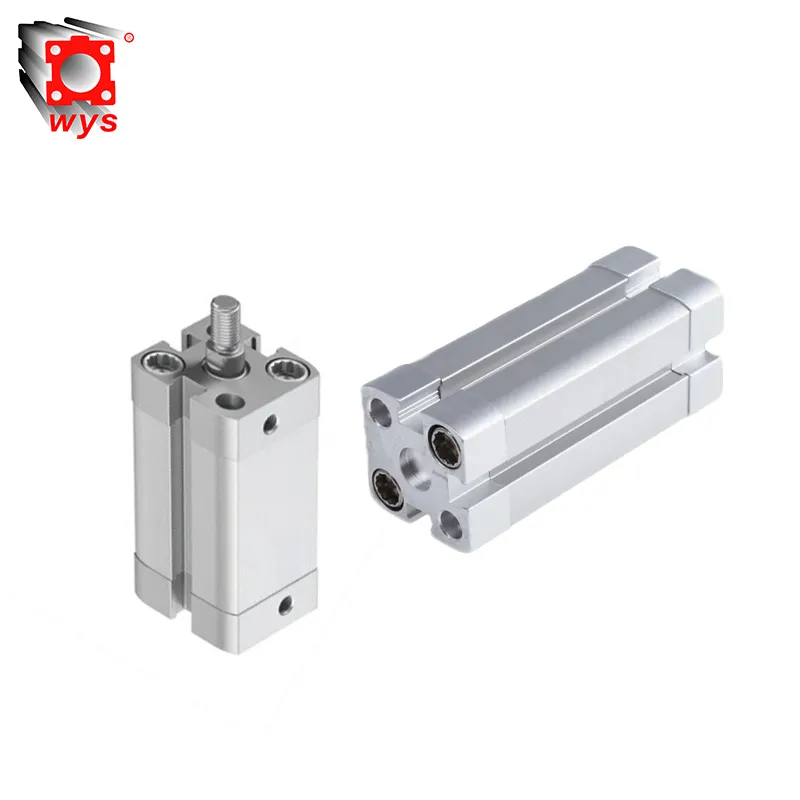
Does a pneumatic cylinder barrel require boring during production?
From a manufacturing process perspective, pneumatic cylinder barrels typically undergo boring during production.
The machining process for a pneumatic cylinder barrel generally includes:
1. Raw material cutting
2. Rough machining of the outer diameter
3. Drilling or initial internal hole machining
4. Boring the internal hole
5. Finishing or honing
6. Surface treatment
During this process, boring is mainly used for:
• Adjusting the internal hole dimensions of the pneumatic cylinder barrel
• Ensuring hole roundness
• Improving straightness
Through boring, the internal hole of the pneumatic cylinder barrel can achieve high dimensional accuracy.
However, it's important to note that in the manufacturing process of pneumatic cylinder barrels, boring is usually just one of the machining steps, not the final surface treatment.
Why do pneumatic cylinder tubes typically require honing?
While boring improves the dimensional accuracy of pneumatic cylinder tubes, it doesn't fully meet the surface quality requirements of pneumatic systems.
The inner wall of a pneumatic cylinder tube must possess:
• Extremely low surface roughness
• Good lubrication retention
• Stable sealing contact surface
To achieve these requirements, pneumatic cylinder barrels typically require honing after boring.
Honing further improves the inner wall of the pneumatic cylinder barrel:
• Reduces roughness
• Creates cross-texture
• Improves sealing performance
Therefore, in pneumatic cylinder barrel production, boring is only a basic machining step, while honing is the key finishing process.
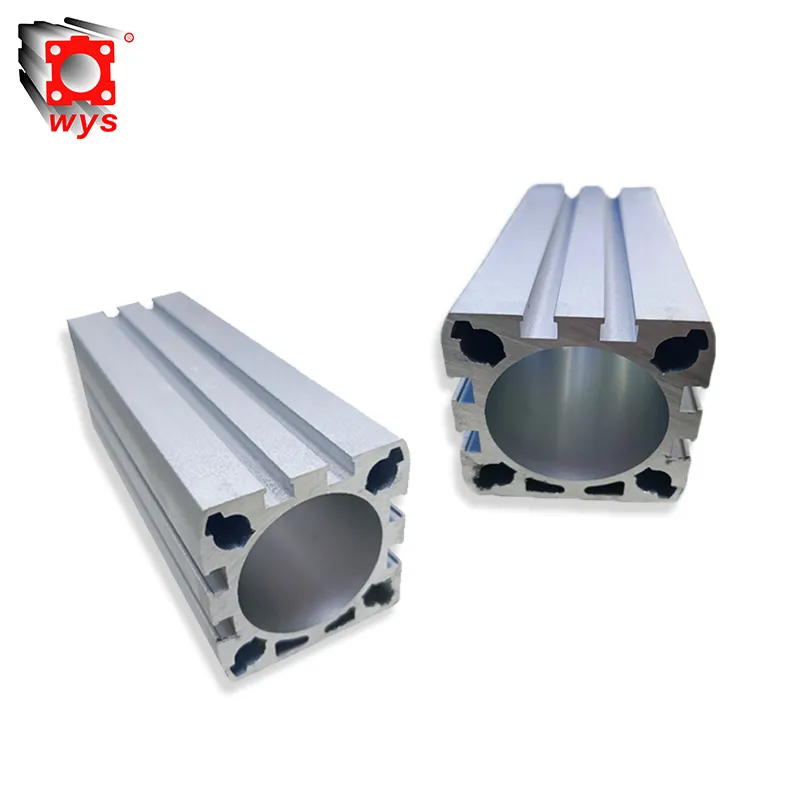
Do cylinders in use need to be re-bored?
This is a question many equipment maintenance personnel are most concerned about.
In most cases, conventional pneumatic cylinders are not subjected to boring repair during use.
The main reasons include the following:
1. Thin Pneumatic Cylinder Barrel Walls
Many standard pneumatic cylinder barrels are made of aluminum alloy or thin-walled steel tubing, resulting in relatively thin walls.
Boiling repairs could lead to:
• Insufficient wall thickness
• Reduced strength
• Reduced pressure-bearing capacity
Therefore, multiple boring operations are not suitable.
2. High Machining Costs
Pneumatic cylinder barrels are precision parts. Re-boring and honing require:
• Specialized equipment
• Precision measurement
• High-precision machining
For many standard cylinders, the cost of re-machining a pneumatic cylinder tube can be close to or even exceed the cost of replacing the entire cylinder barrel.
3. Size Standardization
Pneumatic cylinders typically employ standardized designs, such as:
• 32mm
• 40mm
• 50mm
• 63mm
If the pneumatic cylinder tube is bored to increase its size, a correspondingly sized piston and seals need to be replaced, increasing maintenance complexity.
Therefore, in industrial equipment maintenance, replacing the pneumatic cylinder tube is often more common than boring the cylinder.
Under what circumstances might a pneumatic cylinder tube need boring?
While standard pneumatic cylinders are rarely repaired by boring, in certain special cases, the pneumatic cylinder tube may still require boring.
For example:
• Large custom cylinders
• Heavy machinery
• Specialized industrial equipment
The pneumatic cylinder barrels in these applications typically have the following characteristics:
• Larger diameter
• Thicker walls
• Higher machining costs
In such cases, if the pneumatic cylinder barrel shows slight wear or deformation, it may be repaired through boring and honing.
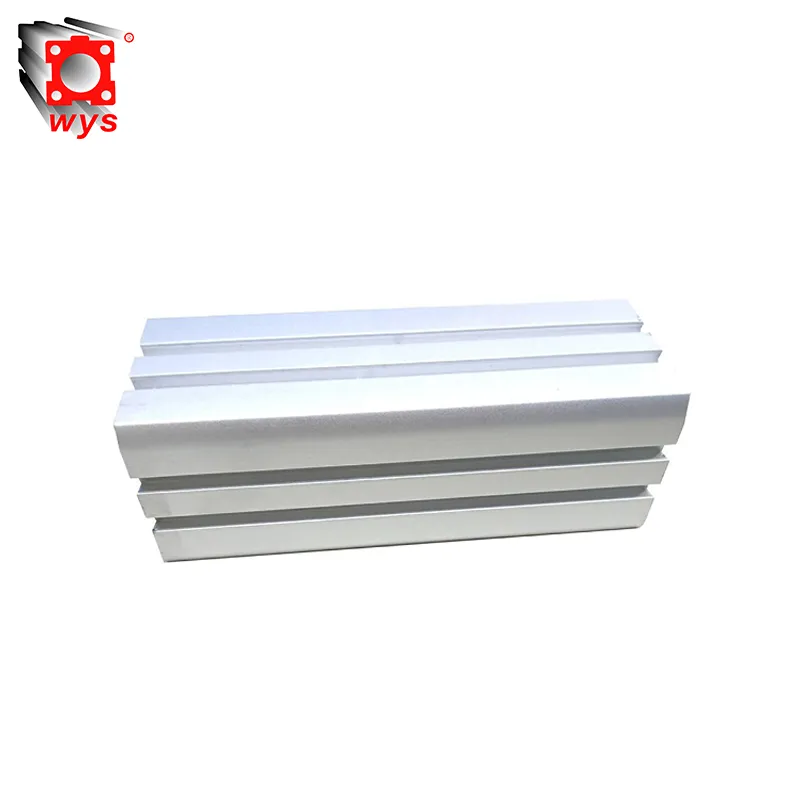
What are the common causes of pneumatic cylinder tube wear?
Wear of the inner wall of the pneumatic cylinder tube is a significant factor affecting cylinder performance.
Common causes include:
1. Air source contamination
Impurities, dust, or moisture in the compressed air can enter the pneumatic cylinder tube, causing wear on the inner wall.
2. Aging seals
Aging seals may lose their elasticity, causing instability in piston movement within the pneumatic cylinder barrel, resulting in friction.
3. Insufficient lubrication
Some pneumatic systems require proper lubrication. Insufficient lubrication increases friction between the piston and the pneumatic cylinder barrel.
4. Off-center loading
When the cylinder is subjected to lateral forces, the piston may deviate from the center, causing localized wear on the inner wall of the pneumatic cylinder barrel.
How to reduce pneumatic cylinder barrel wear?
To extend cylinder life, the following measures can be taken:
1. Use filtered compressed air
2. Regularly inspect seals
3. Keep the pneumatic system clean
4. Avoid excessive lateral forces on the cylinder
5. Regularly inspect the condition of the pneumatic cylinder barrel's inner wall
Proper maintenance can effectively reduce the risk of pneumatic cylinder barrel wear.
How to determine if a pneumatic cylinder tube is damaged?
During maintenance, the condition of the pneumatic cylinder tube can be assessed in the following ways:
• Check if the cylinder thrust has decreased
• Observe for air leaks
• Check if the piston movement is smooth
• Check the inner wall of the pneumatic cylinder barrel for scratches
If the inner wall of the pneumatic cylinder barrel has severe scratches or deformation, a new cylinder barrel is usually required.
Does the cylinder need boring?
Pneumatic cylinders typically require boring during manufacturing, but boring repairs are generally not necessary during use.
The main reasons include:
• Limited wall thickness of the pneumatic cylinder tube
• Higher maintenance costs
• Easier replacement of standardized parts
In practical industrial applications, if the pneumatic cylinder tube experiences severe wear or damage, it is usually replaced directly with a new pneumatic cylinder tube or the entire cylinder assembly, rather than undergoing cylinder boring repair.
Therefore, for most pneumatic systems, maintaining the cleanliness, sealing, and lubrication of the pneumatic cylinder barrel is more important than cylinder boring repair.
Can Weiyingjia meet high-precision requirements?
Absolutely. Weiyingjia specializes in high-precision aluminum alloy pneumatic cylinders, kits, and components. Each product is processed with CNC machines, polishing, hard anodizing, and strict quality inspections. Buyers purchasing from our factory benefit from durable, energy-efficient, and precision-engineered products. Companies seeking a trusted supplier for wholesale or branded pneumatic components rely on our 15+ years of expertise and the Weiyingsi brand for consistent, high-quality products at competitive prices.