

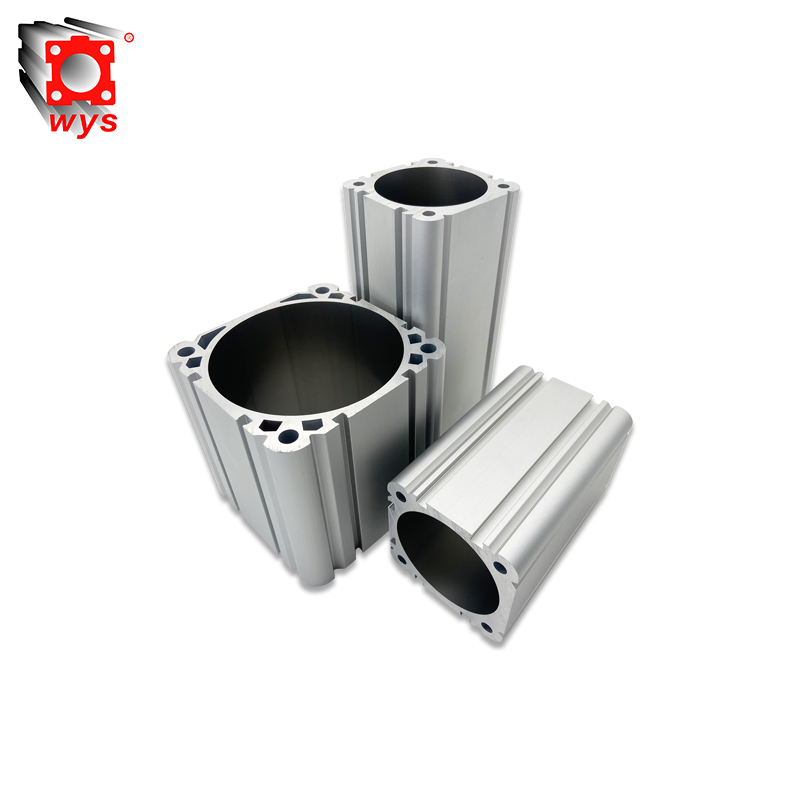
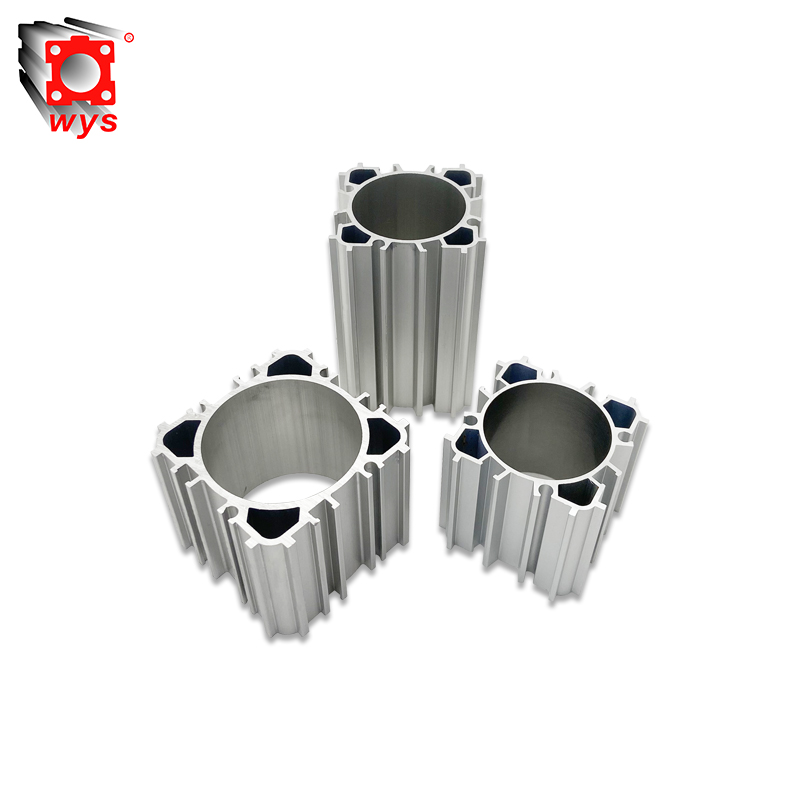
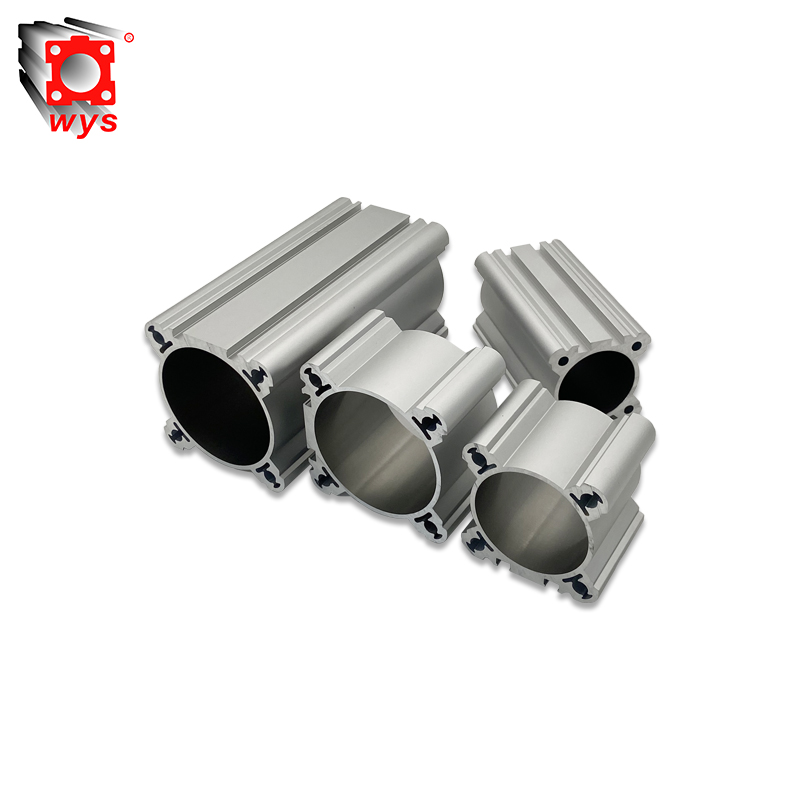
In industrial automation equipment and mechanical systems, pneumatic cylinders are very common actuators. Pneumatic systems use compressed air to drive the piston inside the cylinder, thereby performing various mechanical actions such as pushing, clamping, lifting, and positioning.
In the structure of a pneumatic cylinder, two frequently mentioned key components are the pneumatic cylinder liner and the pneumatic cylinder barrel.
Many people easily confuse the concepts of pneumatic cylinder liners and pneumatic cylinder barrels when learning about pneumatic cylinder structures.
In fact, these two components are closely related but also have significant differences. The pneumatic cylinder barrel is usually part of the main cylinder structure, while the pneumatic cylinder liner is an important component used to protect or improve the internal working environment of the cylinder.
This article will help readers fully understand the connection and differences between pneumatic cylinder liners and pneumatic cylinder barrels.
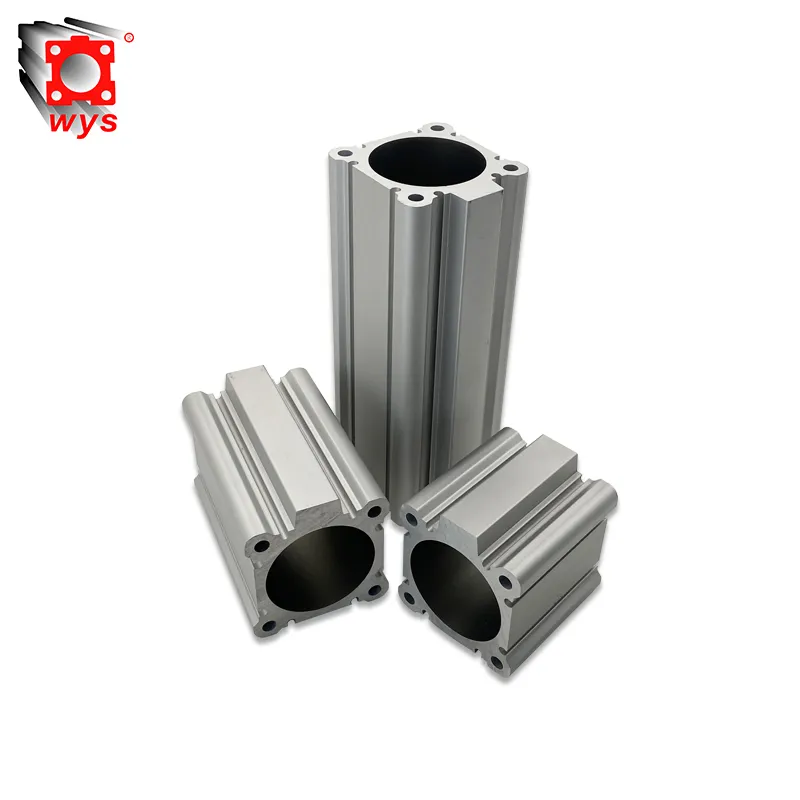
What is a pneumatic cylinder barrel?
In the structure of a pneumatic cylinder, the pneumatic cylinder barrel is one of the most important main structural components. A pneumatic cylinder barrel is typically a high-precision machined cylindrical tube with a hollow internal cavity to house the piston assembly.
When compressed air enters the cylinder, the gas pushes the piston in a reciprocating linear motion within the pneumatic cylinder barrel, generating mechanical power.
The main functions of the pneumatic cylinder barrel in a pneumatic cylinder include:
• Providing movement space for the piston
• Withstanding the internal pressure of the pneumatic system
• Ensuring the proper functioning of the cylinder sealing system
• Providing stable guidance for the piston's movement
Because the piston and seals need to move continuously within the pneumatic cylinder barrel, the machining accuracy and surface quality of the pneumatic cylinder barrel are crucial.
A high-quality pneumatic cylinder barrel typically requires the following characteristics:
• High dimensional accuracy of the inner diameter
• Low surface roughness
• Good roundness and straightness
• Stable material strength
These characteristics ensure smooth piston movement within the pneumatic cylinder barrel.
What is a pneumatic cylinder liner?
Compared to the pneumatic cylinder barrel, the pneumatic cylinder liner is typically an auxiliary component installed inside the cylinder or within the cylinder structure.
The primary function of the pneumatic cylinder liner is to protect the internal surface of the pneumatic cylinder barrel and provide a more stable working environment for piston movement.
In some specially designed pneumatic cylinders, the pneumatic cylinder liner may be installed inside the pneumatic cylinder barrel, forming an independent working inner wall. The piston moves inside the pneumatic cylinder liner, while the pneumatic cylinder barrel primarily provides structural support.
Pneumatic cylinder liners typically have the following functions:
• Reduce wear between the piston and the pneumatic cylinder barrel
• Provide better inner wall surface quality
• Improve cylinder sealing performance
• Extend cylinder lifespan
Therefore, the pneumatic cylinder liner plays a crucial role in certain pneumatic cylinder structures.
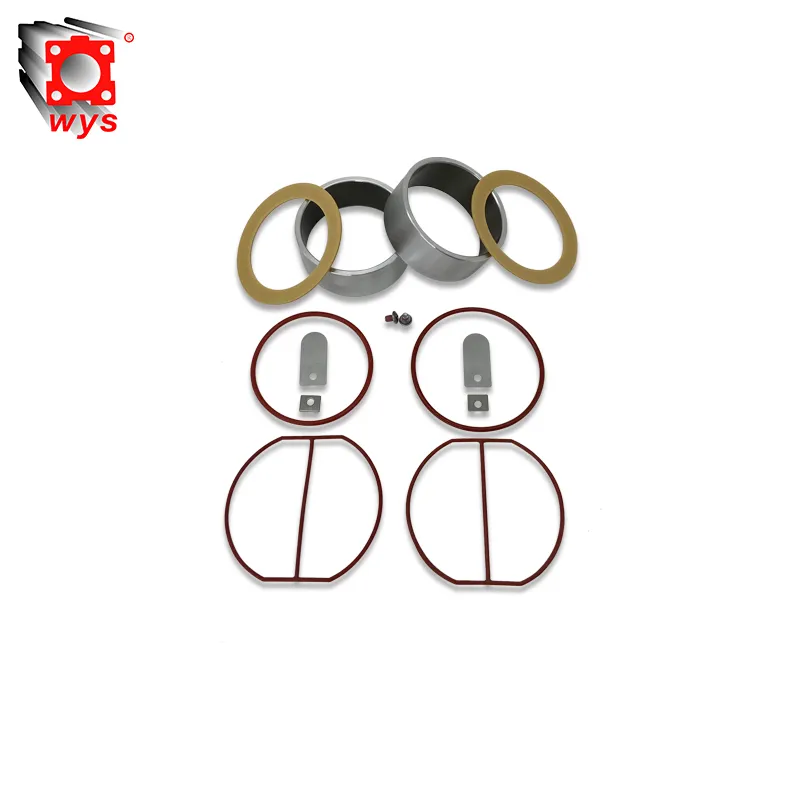
What is the relationship between the pneumatic cylinder liner and the pneumatic cylinder barrel?
The relationship between the pneumatic cylinder liner and the pneumatic cylinder barrel can be understood from both structural and functional perspectives.
From a structural perspective, the pneumatic cylinder barrel is typically the cylinder body, while the pneumatic cylinder liner is a component installed inside or used in conjunction with the pneumatic cylinder barrel.
From a functional perspective, the pneumatic cylinder barrel is primarily responsible for bearing air pressure and providing structural support, while the pneumatic cylinder liner is mainly used to optimize the internal working surface.
The following relationship can be formed between the two:
• The pneumatic cylinder barrel is the main structure
• The pneumatic cylinder liner is the internal protective structure
This structural combination can improve the overall performance of the pneumatic cylinder.
Why does the pneumatic cylinder liner need to be used in conjunction with the pneumatic cylinder barrel?
Can the pneumatic cylinder liner protect the pneumatic cylinder barrel?
In some pneumatic cylinder designs, the piston may continuously rub against the inner wall of the pneumatic cylinder barrel during operation. If the pneumatic cylinder barrel is used directly as the working surface, long-term operation may lead to wear of the cylinder inner wall.
By installing a pneumatic cylinder liner inside the pneumatic cylinder barrel, a replaceable working surface can be created.
When the pneumatic cylinder liner wears out, the pneumatic cylinder liner can be replaced instead of the entire pneumatic cylinder barrel.
This structure reduces equipment maintenance costs.
Can pneumatic cylinder liners improve cylinder sealing performance?
The sealing system of a pneumatic cylinder typically relies on the quality of its inner wall surface. The seal needs to be in close contact with the inner wall of the pneumatic cylinder barrel or pneumatic cylinder liner to maintain a gas seal.
If the quality of the inner wall of the pneumatic cylinder barrel is not ideal, it may affect the sealing performance.
Using high-precision pneumatic cylinder liners can provide a better inner wall surface, thereby improving the cylinder sealing effect.
What are the structural differences between pneumatic cylinder liners and pneumatic cylinder barrels?
Although pneumatic cylinder liners and pneumatic cylinder barrels are closely related, they still have significant structural differences.
Structural characteristics of pneumatic cylinder barrels
Pneumatic cylinder barrels typically have the following structural characteristics:
• High structural strength
• Strong air pressure resistance
• Good dimensional stability
The pneumatic cylinder barrel is the supporting part of the entire cylinder structure, therefore it needs to have good mechanical strength.
Structural Characteristics of Pneumatic Cylinder Liners
Pneumatic cylinder liners prioritize surface quality and wear resistance
Pneumatic cylinder liners typically possess the following characteristics:
• Low surface roughness
• Good wear resistance
• Replaceable
Pneumatic cylinder liners generally do not bear the primary pneumatic load; instead, they serve as internal working surfaces.
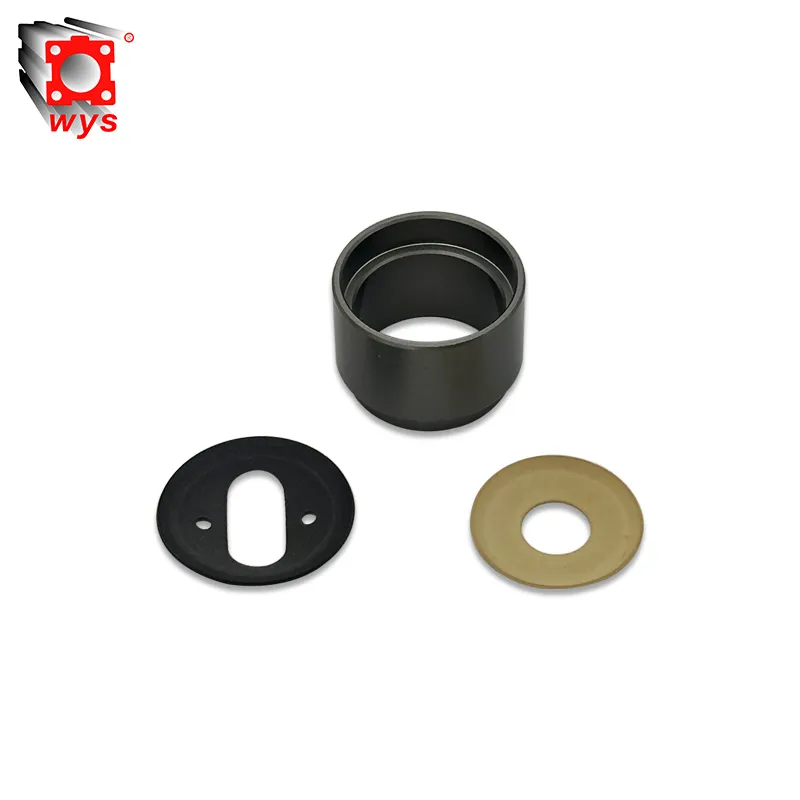
What are the material differences between pneumatic cylinder liners and pneumatic cylinder barrels?
There may also be differences in material selection between pneumatic cylinder liners and pneumatic cylinder barrels.
Pneumatic cylinder barrels typically use the following materials:
• Aluminum alloys
• Stainless steel
• Carbon steel
These materials provide good structural strength.
Pneumatic cylinder liners may use materials with better wear resistance, such as:
• High-strength steel
• Special wear-resistant alloys
Combinations of different materials can improve the overall performance of the pneumatic cylinder.
What role do pneumatic cylinder liners and pneumatic cylinder barrels play in cylinder performance?
The pneumatic cylinder liner and pneumatic cylinder barrel work in tandem in a pneumatic cylinder.
The pneumatic cylinder barrel primarily performs the following functions:
• Provides structural support
• Withstands pneumatic pressure
• Maintains cylinder structural stability
The pneumatic cylinder liner is primarily responsible for:
• Providing a high-quality working surface
• Reducing wear
• Improving sealing performance
This structural combination allows the pneumatic cylinder to maintain stable performance during long-term operation.
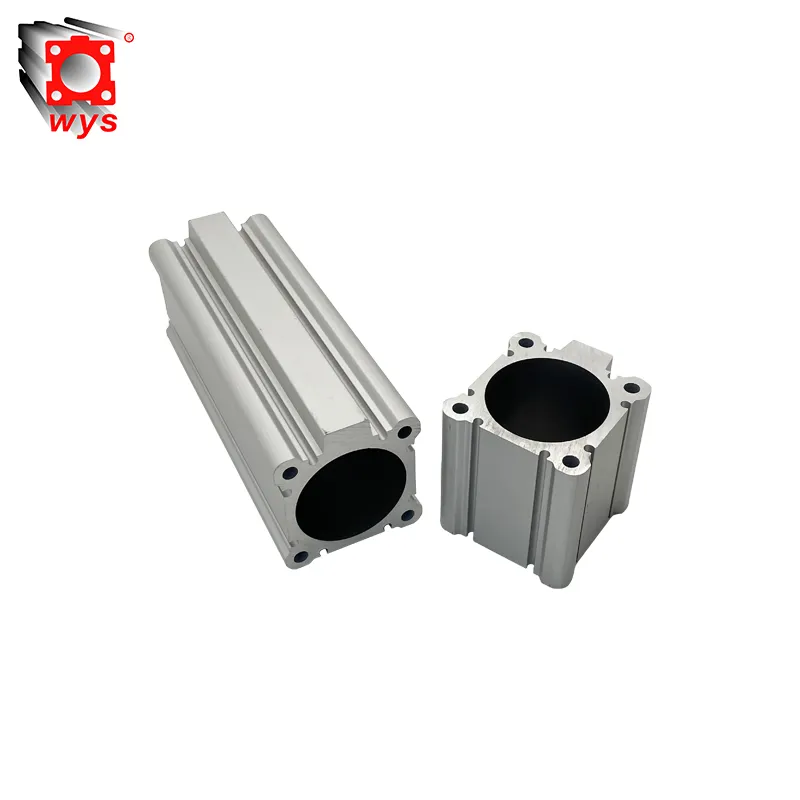
How to correctly understand the pneumatic cylinder liner and pneumatic cylinder barrel?
In a pneumatic cylinder structure, the pneumatic cylinder barrel is usually the basic structure, while the pneumatic cylinder liner is an auxiliary structure.
Simply put, they can be understood as follows:
The pneumatic cylinder barrel is the main outer shell of the cylinder, while the pneumatic cylinder liner is the internal working layer.
This structural design offers the following advantages:
• Improved cylinder wear resistance
• Extended equipment lifespan
• Improved cylinder sealing stability
Therefore, in some pneumatic cylinder designs, the pneumatic cylinder liner and pneumatic cylinder barrel together constitute the internal structure of the cylinder.
What production capabilities does Weiyingjia possess?
Weiyingjia operates six production lines in a 10,000-square-meter factory, producing aluminum cylinder barrels, kits, liners, and seals. Our team of 100+ professionals ensures each product passes rigorous quality tests, including grinding, polishing, CNC machining, and hard anodizing. Buyers purchasing from Weiyingjia can trust in high-quality pneumatic components at competitive prices. Our brand, Weiyingsi, has become a reliable supplier for companies and wholesalers seeking precision, durability, and low-energy solutions.