

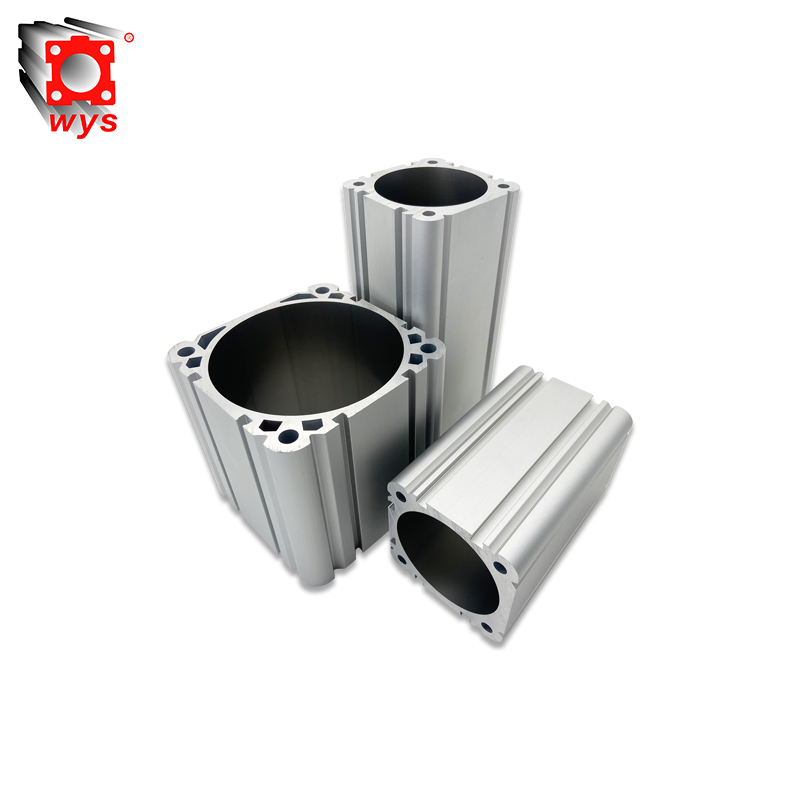
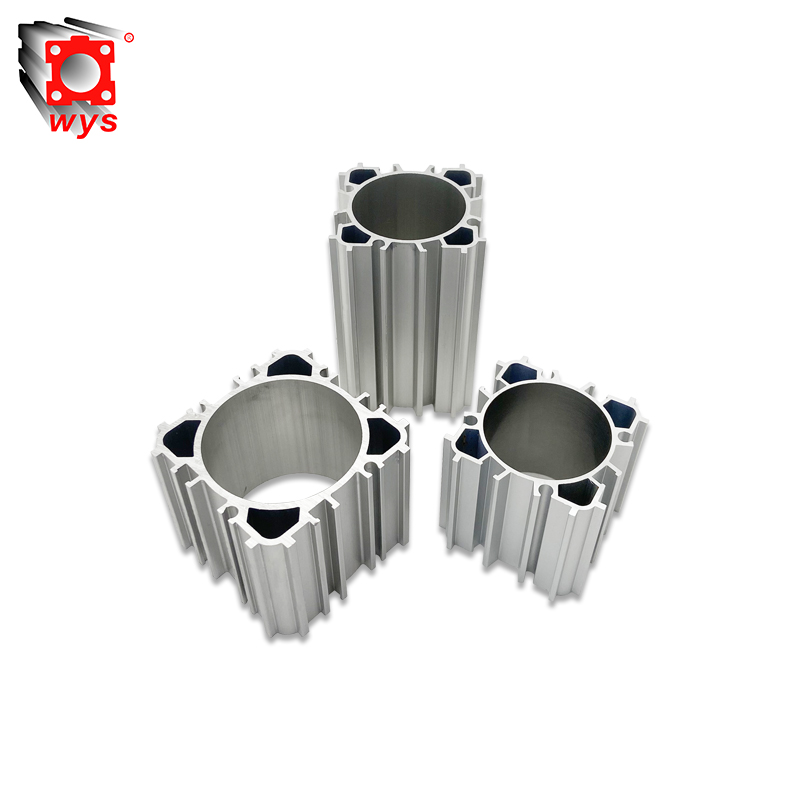
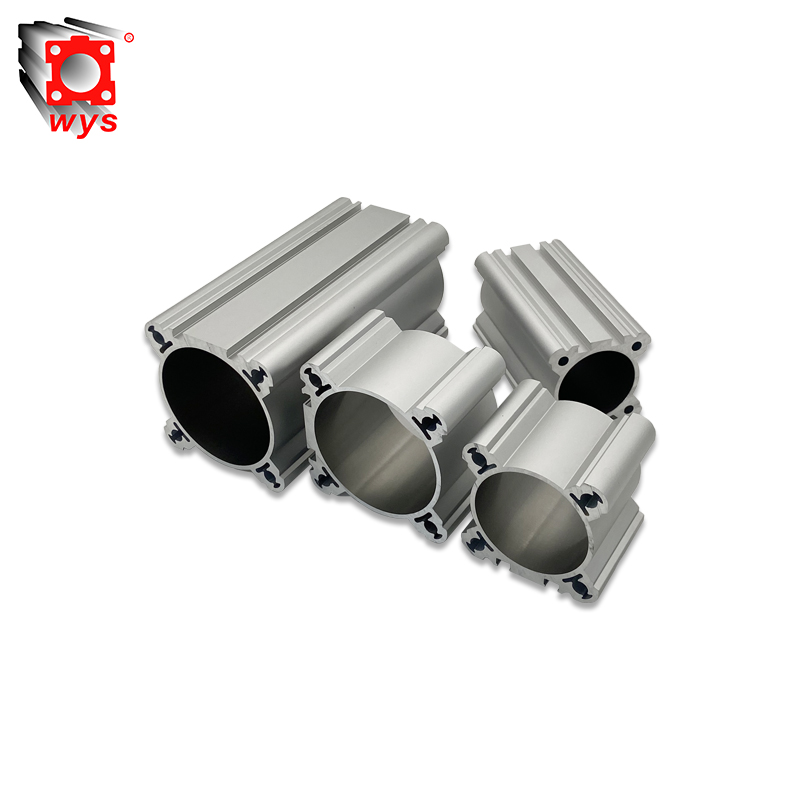
In the design and selection of pneumatic systems, many people focus on cylinder bore, stroke, and thrust, but easily overlook an equally crucial question: Do double-acting pneumatic cylinder barrels have ports? And how many ports are there?
In fact, the number and arrangement of ports on a pneumatic cylinder barrel directly determine the cylinder's operating mode, control logic, and operational stability. Especially for double-acting pneumatic cylinder barrels, the port structure differs fundamentally from that of single-acting cylinders.
This article will help you fundamentally understand the role and significance of pneumatic cylinder barrel ports.
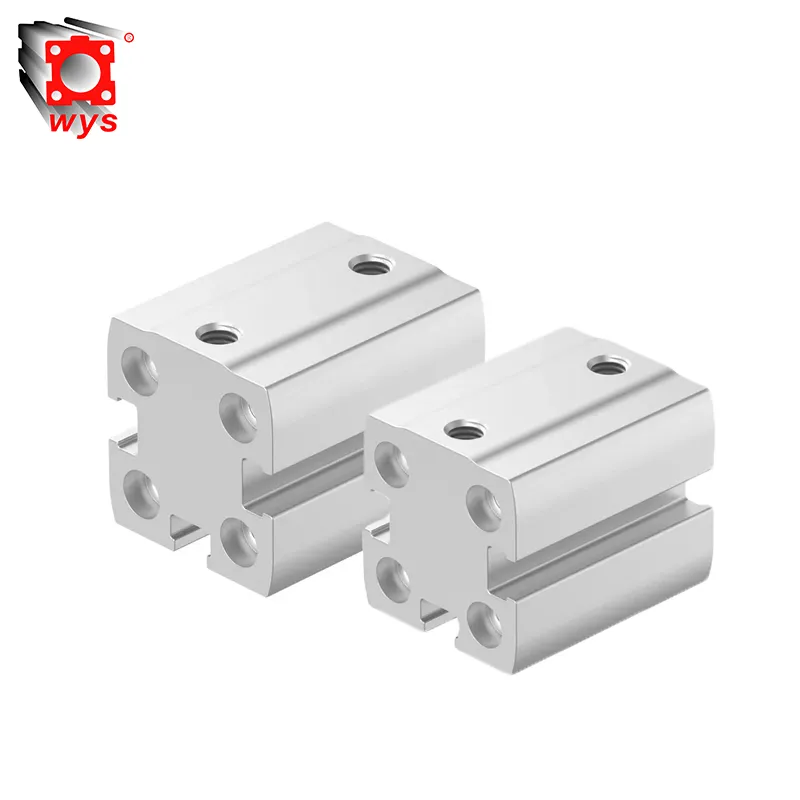
What are pneumatic cylinder barrel ports? What is their function?
In pneumatic systems, pneumatic cylinder barrel ports refer to the interface parts used to connect to the air source and discharge air. These ports are usually located on the end caps or side walls of the pneumatic cylinder barrel and are the channels for compressed air to enter and exit.
The main functions of the ports on a pneumatic cylinder barrel include:
• Introducing compressed air into the pneumatic cylinder barrel
• Controlling the direction of piston movement
• Expelling exhaust gases generated during operation
• Coordinating with valve assemblies to achieve speed and cycle control
In short, without ports, there is no movement of the pneumatic cylinder barrel.
Does a double-acting pneumatic cylinder barrel always have ports?
The answer is definitely yes.
The structure of a double-acting pneumatic cylinder barrel dictates that it must have gas inlet and outlet channels. Because in a double-acting structure:
• Piston extension requires compressed air to propel it
• Piston return also requires compressed air to propel it
This means that the pneumatic cylinder barrel needs independent intake and exhaust paths in both directions. Without ports, compressed air cannot enter or exit, and the pneumatic cylinder barrel cannot perform any action.
Therefore, from a functional and structural perspective, ports are an indispensable component of a double-acting pneumatic cylinder tube.
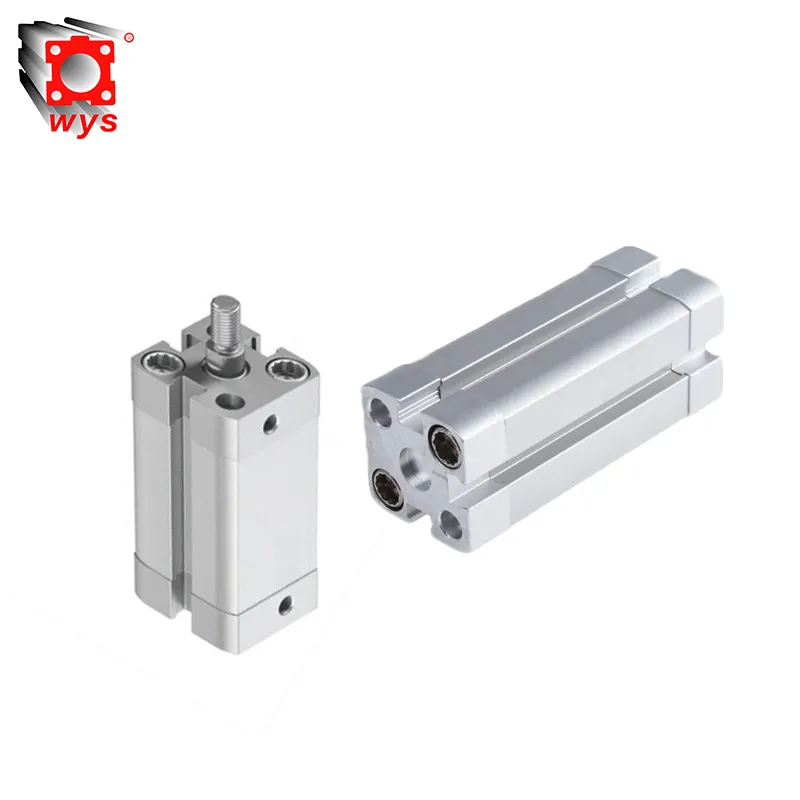
How many ports does a double-acting pneumatic cylinder tube typically have?
In the most basic and standard structure, a double-acting pneumatic cylinder tube typically has two main ports. These two ports are used for:
• Controlling the piston's forward movement
• Controlling the piston's backward movement
In other words, each direction of movement corresponds to one port on the pneumatic cylinder barrel.
When compressed air enters the pneumatic cylinder barrel through one port, air from the other side is discharged through the corresponding port; when the direction is switched, the functions of the two ports are interchanged.
What are the functions of these two ports in the pneumatic cylinder barrel?
Although there are usually two ports, their functions are not fixed.
During the operation of a double-acting pneumatic cylinder barrel:
• Port A: Acts as an intake port in one stage and an exhaust port in another stage.
• Port B: Has the opposite function to Port A.
This "intake and exhaust role switching" design allows the pneumatic cylinder barrel to achieve continuous, controllable reciprocating motion.
Therefore, the ports of a double-acting pneumatic cylinder barrel are essentially bidirectional functional ports, not simply "intake" or "exhaust" ports in the traditional sense.
Where are the ports of a double-acting pneumatic cylinder barrel typically located?
From a structural design perspective, the location of the ports on a pneumatic cylinder barrel is closely related to the cylinder body design.
Common arrangements include:
• Located at both ends of the pneumatic cylinder barrel (end caps)
• Located on the side wall of the pneumatic cylinder barrel
• One end on an end cap, the other end on the cylinder body
Regardless of the specific port location, the core principles are:
• Ensuring a smooth airflow path
• Reducing airflow resistance
• Facilitating pipe connections
As long as these principles are met, the port location of the pneumatic cylinder barrel does not change its double-acting nature.
Why does a double-acting pneumatic cylinder barrel require at least two ports?
This question can be understood from its working principle.
In a double-acting pneumatic cylinder barrel, the piston divides the internal space of the cylinder into two independent chambers:
• Front chamber
• Rear chamber
To achieve bidirectional motion, the following conditions must be met:
• The front chamber can independently intake or exhaust air.
• The rear chamber can independently intake or exhaust air.
If there is only one port, the two chambers cannot be independently controlled, and the pneumatic cylinder barrel will lose its directional switching capability.
Therefore, from a physical structure and control logic perspective, two ports are the most basic configuration for a double-acting pneumatic cylinder tube.
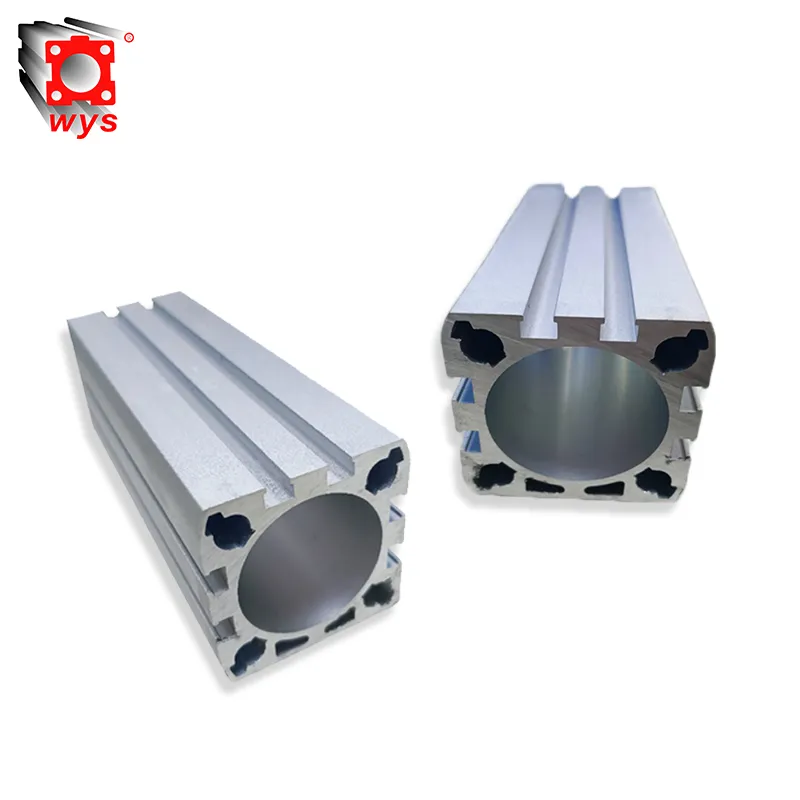
Is it possible for a double-acting pneumatic cylinder tube to have more than two ports?
In some structural designs, a pneumatic cylinder tube may indeed have more than two ports, but this does not change its basic port logic.
Additional ports are typically used for:
• Buffering gas exhaust
• Special speed control
• Structural symmetry or ease of installation
It is important to emphasize that these additional ports do not change the basic operating principle of the pneumatic cylinder tube, but rather serve more refined airflow management.
In terms of core function, the movement of a double-acting pneumatic cylinder tube is still determined by its two main ports.
Does the number of ports on a double-acting pneumatic cylinder tube affect its performance?
The number of ports itself does not directly determine the thrust or stroke of the pneumatic cylinder tube, but it does affect the following aspects:
• Airflow efficiency
• Response speed
• Piping layout complexity
• System control accuracy
If the port design is unreasonable, such as too small a diameter or improper placement, it may lead to:
• Restricted intake
• Poor exhaust
• Unstable piston movement
Therefore, when designing and selecting a pneumatic cylinder tube, it is important to consider not only the number of ports but also the rationality of their size and layout.
What are the differences between the ports on a double-acting pneumatic cylinder tube and those on a single-acting pneumatic cylinder tube?
The number of ports is one of the most obvious differences between the two.
Generally speaking:
• Single-acting pneumatic cylinder barrel: Typically has only one working port.
• Double-acting pneumatic cylinder tube: Has at least two working ports.
This difference stems from the structure itself:
• A single-acting pneumatic cylinder barrel relies on a spring or external force for return.
• A double-acting pneumatic cylinder tube relies on air pressure for return.
Therefore, the difference in the number of ports essentially reflects the difference in the pneumatic cylinder barrel's actuation method.
Can the number of ports quickly determine whether it is a double-acting pneumatic cylinder tube?
In most cases, the answer is yes, it can be an important reference.
If a pneumatic cylinder barrel:
• Clearly indicates two gas ports
• Both ports participate in the working process
Then, it is very likely a double-acting pneumatic cylinder tube.
However, it should be noted that the final judgment should still be based on the structural specifications and working principle, and not solely on the appearance of the ports.
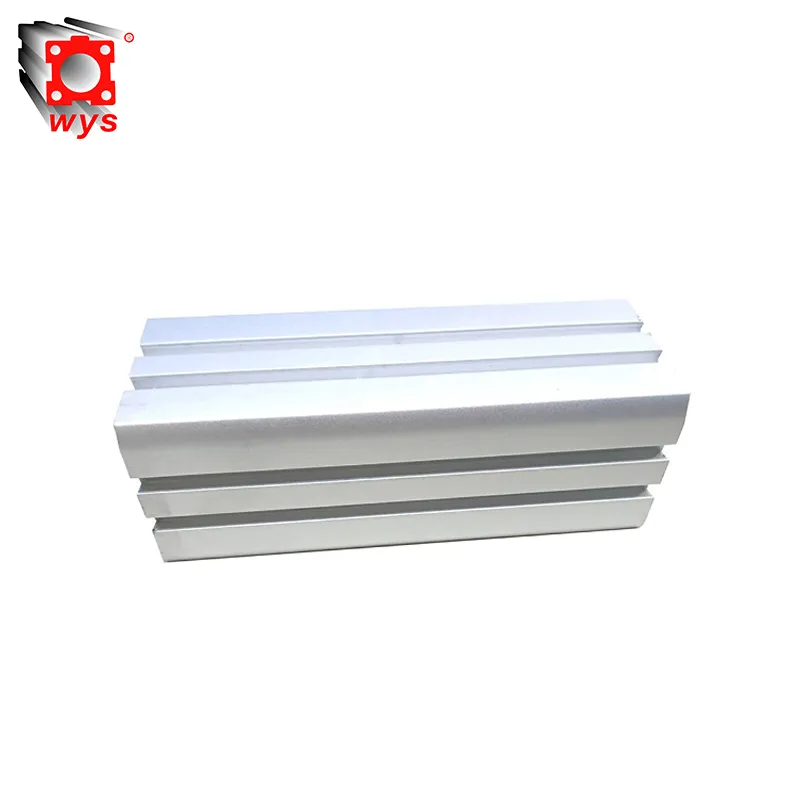
Does the number of ports affect the selection of a pneumatic cylinder barrel?
During the selection process, the number of ports is not an isolated parameter, but it affects:
• The type of control valve required
• The air connection method
• The system complexity
Double-acting pneumatic cylinder tubes, due to their greater number of ports, have higher requirements for valve control and piping. Therefore, during the system design phase, the number of ports on the pneumatic cylinder barrel must be considered in conjunction with the overall pneumatic scheme.
Does a double-acting pneumatic cylinder tube have ports? How many?
The following clear conclusions can be drawn:
• A double-acting pneumatic cylinder tube definitely has ports.
• The most basic and standard configuration is two working ports.
• These two ports correspond to two cavities inside the pneumatic cylinder tube.
• The ports perform dual functions of intake and exhaust at different stages.
• The number of ports reflects the pneumatic cylinder tube's drive method and control logic.
Understanding the number and function of the ports on a pneumatic cylinder tube not only helps in correctly identifying the double-acting structure but also provides an important basis for system design and selection.
Can I buy your products for wholesale purposes?
Absolutely. Foshan Weiyingjia Technology Co., Ltd. supplies high-quality pneumatic cylinder barrels and components for wholesale customers worldwide. As a professional manufacturer and supplier, we provide competitive pricing, reliable delivery, and consistent quality. Our factory’s production capacity and experienced technicians ensure bulk orders meet strict standards, making us a trusted partner for distributors, industrial suppliers, and procurement departments.