

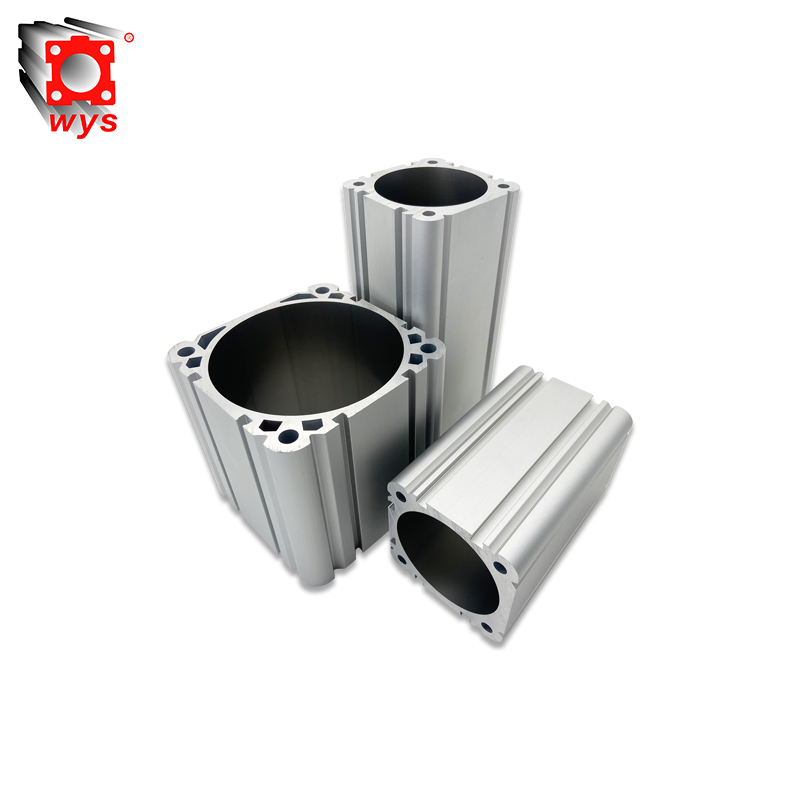
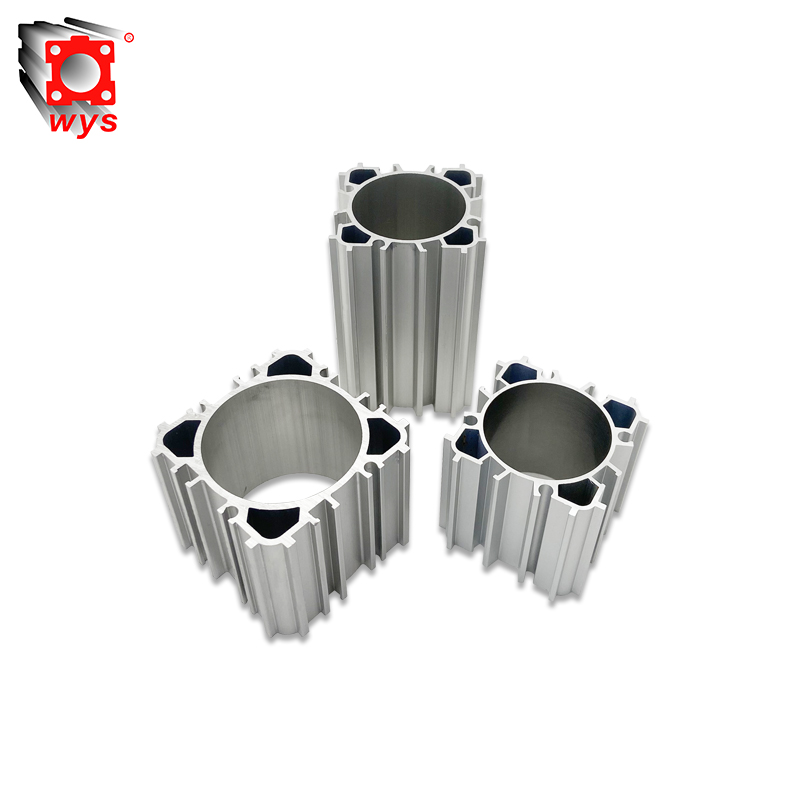
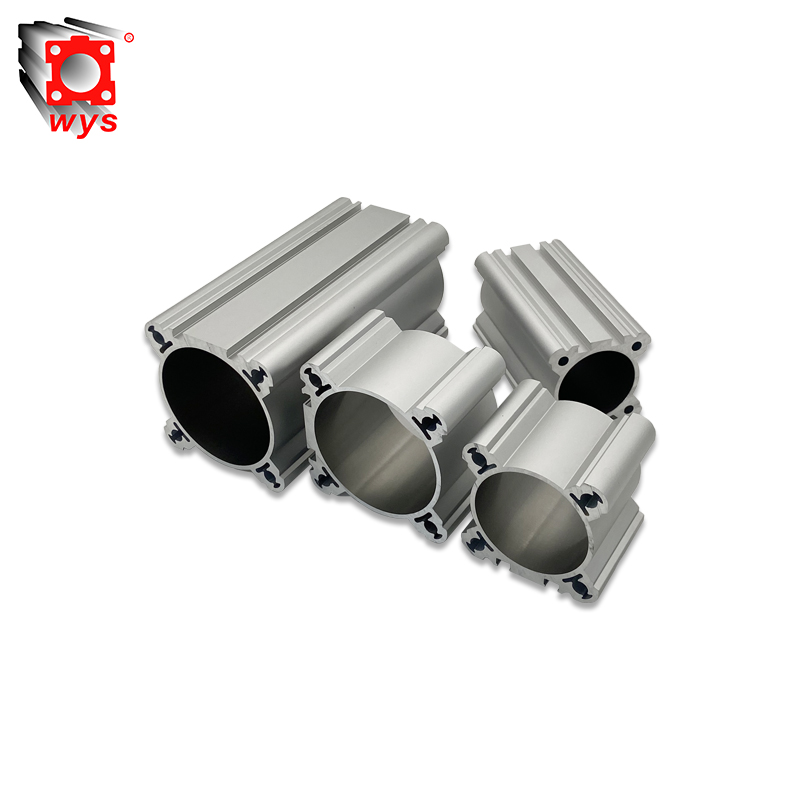
In industrial automation equipment, the stability and durability of pneumatic components are always key concerns for users. As the core structural component of a pneumatic cylinder, the barrel's condition during long-term use directly impacts the equipment's operational reliability. Many users wonder: will pneumatic cylinder barrels rust over time? This issue becomes even more complex when considering different materials.
This is particularly relevant given the widespread use of aluminum alloy pneumatic cylinder tubes in recent years, which differ significantly in rust resistance from traditional steel barrels. So, considering factors such as material properties, operating environments, surface treatments, and maintenance methods—do air cylinder barrels actually rust? This article provides a systematic and in-depth analysis.
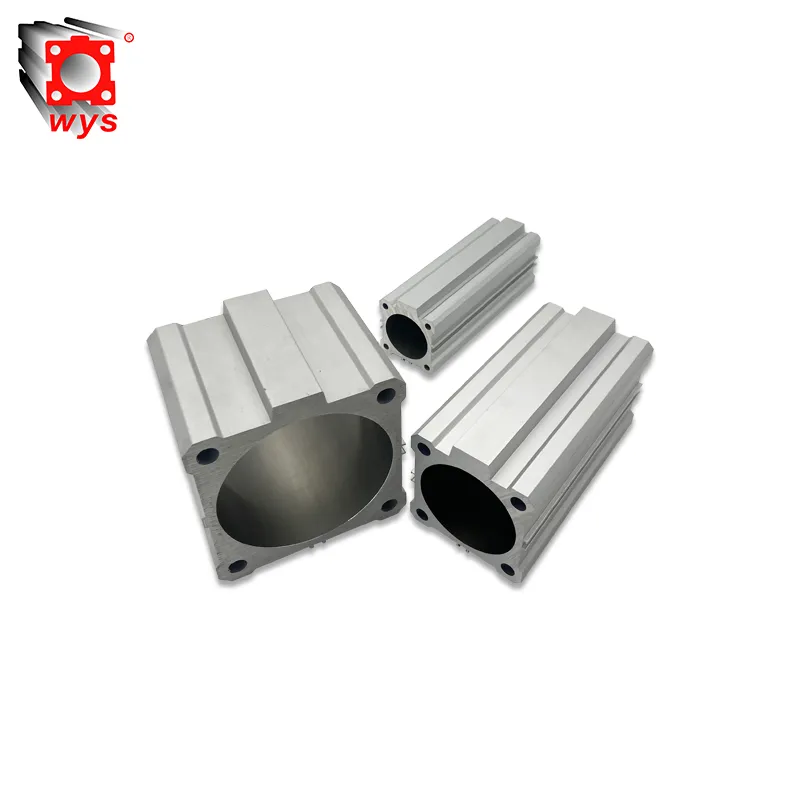
Why do people worry about rust on pneumatic cylinder tubes?
Many people hold the view that "metal equals rust," a perception stemming largely from experience with iron and steel. Consequently, when pneumatic cylinder barrels—being metal components—are exposed to industrial environments for extended periods, it is natural for users to worry about potential corrosion.
1. What is the nature of rusting?
"Rusting" is essentially an oxidation process where metal reacts with oxygen and moisture to form oxides. In the case of steel, the resulting iron oxide (rust) has a porous structure that spreads easily, thereby accelerating corrosion.
2. Operating environments for pneumatic cylinder tubes
Pneumatic cylinder tubes typically operate in the following environments:
•Environments with moist gas (moisture in compressed air)
•Environments containing oil mist or dust
•Locations subject to significant temperature fluctuations
These factors can affect the surface of the cylinder barrel, leading to user concerns about rusting.
Do aluminum alloy air cylinder barrels actually rust?
This is a crucial question and a primary concern for many users.
1. Aluminum alloy rusting differs from steel rusting
Strictly speaking, aluminum alloy pneumatic cylinder tubes do not "rust" in the same way steel does. The reasons are as follows:
•Aluminum rapidly forms a dense, protective aluminum oxide film when exposed to air.
•This film prevents further oxidation.
Therefore, although the surface of an aluminum alloy pneumatic cylinder barrel undergoes oxidation, this process is "protective" rather than destructive.
2. Why does it look like corrosion?
In some cases, the surface of an aluminum alloy pneumatic cylinder tube may exhibit:
•Whitening
•Spotting
•Dulling
These phenomena are not "rust" in the traditional sense; rather, they result from changes to the surface oxide layer or surface contamination.
3. Is the interior affected?
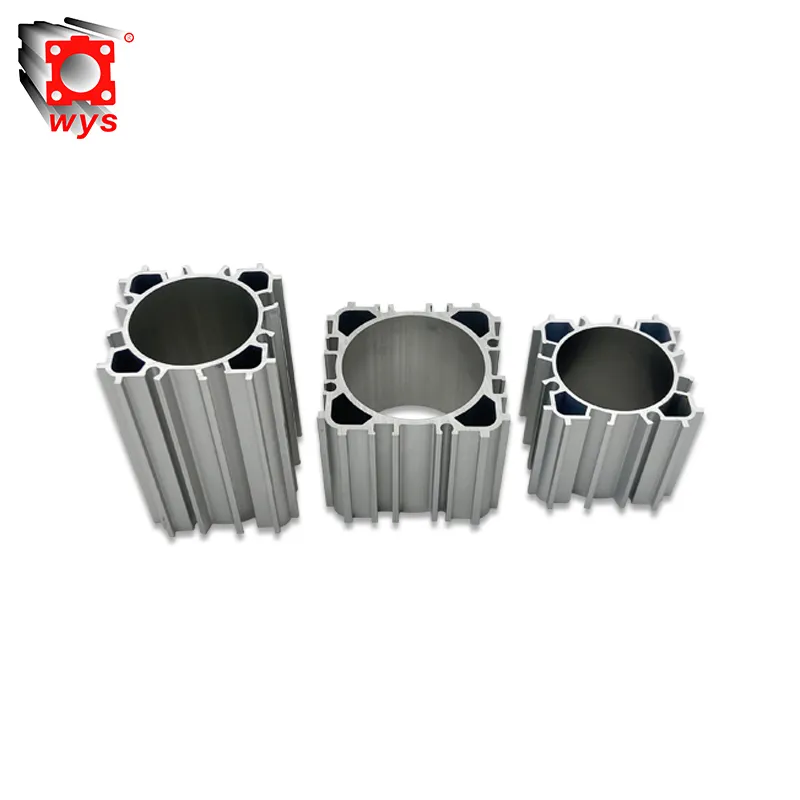
If the aluminum alloy pneumatic cylinder barrel has undergone proper surface treatment (such as anodizing), the interior generally does not suffer from corrosion issues. However, if the treatment is inadequate or the operating environment is harsh, localized corrosion may still occur.
What is the difference in rust resistance between steel and aluminum alloy air cylinder barrels?
To understand the advantages of aluminum alloy pneumatic cylinder barrels, it is necessary to compare them with traditional steel ones.
1. Characteristics of steel pneumatic cylinder barrels
If left untreated, steel air cylinder barrels are prone to:
•Reacting with moisture to form rust
•Gradual surface flaking
•Compromised sealing performance
Consequently, steel pneumatic cylinder tubes usually require treatments such as chrome plating or spray coating.
2. Natural advantages of aluminum alloy pneumatic cylinder tubes
In contrast, aluminum alloy pneumatic cylinder tubes offer:
•Natural oxidation resistance
•Resistance to structural corrosion
•Greater surface stability
3. Long-term performance
During long-term use:
•Steel pneumatic cylinder tubes are prone to significant rusting if maintenance is improper.
•Aluminum alloy pneumatic cylinder barrels typically exhibit only minor surface changes rather than structural damage.
What factors affect the corrosion resistance of aluminum alloy pneumatic cylinder barrels?
Although aluminum alloy pneumatic cylinder tubes possess good oxidation resistance, their performance is still influenced by various factors.
1. Operating environment humidity
High-humidity environments accelerate surface changes in any metal. Regarding aluminum alloy pneumatic cylinder tubes:
•Prolonged exposure to moisture can affect the stability of the oxide layer.
•They are prone to contaminant adhesion.
2. Air Supply Quality
If the compressed air in the pneumatic system has high moisture content or excessive impurities, it can impact the interior of the cylinder barrel.
Common issues include:
•Moisture accumulation
•Oil residue deposits
•Particulate abrasion
These factors can indirectly affect the surface condition of the aluminum alloy cylinder barrel.
3. Surface Treatment Process
Whether the aluminum alloy cylinder barrel has undergone anodizing is a key factor determining its corrosion resistance.
•Untreated: Limited protective capability.
•Anodized: Significantly enhanced corrosion resistance.
4. Frequency of Use
Cylinder barrels left unused for long periods are actually more prone to surface issues due to:
•Moisture retention.
•Lack of airflow to carry away humidity.
Can "hidden corrosion" occur inside aluminum alloy pneumatic cylinder tubes?
Many users focus only on the exterior, but the internal condition of the cylinder barrel is actually more critical.
1. Internal Environmental Characteristics
The interior of the cylinder barrel is constantly subjected to:
•Fluctuations in air pressure.
•Friction from seals.
•Temperature changes.
Improper air supply treatment can lead to a deterioration of the internal environment.
2. Potential Issues
The following may occur inside the aluminum alloy cylinder barrel:
•Wear of the oxide layer.
•Micro-corrosion spots.
•Changes in surface roughness.
These issues are not as obvious as steel rust but can impair performance.
3. Impact on Sealing Performance
Deterioration of the inner wall condition can lead to:
•Accelerated seal wear.
•Air leakage.
•Reduced thrust.
How can you tell if a pneumatic cylinder tube has developed a problem?
Determining whether a cylinder barrel is experiencing issues like "rusting" or corrosion requires considering several factors.
1. Visual Inspection
Check the surface of the aluminum alloy pneumatic cylinder tube for:
•Obvious spots
•Uneven coloration
•Surface roughness
2. Operational Status
The following issues may be related to the condition of the pneumatic cylinder barrel:
•Unsmooth operation
•Increased noise
•Reduced thrust
3. Changes in Sealing Performance
Increased air leakage may also be linked to the condition of the cylinder barrel's inner wall.
How can "corrosion issues" in aluminum alloy pneumatic cylinder tubes be effectively prevented?
Although aluminum alloy pneumatic cylinder tubes are resistant to rust, proper usage and maintenance remain crucial.
1. Improve Air Supply Quality
Use air preparation units, such as:
•Filters
•Dryers
•Lubricators
These can effectively reduce the entry of moisture and impurities into the cylinder barrel.
2. Choose High-Quality Products
High-quality aluminum alloy pneumatic cylinder barrels typically feature:
•Superior anodizing treatment
•Precision inner wall machining
•Stable material properties
3. Proper Storage
For cylinder barrels not in use for extended periods:
•Store in a dry environment
•Avoid direct contact with moisture
4. Periodic Operation
Operating the equipment regularly helps to:
•Expel internal moisture
•Prevent water accumulation
Do aluminum alloy air cylinder barrels require no protection at all?
This is a common misconception.
1. Rust Resistance Does Not Mean Immunity to Aging
While aluminum alloy pneumatic cylinder barrels do not rust easily, they can still experience:
•Surface aging
•Degradation of the oxide layer
•Performance decline
2. Caution Needed in Extreme Environments
Special attention is required in the following environments:
•Environments with highly corrosive gases
•High-salinity (salt spray) environments
•Environments with strong acids or alkalis
3. Awareness of Protection Remains Important
Proper usage and maintenance are still the keys to ensuring the long-term, stable operation of the pneumatic cylinder tube.
Why are more and more users choosing aluminum alloy air cylinder barrels?
Despite certain environmental factors, aluminum alloy pneumatic cylinder barrels have become the mainstream choice.
1. Higher Stability
Compared to steel pneumatic cylinder tubes, aluminum alloy barrels demonstrate greater stability during long-term use.
2. Lower Maintenance Costs
Their resistance to rust reduces the frequency of maintenance and replacement.
3. Greater Adaptability
Aluminum alloy pneumatic cylinder tubes maintain excellent performance across a wide range of industrial environments.
Do You Supply Components Besides Cylinder Barrels?
Yes, Weiyingjia offers more than just cylinder barrels. We also supply pneumatic cylinder kits, cylinder end caps, seal rings, and other related cylinder components. This enables customers to enjoy a one-stop purchasing experience with a single reliable supplier, eliminating the need to coordinate with multiple factories. We understand that buyers prioritize convenience, consistent quality, and competitive pricing when sourcing parts. By consolidating multiple products into a single order, customers can reduce shipping costs and simplify inventory management.
We Are Sincerely Seeking Agents. Welcome To Inquire.