

Pneumatic systems are widely used for actuation and control tasks in various types of automation equipment and industrial production lines, thanks to their simple structure, rapid response, and ease of maintenance. Within these systems, the pneumatic solenoid valve plays a crucial role—acting not merely as a "switch" for the airflow, but as a vital bridge between electrical signals and mechanical actions.
So, what exactly is a pneumatic solenoid valve? How does it work? And why are pneumatic systems so dependent on them? While these questions may seem fundamental, understanding them is key to grasping the logic behind pneumatic control systems.
This article addresses these core questions by systematically explaining the valve's structural principles, operating mechanisms, and system functions.
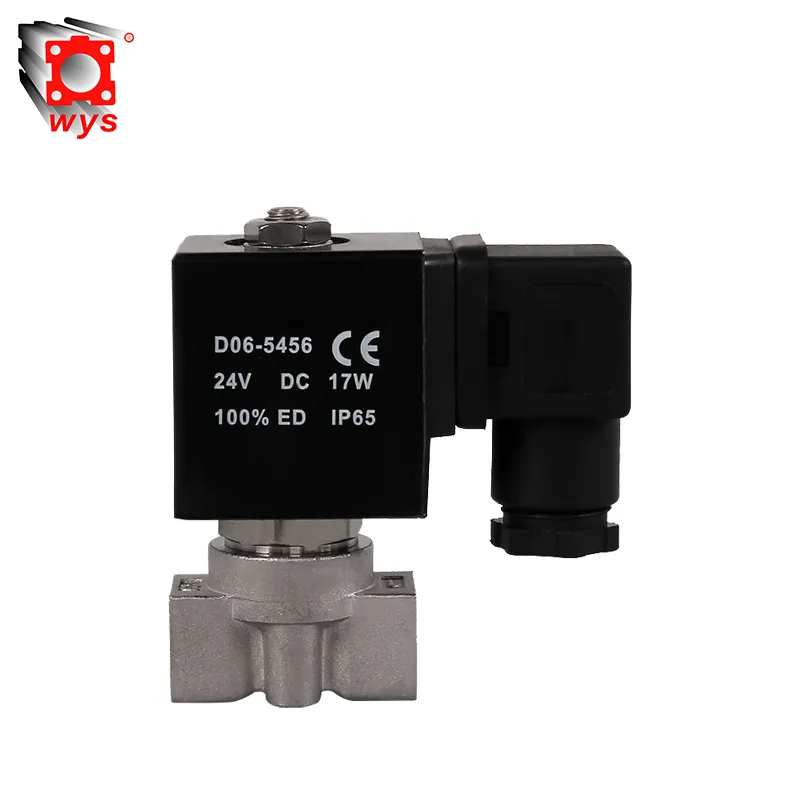
What Is a Pneumatic Solenoid Valve? What Is Its Function?
A pneumatic solenoid valve is a device that uses electromagnetic force to control the direction or flow (on/off status) of gas. Its defining characteristic is the use of electrical signals to control gas behavior.
In a pneumatic system, the fundamental functions of a pneumatic solenoid valve can be summarized in three points:
•Controlling the flow of compressed air (switching it on or off)
•Changing the airflow path
•Coordinating the sequence of operations for pneumatic actuators
An air actuated solenoid valve can be thought of as a "converter" that transforms signals from an electrical control system into actual mechanical actions within the pneumatic system.
What Are the Internal Components of a Pneumatic Solenoid Valve?
To understand how a pneumatic solenoid valve works, one must first understand its basic structure. Typically, a standard pneumatic solenoid valve consists of the following main components:
•Solenoid coil
•Valve spool (or sliding valve mechanism)
•Valve body channels
•Spring return mechanism
The solenoid coil generates magnetic force, the spool handles the switching of airflow paths, and the spring returns the spool to its initial position when power is cut off.
Working together, these components enable the air actuated solenoid valve to perform stable and reliable airflow switching under the control of electrical signals.
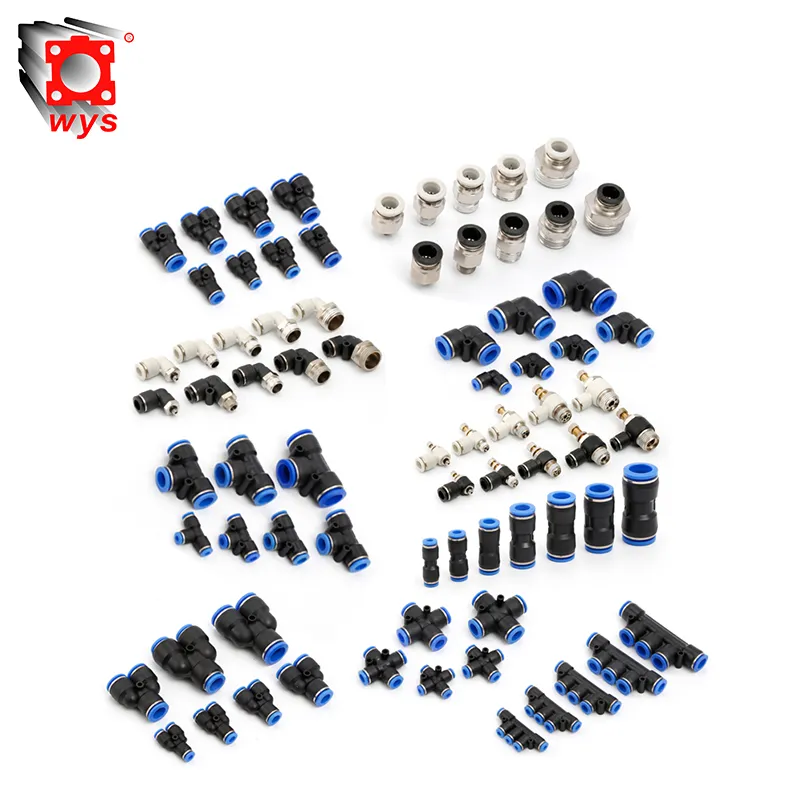
How Does a Pneumatic Solenoid Valve Work?
When the pneumatic solenoid valve is energized, the solenoid coil generates a magnetic field, which attracts the valve spool and causes it to move. A change in the spool's position alters the internal airflow path connections, thereby changing the direction of gas flow.
When power is cut off, the magnetic force dissipates; the spool returns to its original position under the force of a spring or air pressure, restoring the airflow path to its initial state.
Although this process is simple, it achieves the conversion from an "electrical signal" to "gas flow."
How do pneumatic solenoid valves achieve different types of airflow control?
1. Why are there different flow path configurations?
Depending on the requirements of the pneumatic system, solenoid valves can be designed with various flow path configurations, such as:
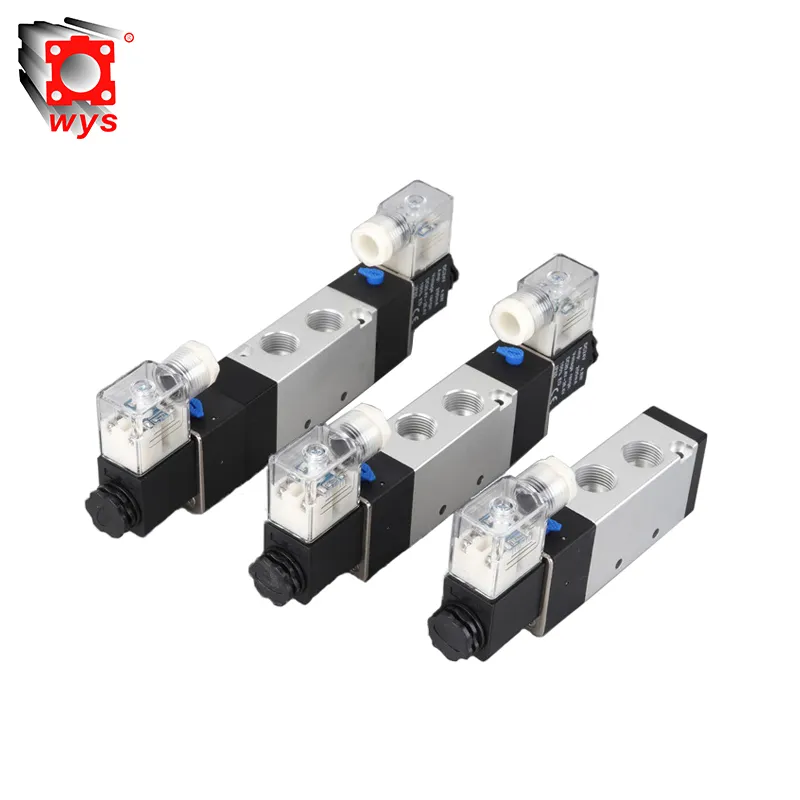
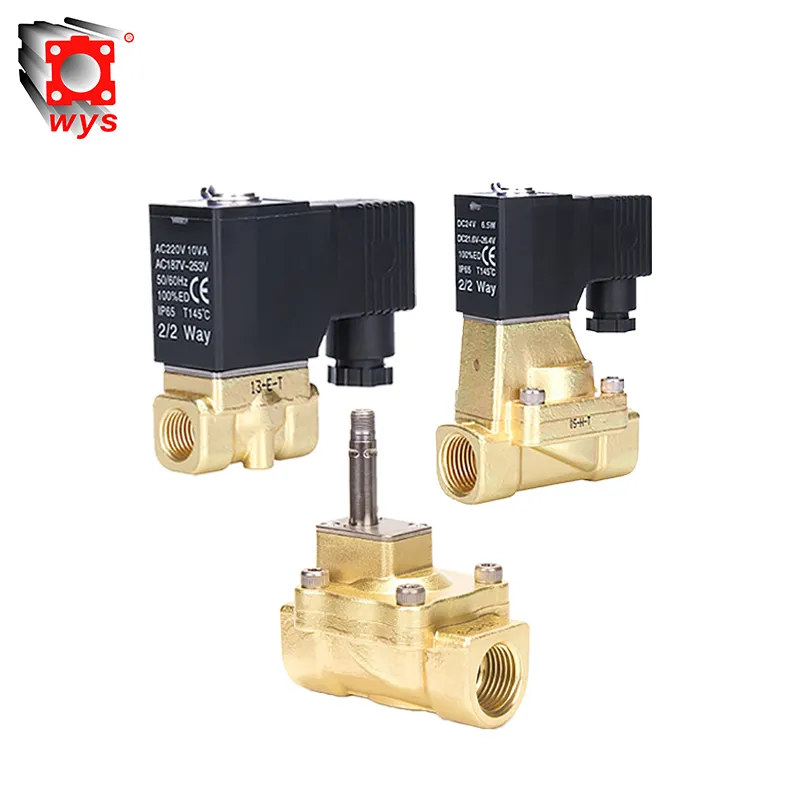
•2-position, 2-way: Controls the flow (on/off) of gas.
•2-position, 3-way: Controls a single actuator.
•2-position, 5-way: Controls a double-acting cylinder.
The specific configuration of the pneumatic solenoid valve determines the control functions it can perform.
2. How do multi-port valves achieve complex control?
By combining multiple air actuated solenoid valves, the following can be achieved:
•Sequential control
•Interlocked control
•Multi-step operations
This enables the pneumatic system to execute complex operational logic.
Are air operated solenoid valves essential for pneumatic systems?
Theoretically, pneumatic systems can also be controlled using manual or mechanical valves. However, these methods have significant limitations:
•Low control efficiency
•Difficulty in achieving automation
•Slow response speeds
In contrast, air operated solenoid valves respond rapidly to electrical signals, making them better suited for automated systems.
What role do air operated solenoid valves play in automated control?
1. Are they key nodes for executing control?
In automated systems, air operated solenoid valves are typically located at the end of the control chain:
•Upstream: PLC or control system
•Downstream: Cylinder or actuator
They are responsible for converting control commands into actual physical actions, making them critical execution nodes.
2. Do they determine the system's response speed?
The response time of an air operated solenoid valve directly affects the operating speed of the entire system. If the valve responds sluggishly, it leads to:
•Action delays
•Imbalanced control timing
Consequently, the performance of the air operated solenoid valve significantly impacts system stability.
Where is the control logic of air operated solenoid valves manifested within the pneumatic system?
1. Do they participate in controlling the sequence of operations?
By properly configuring air operated solenoid valves, one can:
•Execute multiple actions in sequence
•Control the timing and order of actions
•Prevent operational conflicts
2. Can conditional control be achieved?
By integrating sensor signals, pneumatic solenoid valves can trigger actions based on specific conditions, such as:
•Proceeding to the next step after reaching a certain position
•Switching air circuits based on system status
This endows the pneumatic system with logical control capabilities.
Do pneumatic solenoid valves affect system stability?
1. Does switching the air circuit cause shock or impact?
If the switching action of the pneumatic solenoid valve is not smooth, it may lead to:
•Air pressure fluctuations
•Jerky or uneven movement
•Equipment vibration
Therefore, the design and performance of the valve directly impact system stability.
2. Is sealing performance critical?
The internal sealing structure of the valve determines whether leakage occurs. Poor sealing can result in:
•A drop in system pressure
•Reduced operational efficiency
What role do air actuated solenoid valves play in safety control?
1. Can they be used for emergency control?
Pneumatic solenoid valves can cut off the air supply when power is removed, thereby:
•Stopping equipment operation
•Preventing unintended actions
This characteristic is crucial for safety control.
2. Do they help prevent system anomalies?
Proper control of air actuated solenoid valvees prevents the system from continuing to operate under abnormal conditions, thereby enhancing safety.
Do air actuated solenoid valves affect system efficiency?
Pneumatic solenoid valves enable precise control over airflow, preventing wasteful air supply and improving air source utilization. Their rapid response times also allow for tighter, more streamlined system movements, boosting overall operational efficiency.
How should the importance of air actuated solenoid valvees be understood from a holistic perspective?
Overall, air actuated solenoid valves are not merely simple control components; they serve as:
•A core control element of the pneumatic system
•A bridge between the electrical control system and pneumatic actuators
•A key interface for achieving automated operation
They are integral to the operational logic of the entire pneumatic system.
As a critical control component, the role of the pneumatic solenoid valve extends far beyond simple on/off switching. It utilizes electromagnetic principles to convert electrical signals into the control of gas flow, thereby achieving precise actuation of the operating components.
We Are Sincerely Seeking Agents. Welcome To Inquire.