

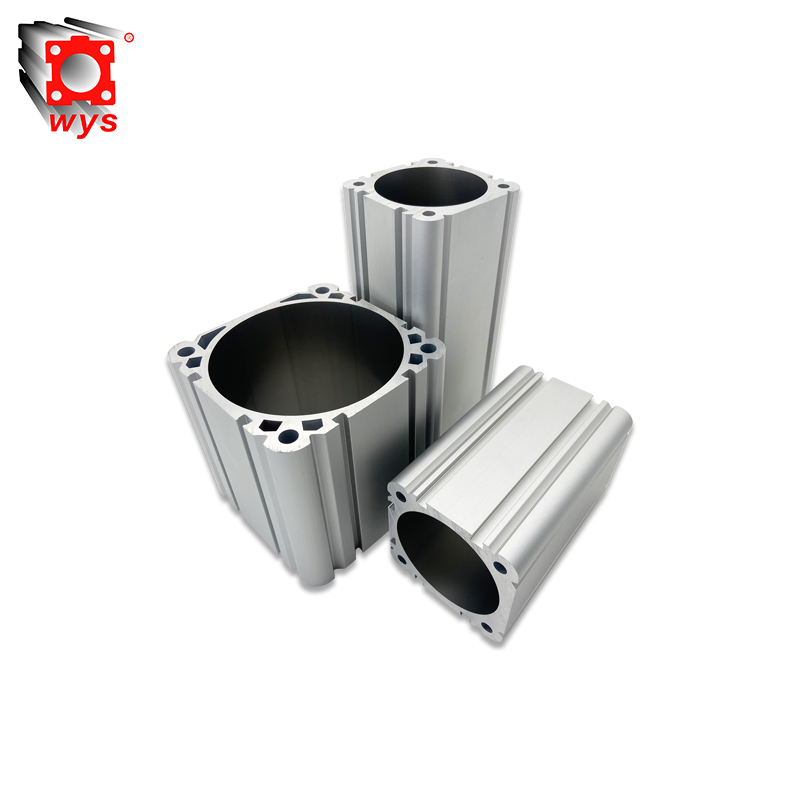
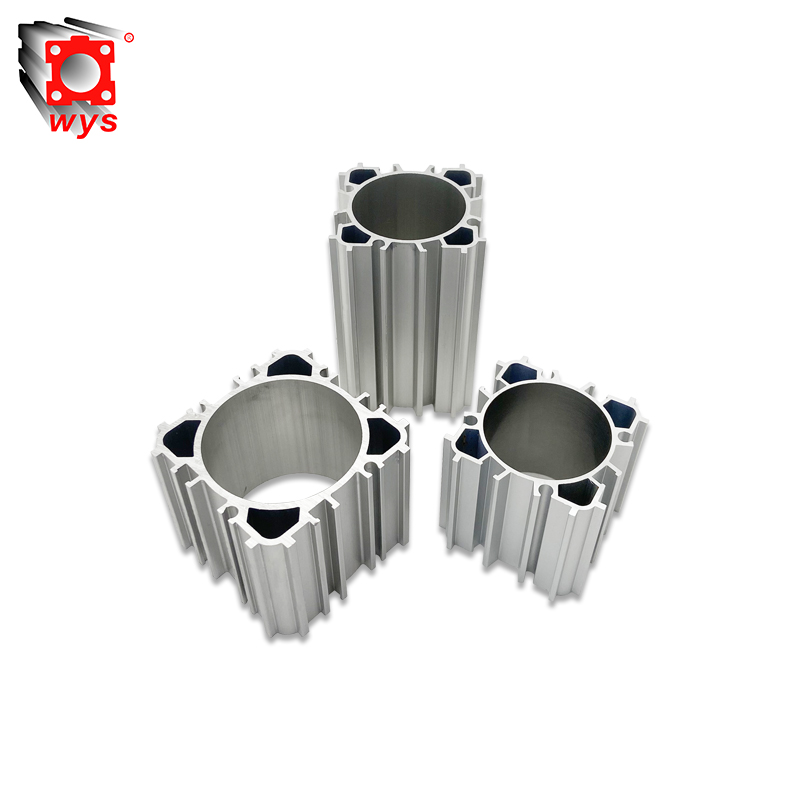
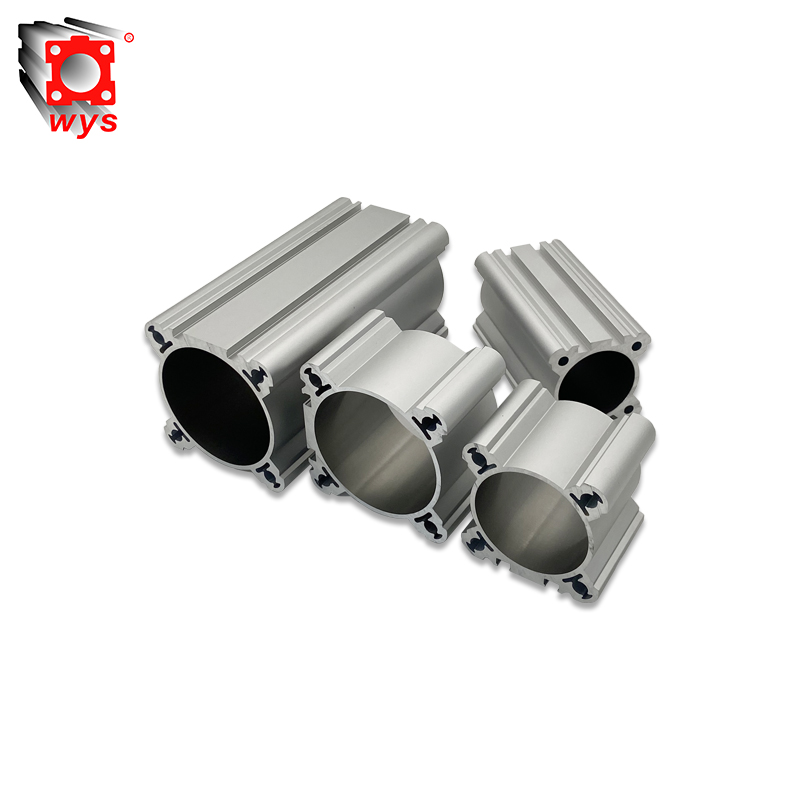
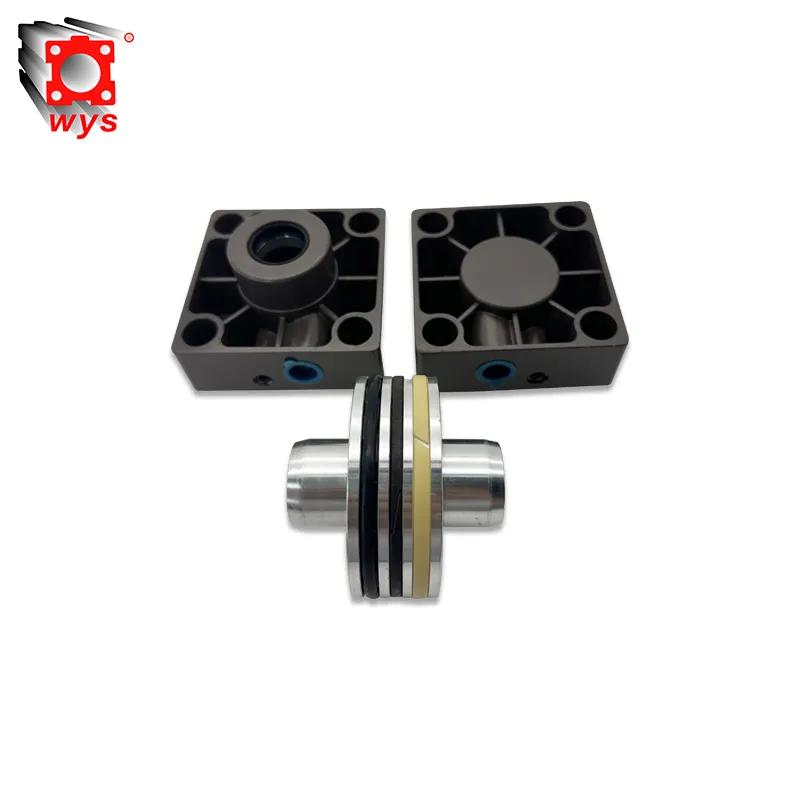
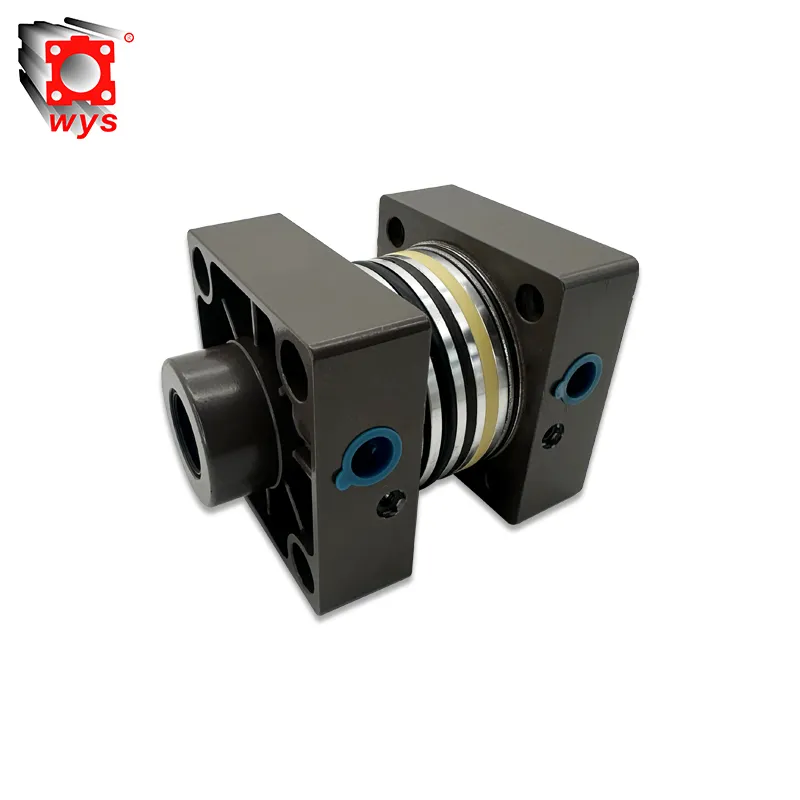
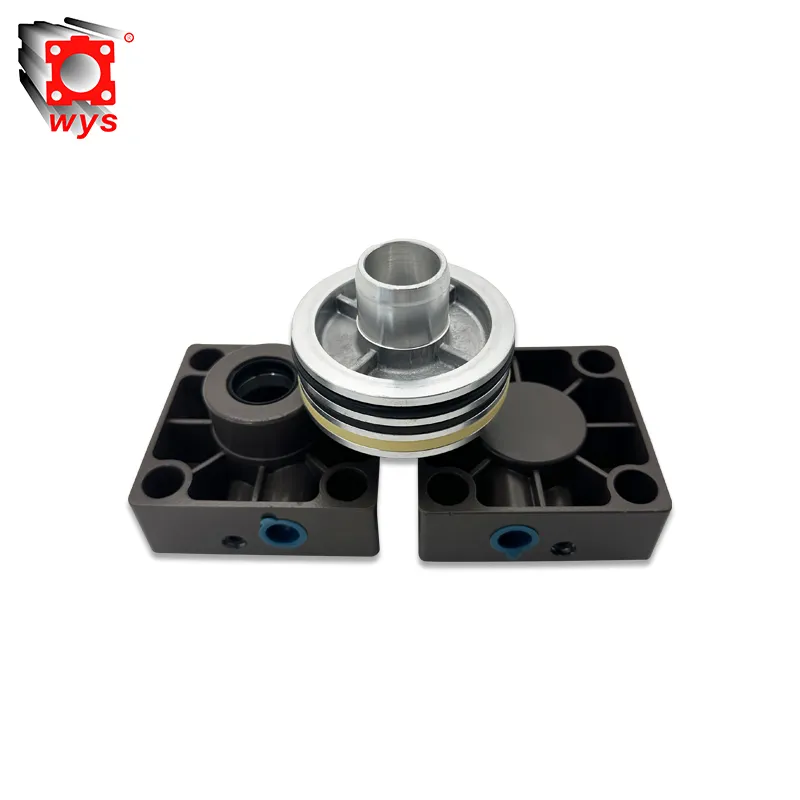
A cylinder is one of the most important actuators in a pneumatic system, and a pneumatic cylinder kit is a crucial component of its internal structure. A pneumatic cylinder kit typically includes key parts such as a piston, seals, guide rings, piston rod connections, and some mounting structures. These components work together to ensure the cylinder can stably complete its reciprocating motion.
As equipment operates over time, the components inside the pneumatic cylinder kit may gradually wear out, age, or experience performance degradation. If these problems are not addressed promptly, they can lead to unstable cylinder operation, reduced thrust, or even equipment shutdown.
Therefore, timely assessment of whether a pneumatic cylinder kit needs replacement is crucial for ensuring the stable operation of pneumatic equipment.
So, how should equipment maintenance personnel determine if a pneumatic cylinder kit needs replacement? What signs indicate that a pneumatic cylinder kit is nearing the end of its service life?
This article will systematically analyze these questions from the perspectives of pneumatic system structure, operating status, and maintenance and inspection methods.
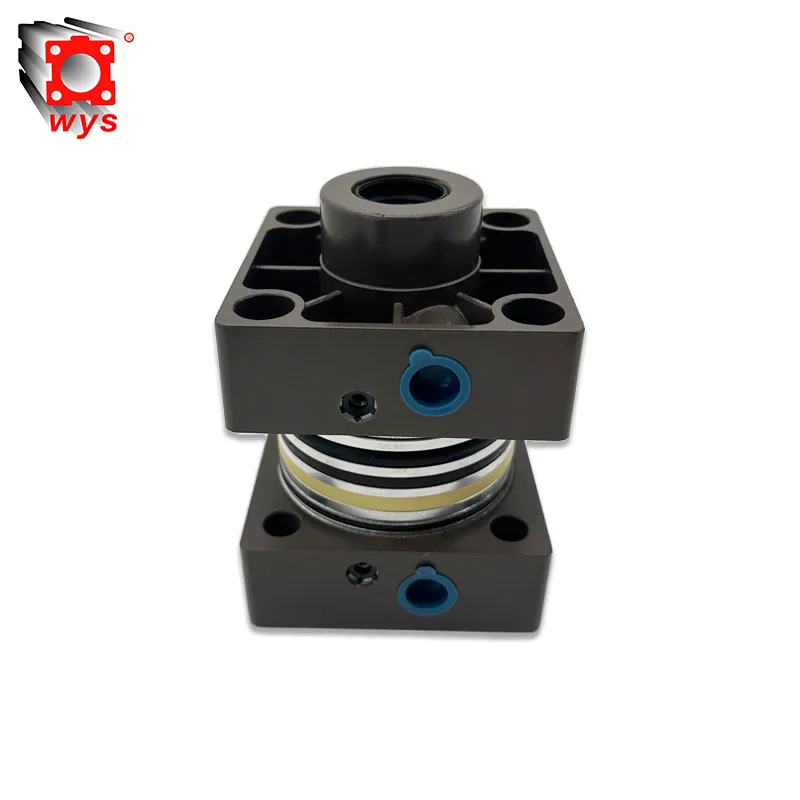
What is a pneumatic cylinder kit?
A pneumatic cylinder assembly typically refers to a combination of core components inside a cylinder, which together constitute the cylinder's motion mechanism. A typical pneumatic cylinder assembly usually includes the following parts:
• Piston assembly
• Piston seal
• Guide ring
• Dust seal
• Piston rod connection structure
These components are installed inside the pneumatic cylinder barrel, forming a complete cylinder system together with the cylinder barrel, end caps, and other structures.
The main functions of a pneumatic cylinder assembly include:
• Converting gas pressure into mechanical motion
• Ensuring the internal sealing performance of the cylinder
• Reducing friction and maintaining stable motion
• Providing reliable motion guidance
Therefore, the condition of the pneumatic cylinder assembly directly affects the cylinder's operating performance.
Why do pneumatic cylinder assemblies need to be inspected regularly?
During long-term operation of pneumatic equipment, the internal components of the pneumatic cylinder assembly will continuously come into contact with the inner wall of the cylinder barrel, generating friction.
Meanwhile, pneumatic systems are also affected by the following factors:
• Impurities in compressed air
• Temperature changes
• Equipment load changes
• Natural aging of seals
These factors gradually affect the performance of the pneumatic cylinder assembly. Failure to regularly inspect the pneumatic cylinder assembly may lead to decreased equipment performance or even malfunction.
Therefore, regular inspection of the pneumatic cylinder assembly is essential during equipment maintenance.
Does abnormal cylinder operation mean the pneumatic cylinder assembly needs replacement?
In many cases, changes in the cylinder's operating condition are a crucial indicator of whether the pneumatic cylinder assembly needs replacement.
When the pneumatic cylinder assembly shows wear or aging, the cylinder may exhibit the following abnormal phenomena:
• Slower movement speed
• Unstable operation
• Reduced thrust
• Increased operating noise
These phenomena usually indicate that the internal components of the pneumatic cylinder assembly have experienced performance degradation.
When equipment maintenance personnel discover these problems, they should promptly inspect the condition of the pneumatic cylinder assembly to determine if replacement is necessary.
Does cylinder leakage indicate that the pneumatic cylinder assembly is damaged?
Cylinder leakage is a common problem in pneumatic systems, and the seals in the pneumatic cylinder assembly are often a major cause of leakage.
The seals in the pneumatic cylinder assembly are primarily responsible for maintaining the gas pressure inside the cylinder. Leakage can occur if the seals experience the following problems:
• Seal wear
• Seal aging
• Seal deformation
When the sealing performance of the pneumatic cylinder assembly deteriorates, gas may leak from the sides of the piston or the end cap, affecting cylinder thrust.
Therefore, if there is significant cylinder leakage, it likely means that the sealing components in the pneumatic cylinder assembly need to be replaced.
Is the decrease in cylinder thrust related to the pneumatic cylinder assembly?
Cylinder thrust is mainly determined by air pressure and piston area, but the condition of the pneumatic cylinder assembly also affects the actual output force.
If the internal components of the pneumatic cylinder assembly are severely worn, the following problems may occur:
• Poor sealing leading to pressure loss
• Increased piston friction
• Reduced motion efficiency
These conditions will all cause the actual cylinder output force to be lower than the theoretical value.
When equipment experiences insufficient thrust, inspecting the pneumatic cylinder assembly is often a key part of maintenance.
Does unstable cylinder movement necessitate checking the pneumatic cylinder assembly?
During normal operation, the cylinder should move smoothly and steadily.
If the pneumatic cylinder assembly is worn or damaged, it can cause unstable piston movement within the cylinder barrel, resulting in the following:
• Vibration
• Jamming
• Uneven speed variations
These phenomena usually indicate a problem with the internal guide structure or seals of the pneumatic cylinder assembly.
In this case, inspecting the pneumatic cylinder assembly and replacing it if necessary can effectively restore the cylinder's operating condition.
What is the typical lifespan of a pneumatic cylinder assembly?
The lifespan of a pneumatic cylinder assembly is typically affected by several factors, such as:
• Operating frequency
• Operating pressure
• Environmental conditions
• Air source quality
If the pneumatic system operates in a good environment and the compressed air is filtered, the pneumatic cylinder assembly can usually operate stably for a long time.
However, under high frequency or high load conditions, the wear rate of the pneumatic cylinder assembly may increase significantly.
Therefore, equipment maintenance personnel should regularly check the condition of the pneumatic cylinder assembly based on the equipment's operating status.
How to check if a pneumatic cylinder assembly needs replacement?
Determining if a pneumatic cylinder assembly needs replacement can typically be done through the following methods:
1. Visual Inspection
After disassembling the cylinder, the external condition of the pneumatic cylinder assembly can be directly observed, for example:
• Wear on the seals
• Scratches on the piston
• Damage to the guide ring
These phenomena may indicate that the pneumatic cylinder assembly needs replacement.
2. Motion Test
By testing the cylinder's motion, it can be determined whether the pneumatic cylinder assembly is still functioning properly.
For example:
• Observe whether the motion is smooth
• Check for abnormal resistance
• Test whether the operating speed is stable
If any abnormalities are found, the pneumatic cylinder assembly should be further inspected.
3. Sealing Test
A sealing test can determine whether the pneumatic cylinder assembly still has good sealing performance.
If significant gas leakage is found, it may be necessary to replace the sealing components in the pneumatic cylinder assembly.
Is replacing the pneumatic cylinder assembly more economical than replacing the entire cylinder?
In many cases, replacing the pneumatic cylinder kit is more economical than replacing the entire cylinder.
Reasons include:
• Lower cost of pneumatic cylinder kits
• Relatively simple replacement operation
• Restoration of cylinder performance
Therefore, replacing the pneumatic cylinder kit is a common maintenance practice when the main cylinder structure is undamaged.
How to determine if a pneumatic cylinder kit needs replacement?
When a cylinder exhibits symptoms such as air leakage, decreased thrust, unstable movement, or increased noise, it is likely necessary to inspect and replace the pneumatic cylinder kit.
The pneumatic cylinder kit is the most critical moving component inside the cylinder, and its condition directly affects cylinder performance. Regularly inspecting the pneumatic cylinder kit and replacing it promptly when necessary can effectively ensure the stable operation of the pneumatic system.
Does Weiyingjia provide complete testing for its products?
Yes. Each pneumatic cylinder, liner, and kit undergoes rigorous testing, including hardness, precision, and durability assessments. Our factory employs 100+ skilled technicians and ten advanced testing machines. Buyers purchasing from Weiyingjia can expect reliable, high-quality, and energy-efficient products. Wholesale clients and brand manufacturers trust Weiyingsi as a professional manufacturer and supplier with strict quality assurance.