
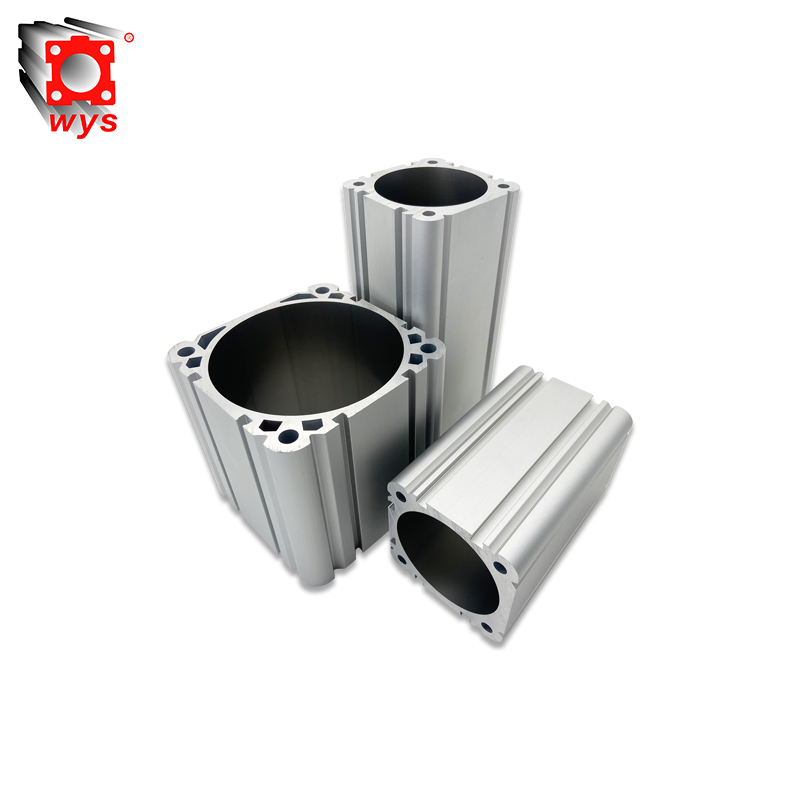
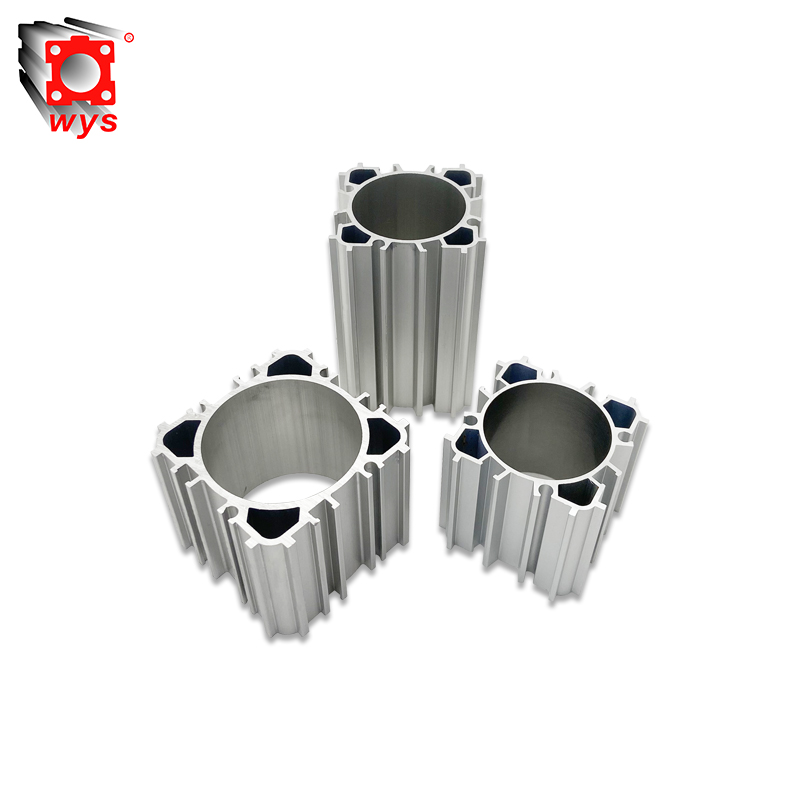
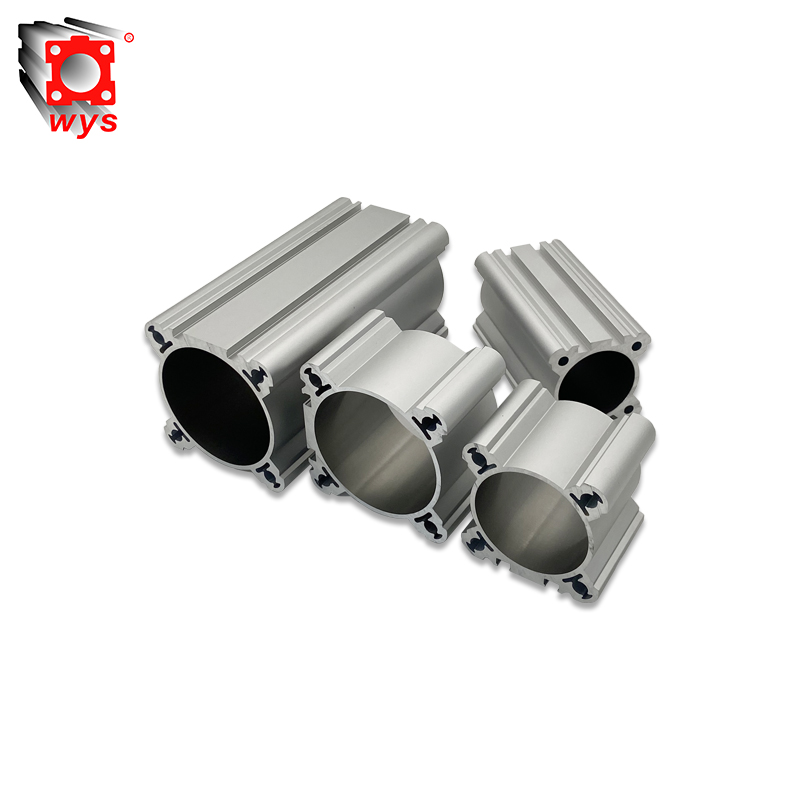
In pneumatic systems, cylinders, as actuators, play a crucial role in converting compressed air into mechanical motion. Within the cylinder structure, the pneumatic cylinder barrel is one of the most critical components. It not only provides the piston with movement space but also directly affects the cylinder's sealing performance, operational stability, and service life.
Among various cylinder types, double-acting cylinders are widely used in automated equipment due to their bidirectional drive capability. In contrast, double-acting pneumatic cylinder barrels have significantly higher requirements for internal wall quality than single-acting structures. This difference is not accidental but is determined by a combination of factors, including their working principle, stress state, and sealing structure.
So, why do double-acting pneumatic cylinder barrels have higher requirements for internal wall quality? What key performance characteristics are affected by the internal wall quality of a pneumatic cylinder barrel?
This article will delve into these questions to help readers fully understand this seemingly minor but extremely important technical aspect.
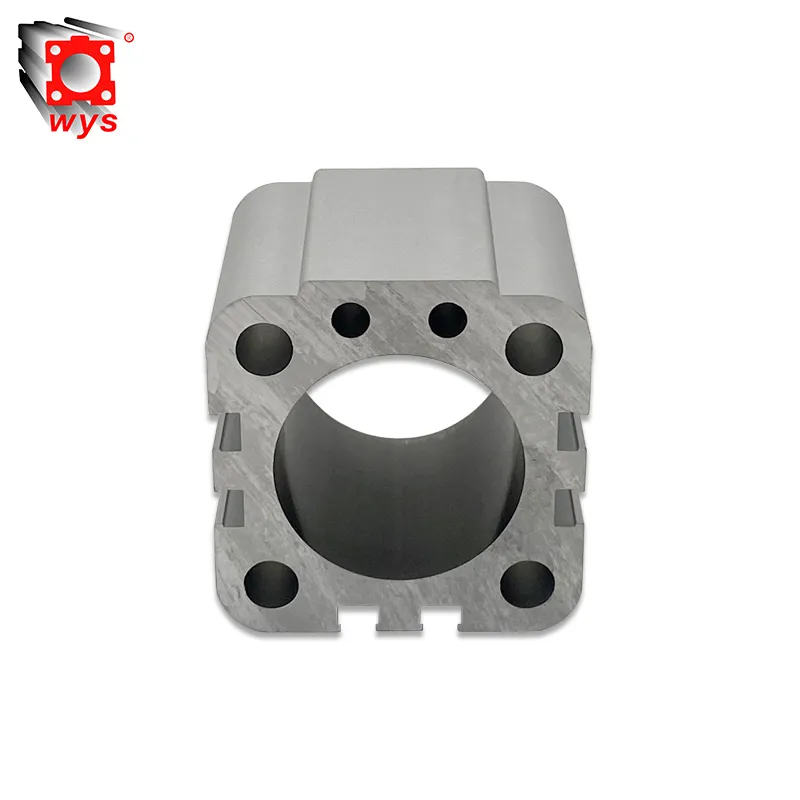
What are the differences in the working methods of double-acting cylinders?
A double-acting cylinder achieves the reciprocating motion of the piston by alternately inputting compressed air from both sides of the pneumatic cylinder barrel. That is:
• The piston moves forward using air pressure on one side.
• The piston returns using air pressure on the other side.
This structure means that the inner wall of the pneumatic cylinder barrel maintains continuous contact with the piston in both directions.
In contrast, a single-acting cylinder typically relies on air pressure to drive in only one direction, with the other direction relying on a spring or external force for return. Therefore, the requirement for continuous contact with the inner wall of the pneumatic cylinder barrel is less stringent.
It is precisely this characteristic of "bidirectional force and bidirectional motion" that places higher demands on the quality of the inner wall of a double-acting pneumatic cylinder barrel.
Why does bidirectional motion amplify defects in the inner wall of the pneumatic cylinder barrel?
In a double-acting cylinder, the piston continuously reciprocates within the pneumatic cylinder barrel, repeatedly amplifying even the smallest defects in the inner wall.
If the inner wall of a pneumatic cylinder barrel has the following problems:
• Scratches
• Pits
• Excessive roughness
• Localized unevenness
Then, during the piston's reciprocating motion, these defects will continuously come into contact with the seals, resulting in the following effects:
• Increased seal wear
• Increased frictional resistance
• Unstable motion
Since the motion is bidirectional, this effect will repeat in each cycle, accelerating the problem's progression.
Therefore, double-acting pneumatic cylinder barrels must possess higher inner wall smoothness and uniformity.
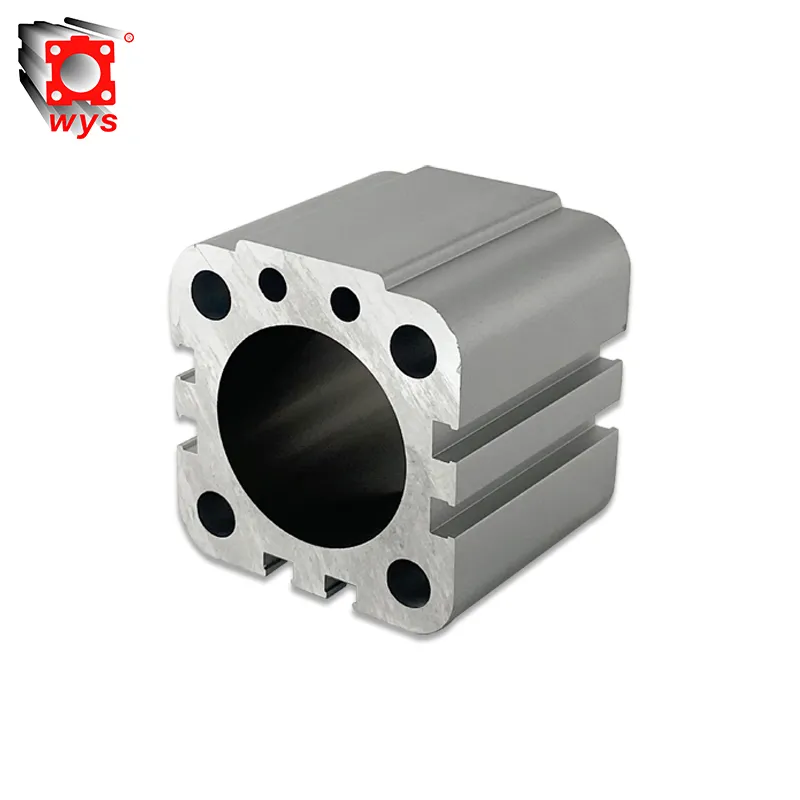
Why is the inner wall roughness of a pneumatic cylinder barrel so critical?
The inner wall roughness of a pneumatic cylinder barrel is one of the important indicators for measuring its machining quality.
For double-acting cylinders, inner wall roughness directly affects the following aspects:
1. Sealing performance
The smoother the inner wall of the pneumatic cylinder barrel, the tighter the contact between it and the seals, and the lower the risk of gas leakage.
2. Frictional resistance
A rough inner wall of the pneumatic cylinder barrel increases friction, affecting cylinder motion efficiency.
3. Seal Life
High surface roughness accelerates seal wear, thus shortening its service life.
In double-acting pneumatic cylinder barrels, the effects of these factors are even more pronounced due to the frequent reciprocating motion of the piston. Therefore, internal wall roughness control becomes a critical technical indicator.
Why does a double-acting pneumatic cylinder barrel rely more heavily on high-precision roundness and straightness?
Besides roughness, the geometric accuracy of the pneumatic cylinder barrel is equally crucial.
In a double-acting cylinder, if the pneumatic cylinder barrel has the following problems:
• Roundness deviation
• Inner bore ellipticity
• Axis bending
These will all cause the piston to experience eccentricity or jamming during movement.
These problems are more pronounced in bidirectional motion because:
• The piston needs to maintain good fit in both directions
• Deviations accumulate during reciprocating motion
Therefore, the requirements for roundness and straightness in double-acting pneumatic cylinder barrels are much higher than in ordinary structures.
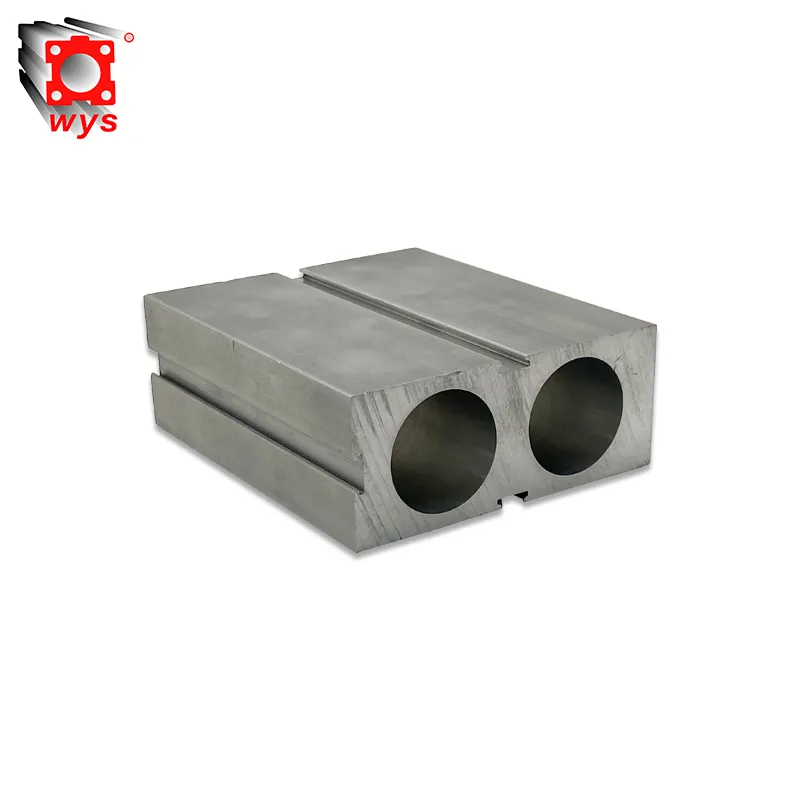
How does the quality of the pneumatic cylinder barrel's internal wall affect the sealing system?
In pneumatic cylinders, the sealing system typically consists of sealing rings, guide rings, etc., and these components are in direct contact with the inner wall of the pneumatic cylinder barrel.
If the inner wall of the pneumatic cylinder barrel is of poor quality, it may lead to:
• Damaged sealing rings
• Seal failure
• Gas leakage
In double-acting cylinders, due to the alternating pressure changes on both sides, the seals need to operate under different pressure directions. This operating condition places higher demands on the inner wall of the pneumatic cylinder barrel.
In other words, the inner wall of the pneumatic cylinder barrel is not only a moving surface but also a crucial component of the sealing system.
Why are double-acting pneumatic cylinder barrels more susceptible to wear?
During long-term operation, any mechanical structure will experience a certain degree of wear, and the pneumatic cylinder barrel is no exception.
However, wear is more pronounced in double-acting cylinders due to several factors, including:
• Higher piston movement frequency
• Longer contact time
• Cumulative bidirectional friction
If the initial quality of the pneumatic cylinder barrel's inner wall is poor, this wear will be further exacerbated, creating a vicious cycle:
Rough inner wall → Increased friction → Seal wear → Further damage to the inner wall
Therefore, improving the quality of the pneumatic cylinder barrel's inner wall is crucial for reducing wear.
How important is surface treatment to the quality of the pneumatic cylinder barrel's inner wall?
To improve the quality of the pneumatic cylinder barrel's inner wall, various surface treatment processes are typically employed, such as:
• Precision honing
• Polishing
• Anodizing (for aluminum alloys)
These processes can significantly improve the pneumatic cylinder barrel's inner wall's:
• Smoothness
• Hardness
• Wear resistance
For double-acting pneumatic cylinder barrels, these treatments not only improve operational stability but also extend service life.
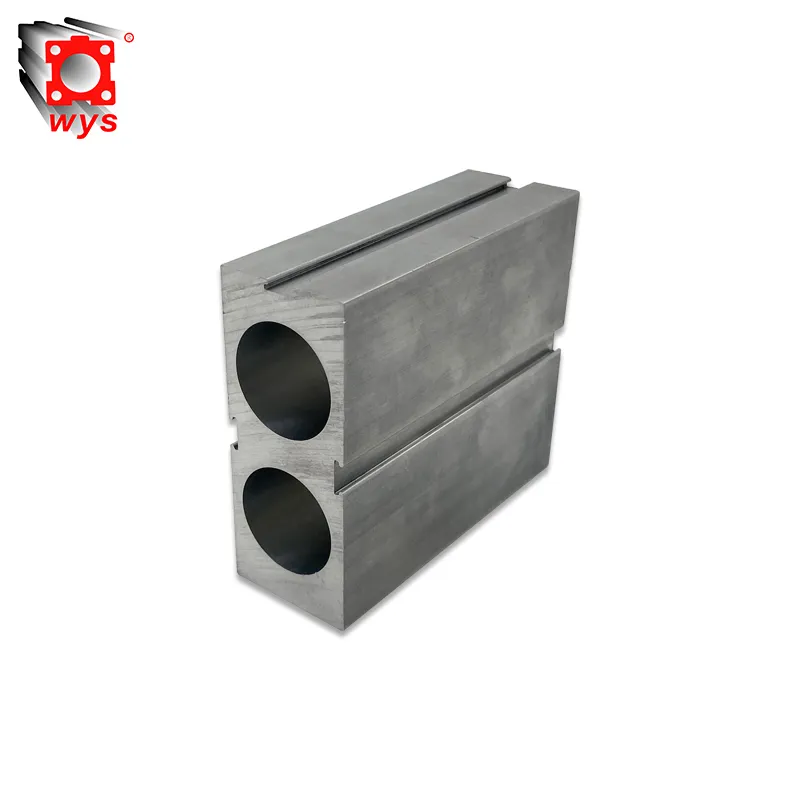
Why are double-acting pneumatic cylinder barrels more sensitive to lubrication conditions?
Lubrication conditions are closely related to the quality of the inner wall of the pneumatic cylinder barrel.
In a double-acting cylinder, the lubrication state must remain stable due to the continuous reciprocating motion of the piston. If the inner wall quality of the pneumatic cylinder barrel is poor, a lubricating oil film is difficult to form, which may lead to:
• Increased dry friction
• Increased temperature
• Damage to seals
Therefore, good pneumatic cylinder barrel inner wall quality helps form a stable lubricating layer, thereby reducing friction and wear.
How to determine if the pneumatic cylinder barrel inner wall quality meets standards?
In practical applications, the pneumatic cylinder barrel inner wall quality can be evaluated in the following ways:
• Inspect the inner wall surface finish
• Measure roughness parameters
• Check roundness and straightness
• Observe for scratches or defects
If there are obvious problems with the pneumatic cylinder barrel inner wall, it should be addressed or replaced promptly.
What makes Weiyingjia cylinders durable?
Durability is ensured through advanced production processes, including cold drawing, grinding, CNC machining, hard anodizing, and polishing. Each product is tested by professional teams to meet strict standards. Buyers purchasing from our factory can rely on Weiyingjia for high-quality, long-lasting pneumatic cylinders and kits. Our brand Weiyingsi provides reliable supply, competitive prices, and technical support for wholesale and industrial clients worldwide.