

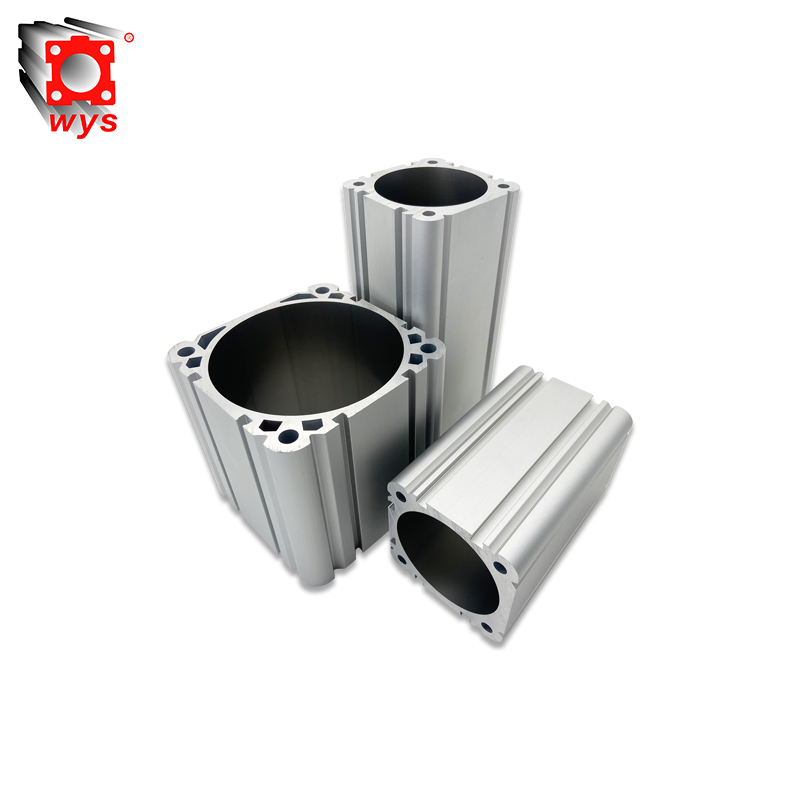
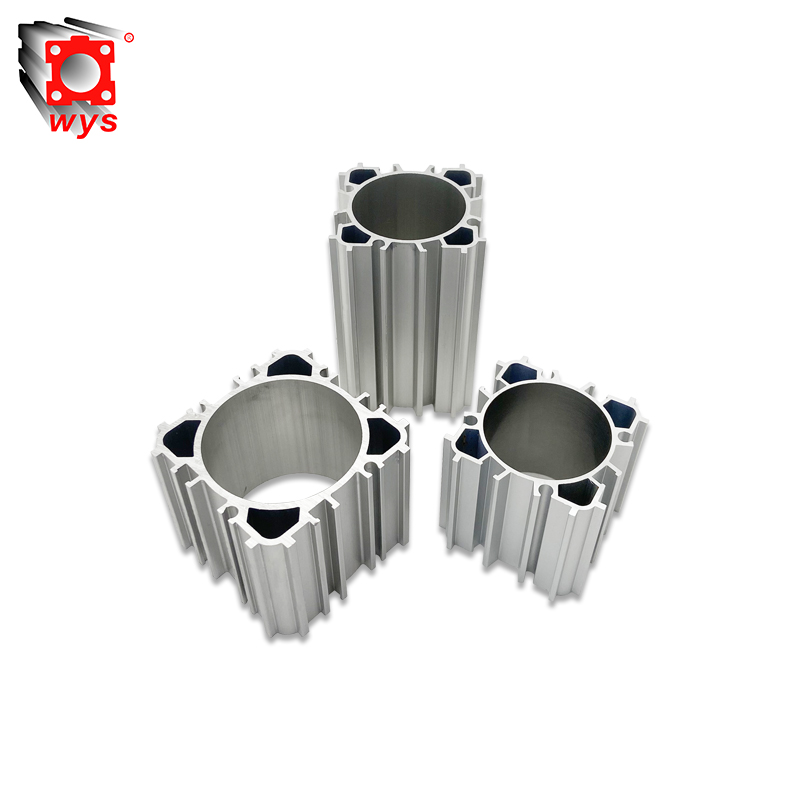
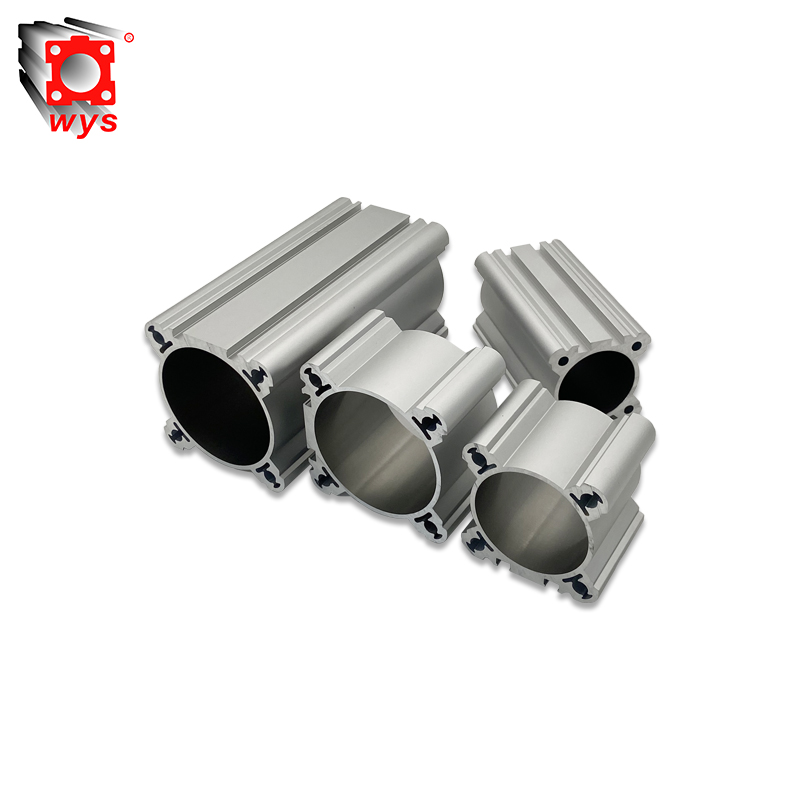
In pneumatic systems, many people focus on the cylinder's stroke, thrust, or control method, often overlooking a crucial question: how does the pneumatic cylinder barrel achieve a reliable seal after assembly?
In fact, the sealing performance of the pneumatic cylinder barrel directly determines whether the cylinder can stably output thrust, maintain consistent action, and extend its service life. If there are problems with the sealing design or assembly, even with sufficient air supply and normal valve assembly, system performance will significantly degrade.
This article will systematically analyze how the pneumatic cylinder barrel achieves an overall seal after assembly from the perspectives of structure, sealing method, assembly logic, stress state, and working mechanism, helping you truly understand this key issue from a theoretical perspective.
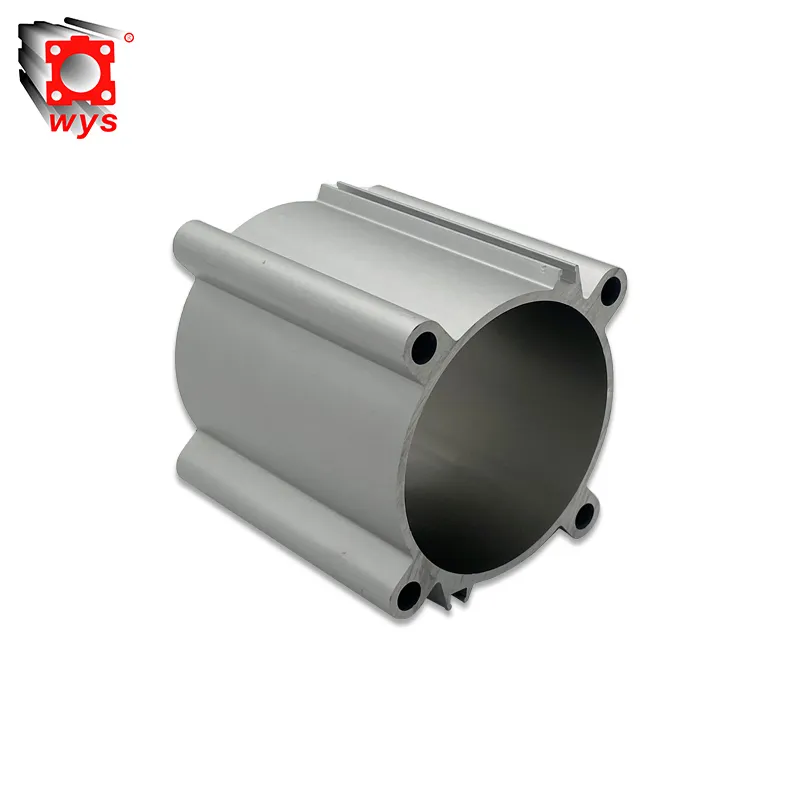
Why must the pneumatic cylinder barrel achieve a reliable seal after assembly?
Before understanding the specific sealing method, it's essential to clarify one premise: the pneumatic cylinder barrel itself is not a single component, but rather the core carrier of a sealing system.
During operation, a pneumatic cylinder barrel must simultaneously meet the following requirements:
• Withstand continuous or periodic air pressure internally
• Provide a low-friction environment for piston movement
• Completely isolate different pressure chambers
• Prevent compressed air leakage to the outside
If a pneumatic cylinder barrel fails to form a stable seal after assembly, the following will occur:
• Insufficient thrust
• Slow operation
• Increased energy consumption
• Unstable operation
Therefore, sealing is not an additional function, but a fundamental condition for the normal operation of a pneumatic cylinder tube.
Where does the sealing of a pneumatic cylinder tube primarily occur?
From a structural perspective, the sealing of a pneumatic cylinder tube is not concentrated at a single point, but distributed in multiple key locations.
In a typical structure, the sealing of a pneumatic cylinder tube mainly includes:
• Between the cylinder inner wall and the piston assembly
• Between the pneumatic cylinder barrel and the front and rear end caps
• Between the piston rod and the end cap guide section
• Between the port connection and the external air passage
These sealing components work together after assembly to form a complete sealing system, rather than relying on any single structure.
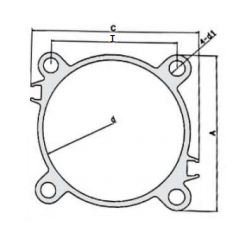
How do the pneumatic cylinder barrel and end cap achieve a seal after assembly?
This is a crucial aspect of the overall sealing of the pneumatic cylinder barrel.
In structural design, the pneumatic cylinder barrel is typically connected to the end cap in the following ways:
• Bolt tightening
• Tie rod structure
• Flange pressing
Regardless of the method used, the core objective is to:
Create a stable and continuous clamping force between the contact surfaces of the pneumatic cylinder barrel and the end cap.
At the contact interface, specialized sealing elements or precision-fit structures are usually installed to ensure:
• Axial air pressure cannot leak from the joint
• Pressure changes do not disrupt the seal
After assembly, the pneumatic cylinder barrel and end cap form a reliable static seal under structural forces.
How does the inner wall of the pneumatic cylinder tube form a dynamic seal with the piston?
Unlike the end cap seal, the seal between the inner wall of the pneumatic cylinder tube and the piston is dynamic.
During operation:
• The piston needs to reciprocate repeatedly within the pneumatic cylinder tube.
• Simultaneously, it must prevent air leakage between the two chambers.
To achieve dynamic sealing, the pneumatic cylinder tube relies on the following conditions:
• Sufficiently high surface finish on the inner wall.
• Roundness and straightness controlled within a reasonable range.
• Precise matching between the piston assembly and the cylinder inner diameter.
When the piston moves within the pneumatic cylinder tube, the sealing element remains in contact with the inner wall under air pressure, thereby achieving:
• Gas isolation between chambers.
• Effective utilization of air pressure. This is why the machining quality of the pneumatic cylinder barrel's inner bore is crucial to its sealing performance.
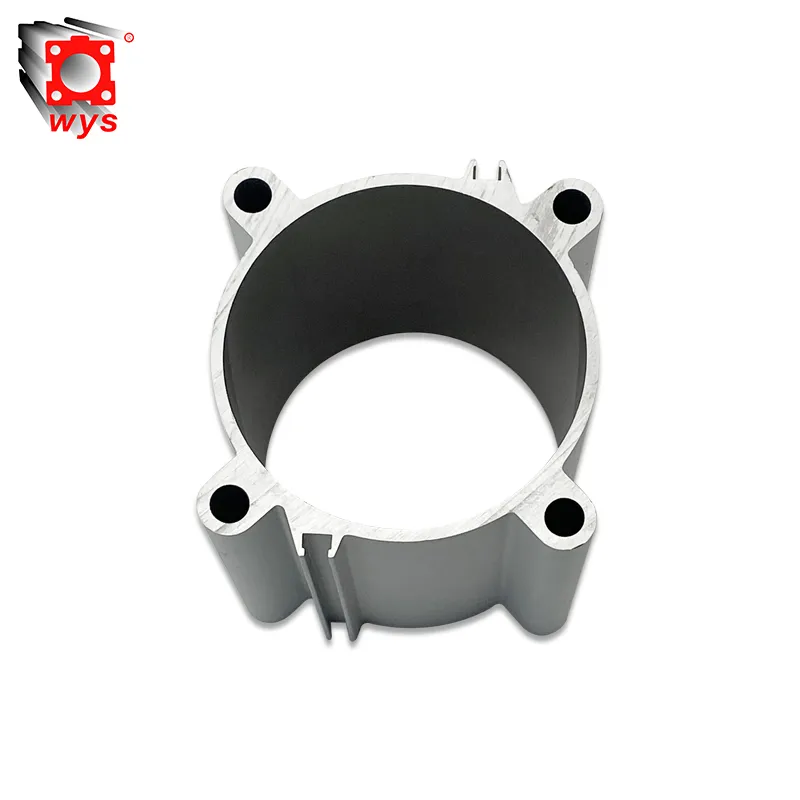
How much does the assembly precision of the pneumatic cylinder barrel affect its sealing performance?
Many sealing problems do not originate from the material itself, but from insufficient assembly precision.
During the assembly of a pneumatic cylinder barrel, the following issues can lead to uneven stress on the sealing elements:
• Coaxiality deviation
• Uneven end cap clamping
• Misaligned component installation
This can result in:
• Localized leakage
• Shortened seal life
• Abnormal operating resistance
Therefore, the sealing effect of a pneumatic cylinder barrel depends not only on the presence of a sealing structure but also on proper assembly.
How does a pneumatic cylinder tube prevent leakage at the ports?
Besides the main structure, the ports of a pneumatic cylinder tube are also potential leakage points.
After assembly, the ports of a pneumatic cylinder tube are typically sealed through the following methods:
• Precision machining of the port structure
• Formation of a stable contact surface at the interface
• Reliable fit between the pipe fitting and the port
As long as the port machining accuracy and connection method are reasonable, the pneumatic cylinder tube will not experience port leakage within its normal operating pressure range.
Although the port seal structure is relatively simple, it is equally important for the overall airtightness.
How does the seal of a pneumatic cylinder barrel remain stable under air pressure?
This is one of the key questions for understanding the sealing mechanism of a pneumatic cylinder barrel.
Under operating conditions:
• Gas pressure is not only the driving force for the piston
• It is also a crucial factor in maintaining a tight seal.
Inside the pneumatic cylinder barrel, as the gas pressure increases:
• The sealing element adheres to the sealing surface under pressure.
• The contact pressure automatically adjusts with changes in gas pressure.
This "self-reinforcing" characteristic makes it easier for the pneumatic cylinder barrel to maintain a stable seal within the normal pressure range.
This is why, under proper design, a pneumatic cylinder barrel does not immediately leak due to increased operating pressure.
After assembly, what factors are most likely to disrupt the seal of a pneumatic cylinder barrel?
Although a pneumatic cylinder barrel can form a stable seal after design and assembly, the following factors can still adversely affect the seal:
• Damage to the inner wall surface
• Stress deformation generated during assembly
• Long-term misalignment of coaxiality
• Abnormally increased internal friction
These factors do not immediately lead to serious leakage, but they gradually weaken the sealing capability of the pneumatic cylinder barrel, degrading system performance.
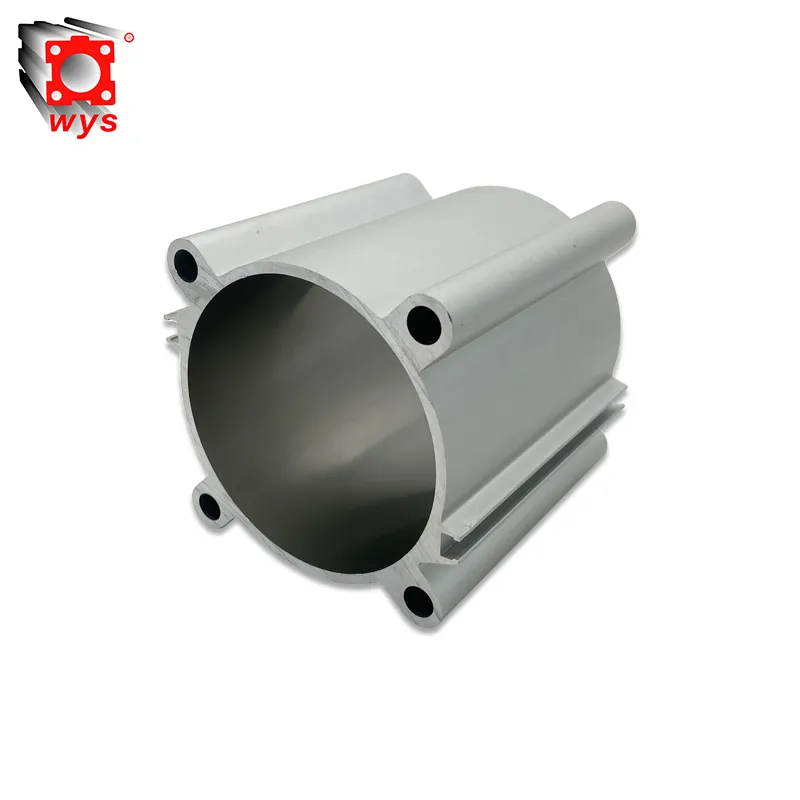
What are the differences between pneumatic cylinder barrel seals and static and dynamic seals?
From an engineering perspective, pneumatic cylinder barrel seals can be divided into two main categories:
Static Seals
• Occur in areas where there is no relative movement.
• Such as between the pneumatic cylinder tube and the end cap.
• Primarily rely on assembly pressure and structural fit.
Dynamic Seals
• Occur in areas where there is relative movement.
• Such as between the piston and the inner wall of the pneumatic cylinder barrel.
• Require a balance between sealing and low friction.
The reliable operation of a pneumatic cylinder barrel is the result of the simultaneous and stable existence of both types of seals.
How to understand the overall sealing logic of a pneumatic cylinder barrel from a structural perspective?
From an overall perspective, the sealing of a pneumatic cylinder barrel is not achieved at a single point, but is accomplished through the following logic:
1. The pneumatic cylinder barrel acts as the pressure-bearing body.
2. The end cap forms the axial sealing boundary.
3. The piston assembly provides cavity isolation.
4. Each sealing interface works collaboratively under pressure.
If any link in this chain fails, the overall sealing performance of the pneumatic cylinder barrel will be affected.
Is the seal of a pneumatic cylinder barrel "fixed" after assembly?
The answer is no.
In actual operation, the seal of a pneumatic cylinder barrel changes due to the following factors:
• Changes in operating pressure
• Changes in operating frequency
• Changes in internal friction conditions
However, under proper design and assembly, a pneumatic cylinder barrel can maintain stable and controllable sealing performance over a long period.
How does a pneumatic cylinder barrel achieve sealing after assembly?
The following clear conclusions can be drawn:
• The sealing of a pneumatic cylinder barrel is a systematic result.
• Sealing exists simultaneously in static connections and dynamic moving parts.
• The end cap, piston, and cylinder wall together constitute the sealing system.
• Air pressure itself helps enhance the sealing effect.
• Structural precision and assembly quality are crucial for sealing.
A pneumatic cylinder barrel is not simply "assembled and sealed," but rather maintains a continuously sealing environment under operating conditions through reasonable structural design and precise assembly.
How do you maintain technical precision in your products?
Foshan Weiyingjia Technology Co., Ltd. emphasizes precision through advanced CNC machining, grinding, aging, and hard anodizing processes. Our factory employs experienced technicians and utilizes 10 professional testing machines to ensure every component meets strict technical standards. Customers buying from us can rely on our high-quality manufacturing for durable, precise, and energy-efficient pneumatic solutions.