

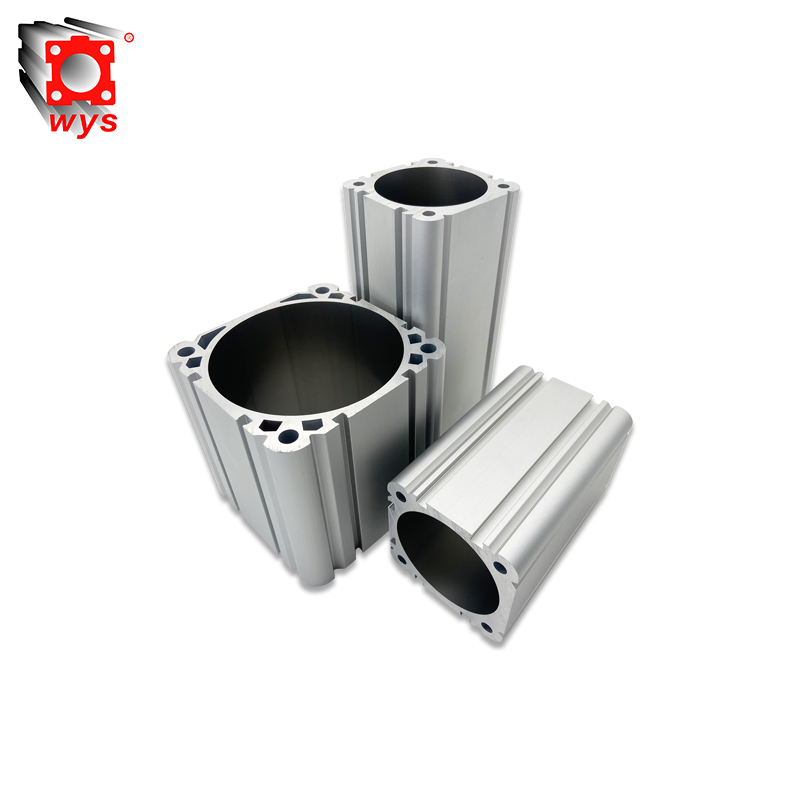
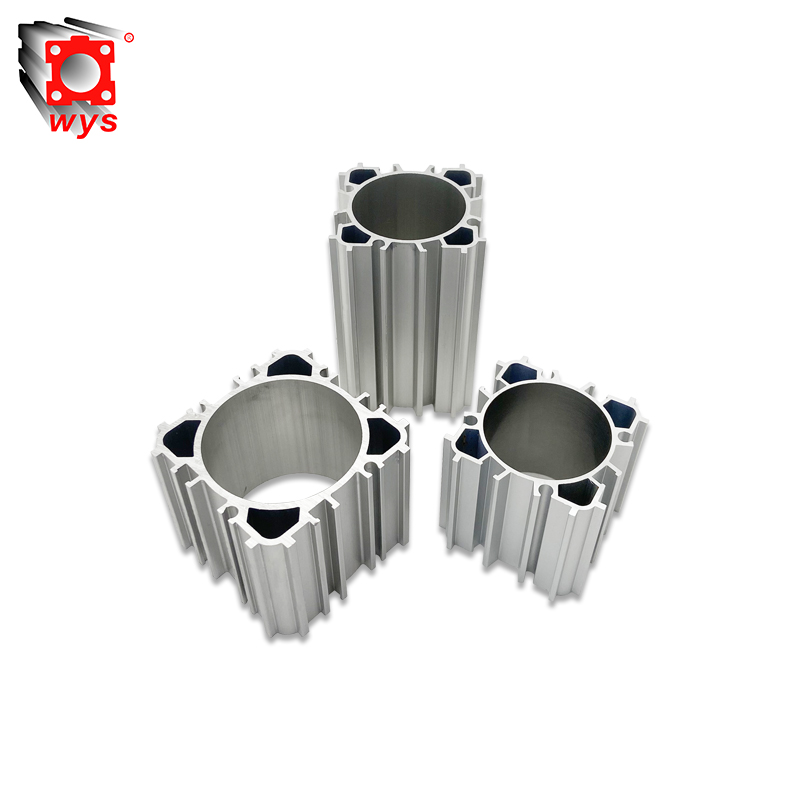
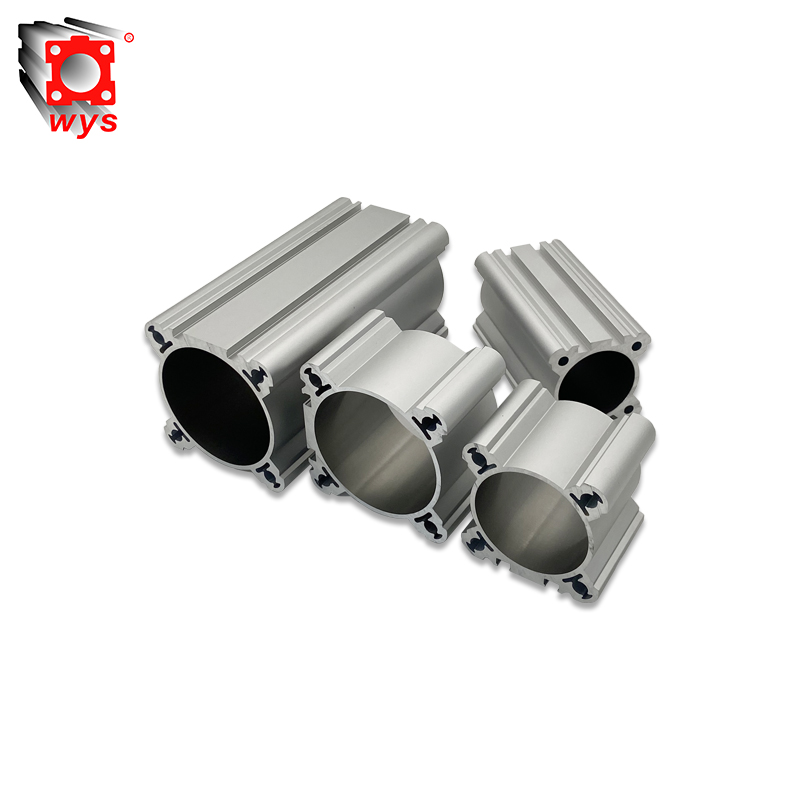
In pneumatic systems, cylinders are one of the most common and important actuators. Among all the components of a cylinder, the pneumatic cylinder barrel is often the largest, most structurally core, and most stress-concentrated part.
Many people, when learning about cylinders, focus more on output force, stroke, or installation method, but overlook a fundamental yet crucial question: What are pneumatic cylinder barrels made of?
In fact, the choice of material for pneumatic cylinder barrels is not arbitrary. It directly affects the cylinder's strength, sealing performance, corrosion resistance, service life, and overall appearance quality.
This article will systematically analyze from a professional perspective: What are the commonly used materials for pneumatic cylinder barrels? Why are these materials chosen? What operating conditions are different materials suitable for?
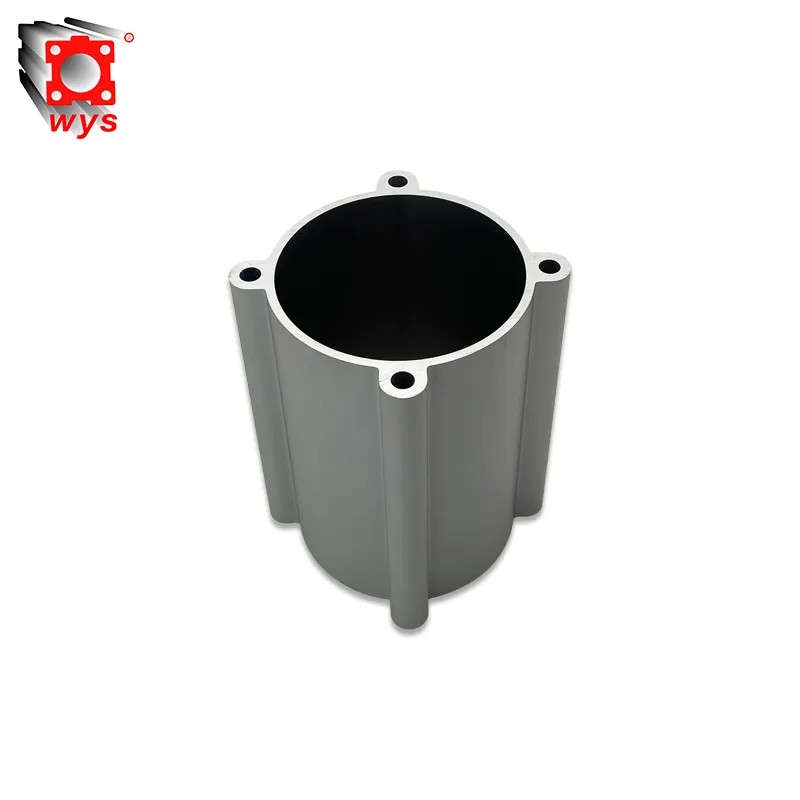
Why is the choice of material for pneumatic cylinder barrels so important?
Before understanding the specific materials used in pneumatic cylinder barrels, it is necessary to clarify: What requirements do pneumatic cylinder barrels withstand during operation?
Pneumatic cylinder barrels perform multiple functions.
A pneumatic cylinder barrel is not simply a shell, but a multifunctional component that must simultaneously meet the following requirements:
• Withstand the pressure of internal compressed air
• Provide a stable, linear movement space for the piston
• Form a reliable sealing structure with the seals
• Resist wear caused by long-term reciprocating friction
• Possess corrosion resistance in specific environments
Because of the complex functions of a pneumatic cylinder tube, its materials must strike a balance between strength, machinability, surface treatment adaptability, and environmental resistance.
What are the most commonly used materials for pneumatic cylinder tubes?
In current industrial applications, aluminum alloy is one of the most common and widely used materials for pneumatic cylinder tubes.
Why are aluminum alloys suitable for pneumatic cylinder tubes?
The widespread use of aluminum alloys in pneumatic cylinder tube manufacturing is not accidental, but stems from their comprehensive performance being highly compatible with the requirements of pneumatic systems.
1. Good corrosion resistance
Pneumatic systems inevitably come into contact with moisture, condensate, or ambient humidity during operation. Aluminum alloys themselves have good oxidation resistance and are not prone to severe corrosion in typical industrial environments, making them ideal as a material for pneumatic cylinder barrels.
2. Significant Lightweight Advantage
Compared to steel, aluminum alloys have a lower density. Using aluminum alloys to manufacture pneumatic cylinder barrels can significantly reduce the overall weight of the cylinder, which is beneficial for equipment installation, structural load control, and rapid response.
3. Excellent Formability and Machining Performance
Aluminum alloys have good extrusion properties, making them suitable for producing tubes with uniform wall thickness and high inner diameter accuracy. This is particularly important for pneumatic cylinder barrels, as the inner diameter accuracy directly affects sealing and motion stability.
4. Good Weldability
In some structural designs, pneumatic cylinder barrels may require welding connections with other components. Aluminum alloys possess good weldability under appropriate processing conditions, which is beneficial for structural assembly.
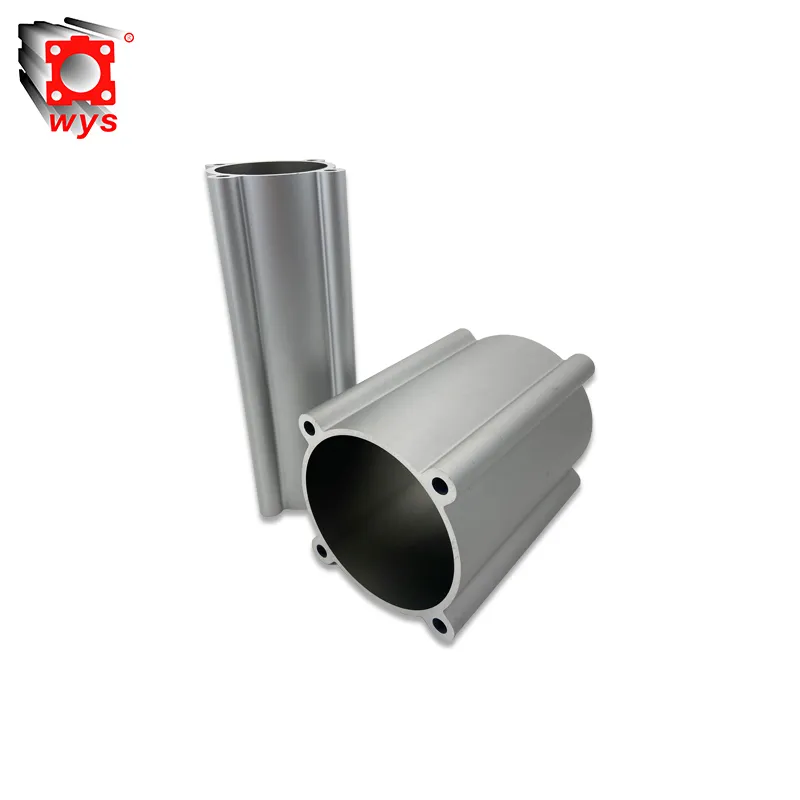
Why is Anodizing Treatment Performed on Aluminum Alloy Pneumatic Cylinder Barrels?
In practical applications, pneumatic cylinder barrels are not only made of aluminum alloy, but their inner and outer walls are also typically anodized.
What is the Role of Anodizing in Pneumatic Cylinder Barrels?
1. Improved Surface Wear Resistance
After anodizing, a dense oxide film forms on the aluminum alloy surface. This film significantly improves the wear resistance of the inner wall of the pneumatic cylinder barrel, reducing frictional wear between the piston and cylinder.
2. Enhanced Corrosion Resistance
The oxide film effectively isolates air and moisture, further improving the stability of the pneumatic cylinder barrel in humid or mildly corrosive environments.
3. Improved Sealing Conditions
The anodized and finished inner wall of the pneumatic cylinder tube facilitates a stable dynamic seal, reducing the risk of leakage.
4. Improved Appearance Quality
Anodized pneumatic cylinder tubes have a clean, aesthetically pleasing appearance with uniform color, contributing to the overall visual consistency and industrial aesthetics of the equipment.
Besides aluminum alloy, what other materials can be used for pneumatic cylinder barrels?
While aluminum alloy is the most common material for pneumatic cylinder barrels, other materials are sometimes selected for specific operating conditions or special requirements.
Material Characteristics of Steel Pneumatic Cylinder Barrels
Steel possesses higher strength and rigidity, making it suitable for applications requiring high mechanical stress.
The main characteristics of steel pneumatic cylinder tubes include:
• High strength
• Strong resistance to deformation
• Suitable for high-load structures
However, compared to aluminum alloys, steel pneumatic cylinder tubes are heavier and require more stringent corrosion protection.
Material Characteristics of Stainless Steel Pneumatic Cylinder Barrels
Stainless steel may also be used in the manufacture of pneumatic cylinder barrels in environments with extremely high corrosion resistance requirements.
Stainless steel pneumatic cylinder barrels typically possess:
• Excellent corrosion resistance
• Good cleanability
• Stable mechanical properties
However, their cost and processing difficulty are relatively high, thus limiting their application range.
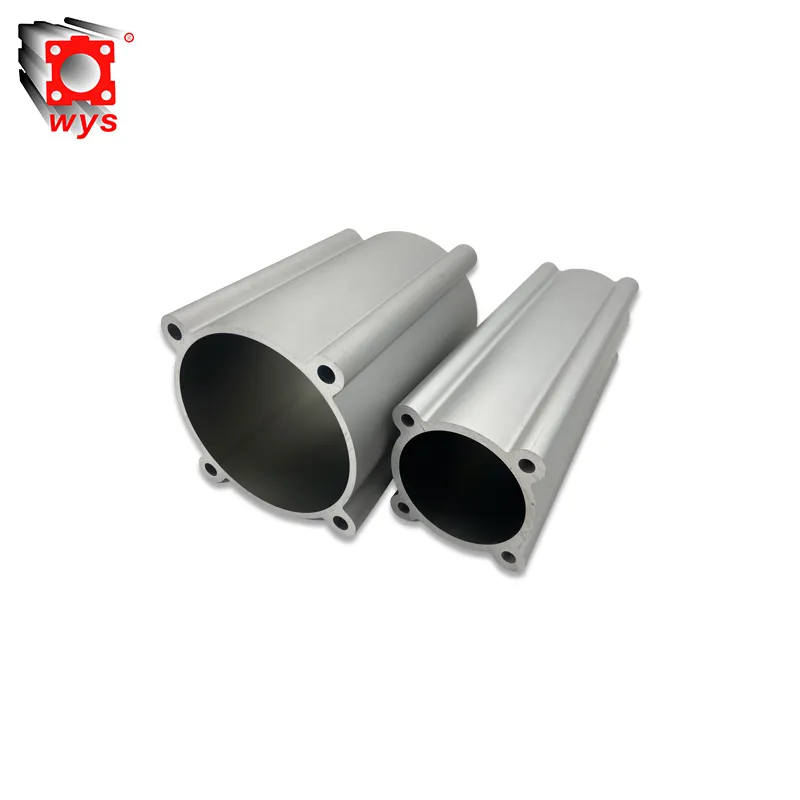
What are the performance differences between pneumatic cylinder barrels made of different materials?
From a materials perspective, different pneumatic cylinder barrels have different performance focuses:
• Aluminum alloy pneumatic cylinder tubes: lightweight, corrosion-resistant, high machining precision, widely used
• Steel pneumatic cylinder tubes: high strength, good rigidity, suitable for high loads
• Stainless steel pneumatic cylinder tubes: outstanding corrosion resistance, suitable for special environments
However, regardless of the material used, the core goal remains the same: to provide a stable, sealed, and durable working space for the piston.
How does the pneumatic cylinder tube material affect the cylinder's sealing performance?
The material itself determines its surface treatment and final inner wall condition, which are crucial for sealing performance.
• High material processing stability → Good inner diameter consistency
• Strong surface treatment adaptability → Longer seal life
• Good material wear resistance → Stable long-term operating performance
Therefore, from a sealing perspective, the pneumatic cylinder tube material is not an isolated factor, but is closely related to the processing technology and surface treatment.
How to understand the reliability of pneumatic cylinder barrels from a materials perspective?
From an engineering reliability perspective, the core value of pneumatic cylinder barrel materials lies in three aspects:
1. The ability to withstand internal air pressure over long periods.
2. The ability to maintain the precision and surface condition of the inner wall.
3. The ability to withstand corrosion and wear in the actual working environment.
Aluminum alloy pneumatic cylinder barrels achieve a good balance in these three aspects through the combination of the material's inherent properties and anodizing treatment, thus becoming the mainstream choice.
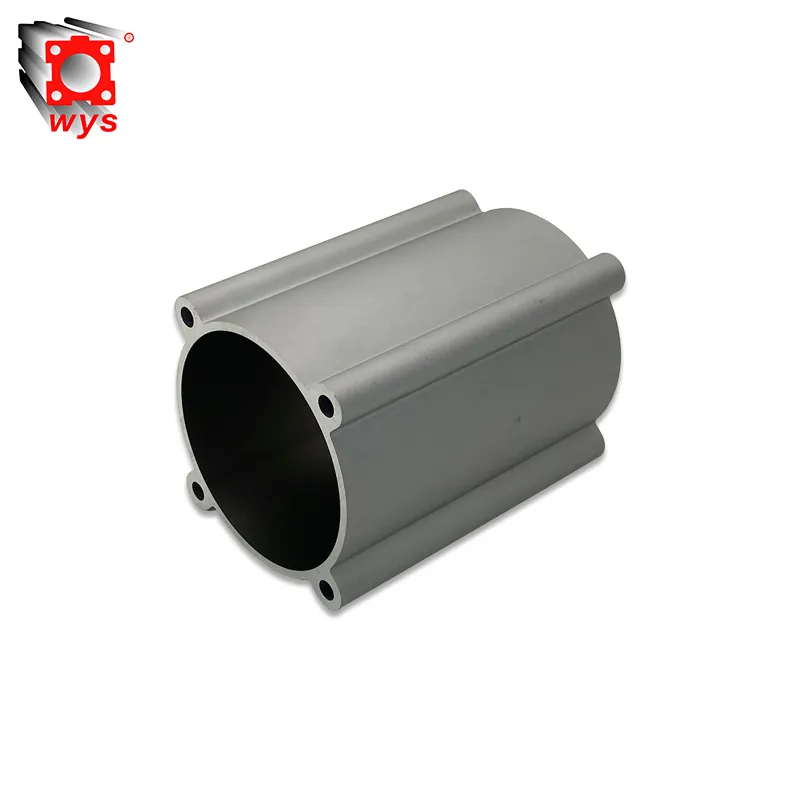
What materials are pneumatic cylinder barrels typically made of?
In summary, the most common material for pneumatic cylinder barrels is aluminum alloy.
Aluminum alloys have good corrosion resistance, formability, and weldability, making them very suitable for manufacturing pneumatic cylinder barrels. Meanwhile, the inner and outer walls of pneumatic cylinder barrels are usually anodized to further improve wear resistance, sealing compatibility, and appearance quality.
Under special operating conditions, steel or stainless steel can also be used as pneumatic cylinder barrel materials, but regardless of the material, the core purpose remains the same: to ensure that the pneumatic cylinder barrel can stably and reliably provide a sealing and supporting environment for cylinder movement.
Can your company handle large-scale orders?
Absolutely. With a 10,000-square-meter factory, 6 production lines, and over 100 skilled technicians, Foshan Weiyingjia Technology Co., Ltd. can fulfill large-scale and bulk orders efficiently. As a professional manufacturer and supplier, we ensure every product maintains high-quality standards. Buyers seeking reliable pneumatic components factory for wholesale purchasing will find our offers competitive prices and consistent product performance.