

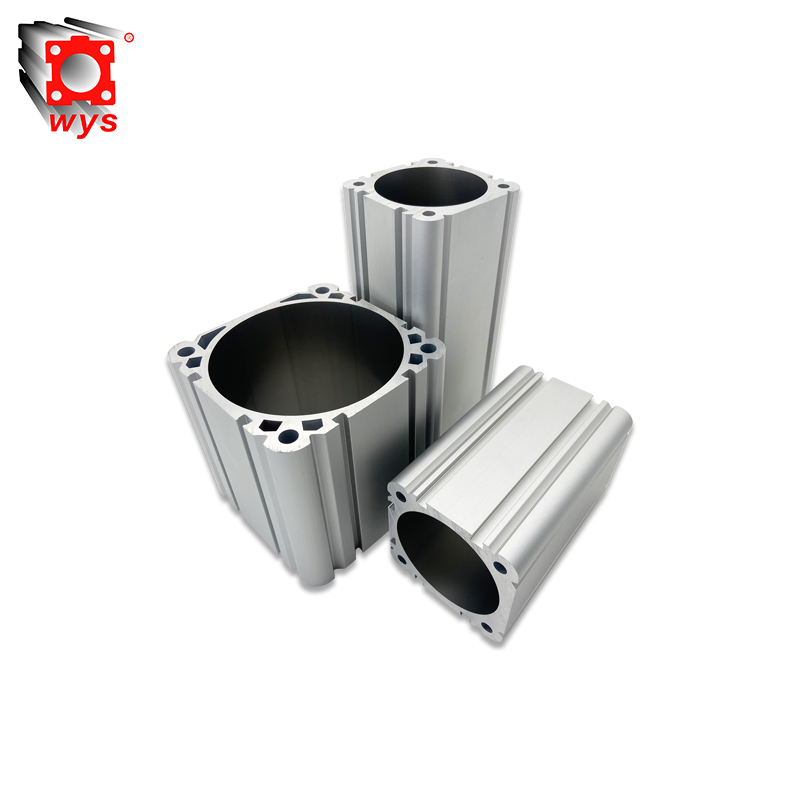
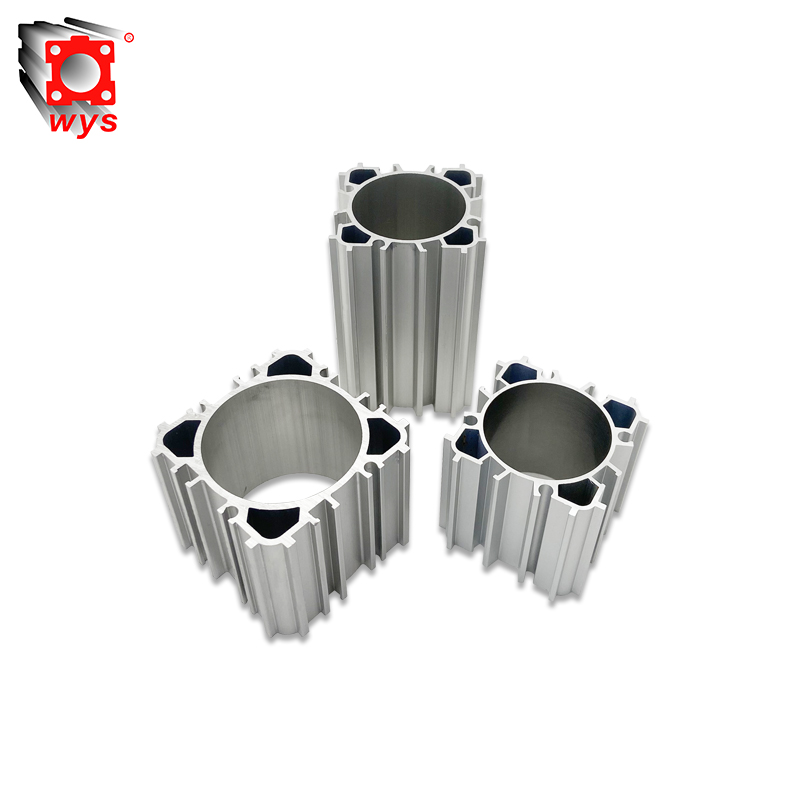
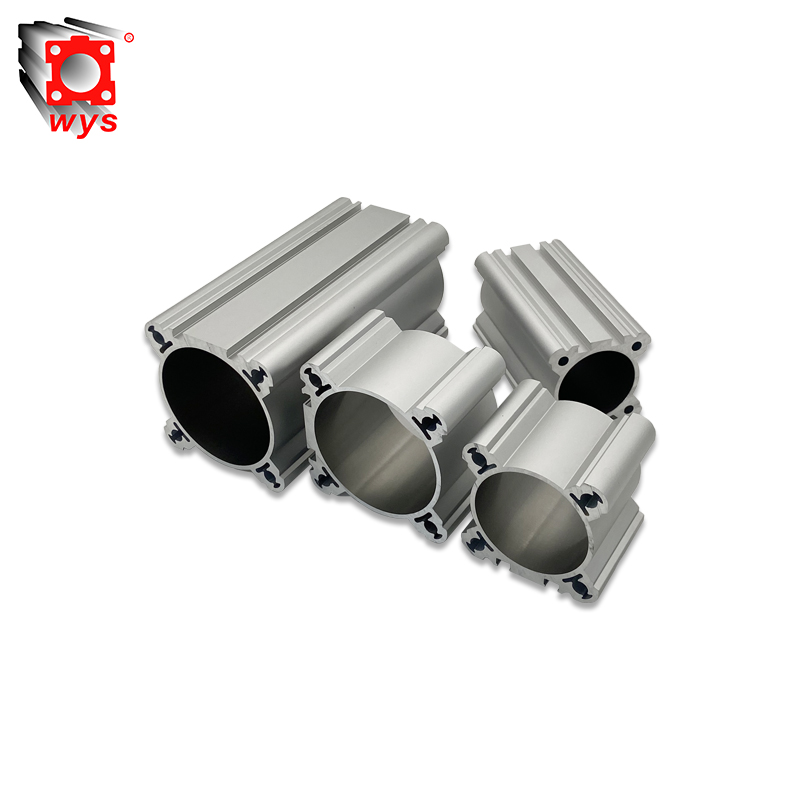
In pneumatic systems, the pressure inside the pneumatic cylinder barrel is one of the core parameters determining output force, motion stability, and system safety. Accurately understanding and calculating the pressure (psi) inside the pneumatic cylinder barrel is a fundamental yet crucial technical skill, whether in equipment design, selection calculations, or daily commissioning and maintenance.
Many people, when working with pneumatic systems, often know the numerical value of the air source pressure but are unclear about how the actual pressure inside the pneumatic cylinder barrel is formed and how to calculate it correctly.
In fact, the pressure inside the pneumatic cylinder barrel is not simply equal to the air source pressure; it is affected by various factors such as structural form, air intake method, and stress state.
This article will start from basic pneumatic theory, systematically explaining the calculation method, related parameters, influencing factors, and common misunderstandings regarding the pressure (psi) inside the pneumatic cylinder barrel, helping you establish a clear and operational calculation logic.
What is the Pressure (psi) Inside a Pneumatic Cylinder Barrel?
Before discussing the calculation method, it is necessary to clarify a concept: what is the pressure inside a pneumatic cylinder barrel? The pressure inside the pneumatic cylinder barrel refers to the force per unit area exerted by compressed air on the cylinder wall and piston surface after the compressed air enters the pneumatic cylinder barrel. In engineering applications, this pressure is usually expressed in psi (pounds per square inch).
It is important to note that:
• The pressure inside the pneumatic cylinder barrel is gauge pressure, not absolute pressure.
• It is the direct source of the force driving the piston and generating output force.
• This pressure is closely related to the pressure of the air supply system, but is not entirely equivalent to it.
Understanding this is fundamental to correctly calculating the pressure inside the pneumatic cylinder barrel.
Where does the pressure inside the pneumatic cylinder barrel come from?
The pressure inside the pneumatic cylinder barrel comes from compressed air supplied by an external air supply system.
In a standard pneumatic system, compressed air enters the pneumatic cylinder barrel through the following path:
1. Air compressor generates compressed air.
2. Air source processing unit (filtration, pressure reduction, pressure stabilization).
3. Control valves (directional valves, solenoid valves, etc.).
4. Enters the internal cavity of the pneumatic cylinder barrel.
When compressed air enters the pneumatic cylinder barrel, pressure is created within the sealed space and acts on the piston surface. This pressure value is the core parameter we focus on in calculations.
What is the basic calculation approach for the pressure inside the pneumatic cylinder barrel?
Strictly speaking, the pressure inside the pneumatic cylinder barrel is not obtained through "calculation," but rather through system settings and measurements. However, in engineering design and theoretical analysis, we usually need to determine or deduce whether the pressure inside the pneumatic cylinder barrel meets the requirements based on known conditions.
The basic approach can be summarized in three points:
• Determine the working pressure provided by the air source.
• Confirm the pressurized state of the pneumatic cylinder barrel.
• Determine whether this pressure acts completely and stably on the piston.
Ideally, if pressure loss is ignored, the pressure inside the pneumatic cylinder barrel ≈ the set pressure of the air source (expressed in psi).
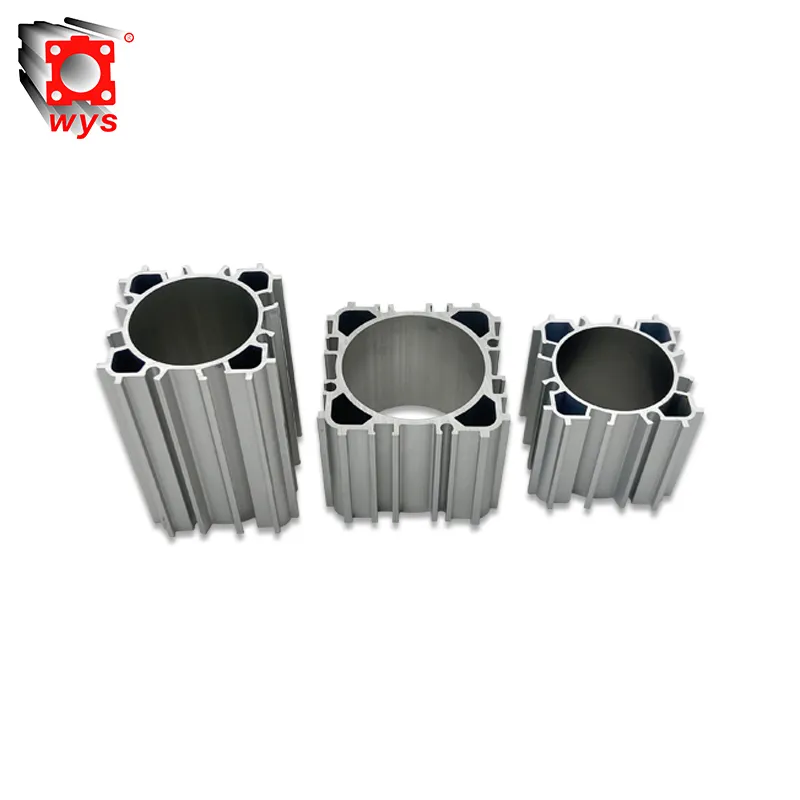
What is the relationship between the pressure inside the pneumatic cylinder barrel (psi) and the output force?
Although the title focuses on pressure calculation, in practical applications, pressure is often derived in reverse from the output force requirement. Therefore, it is necessary to first explain the relationship between the pressure inside the pneumatic cylinder barrel and the output force.
In pneumatic systems, the most basic relationship is:
Output force = Pressure inside the pneumatic cylinder barrel × Effective piston area
When the pressure unit is psi and the area unit is square inches, the unit of output force is pounds (lb).
This relationship shows that:
• The higher the pressure inside the pneumatic cylinder barrel, the greater the output force.
• With a fixed piston diameter, pressure is the key factor determining force.
Therefore, in many engineering calculations, the pressure inside the pneumatic cylinder barrel is determined based on the required output force.
How to determine the pressure inside the pneumatic cylinder barrel based on the gas source pressure?
In the most common operating conditions, the pressure inside the pneumatic cylinder barrel can be directly referenced from the setting value of the gas source pressure regulating valve.
For example:
• The gas source pressure regulating valve is set to 80 psi.
• The pipeline and valves are in normal condition.
• The pneumatic cylinder barrel is well-sealed.
In this case, the effective working pressure inside the pneumatic cylinder barrel can be considered close to 80 psi.
However, it is important to emphasize that this judgment is based on the following prerequisites:
• The pipeline pressure drop is negligible.
• The control valve diameter is sufficient.
• The pneumatic cylinder barrel is in a stable operating state.
Otherwise, the actual pressure entering the pneumatic cylinder barrel may be lower than the gas source display value.
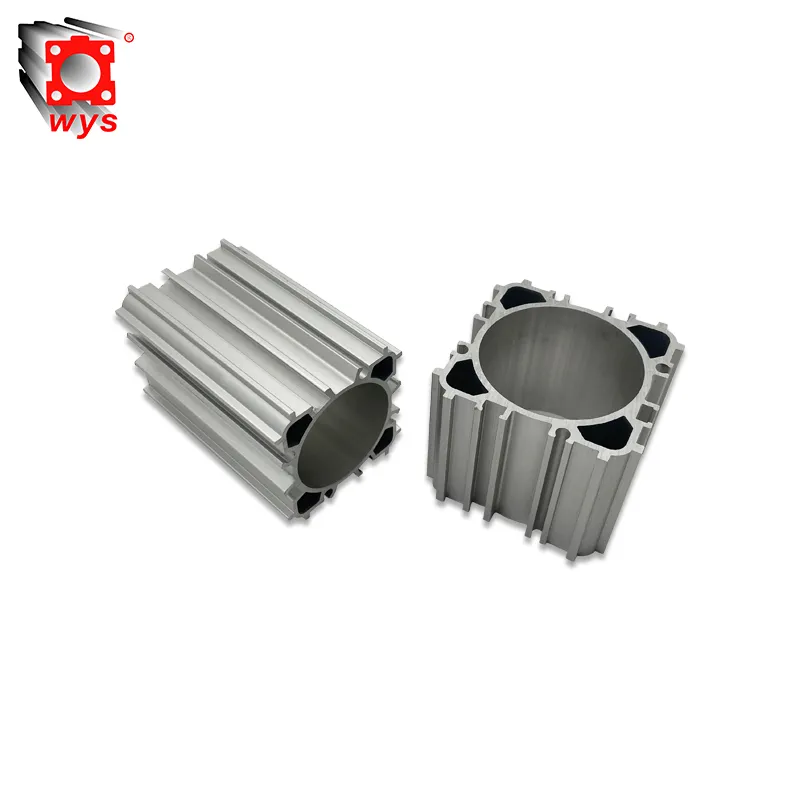
Why might the actual pressure inside a pneumatic cylinder barrel be lower than the gas source pressure?
This is a problem many people easily overlook when calculating pneumatic cylinder barrel pressure.
In actual systems, the following factors can cause a pressure drop inside the pneumatic cylinder barrel:
• Excessively long or small-diameter piping
• Insufficient valve flow
• Instantaneous pressure drop caused by rapid gas charging and discharging
• Minor leaks in seals
Therefore, under high-response, high-speed operating conditions, the instantaneous pressure inside the pneumatic cylinder barrel is often lower than the theoretical gas source pressure. A safety margin needs to be included in calculations.
How to understand the pressure inside a single-acting pneumatic cylinder barrel?
In a single-acting structure, only one chamber of the pneumatic cylinder barrel is pressurized.
Its pressure characteristics are:
• Effective pressure exists in the inlet chamber
• Return pressure usually relies on a spring or external force
• The pressure inside the pneumatic cylinder barrel only acts in one direction
In calculations, only the pressure value (psi) in the inlet chamber needs to be considered; the other side is usually atmospheric pressure.
How is the pressure inside a double-acting pneumatic cylinder barrel calculated?
The double-acting pneumatic cylinder barrel is the most common industrial structure, containing two independent chambers.
In a double-acting pneumatic cylinder barrel:
• Push-out stroke: One chamber is pressurized, the other exhausts.
• Return stroke: The pressure states of the two chambers are interchanged.
When calculating, the following must be considered separately:
• Effective pressure inside the pneumatic cylinder barrel in the push-out direction
• Effective pressure inside the pneumatic cylinder barrel in the return direction
If the gas source and valves are the same, the pressure inside the pneumatic cylinder barrel in both directions is usually the same, but the output force will differ due to the different piston rod areas.
Is the pressure inside the pneumatic cylinder barrel equal to the system's nominal pressure?
Strictly speaking, the pressure inside the pneumatic cylinder barrel is not necessarily equal to the system's nominal pressure.
The system's nominal pressure usually refers to:
• Compressor rated pressure
• Main gas path pressure
The pressure inside the pneumatic cylinder tube, however, is the actual pressure formed within the cylinder chamber after the gas has passed through multiple stages of components.
In engineering calculations, common practices include:
• Using the air source set pressure as the theoretical value
• Allowing a 10%–20% pressure loss margin in critical applications
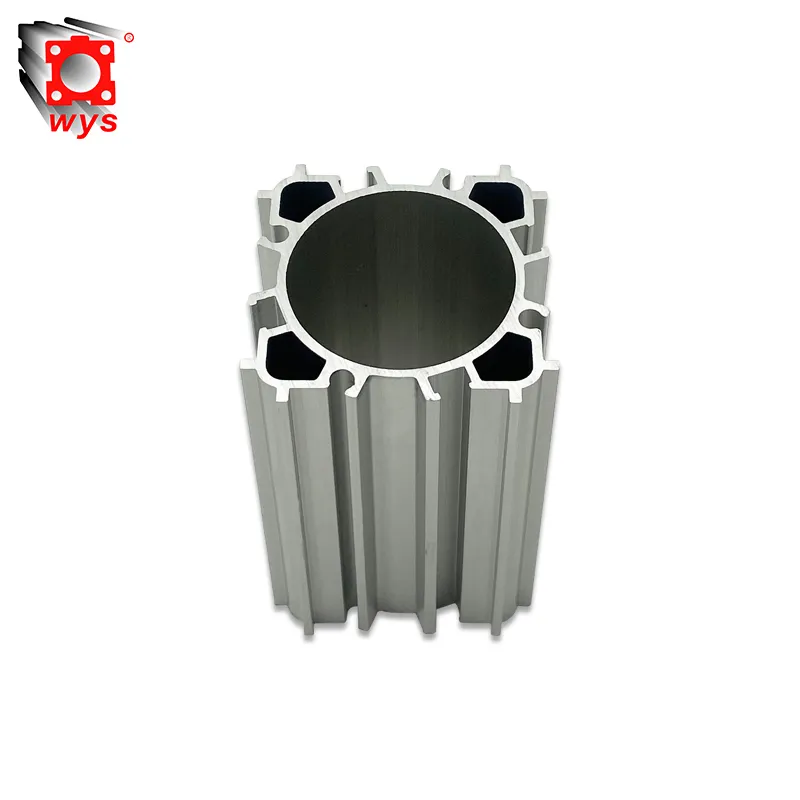
How to measure the pressure (psi) inside a pneumatic cylinder barrel using a pressure gauge?
Although this article focuses on "calculation," in practice, measurement is often more direct than calculation.
Common methods include:
• Installing a pressure gauge near the pneumatic cylinder barrel's air inlet
• Setting up a test interface at the control valve output
• Reading data through a system pressure monitoring module
The measured psi value is the actual operating pressure of the pneumatic cylinder barrel under that condition.
What are some common misconceptions when calculating the pressure inside a pneumatic cylinder barrel?
In engineering practice, the following misconceptions are very common:
• Assuming the pressure inside the pneumatic cylinder barrel is always equal to the compressor output pressure.
• Ignoring pressure drops caused by piping and valves.
• Failing to distinguish the pressure states of different chambers.
• Confusing pressure units (psi, bar, MPa).
Avoiding these misconceptions is a crucial prerequisite for correctly understanding and calculating the pressure inside the pneumatic cylinder barrel.
How to correctly understand the calculation of the pressure (psi) inside the pneumatic cylinder barrel?
Based on the entire text, the following conclusions can be drawn:
• The pressure inside the pneumatic cylinder barrel originates from the gas supply system.
• Under ideal conditions, the pressure inside the pneumatic cylinder barrel is close to the gas supply set pressure.
• In practical applications, pressure drops and operating conditions must be considered.
• Pressure (psi) is usually determined in reverse order of output force requirements.
• Measurement and calculation should be used together for more reliable results.
Correctly understanding and calculating the pressure inside the pneumatic cylinder barrel not only helps in equipment design and selection but also effectively improves system stability and service life.
What quality certifications do your products have?
Foshan Weiyingjia Technology Co., Ltd. implements strict internal quality inspections across all production stages, ensuring every pneumatic cylinder meets high standards. Our factory uses professional testing equipment, CNC machining, and hard anodizing processes to guarantee reliability. Customers purchasing from us can trust our brand Weiyingsi for high-quality, durable, and precise pneumatic solutions suitable for both wholesale and specialized applications.