

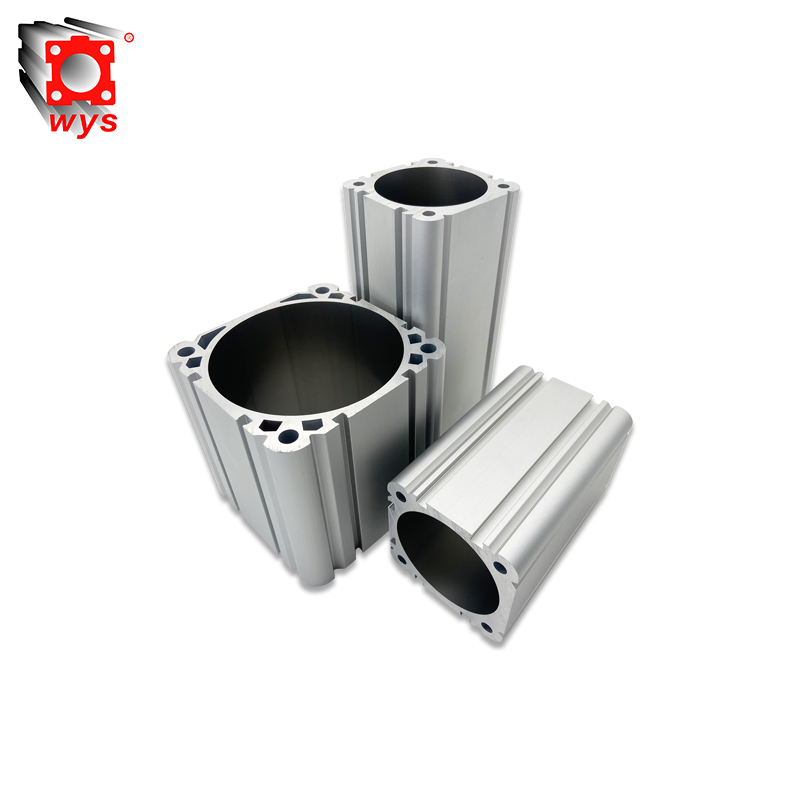
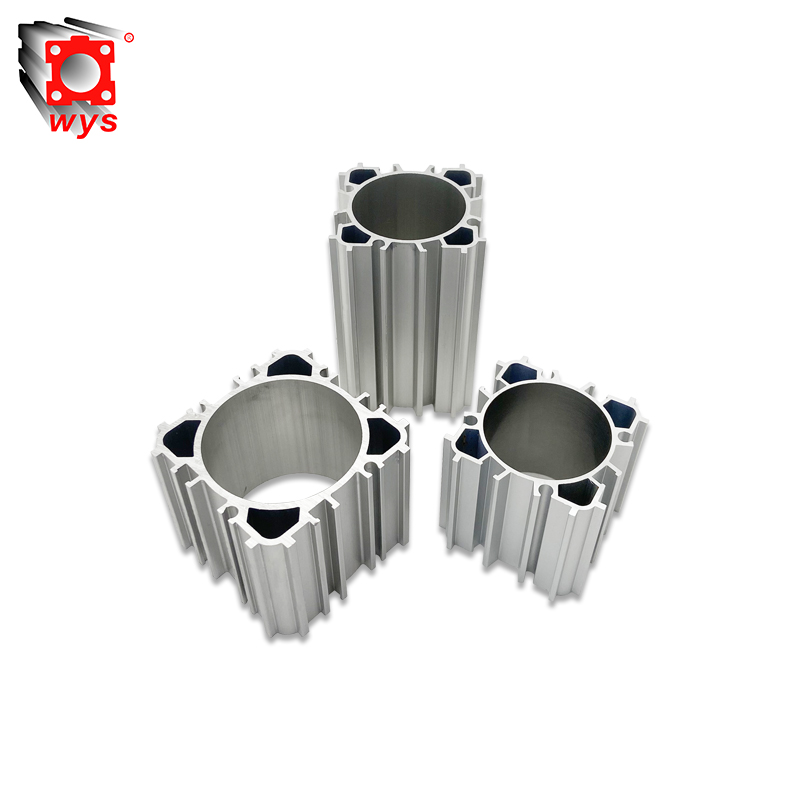
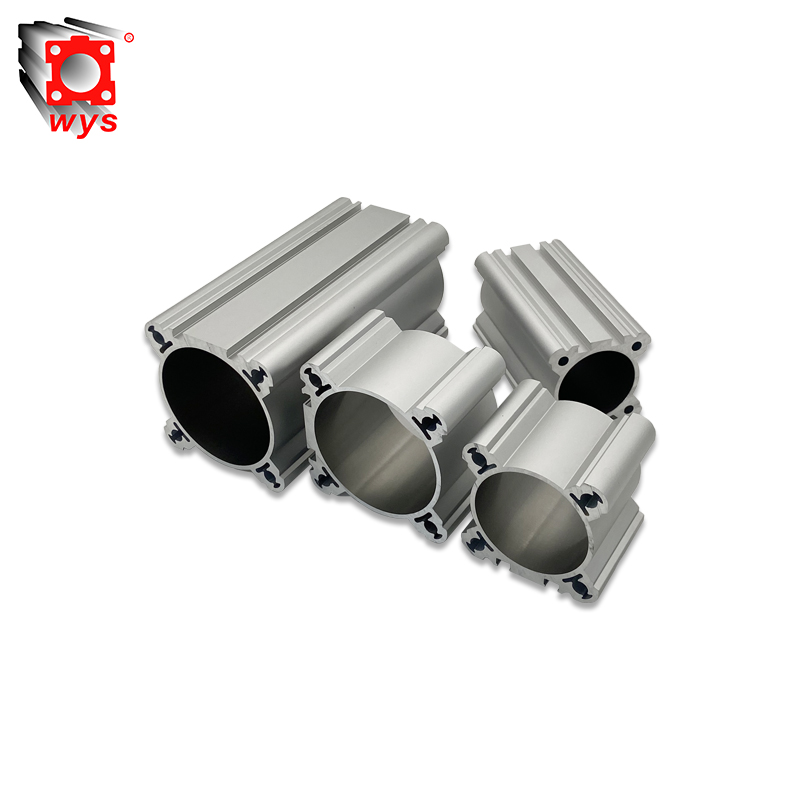
Pneumatic systems are widely used in various automated equipment, mechanical systems, and industrial installations due to their simple structure, rapid response, and ease of maintenance. Within the core actuator of a pneumatic system—the cylinder—the pneumatic cylinder barrel plays a crucial yet often overlooked role.
Many people know that a cylinder converts the energy of compressed air into linear or reciprocating motion, but they are unaware that one of the key components truly determining the cylinder's stability, sealing, and lifespan is the pneumatic cylinder barrel.
So, what exactly are the uses of a pneumatic cylinder barrel? What specific functions does it perform within the cylinder? Why does the performance of the pneumatic cylinder barrel directly affect the overall operational quality of the pneumatic system?
This article will systematically answer the question "What are the uses of a pneumatic cylinder barrel?" from multiple professional perspectives, including structure, function, materials, and operating condition adaptation.
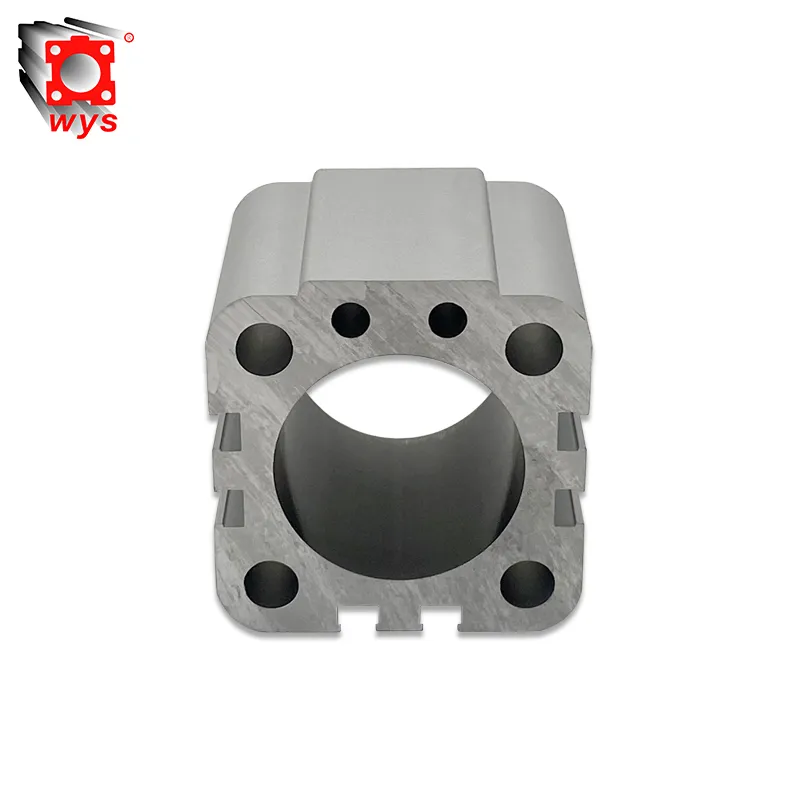
Where is the pneumatic cylinder barrel located within the cylinder?
The pneumatic cylinder barrel is the main structural part of the cylinder, typically a hollow cylinder, serving as the basic space for the piston, piston rod, and sealing components to operate and be installed.
Structurally, the pneumatic cylinder barrel is located in the middle of the cylinder, connected to the front and rear covers at both ends, and houses the piston assembly inside. Compressed air enters the cylinder and pushes the piston within the sealed cavity formed by the pneumatic cylinder barrel.
In short, without the pneumatic cylinder barrel, there is no cylinder in its complete sense. It is not merely an "outer shell," but the core carrier that enables the cylinder to function.
What is the most basic purpose of the pneumatic cylinder tube?
At its most basic level, the purpose of the pneumatic cylinder tube can be summarized in three keywords: containment, guidance, and sealing.
1. Providing a closed space for piston movement
The pneumatic cylinder tube is the "track" for piston movement, providing a sealed environment for the piston's reciprocating motion. Compressed air can only form stable pressure within a sealed space, thereby driving the piston to output mechanical energy.
2. Ensuring the stability of the direction of motion
The inner diameter accuracy and roundness of the pneumatic cylinder tube directly determine the smoothness of the piston movement. A high-quality pneumatic cylinder tube can effectively prevent piston misalignment, jamming, or uneven wear.
3. Withstanding Internal Pressure
During operation, the pneumatic cylinder tube needs to withstand long-term cyclical pressure changes. As a pressure vessel structure, it must possess sufficient strength and stability.
Why is the pneumatic cylinder tube a key component determining cylinder performance?
Many users focus on cylinder bore, stroke, or output force when selecting a cylinder, neglecting the quality of the pneumatic cylinder tube itself. In fact, the pneumatic cylinder tube directly affects many core performance indicators of the cylinder.
1. Affecting Cylinder Sealing Performance
The inner surface of the pneumatic cylinder barrel forms a dynamic seal with the sealing ring. If the inner wall of the cylinder is rough, scratched, or contains impurities, it will accelerate the wear of the seals, leading to leakage.
2. Affecting Friction and Energy Consumption
The inner surface of the pneumatic cylinder barrel should be kept clean and smooth to reduce frictional resistance between the piston and the cylinder wall. Lower friction results in lower energy loss and more sensitive response.
3. Affecting Service Life
During long-term operation, the pneumatic cylinder barrel is subjected to repeated mechanical friction and pressure shocks. Substandard materials or insufficient machining precision in pneumatic cylinder barrels are often the root cause of premature cylinder failure.
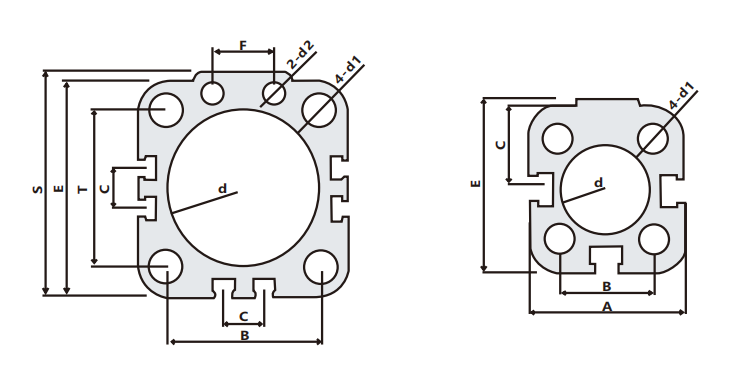
What role does the pneumatic cylinder tube play in a cylinder sealing system?
Sealing is fundamental to the reliable operation of a pneumatic system, and the pneumatic cylinder tube plays a crucial role in this system.
The pneumatic cylinder tube is part of the sealing pair.
Cylinder sealing is not achieved unilaterally by the sealing ring; rather, the sealing ring and the inner wall of the pneumatic cylinder tube together form a sealing pair.
This means that even with high-quality seals, if the inner diameter of the pneumatic cylinder tube is not precise enough or the surface quality is substandard, the sealing effect cannot be guaranteed.
The condition of the inner wall determines the stability of the seal.
• Rough surface: Faster wear of the sealing ring
• Surface scratches: Increased risk of leakage
• Inner wall contamination: Increased probability of seal failure
Therefore, the role of the pneumatic cylinder tube in the sealing system is to provide a reliable, stable, and sustainable sealing surface.
How much does the pneumatic cylinder barrel affect the cylinder's motion accuracy?
In pneumatic systems requiring precise stroke control or repeatable positioning, the pneumatic cylinder barrel plays a particularly crucial role.
Inner Diameter Accuracy Determines Piston Fit Clearance
The inner diameter tolerance of the pneumatic cylinder barrel directly affects the fit between the piston and the cylinder wall.
• Excessive clearance: Increased leakage, decreased efficiency
• Insufficient clearance: Increased friction, sluggish operation
Roundness and Straightness Affect Motion Smoothness
A high-quality pneumatic cylinder barrel requires excellent roundness and axial straightness to ensure stable linear piston movement throughout its stroke.
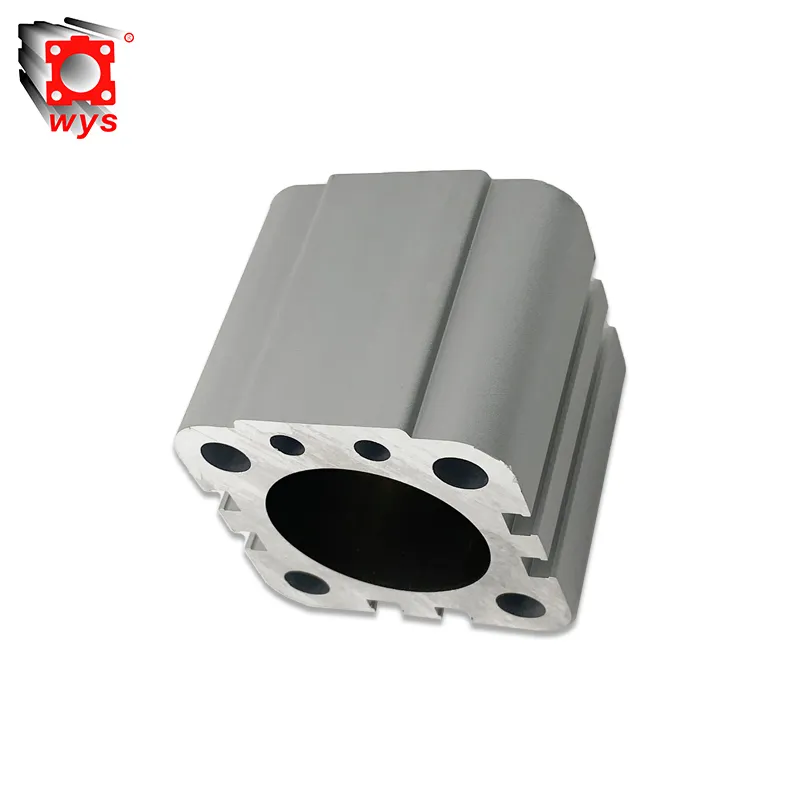
What are the Commonly Used Materials for Pneumatic Cylinder Barrels?
The material requirements for pneumatic cylinder barrels vary significantly depending on the operating conditions. The choice of material directly affects the applicability of the pneumatic cylinder barrel to its intended application.
Applications of Aluminum Pneumatic Cylinder Barrels
Aluminum is a very common material in pneumatic cylinder barrels, characterized by:
• Lightweight
• Corrosion resistance
• Ease of machining
Therefore, aluminum pneumatic cylinder barrels are commonly used in commercial packaging, automated equipment, and general industrial environments, reducing overall weight while maintaining strength.
Applications of Pneumatic Cylinder Barrels Made of Other Materials
Pneumatic cylinder barrels made of different materials are often designed for different working environments and performance requirements, but their fundamental uses always revolve around: pressure bearing, guidance, sealing, and durability.
Are the uses of pneumatic cylinder tubes the same in different pneumatic structures?
From a basic principle perspective, regardless of the cylinder type, the core purpose of a pneumatic cylinder tube is consistent, but the emphasis differs slightly in specific structures.
• In standard cylinders, pneumatic cylinder tubes emphasize versatility and cost control.
• In compact cylinders, pneumatic cylinder tubes emphasize structural integration.
• In high-frequency cylinders, pneumatic cylinder tubes prioritize wear resistance and heat dissipation.
Regardless of their form, pneumatic cylinder barrels remain an irreplaceable fundamental component for cylinder functionality.
How to understand the importance of pneumatic cylinder tubes from an application perspective?
From an application perspective, pneumatic cylinder tubes are not merely mechanical parts, but simultaneously perform multiple functions:
• They are the spatial carrier for pressure action.
• They are the guiding structure for piston movement.
• They are an important component of the sealing system.
• They are a key factor determining cylinder life and stability.
Any neglect of the quality, manufacturing process, or fit of the pneumatic cylinder barrel will ultimately be reflected in the cylinder's performance.
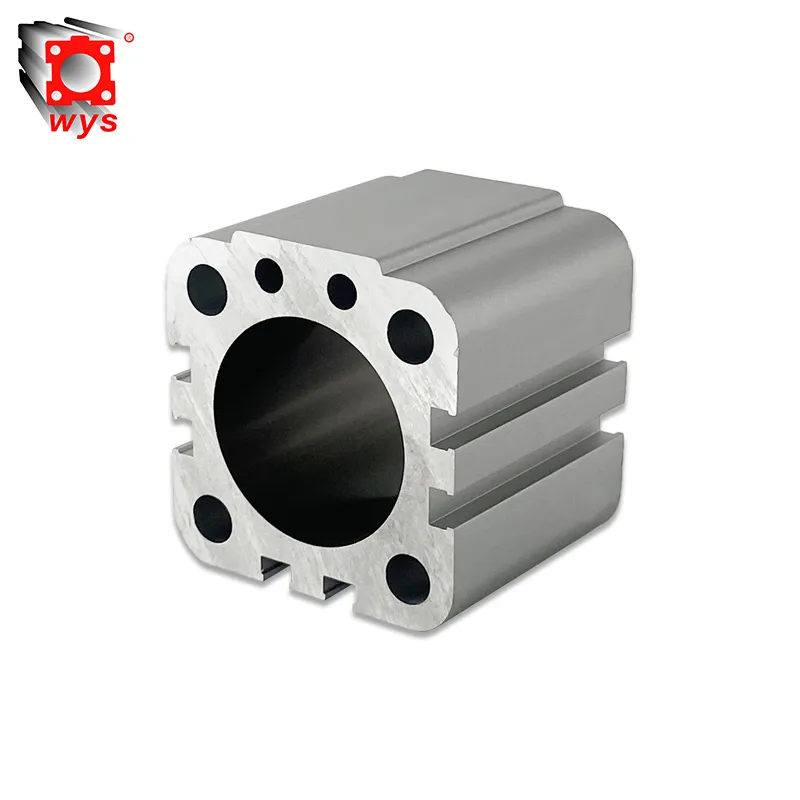
What exactly are the applications of pneumatic cylinder barrels?
The purpose of a pneumatic cylinder barrel can be summarized in one sentence: The pneumatic cylinder barrel is the core component of a cylinder, providing a sealing, guiding, and pressurized environment for piston movement. It is the foundation for the cylinder's stable and reliable operation.
Its inner surface needs to be kept clean and smooth to reduce friction and wear; its material and machining precision determine the cylinder's sealing performance, motion accuracy, and service life.
Therefore, the pneumatic cylinder barrel is not simply a "shell," but an indispensable and irreplaceable key component in the entire pneumatic actuator system.
Do you provide competitive pricing for your products?
Yes, our factory offers competitive prices without compromising quality. Foshan Weiyingjia Technology Co., Ltd. combines over 15 years of manufacturing experience, advanced equipment, and efficient production processes to supply high-quality pneumatic cylinder tubes and components. Customers can purchase from our factory for wholesale or individual use, ensuring excellent value and long-lasting performance.