

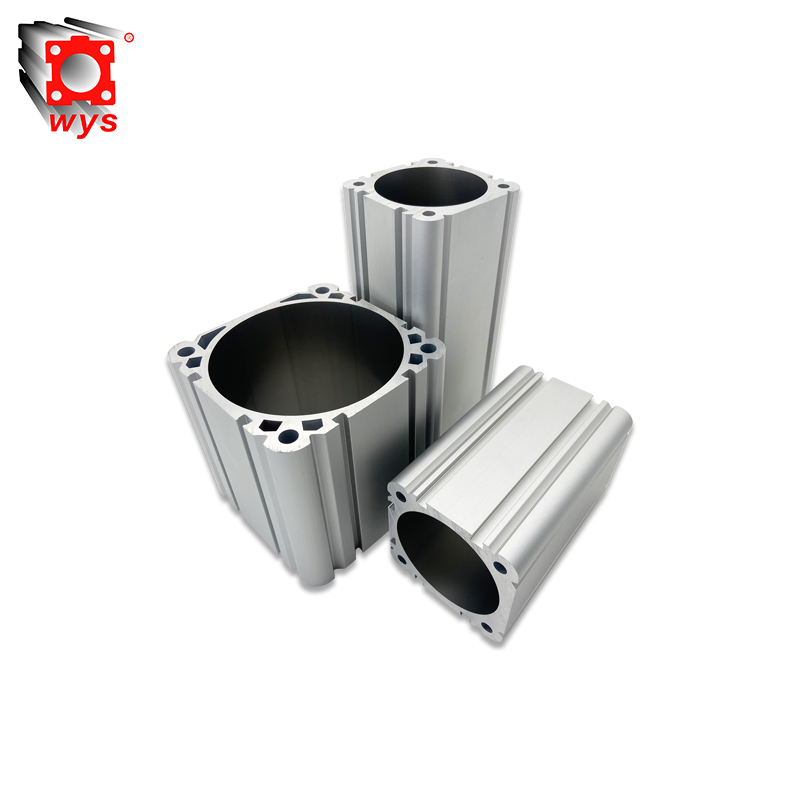
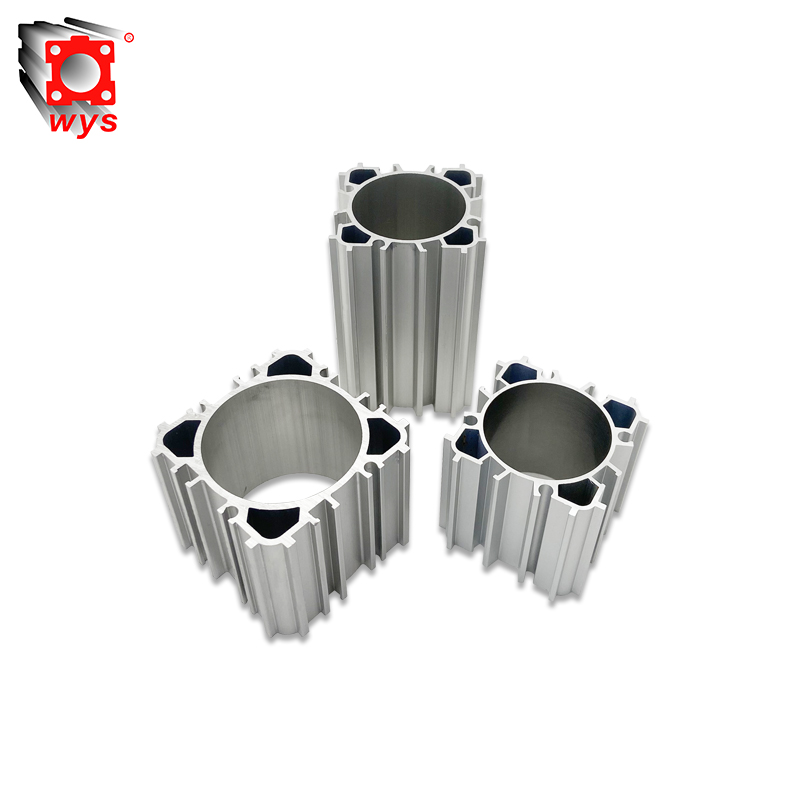
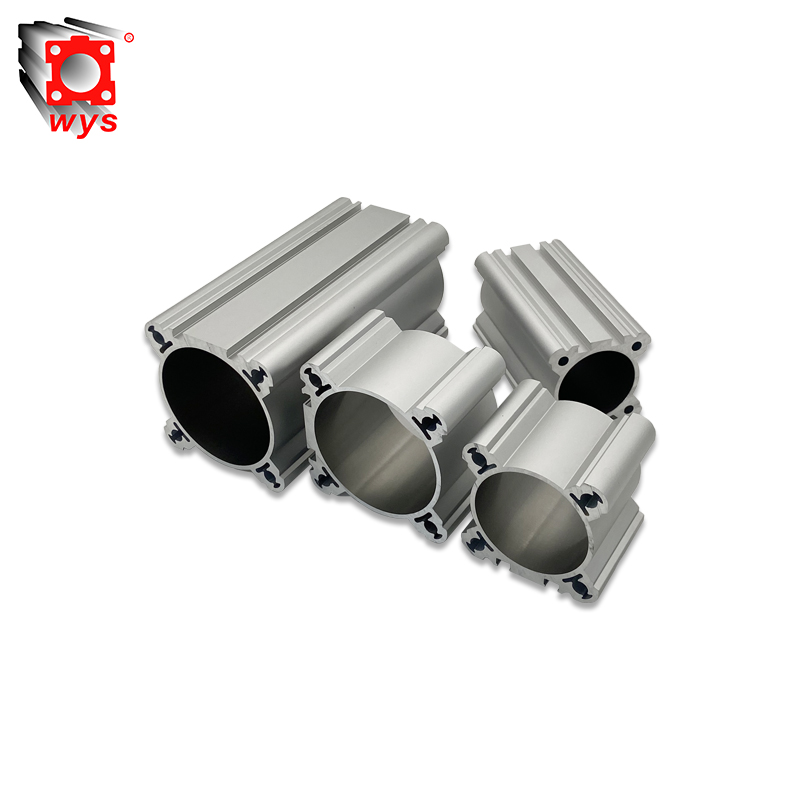
In pneumatic systems, cylinders are among the most common actuators, and cylinder seal kits are crucial components ensuring stable cylinder operation. Cylinder seal kits primarily maintain the airtightness of the cylinder's internal structure, reduce friction, and prevent the ingress of external contaminants.
If pneumatic cylinder seal kits are damaged or their performance deteriorates, the cylinder often experiences problems such as leakage, insufficient thrust, and unstable operation.
In actual maintenance, many equipment problems are often related to the condition of pneumatic cylinder seal kits. Therefore, mastering the correct methods to check for damaged cylinder seal kits is essential for ensuring the normal operation of pneumatic equipment.
This article will systematically analyze how to check for damaged cylinder seal kits, covering cylinder structure, common fault symptoms, and system inspection methods, helping readers gain a comprehensive understanding of cylinder seal kit inspection methods.
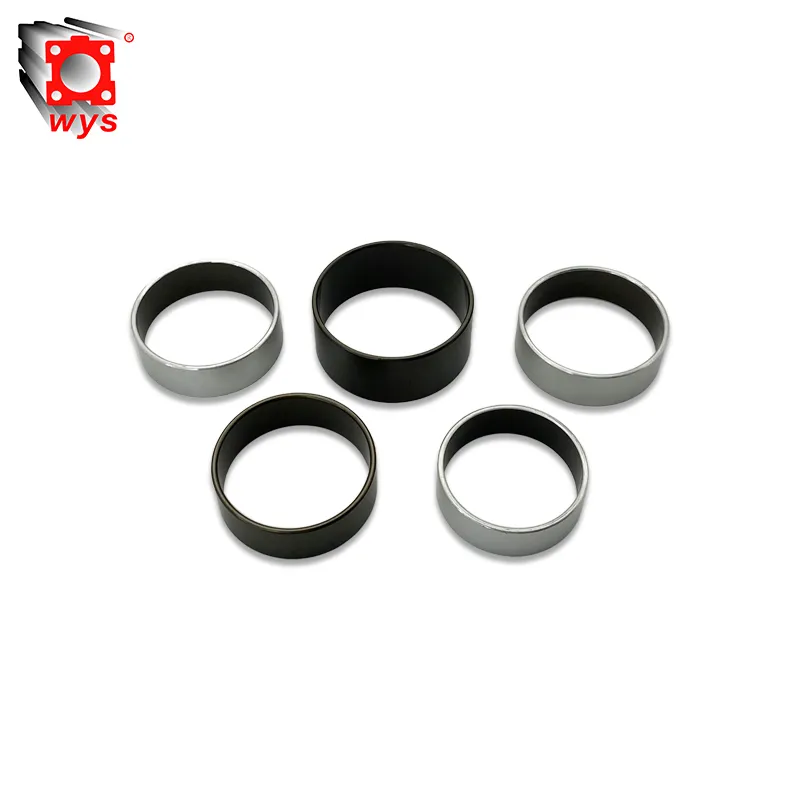
What Role Do Cylinder Seal Kits Play in the Cylinder Structure?
Within the internal structure of the cylinder, pneumatic cylinder seal kits play a vital role in maintaining air pressure and protecting the internal structure.
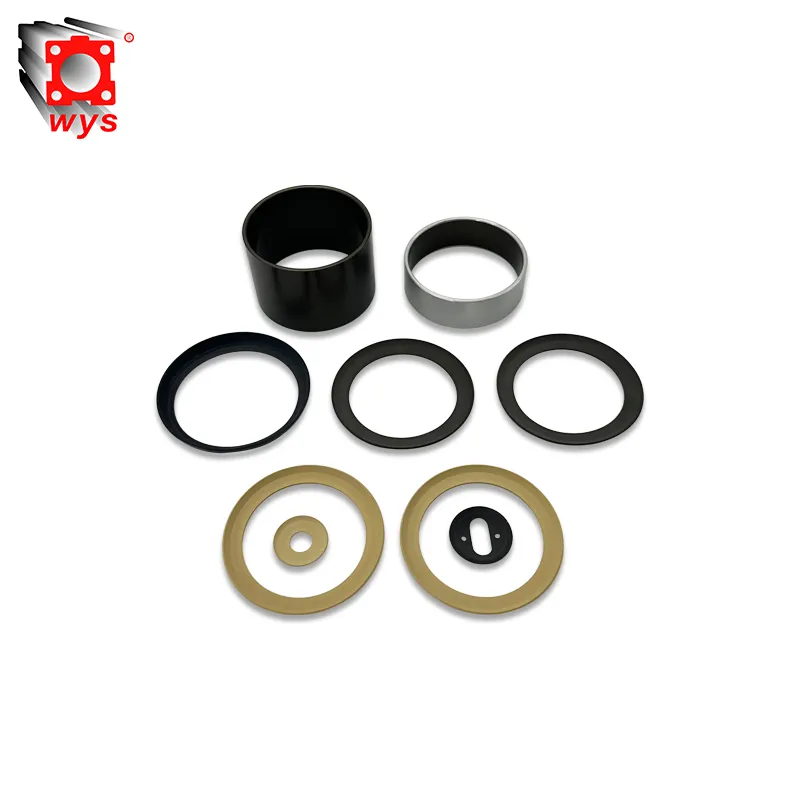
Generally, a complete cylinder seal kit typically includes the following components:
• Piston seal ring
• Piston rod seal ring
• Dust seal ring
• Guide seal
• Buffer seal structure
These cylinder seal kits work together to form a stable sealing system. Their main functions include:
1. Maintaining the airtightness of the cylinder
2. Preventing compressed air leakage
3. Reducing piston friction
4. Preventing dust and impurities from entering the cylinder
If the pneumatic cylinder seal kits are damaged or worn, cylinder performance may deteriorate. Therefore, inspecting the cylinder seal kits is essential during equipment maintenance.
What are the obvious signs of a damaged cylinder seal kit?
Before inspecting the pneumatic cylinder seal kits, you can first determine if there are any sealing problems by checking the equipment's operating status.
When the cylinder seal kits are damaged, the cylinder will typically exhibit the following phenomena:
1. Reduced cylinder thrust
The cylinder's output force comes from the pressure of compressed air. If the pneumatic cylinder seal kits are damaged, air may leak from the seals, causing the internal pressure of the cylinder to become unsustainable, thus reducing thrust.
2. Unstable cylinder movement
If the pneumatic cylinder seal kits are severely worn, the piston may jam, vibrate, or move unevenly during operation.
3. Obvious gas leaks
When cylinder seal kits are cracked or worn, compressed air may leak from the piston rod or cylinder end cap. This can usually be detected by listening for airflow or using inspection tools.
4. Increased air consumption
If the sealing performance of the pneumatic cylinder seal kits deteriorates, the pneumatic system needs to continuously replenish air pressure, resulting in increased air consumption.
These phenomena can help determine if there is a potential problem with the cylinder seal kits.
How to assess the condition of cylinder seal kits through external inspection?
In many cases, it is not necessary to immediately disassemble the cylinder to perform a preliminary inspection of the cylinder seal kits.
External inspection mainly includes the following aspects:
1. Inspect the piston rod area
The piston rod is a crucial part of the cylinder sealing system. If the pneumatic cylinder seal kits are damaged, the following will typically appear around the piston rod:
• Oil or lubricant leakage
• Dust accumulation
• Moisture marks
These phenomena may indicate a decline in the sealing performance of the cylinder seal kits.
2. Check for gas leaks
Observe the cylinder end cap and around the piston rod for gas leaks while the cylinder is running. If a noticeable airflow sound is heard, the cylinder seal kits may be damaged.
3. Check cylinder movement
Observe whether the cylinder movement is smooth. If the cylinder experiences speed changes or pauses during operation, it may also be related to wear on the pneumatic cylinder seal kits.
These simple checks can provide a preliminary assessment of the condition of the pneumatic cylinder seal kits.
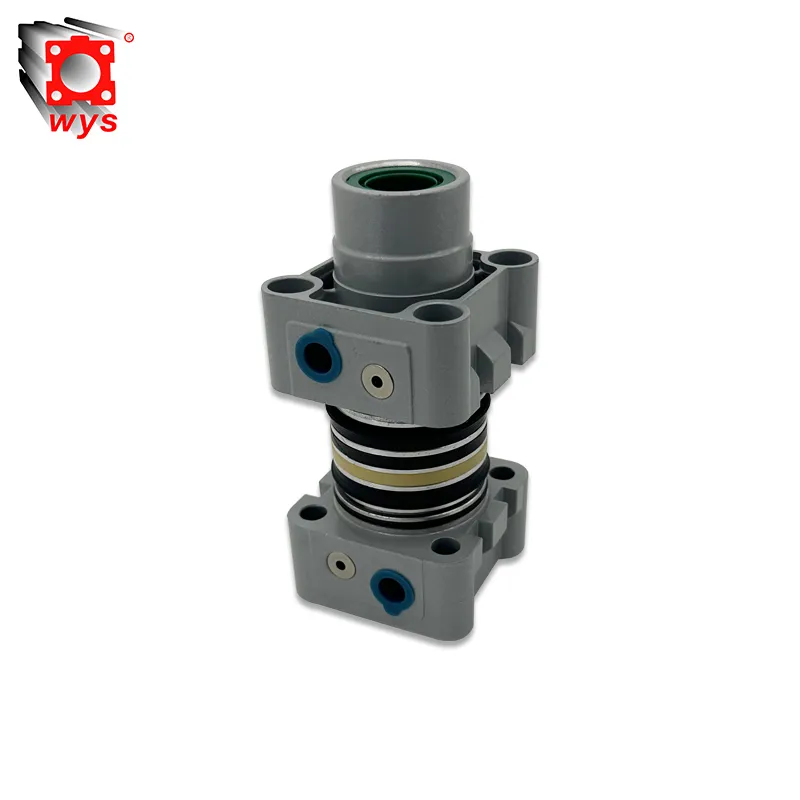
Is it necessary to disassemble the cylinder to inspect the cylinder seal kits?
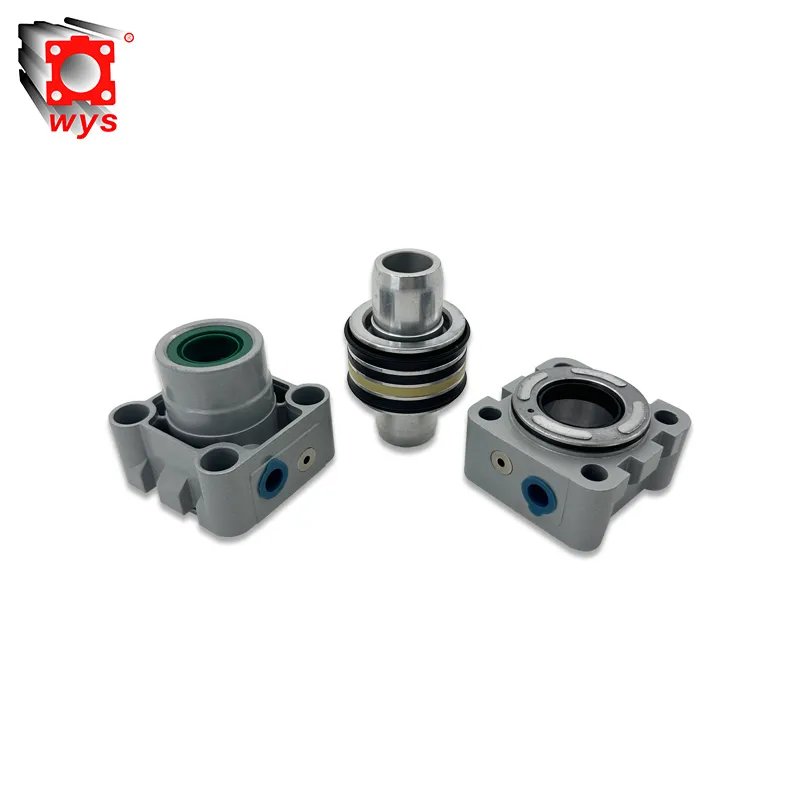
If external inspection cannot confirm the problem, it is usually necessary to disassemble the cylinder for a detailed inspection of the pneumatic cylinder seal kits.
After disassembling the cylinder, focus on checking the following:
1. Is the seal surface worn?
Cylinder seal kits may wear down over time. Significant wear or thinning of the seal surface indicates a decline in sealing performance.
2. Are there cracks in the seal?
Some sealing materials may develop cracks or breakage after prolonged use, directly affecting the sealing effect of the cylinder seal kit.
3. Is the seal deformed?
If cylinder seal kits are exposed to high temperatures, pressure, or chemicals, they may expand or deform, also leading to a decrease in sealing performance.
These checks will help you more accurately determine if the cylinder seal kit is damaged.
What are the signs of aging in cylinder seal kits?
Besides mechanical wear, pneumatic cylinder seal kits may also experience performance degradation due to material aging.
Common signs of aging include:
• Hardening of the seal
• Reduced elasticity
• Surface cracks
• Damage to the seal edges
When pneumatic cylinder seal kits exhibit these signs, their sealing ability has often significantly decreased.
Therefore, when maintaining cylinders, in addition to checking for wear, it is also necessary to pay attention to whether the cylinder seal kits are aging.
Will damaged cylinder seal kits affect cylinder efficiency?
Damaged cylinder seal kits can not only cause gas leakage but may also affect cylinder operating efficiency.
When the sealing ability of pneumatic cylinder seal kits decreases, compressed air cannot be fully used to drive the piston, and some air will leak from the seal.
This will cause:
• Reduced cylinder thrust
• Changes in operating speed
• Increased system air consumption
In the long run, these problems will reduce the overall efficiency of the pneumatic system.
Therefore, keeping cylinder seal kits in good condition is crucial for improving equipment operating efficiency.
How to determine if cylinder seal kits are damaged through operational testing?
Besides visual inspection and disassembly, the condition of pneumatic cylinder seal kits can also be assessed through operational testing.
Common testing methods include:
1. Pressure Holding Test
After the cylinder stops moving, observe whether the internal pressure remains stable. A rapid pressure drop may indicate a leak in the cylinder seal kit.
2. Speed Stability Test
Observe the uniformity of the cylinder's speed during operation. Significant speed variations may be related to wear on the cylinder seal kit.
3. Thrust Test
Measuring the cylinder's output force determines whether the cylinder seal kit can maintain normal pressure.
These testing methods help technicians more accurately assess the condition of pneumatic cylinder seal kits.
Why is it important to regularly inspect cylinder seal kits?
Cylinder seal kits are wear-prone components in pneumatic systems. Their performance may gradually degrade over long-term operation.
Neglecting regular inspections can lead to several problems with cylinder seal kits:
• Increased gas leakage
• Decreased cylinder operating efficiency
• Increased equipment failure frequency
Regular inspections of pneumatic cylinder seal kits allow for the timely detection of potential issues, reducing the risk of equipment failure.
How to determine if cylinder seal kits are damaged?
Cylinder seal kits are crucial components for ensuring the proper functioning of cylinders. Damaged cylinder seal kits often result in reduced thrust, gas leakage, or unstable operation.
Inspecting cylinder seal kits can typically be done in the following ways:
1. Observe the cylinder's operating condition
2. Inspect the piston rod and end cap area
3. Check for gas leaks
4. Conduct operational tests
5. Disassemble the cylinder to inspect the seals
These methods provide a comprehensive assessment of the cylinder seal kits' working condition.
Maintaining good condition of pneumatic cylinder seal kits is essential for ensuring stable cylinder operation and improving the efficiency of the pneumatic system during pneumatic equipment maintenance.
What Products Can You Buy from Weiyingjia Factory?
Weiyingjia is a reliable pneumatic cylinder barrel supplier in China offering a complete product range for industrial customers. You can buy compact type barrel cylinders, seamless aluminum pneumatic tubes, double acting barrel cylinders, and 304 stainless steel pneumatic tubes.
We also supply pneumatic cylinder kits, cylinder covers, seal rings, and related spare parts for maintenance and assembly. Our factory supports wholesale purchasing, OEM brands, and customized processing according to drawings or samples.