

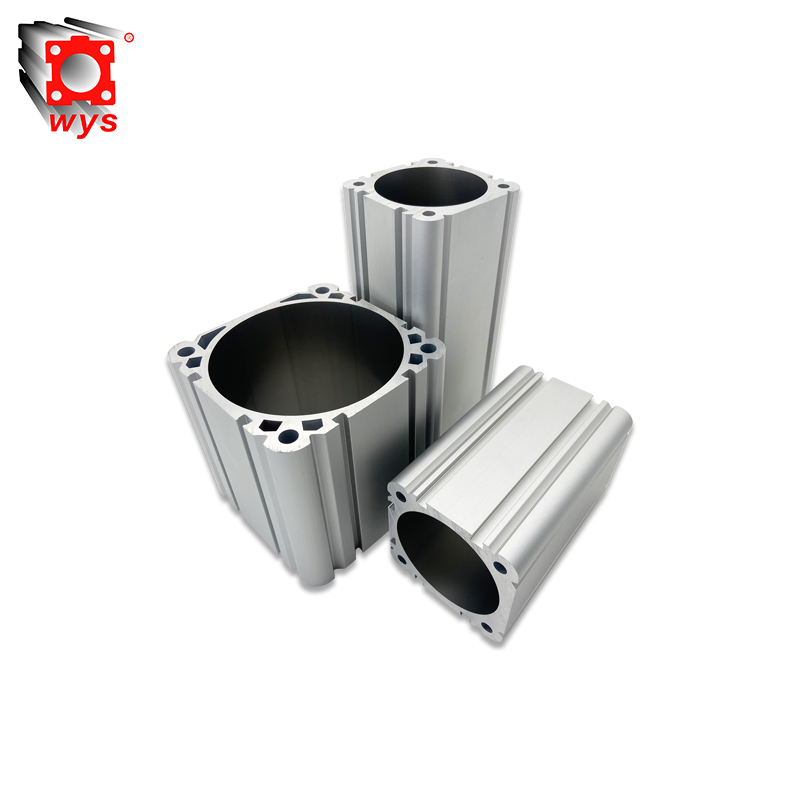
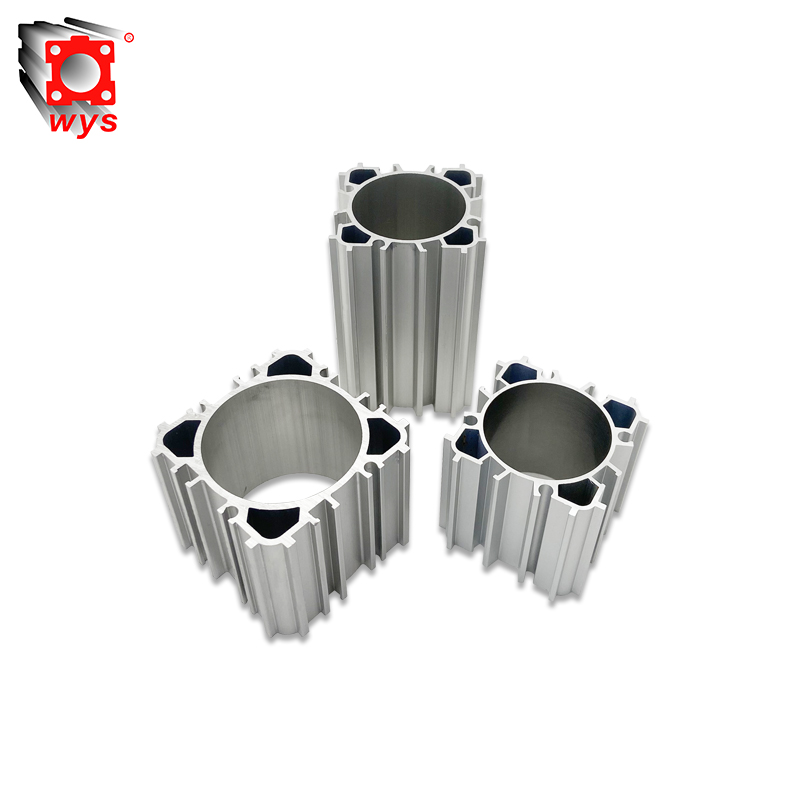
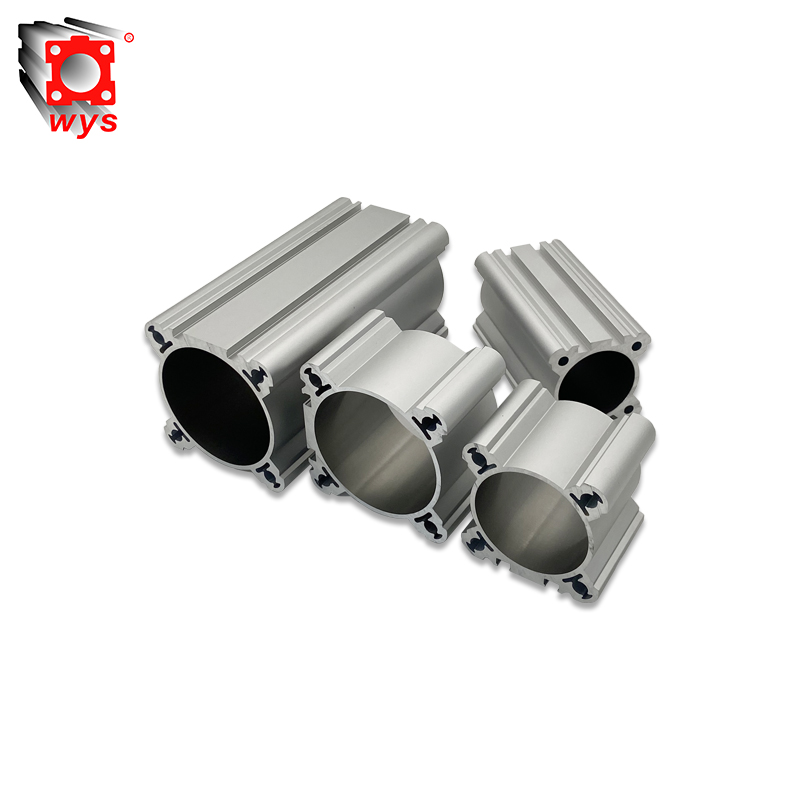
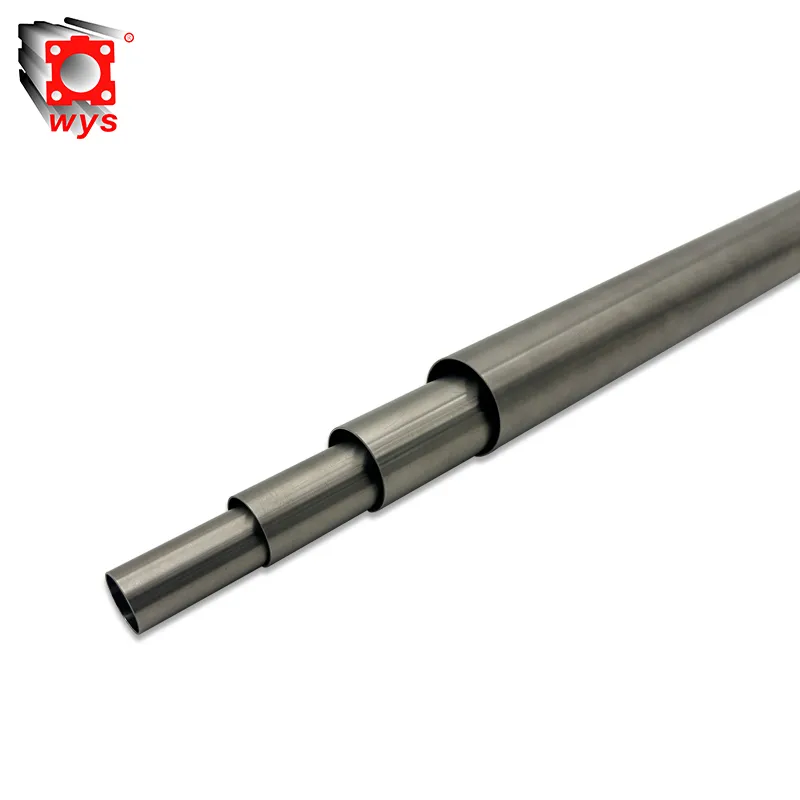
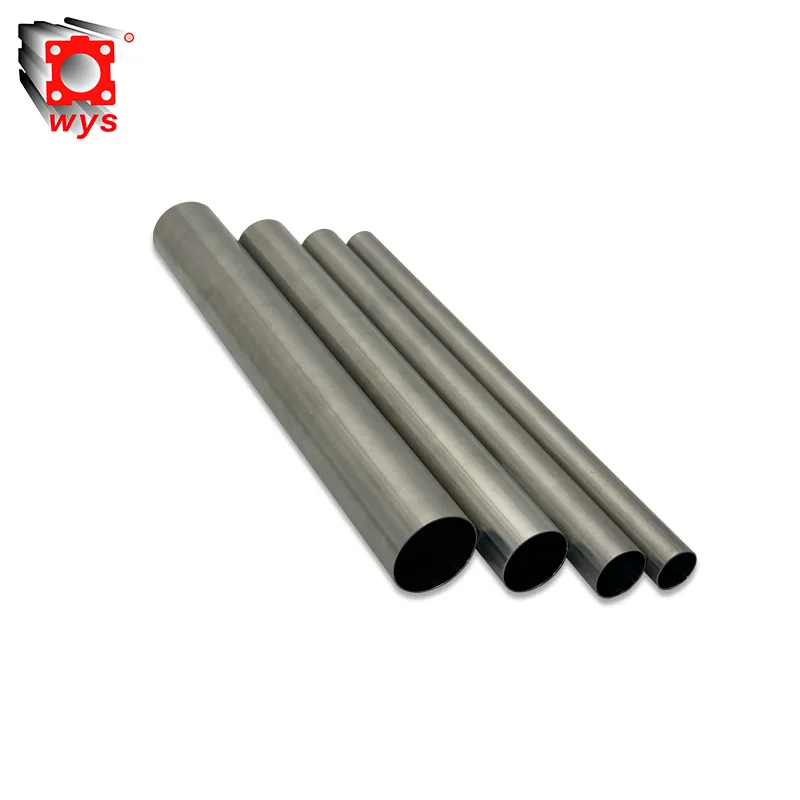
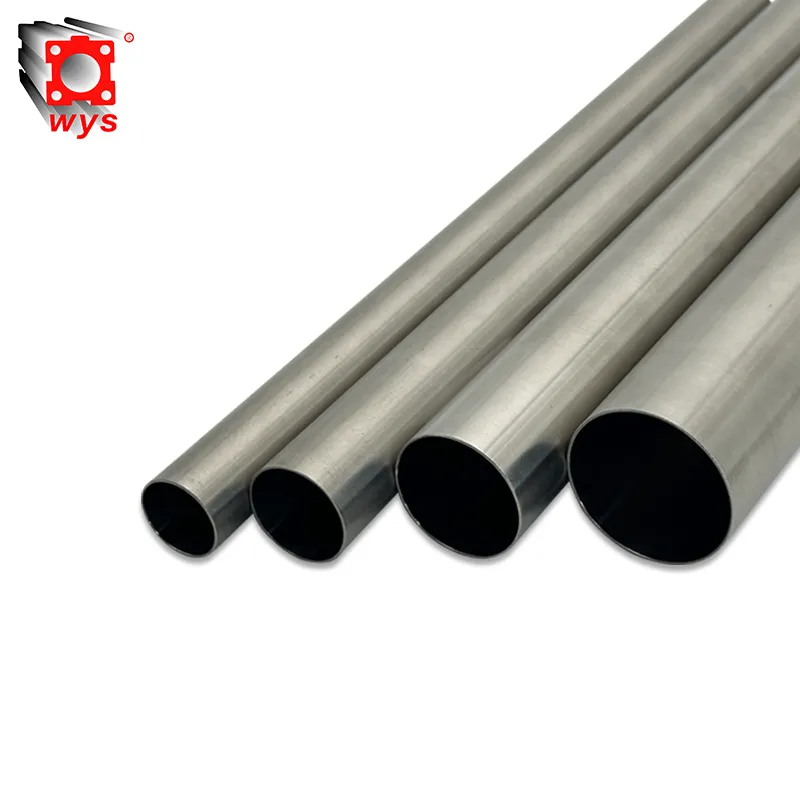
In pneumatic systems, the pneumatic cylinder barrel is a core actuator. It converts compressed air into mechanical energy, driving a piston to perform various industrial actions. The normal operation of a pneumatic cylinder barrel depends not only on structural integrity and sealing system design, but also on good airtightness.
Once airtightness fails, it will directly lead to a decrease in pneumatic cylinder tube thrust, unstable operation, and even system-wide failure.
Therefore, engineers and maintenance personnel often ask this core question: How to determine if a pneumatic cylinder barrel's airtightness has failed?
This article will help you fully understand pneumatic cylinder tube airtightness during maintenance, repair, and design.
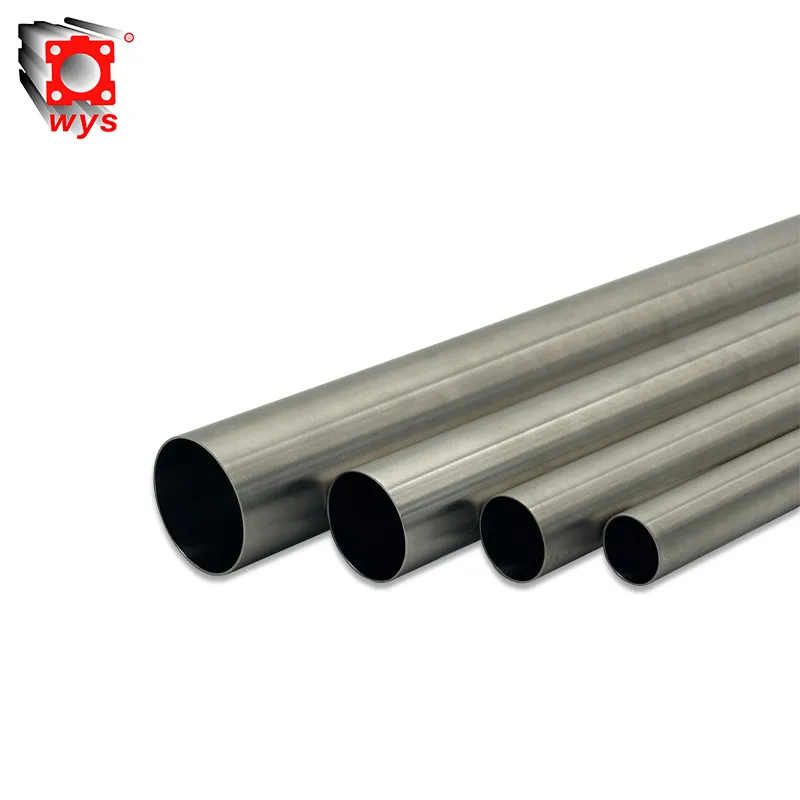
What is Pneumatic Cylinder Barrel Airtightness?
Pneumatic cylinder barrel airtightness refers to the ability of the pneumatic cylinder barrel to prevent internal gas leakage under normal operating pressure. Specifically:
• The internal air pressure of the pneumatic cylinder barrel maintains stable piston movement.
• The pressure difference across the piston does not decrease rapidly due to leakage.
• The pneumatic cylinder barrel seals remain intact and function properly.
Air tightness is a prerequisite for ensuring the stable performance of the pneumatic cylinder tube. If air tightness fails, even if the pneumatic cylinder tube structure is intact, problems such as insufficient thrust, abnormal stroke, and internal leakage will still occur.
Why does air tightness failure affect pneumatic cylinder barrel performance?
The pneumatic cylinder barrel relies on the seals and the cylinder wall to maintain a pressure difference, thereby driving the piston. When air tightness fails, the following problems may occur:
• Internal leakage leads to a decrease in the pneumatic cylinder barrel's output force.
• Uneven piston movement speed or vibration.
• System response delay.
• Increased energy consumption.
• Accelerated seal wear over long-term operation.
Therefore, the air tightness of the pneumatic cylinder barrel affects not only individual actuators but also the stability and reliability of the entire pneumatic system.
Common Manifestations of Pneumatic Cylinder Barrel Airtightness Failure
Determining whether an airtightness failure has occurred requires combining operational performance and test data. The main manifestations can be categorized as follows:
1. Decreased Output Force of the Pneumatic Cylinder Barrel
• Insufficient force when the piston pushes the load
• Thrust fails to meet design requirements
• Even with normal system pressure, the movement remains weak
This is the most intuitive sign of airtightness failure.
2. Unstable Piston Movement
• Piston extension/retraction exhibits vibration or pauses
• Obvious impact at the end of the stroke
• Movement speed does not match expectations
This is usually related to internal leakage or seal failure.
3. Internal or External Leakage
• Abnormal leakage sound from compressed air
• Air leakage from cylinder joints and piston rod seals
• System pressure cannot be maintained
Leakage is a direct indicator of pneumatic cylinder tube airtightness failure.
4. Abnormal System Energy Consumption
• Normal air supply pressure, but decreased system output power
• Increased compressed air consumption
• Significant pressure fluctuations
These phenomena often indicate a micro-leakage within the pneumatic cylinder tube.
How to test the airtightness of a pneumatic cylinder barrel?
Methods for judging the airtightness of a pneumatic cylinder barrel can be divided into two main categories: qualitative judgment and quantitative detection.
Method 1: Auditory or Visual Judgment
• With the cylinder in a ventilated state, listen carefully close to the outside of the cylinder.
• If a leaking sound is heard, it usually indicates a seal failure.
• Note the positions of the interfaces, end caps, and piston rod.
This is a preliminary method for quickly judging airtightness failure, but it cannot accurately quantify the leakage amount.
Method 2: Pressure Holding Method
• Charge the pneumatic cylinder tube to the design pressure.
• Close the intake valve.
• Observe whether the pressure gauge reading drops.
If the pressure drops significantly within a short period of time, it indicates a problem with the airtightness of the pneumatic cylinder barrel.
Method 3: Liquid Leak Detection
• Apply soapy water to the connection points or exterior of the pneumatic cylinder tube.
• Observe for bubbles after venting.
The appearance of bubbles indicates a leak in the pneumatic cylinder tube. This method is suitable for detecting leaks at interfaces and piston rod locations.
Method 4: Flow Rate Detection
• Measure the amount of air entering the pneumatic cylinder tube using a flow meter.
• Compare this to the ideal flow rate.
An abnormal increase in flow rate indicates a leak inside the pneumatic cylinder barrel.
Method 5: Differential Pressure Method
• Install pressure sensors at both ends of the pneumatic cylinder barrel.
• Detect the pressure change curve.
By observing the pressure difference, the airtightness and leakage rate can be quantitatively analyzed.
Key Indicators for Pneumatic Cylinder Barrel Airtightness Failure
In quantitative testing, several key indicators can help determine if an airtightness failure has occurred:
1. Internal Leakage Rate
• The amount of air leaking from the pneumatic cylinder tube per unit time.
• The permissible leakage rate for a standard pneumatic cylinder tube is typically very small.
• Exceeding the permissible range indicates airtightness failure.
2. Pressure Holding Time
• After filling the pneumatic cylinder barrel to its rated pressure, observe the rate of pressure drop.
• An excessively rapid pressure drop indicates poor sealing performance.
3. Output Force Change
• Compare the rated thrust with the actual output.
• A significant drop in thrust is usually associated with airtightness failure.
4. Stroke Smoothness
• Record the piston's movement trajectory using a displacement sensor.
• Abnormal or unstable movement may be due to insufficient pressure caused by internal leakage.
What factors can lead to pneumatic cylinder tube airtightness failure?
Understanding the causes of failure helps in identifying and preventing problems:
1. Aging or damage to seals
• Hardening or cracking of seals due to prolonged use of the pneumatic cylinder tube
• Leading to leakage at the piston or end cap
2. Damage to the inner wall of the pneumatic cylinder tube
• Scratches or corrosion on the inner wall
• Ineffective sealing by the seals
• Decreased airtightness
3. Ingress of foreign objects or contaminants
• Dust, oil, or moisture entering the cylinder
• Leading to wear on the sealing surface or localized leakage
4. Improper installation or maintenance
• Piston rod misalignment
• Uneven tightening of end cap bolts
• Incorrect installation of interface seals
These all contribute to decreased airtightness of the pneumatic cylinder tube.
Precautions for Airtightness Testing of Pneumatic Cylinder Barrels
When testing airtightness, the following points should be noted:
1. Pressure setting must be reasonable
Do not exceed the rated pressure of the pneumatic cylinder barrel to avoid damaging the seals.
2. The testing environment must be clean
Avoid external impurities affecting the judgment results.
3. Multiple Testing Confirmation
It is recommended to perform multiple tests on the same pneumatic cylinder barrel to avoid misdiagnosis.
4. Comprehensive Judgment Using Multiple Methods
Relying solely on the listening or soapy water method may result in missed diagnoses. The pressure holding method and flow rate method are more reliable.
How to Determine if a Pneumatic Cylinder Barrel's Airtightness Has Failed?
Based on the analysis of the entire text, determining if a pneumatic cylinder barrel's airtightness has failed requires considering the following dimensions:
1. Operational Performance
Insufficient thrust, unstable movement, abnormal energy consumption
2. External Leakage Inspection
Listening, visual inspection, soapy water test
3. Pressure and Flow Rate Testing
Pressure holding method, flow meter test, differential pressure method
4. Quantification of Key Indicators
Internal leakage rate, pressure holding time, output force change, stroke stability
5. Failure Cause Analysis
Seals, inner wall, contaminants, installation problems
Through the above methods and indicators, a systematic and professional assessment of whether a pneumatic cylinder tube's airtightness has failed can be made, providing a reliable basis for subsequent maintenance and repair.
How experienced is Weiyingjia in the pneumatic industry?
Founded in 2007, Weiyingjia has 16 years of experience in producing high-quality pneumatic cylinders, kits, liners, and seal rings. Our factory spans 10,000 square meters with six production lines and employs over 100 technical staff and five quality inspection teams. Buyers purchasing from Weiyingjia benefit from advanced testing, strict process controls, and competitive wholesale prices.