

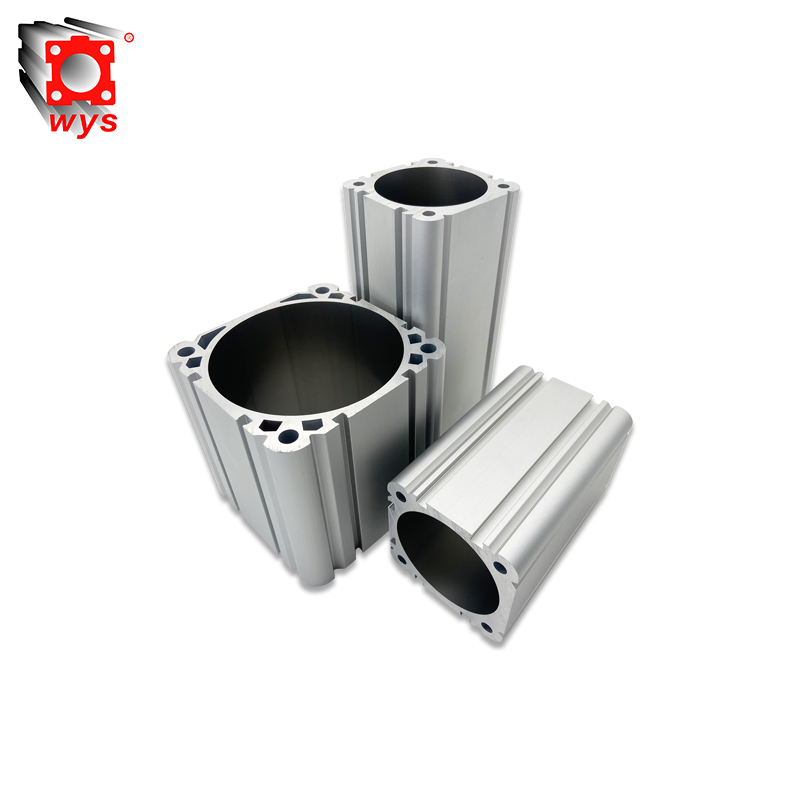
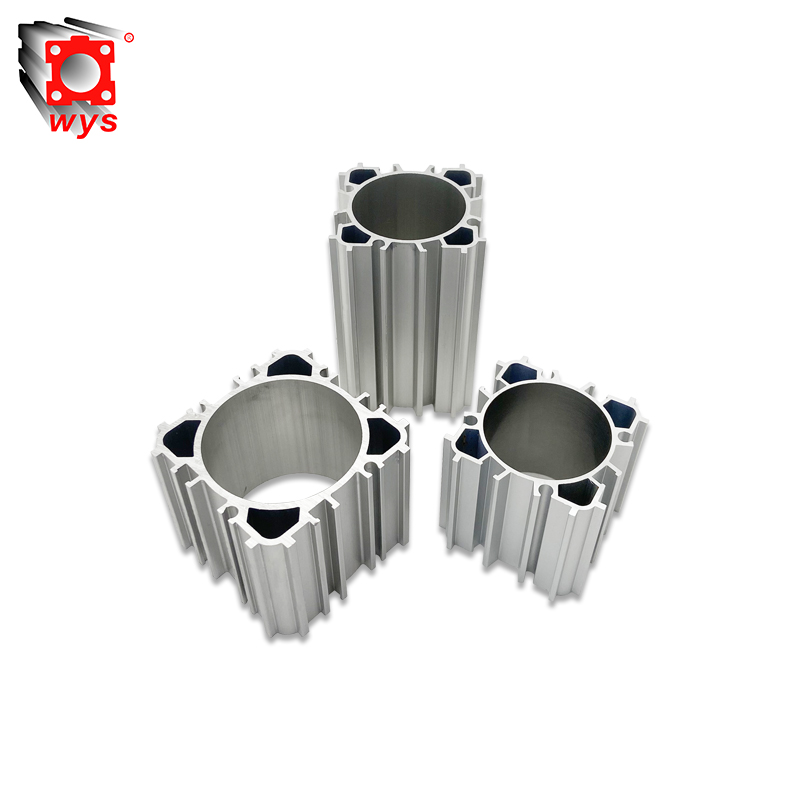
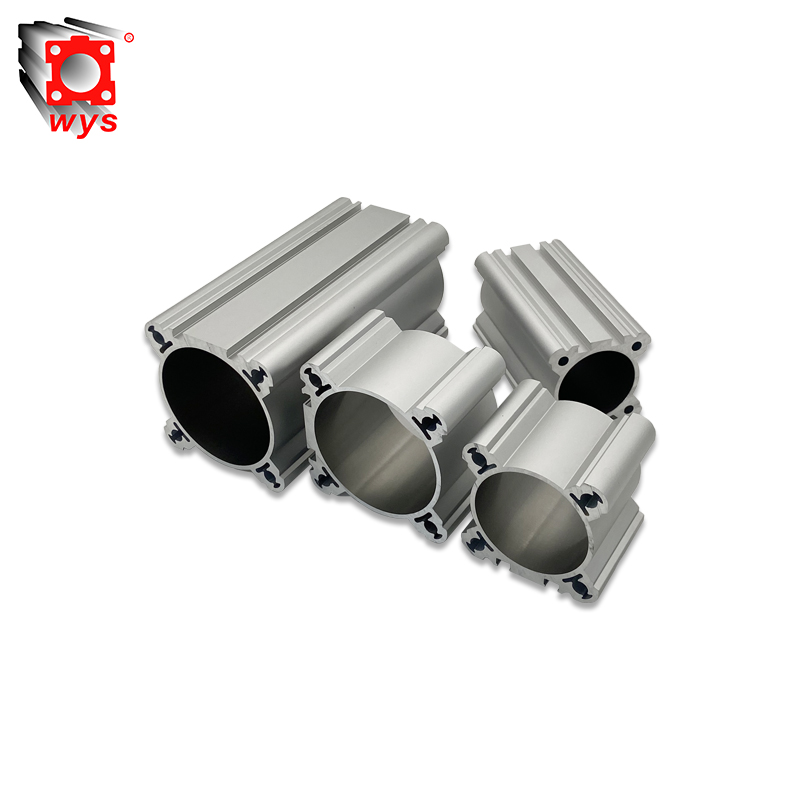
In the field of industrial automation, pneumatic systems are widely used due to their simple structure, fast response, and ease of maintenance. However, many pneumatic devices experience unstable operation, shortened lifespan, or even frequent failures. The root cause is often not structural defects, but rather contamination of the pneumatic system.
So, what are the most common contaminants in pneumatic systems? And how do these contaminants affect the performance and lifespan of critical components—especially the pneumatic cylinder barrel?
This article will conduct a systematic analysis around this core question, focusing on the impact mechanism and risks of contaminants on the pneumatic cylinder tube.
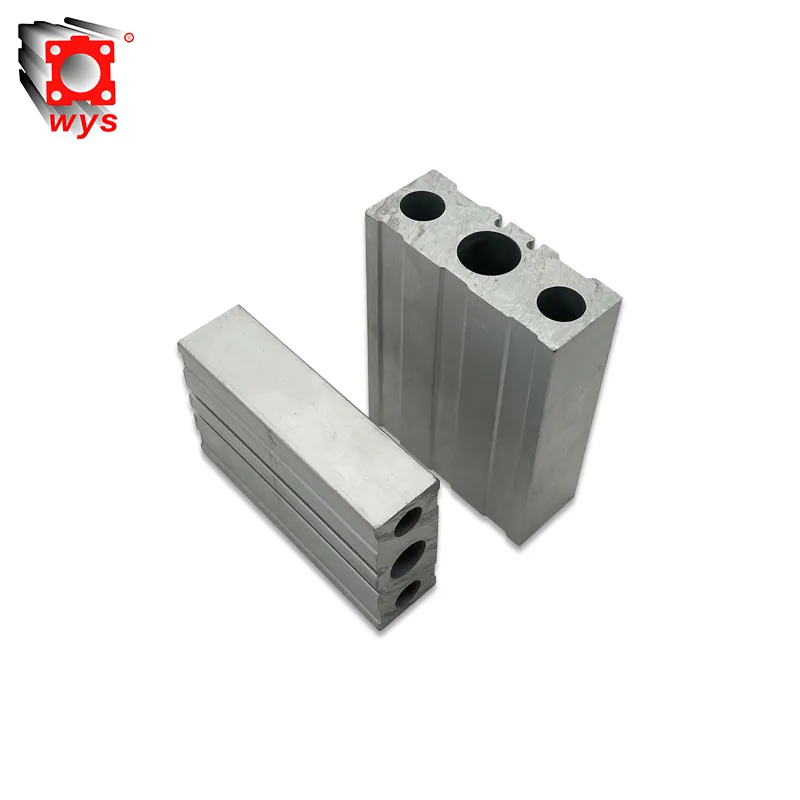
Why do contaminants have a serious impact on pneumatic systems?
Pneumatic systems use compressed air as the power medium. Theoretically, air should be clean, dry, and free of impurities. However, in real-world environments, compressed air often carries various contaminants.
Pneumatic systems contain numerous precision-fitting components, such as:
• The inner wall of the pneumatic cylinder barrel
• Piston seals
• Valve body passages
• Throttling elements
Among these, the pneumatic cylinder barrel is one of the components most directly and sensitively affected by contamination. The interior of a pneumatic cylinder barrel requires a high degree of smoothness and sealing. If contaminants enter, it can lead to accelerated wear, or even jamming and leakage.
Therefore, understanding the most common types of contaminants in pneumatic systems is essential for ensuring the long-term stable operation of the pneumatic cylinder barrel.
What are the most common types of contaminants in pneumatic systems?
From an engineering practice perspective, the most common contaminants in pneumatic systems can be mainly divided into three categories:
1. Particulate matter
2. Moisture contamination
3. Oil contamination
These three types of contaminants affect the pneumatic cylinder tube in different ways, but all can severely damage its sealing performance and internal wall condition.
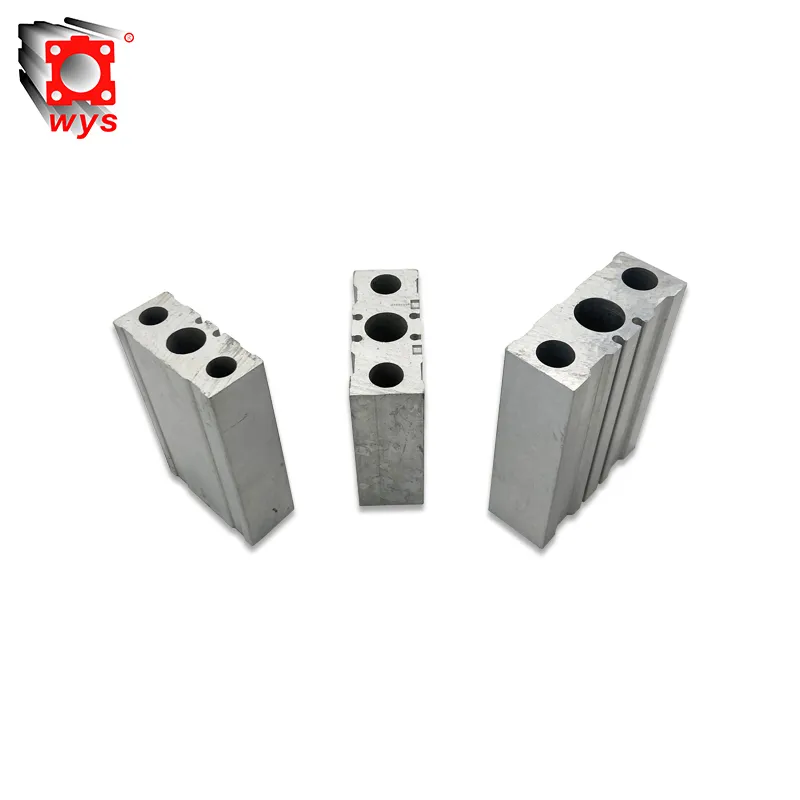
Are particulate matter the most common contaminants in pneumatic systems?
The answer is yes.
Particulate matter is one of the most common and destructive types of contaminants in pneumatic systems.
Sources of solid particles include:
• Airborne dust
• Pipe rust debris
• Compressor wear particles
• Residual impurities from installation
Once these particles enter the pneumatic cylinder tube, they have the following effects:
1. Scratching the inner wall of the pneumatic cylinder tube
The inner wall of the pneumatic cylinder tube is usually precision-machined with a high degree of smoothness. Solid particles, during piston movement, will create fine scratches on the inner wall.
These scratches will:
• Reduce the sealing performance of the pneumatic cylinder tube
• Increase frictional resistance
• Accelerate seal wear
2. Accelerate seal wear
The piston seals in the pneumatic cylinder tube have extremely high requirements for surface condition. Solid particles can embed themselves on the seal surface, creating a "sandpaper effect," continuously abrading the inner wall of the pneumatic cylinder tube.
After long-term operation, the pneumatic cylinder barrel may experience:
• Increased inner diameter
• Deterioration of surface roughness
• Unstable thrust
Therefore, solid particle contamination is the primary factor threatening the lifespan of the pneumatic cylinder barrel.
What are the effects of moisture contamination on pneumatic cylinder barrels?
Moisture contamination is a very common problem in pneumatic systems.
Compressed air produces condensation during compression. If this condensation isn't adequately dried, the moisture will enter the pneumatic system and affect the pneumatic cylinder barrel.
The effects of moisture on pneumatic cylinder tubes include:
1. Internal wall corrosion
Although many pneumatic cylinder tubes are made of aluminum alloy or have surface treatments, long-term water accumulation can still damage the oxide layer, leading to localized corrosion.
The corroded inner wall of the pneumatic cylinder tube loses its smoothness, thus affecting the sealing effect.
2. Seal aging
Moisture alters the physical properties of the sealing material, causing it to:
• Expand
• Harden
• Lose elasticity
Once the seal performance deteriorates, the pneumatic cylinder tube will leak or experience unstable thrust.
3. Risk of icing in winter
In low-temperature environments, moisture inside the pneumatic cylinder tube may freeze, causing the piston to malfunction.
Therefore, moisture contamination not only affects the lifespan of the pneumatic cylinder tube but can also lead to sudden system failure.
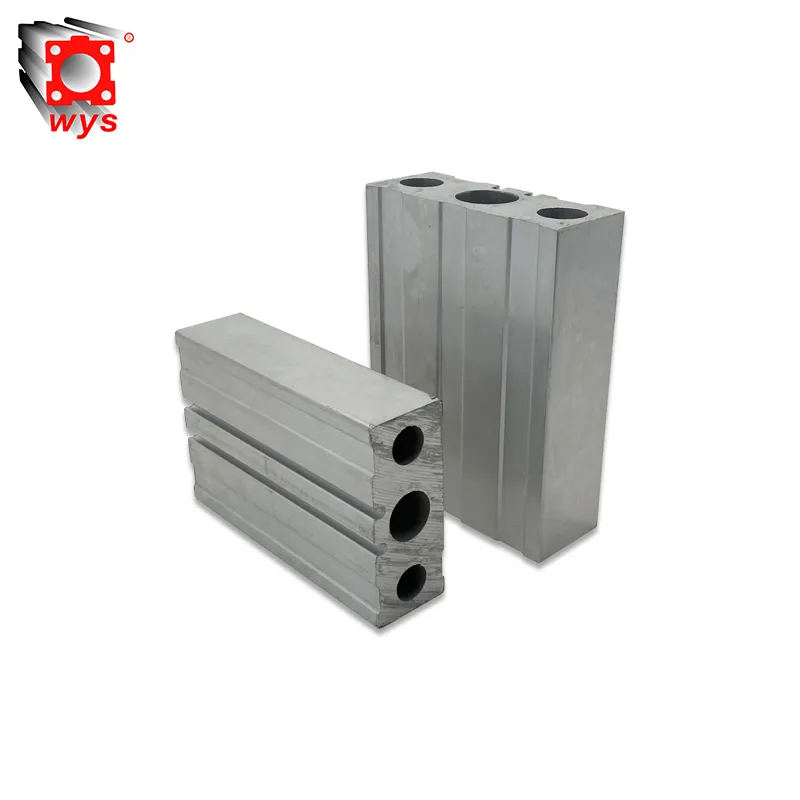
Is oil contamination good or bad for the pneumatic cylinder tube?
Oil contamination in pneumatic systems has a dual effect.
On the one hand, appropriate amounts of lubricating oil can:
• Reduce pneumatic cylinder barrel friction
• Extend seal life
On the other hand, excessive or poor-quality oil contamination can cause problems.
1. Sludge Deposits
When oil mixes with dust, sludge deposits form inside the pneumatic cylinder barrel.
These deposits can:
• Impede piston movement
• Affect the stroke accuracy of the pneumatic cylinder barrel
• Cause seal failure
2. Oil Deterioration
After high temperatures or prolonged use, the oil may oxidize and deteriorate, forming a viscous substance that adheres to the inner wall of the pneumatic cylinder barrel.
This increases frictional resistance and reduces operating efficiency.
Therefore, improperly controlled oil contamination can also threaten the stability of the pneumatic cylinder barrel.
What other contaminants affect the pneumatic cylinder barrel?
Besides the three main categories mentioned above, there are some minor but still significant sources of contamination:
1. Corrosive Chemical Gases
Acidic or alkaline gases may be present in some industrial environments. These gases, once inside the pneumatic cylinder tube, can damage the inner wall material.
2. Microbial Contamination
In high-humidity environments, microorganisms may proliferate in the pipes, producing deposits that indirectly affect the pneumatic cylinder tube.
Although these contaminants are less common than particles, water, and oil, they are still destructive in certain environments.
How do contaminants enter the pneumatic cylinder tube?
Contaminants typically enter the pneumatic cylinder tube through the following pathways:
1. Unfiltered compressed air
2. Loose pipe connections
3. Improper operation during maintenance
4. Aging seals
Once contaminants enter the pneumatic cylinder barrel, the frequent piston movement exacerbates their diffusion.
How to determine if a pneumatic cylinder barrel is affected by contamination?
When a pneumatic cylinder barrel is contaminated, it typically exhibits the following symptoms:
• Reduced thrust
• Stalling
• Abnormal noise
• Frequent seal damage
• Scratches or discoloration on the inner wall
These are typical signs of contaminants affecting a pneumatic cylinder barrel.
Why is a pneumatic cylinder barrel particularly sensitive to contamination?
The pneumatic cylinder barrel is highly sensitive to contamination because:
• The inner wall and seals fit tightly
• Strict tolerance control
• High operating frequency
In this high-frequency operating environment, contaminants are repeatedly crushed and rubbed, amplifying the destructive effect.
Therefore, compared to valve bodies or pipes, pneumatic cylinder barrels are more prone to performance degradation due to contamination.
How to reduce the impact of contaminants on pneumatic cylinder barrels?
While this article doesn't discuss future trends, from an engineering perspective, reducing the impact of contamination on pneumatic cylinder barrels can be achieved through the following:
• Upgrading air filtration
• Installing a drying device
• Regular drainage
• Regularly checking the seals
• Maintaining a clean installation environment
These measures can significantly reduce the probability of contaminants entering the pneumatic cylinder tube.
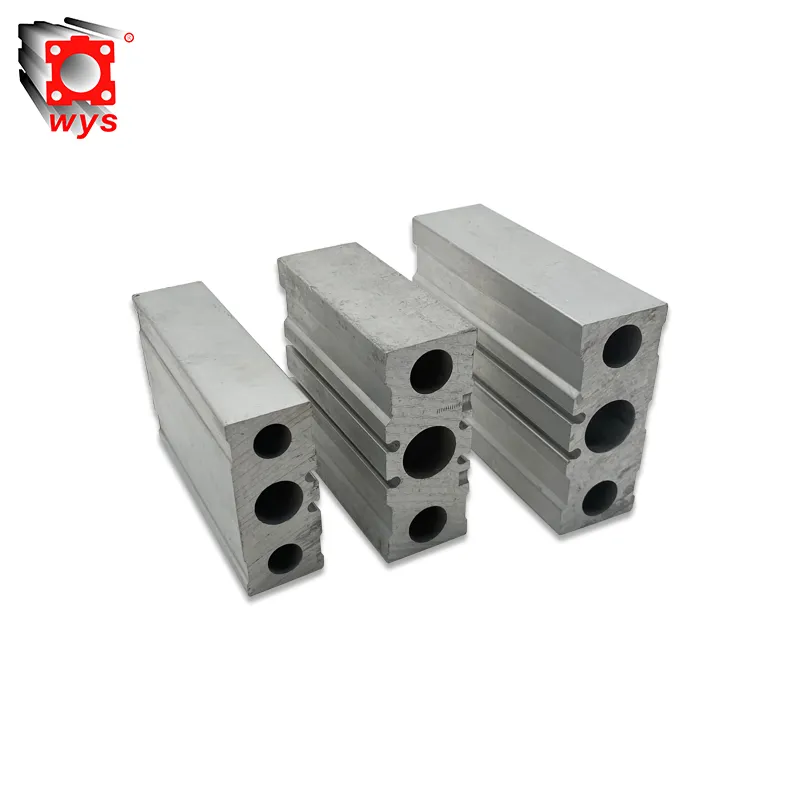
What are the most common contaminants in pneumatic systems?
1. Solid particles are the most common and destructive contaminants in pneumatic systems.
2. Moisture contamination is equally prevalent and significantly affects the corrosion and sealing of the pneumatic cylinder tube.
3. Oil contamination has a dual nature; improper control can cause deposits and resistance problems in the pneumatic cylinder tube.
These contaminants directly or indirectly affect the sealing performance, internal wall condition, and service life of the pneumatic cylinder barrel.
What are Weiyingjia’s main products for industrial use?
Weiyingjia produces aluminum alloy pneumatic cylinder barrels, cylinder kits, liners, seal rings, and other pneumatic components. Our factory’s strict production processes and quality inspections ensure durability and high precision. Buyers purchasing from our company for wholesale or brand manufacturing can rely on our competitive pricing, professional technical support, and consistent product quality.