

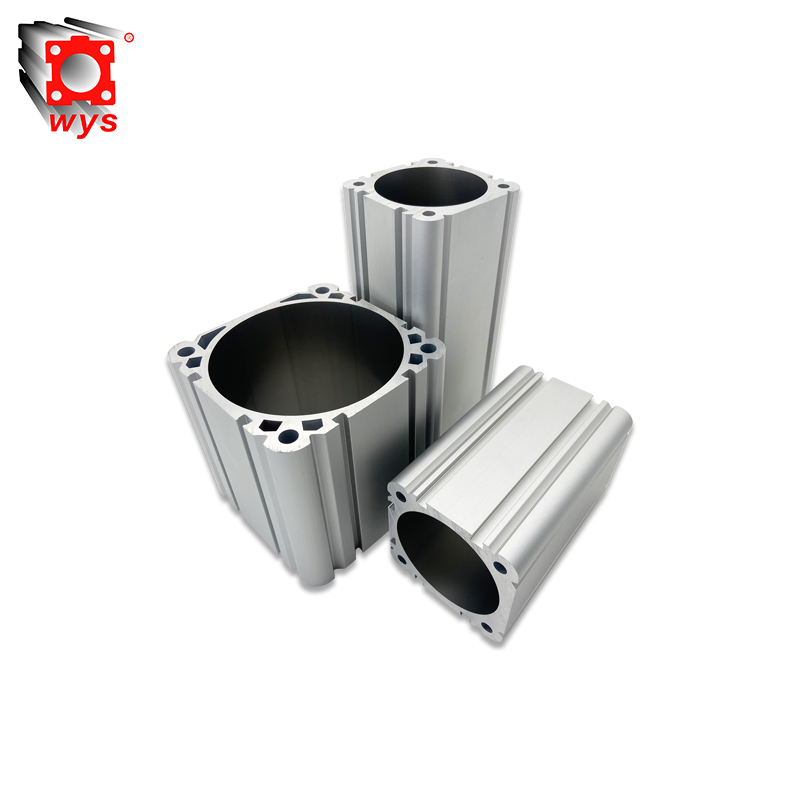
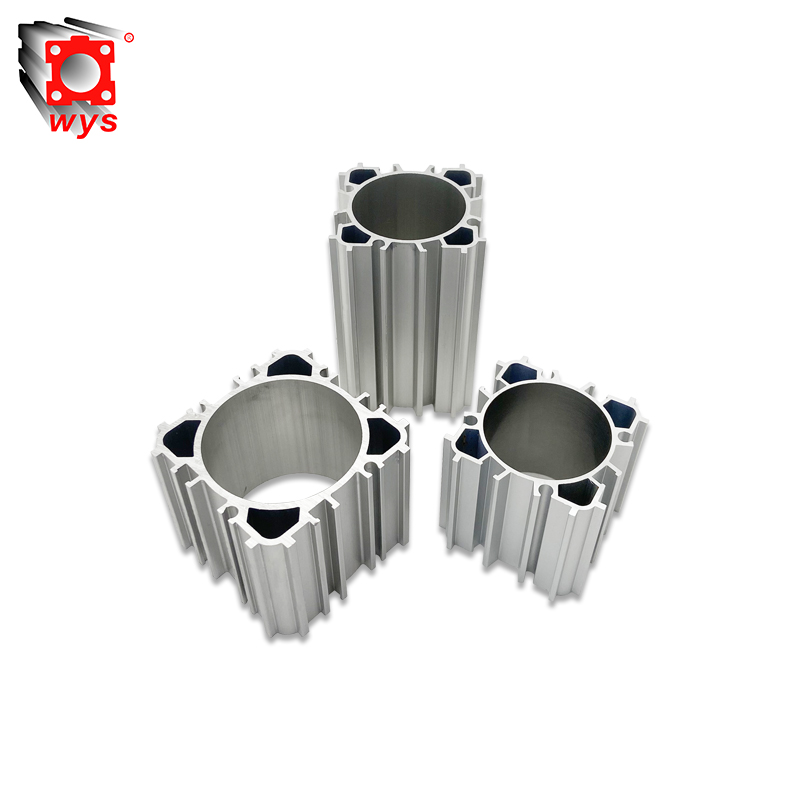
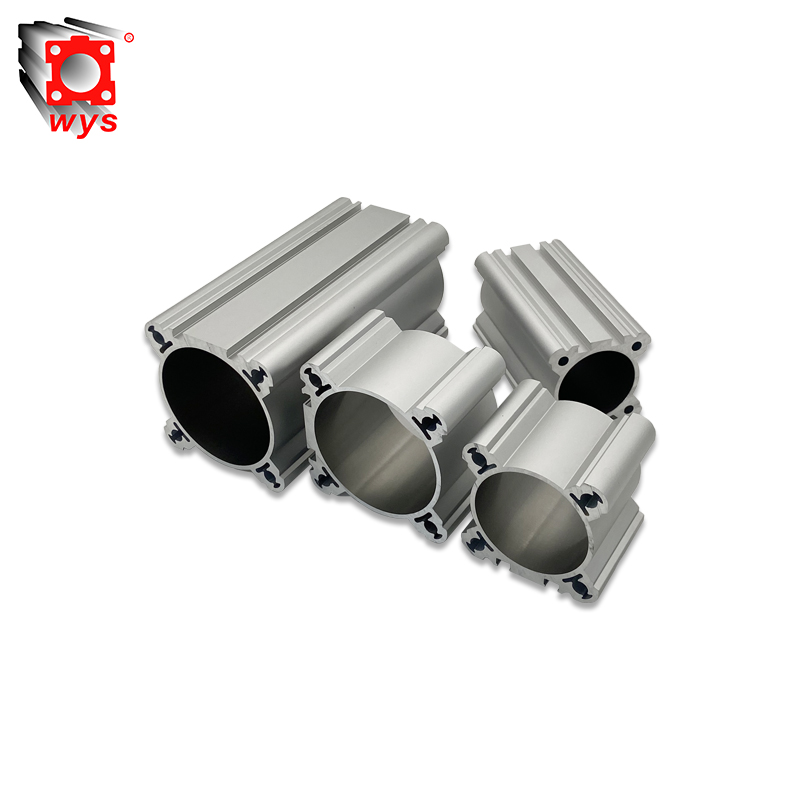
In pneumatic systems, the type of cylinder directly determines its operating mode and control logic. As the main structural component of the cylinder, the pneumatic cylinder tube is one of the important bases for determining the cylinder type.
For engineers, accurately determining whether a pneumatic cylinder tube is double-acting is crucial not only for the correctness of the air circuit design and control method but also for the stability and reliability of the system.
So, how do you determine if a pneumatic cylinder tube is double-acting? Does the determination come from appearance, structure, or internal working principle? Can a definitive judgment be made solely based on the pneumatic cylinder tube itself?
This article will systematically and deeply explain the key methods and core logic for determining whether a pneumatic cylinder tube is double-acting from multiple professional perspectives.
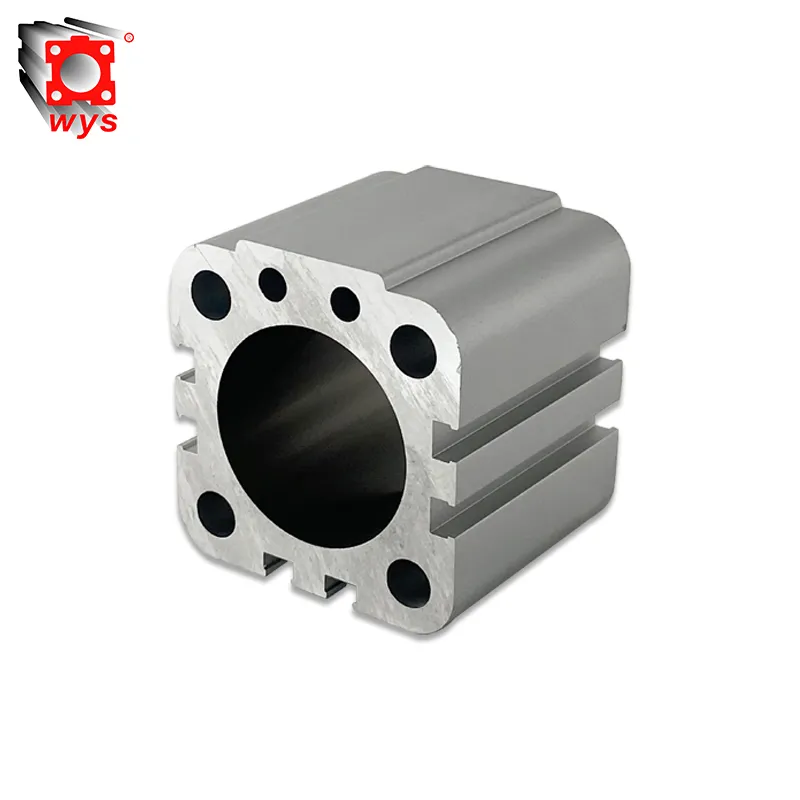
Why is it necessary to determine if a pneumatic cylinder tube is double-acting?
Before delving into specific determination methods, it's necessary to understand a fundamental question: Why is it essential to distinguish between double-acting pneumatic cylinder tubes?
The type of pneumatic cylinder tube determines how the cylinder works.
A pneumatic cylinder tube is not a "universal container." Different types of pneumatic cylinder tubes differ fundamentally in their internal structure and functional positioning. Specifically:
• Single-acting pneumatic cylinder tube: Supports gas drive in only one direction.
• Double-acting pneumatic cylinder tube: Supports gas drive in both directions for the piston.
Incorrectly identifying the type of pneumatic cylinder tube can lead to a fundamental misunderstanding of the cylinder's working principle.
Incorrect identification can cause system-level problems.
In engineering applications, mistaking a single-acting pneumatic cylinder tube for a double-acting one, or vice versa, may result in:
• Inadequate gas path design
• Control logic failure
• Abnormal cylinder operation
Therefore, determining whether a pneumatic cylinder tube is double-acting is a fundamental but crucial engineering cognitive ability.
What are the essential characteristics of a double-acting pneumatic cylinder barrel?
To determine whether a pneumatic cylinder barrel is double-acting, it is essential to first understand: What are the indispensable characteristics of a double-acting pneumatic cylinder tube?
Core Definition of Double-Acting Cylinder Tube
A double-acting cylinder tube is one in which the piston relies on compressed air to generate driving force in both the extension and retraction directions. This directly leads to several essential characteristics of a double-acting pneumatic cylinder barrel:
• It must have two independent working chambers.
• The pneumatic cylinder barrel needs to provide a bidirectional sealed space for the piston.
• The cylinder structure must be able to withstand bidirectional, alternating gas pressures.
If a pneumatic cylinder barrel meets these core conditions, it can be theoretically considered a double-acting pneumatic cylinder barrel.
Can the number of air ports on a pneumatic cylinder tube determine if it is double-acting?
This is one of the most intuitive and commonly used preliminary methods for determining the type of pneumatic cylinder tube.
A double-acting pneumatic cylinder tube typically has two air ports.
In a standard structure, a double-acting pneumatic cylinder tube typically requires:
• One air port for driving the piston forward.
• Another air port for driving the piston backward.
These two air ports connect to the front and rear chambers inside the pneumatic cylinder tube, respectively.
Typical Port Features of a Single-Acting Pneumatic Cylinder Tube
In contrast, a single-acting pneumatic cylinder tube generally requires only:
• One working port
• The other side is reset by a spring or external force
Therefore, from a conventional design perspective, a pneumatic cylinder barrel with two independent working ports is highly likely to be a double-acting type.
Engineering Judgment Boundaries to Note
It is important to emphasize that the number of ports is an important reference, but not the only criterion. The final judgment still needs to consider the internal structural characteristics of the pneumatic cylinder tube.
How to Determine if a Pneumatic Cylinder Tube is Double-Acting Based on its Internal Structure?
If you have access to structural diagrams or disassembly, the internal structure is the most reliable basis for determining whether a pneumatic cylinder tube is double-acting.
Is there a clear separation between the front and rear chambers?
Inside a double-acting pneumatic cylinder barrel, the piston divides the entire cylinder cavity into two completely independent working chambers:
• A sealed chamber forms in front of the piston.
• Another sealed chamber forms behind the piston.
These two chambers must remain completely sealed under any operating condition.
Does it contain a spring or other return mechanism?
In single-acting pneumatic cylinder barrels, a common feature is the presence of a spring or other return mechanism. However, standard double-acting pneumatic cylinder tubes typically do not rely on springs for return; this can be an important criterion.
Can the piston movement pattern determine the type of pneumatic cylinder barrel?
The type of pneumatic cylinder barrel can also be deduced from its working behavior.
Piston movement characteristics of a double-acting pneumatic cylinder barrel
In a double-acting pneumatic cylinder barrel:
• The piston moves forward using air pressure.
• The piston moves backward using air pressure.
Theoretically, if both directions can be controlled by changing the intake and exhaust states, then the pneumatic cylinder barrel supports double-acting.
Motion Limitations of Single-Acting Pneumatic Cylinder Tubes
If it is found that:
• The piston can only be driven by gas in one direction
• The return stroke must rely on elasticity or external force
Then it can be determined that the pneumatic cylinder barrel is not a double-acting type.
Can the sealing layout of a pneumatic cylinder barrel determine its double-acting structure?
The sealing layout is a specialized but highly reliable angle for determining the type of pneumatic cylinder barrel.
Sealing Requirements of Double-Acting Pneumatic Cylinder Tubes
Because a double-acting pneumatic cylinder tube has two working chambers inside, its sealing system must:
• Form a reliable seal on both sides of the piston
• Maintain stability during bidirectional movement
This means that the internal wall precision and sealing fit of the pneumatic cylinder tube are designed for bidirectional operation.
Sealing Differences of Single-Acting Pneumatic Cylinder Tubes
Single-acting pneumatic cylinder tubes often only need to ensure the sealing of one working chamber; the other side does not bear the function of gas pressurization. Therefore, the complexity of the sealing structure is usually lower than that of double-acting pneumatic cylinder tubes.
Can the design parameters of a pneumatic cylinder barrel determine whether it is a double-acting cylinder?
In engineering documents or technical data, design parameters often directly reflect the operating properties of the pneumatic cylinder barrel.
The directionality of stroke, force, and pressure parameters.
If the technical description of the pneumatic cylinder barrel clearly states:
• Thrust is defined in both directions
• Rated pressure conditions exist in both directions
Then it can be determined that the pneumatic cylinder barrel is designed for a double-acting cylinder.
Keywords in the structural description.
In professional descriptions, terms such as:
• Front chamber / Rear chamber
• Bidirectional drive
• Dual-end air intake
These directly indicate the structural properties of a double-acting pneumatic cylinder barrel.
Why can't we determine whether a pneumatic cylinder barrel is double-acting solely based on its external dimensions?
This is a question that is very easy to misunderstand.
Similar appearance does not equate to identical structure.
From an external perspective, many single-acting and double-acting pneumatic cylinder barrels may appear very similar in:
• Outer diameter
• Length
• Mounting method
However, these external parameters do not reflect whether the internal structure possesses a dual-chamber configuration.
Judgment must return to structure and principle.
Therefore, determining whether a pneumatic cylinder tube is double-acting cannot rely solely on external dimensions; it must be based on its structure and working principle.
How to systematically confirm whether a pneumatic cylinder tube is double-acting?
From an engineering perspective, determining whether a pneumatic cylinder tube is double-acting should follow this logical order:
1. Does it have two independent working ports?
2. Is there a clear separation between the front and rear chambers internally?
3. Is the piston driven by gas in both directions?
4. Does it not rely on springs or other return structures?
5. Is the sealing system designed for bidirectional operation?
If the above core conditions are met, the pneumatic cylinder tube can be professionally confirmed as a double-acting pneumatic cylinder tube.
What advantages do your cylinder kits offer?
Our cylinder kits are designed for high precision, durability, and energy efficiency. Foshan Weiyingjia Technology Co., Ltd., a professional manufacturer and supplier, ensures strict quality control during every step of production. Customers purchasing these kits receive high-quality products suitable for automation, industrial machinery, and other applications, with options for wholesale buying and competitive pricing directly from our factory.