

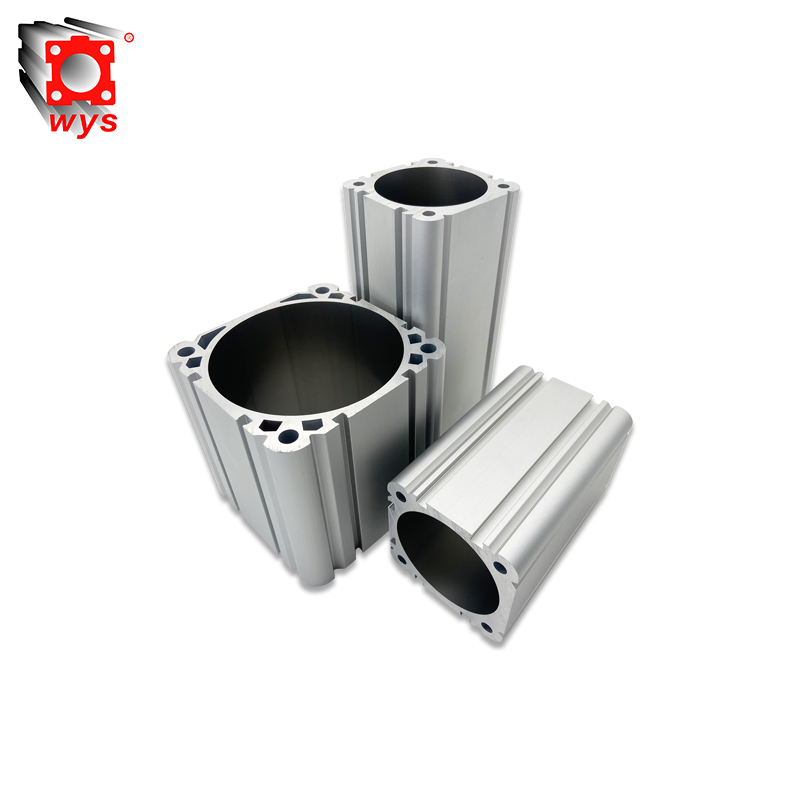
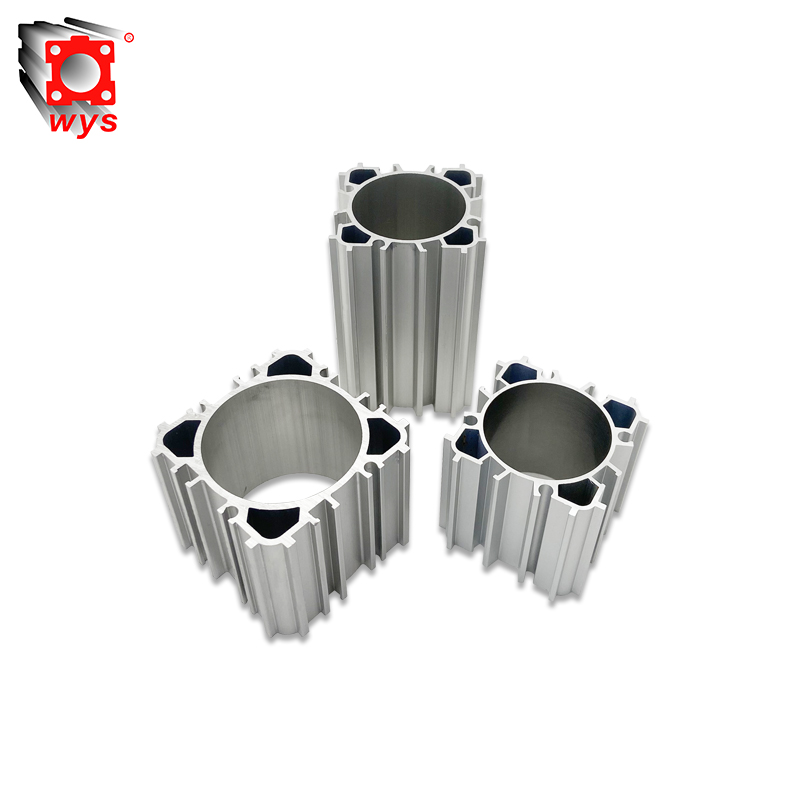
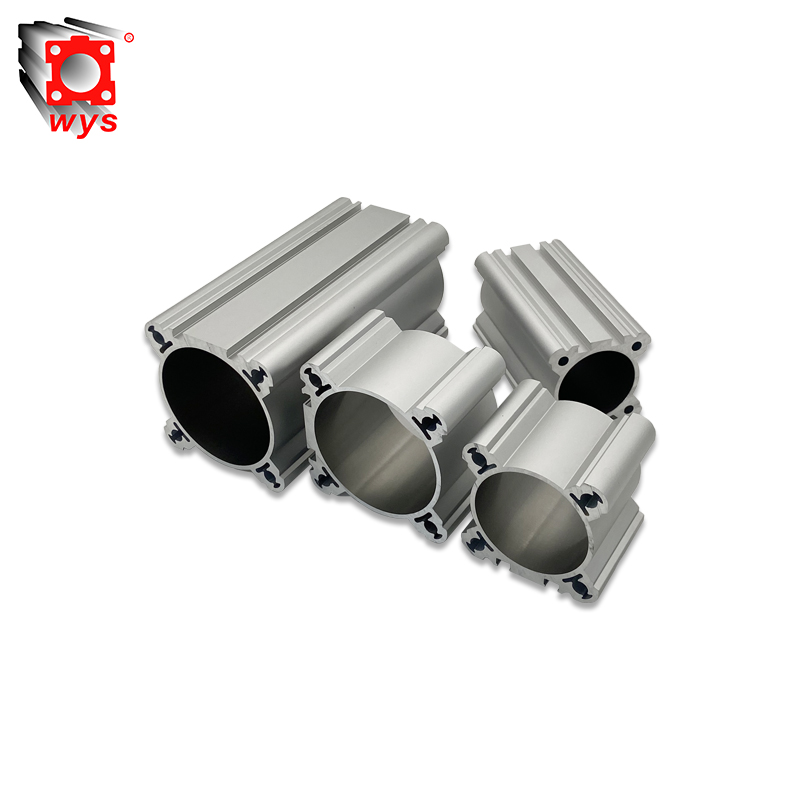
In pneumatic systems, the pneumatic cylinder is a crucial actuator, and the pneumatic cylinder barrel is one of the most critical components of the cylinder structure. The pneumatic cylinder barrel not only provides movement space for the piston but also performs several key functions, including withstanding air pressure, ensuring sealing, and maintaining stable movement.
Therefore, the machining quality of the pneumatic cylinder barrel directly affects the cylinder's performance, lifespan, and the stability of the entire pneumatic system.
If the machining quality of the pneumatic cylinder barrel is substandard, it may lead to problems such as uneven piston movement, reduced sealing performance, cylinder leakage, and even equipment malfunction. Therefore, determining the machining quality of pneumatic cylinder tubes is a crucial task in the production and procurement of pneumatic components.
This article will focus on the question, "How to determine the machining quality of a pneumatic cylinder tube?" It will provide a detailed introduction from multiple aspects, including dimensional accuracy, surface treatment, material properties, structural quality, and testing methods, helping readers comprehensively understand the key standards for judging the machining quality of pneumatic cylinder barrels.
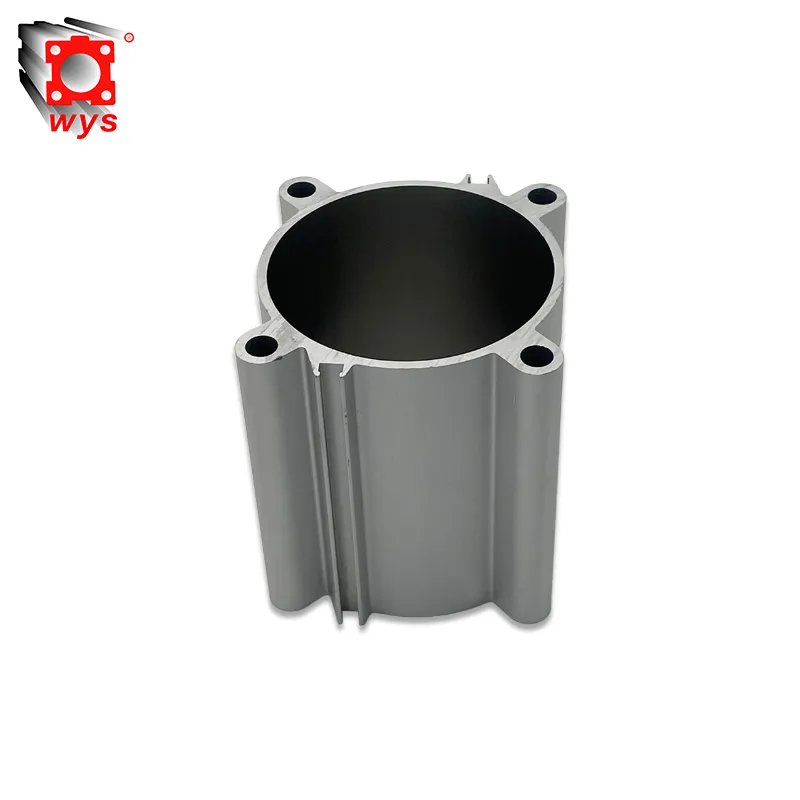
What is a pneumatic cylinder barrel?
The pneumatic cylinder barrel is the main structural component of a pneumatic cylinder, typically a cylindrical tube. The piston assembly reciprocates linearly within the pneumatic cylinder barrel. Compressed air enters the cylinder and pushes the piston, thus generating mechanical motion.
The main functions of the pneumatic cylinder barrel in a pneumatic cylinder include:
• Providing space for piston movement
• Withstanding internal pressure within the pneumatic system
• Ensuring stable operation of the sealing system
• Providing a guiding structure for piston movement
Because the pneumatic cylinder barrel is the core component of the cylinder's internal movement, its machining quality has a decisive impact on equipment performance.
Why is the machining quality of the pneumatic cylinder tube so important?
The machining quality of the pneumatic cylinder barrel not only affects the internal movement of the cylinder but also influences sealing performance and equipment efficiency.
Poor machining quality of the pneumatic cylinder tube can lead to the following problems:
• Increased piston movement resistance
• Accelerated seal wear
• Cylinder leakage
• Unstable equipment operation
For example, if the inner wall roughness of the pneumatic cylinder barrel is too high, the friction between the piston seal and the cylinder will increase, thus reducing cylinder movement efficiency.
Furthermore, if the roundness and straightness of the pneumatic cylinder barrel do not meet standards, it will also cause piston movement deviation, thus affecting cylinder stability.
Therefore, the machining quality of pneumatic cylinder barrels must be strictly inspected during manufacturing or procurement.
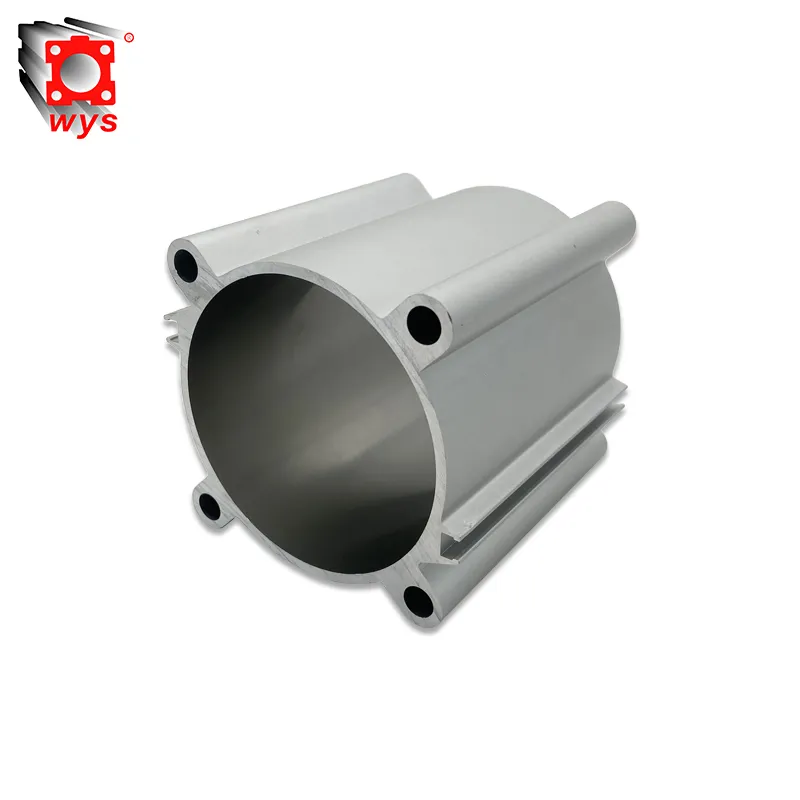
How to determine if the dimensional accuracy of a pneumatic cylinder barrel is up to standard?
Dimensional accuracy is one of the important standards for judging the machining quality of a pneumatic cylinder barrel.
Does the inner diameter meet the standards?
The inner diameter of the pneumatic cylinder barrel directly affects cylinder thrust and sealing performance. An excessively large inner diameter will result in a poor seal, while an excessively small inner diameter will increase frictional resistance.
During the production process, pneumatic cylinder barrels typically require precision machining processes to ensure the accuracy of their inner diameter.
When inspecting the inner diameter of a pneumatic cylinder barrel, the following tools are typically used:
• Inside micrometer
• Three-point inside diameter measuring instrument
• Pneumatic measuring instrument
These tools allow for precise measurement of the inner diameter of the pneumatic cylinder tube.
Does the dimensional tolerance meet requirements?
Pneumatic cylinder barrels typically require strict dimensional tolerances. Excessive dimensional errors will affect cylinder assembly accuracy.
High-quality pneumatic cylinder barrels are usually controlled within a small tolerance range to ensure cylinder structural stability.
How to inspect the inner wall surface quality of a pneumatic cylinder tube?
The inner wall surface quality of a pneumatic cylinder tube is one of the important factors affecting cylinder performance.
Does the inner wall roughness meet standards?
The inner wall roughness of a pneumatic cylinder tube directly affects the friction between the piston and the seals. If the surface is too rough, it will increase frictional resistance and accelerate seal wear.
High-quality pneumatic cylinder tubes typically require precision machining, such as:
• Precision broaching
• Internal bore grinding
• Polishing
These machining processes reduce surface roughness.
The internal wall roughness of common pneumatic cylinder tubes is usually controlled within a low range to ensure smooth piston movement.
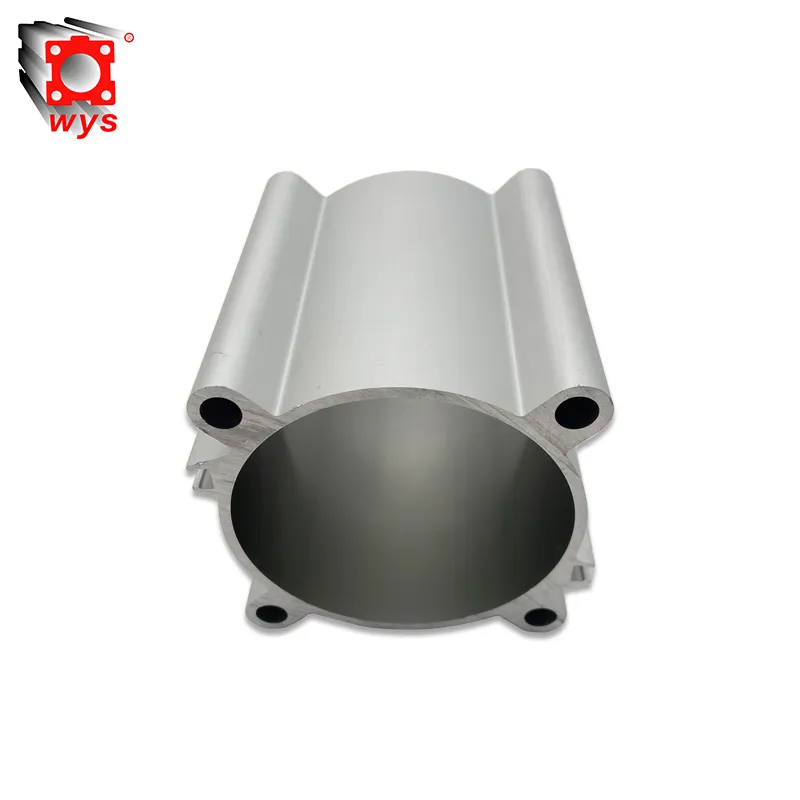
Are there scratches or defects on the internal wall?
When checking the machining quality of a pneumatic cylinder barrel, it is also necessary to observe whether there are defects on the internal wall, such as:
• Scratches
• Porosity
• Excessively deep machining lines
These problems will affect the performance of the pneumatic cylinder barrel.
How to determine if the geometric accuracy of a pneumatic cylinder barrel is up to standard?
In addition to dimensional accuracy, the geometric accuracy of a pneumatic cylinder barrel is equally important.
Is the roundness of the pneumatic cylinder barrel up to standard?
Pneumatic cylinder barrels must maintain a good circular structure. If the roundness error is large, the piston may deviate or jam during operation.
Checking the roundness of a pneumatic cylinder barrel usually requires the use of specialized testing equipment, such as a roundness tester.
Does the pneumatic cylinder barrel meet the straightness requirements?
The axis of the pneumatic cylinder barrel needs to maintain good straightness. If the cylinder barrel is bent or misaligned, it will affect the piston's movement trajectory.
Straightness testing is usually performed using precision measuring tools.
A high-quality pneumatic cylinder barrel must guarantee good roundness and straightness to ensure stable piston movement inside the cylinder.
How is the material quality of the pneumatic cylinder barrel judged?
The material of the pneumatic cylinder barrel also affects its processing quality and performance.
Common pneumatic cylinder barrel materials include:
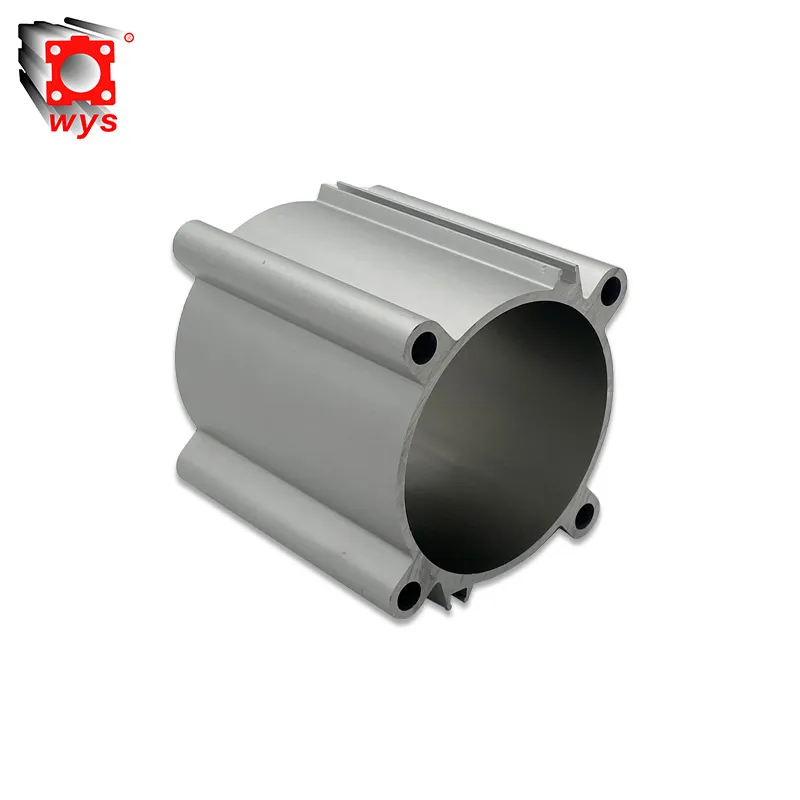
• Aluminum alloy
• Stainless steel
• Carbon steel
When judging the material quality of a pneumatic cylinder tube, the following factors are usually considered:
Does the material strength meet the requirements?
Pneumatic cylinder tubes need to withstand a certain amount of air pressure, so the material must have sufficient mechanical strength.
Insufficient material strength may lead to cylinder barrel deformation or even damage.
Is the material surface treatment good?
Many pneumatic cylinder tubes undergo surface treatments, such as anodizing. This treatment can improve corrosion resistance and wear resistance.
When inspecting the machining quality of a pneumatic cylinder tube, it's necessary to confirm the uniformity of the surface treatment.
How to judge the quality of a pneumatic cylinder barrel through assembly testing?
Besides dimensional inspection and visual inspection, assembly testing can also be used to judge the quality of a pneumatic cylinder barrel.
During cylinder assembly, a high-quality pneumatic cylinder barrel will typically exhibit the following characteristics:
• Smooth piston movement
• No jamming
• Low frictional resistance
If the piston movement is found to be uneven during assembly, it likely indicates a machining problem with the pneumatic cylinder tube.
Furthermore, an airtightness test can be performed to confirm whether the pneumatic cylinder barrel and the sealing system maintain a good seal.
How to choose a high-quality pneumatic cylinder tube?
When purchasing pneumatic cylinder tubes, the following methods can be used to assess product quality:
• Choose a manufacturer with mature production processes
• Inspect the pneumatic cylinder tube machining and testing equipment
• Understand the quality control standards in the production process
High-quality pneumatic cylinder tubes typically undergo rigorous testing processes to ensure their machining accuracy and performance meet requirements.
What industries benefit from Weiyingjia’s products?
Weiyingjia supplies aluminum alloy pneumatic cylinders, kits, liners, and seals suitable for automation, machinery, and manufacturing industries. With six production lines and 100+ skilled technicians, our factory ensures high-quality, precise, and durable components. Buyers purchasing from Weiyingjia enjoy competitive prices, reliable delivery, and professional sales support.