

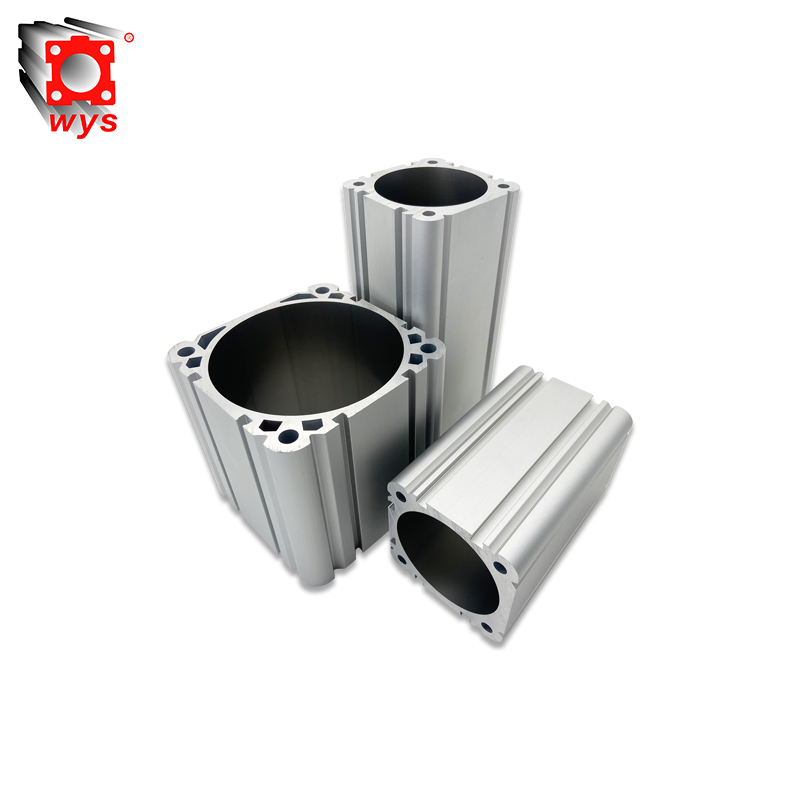
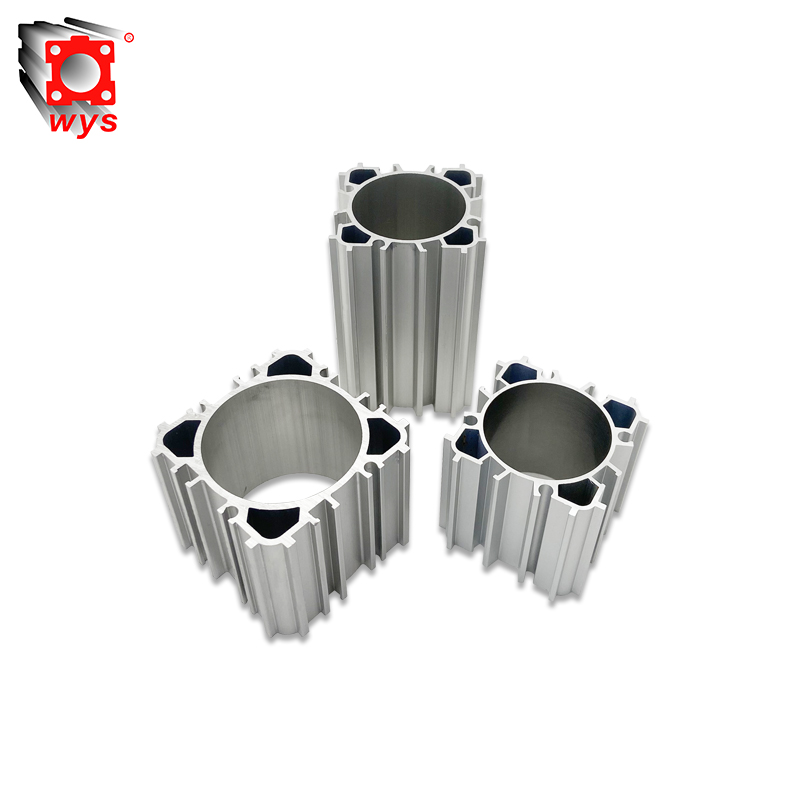
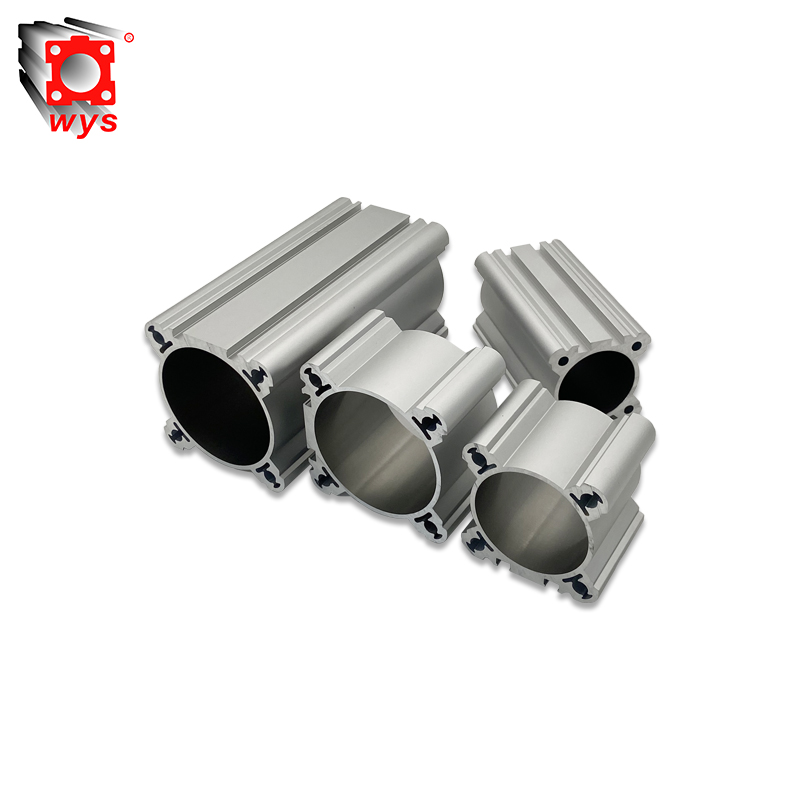
In industrial automation equipment, pneumatic cylinders serve as common actuating components and are widely utilized in various applications such as handling, clamping, positioning, and pushing. During the component selection process, the "bore diameter" is often one of the first parameters to be considered. When selecting a cylinder, many people instinctively assume that a larger bore diameter equates to superior performance—leading them to conclude that choosing a larger bore is invariably the better option.
However, from the perspective of practical engineering applications, this understanding is not entirely accurate. While the cylinder bore diameter does indeed directly influence the cylinder's output force, it simultaneously impacts factors such as speed, energy consumption, structural dimensions, and overall system compatibility.
This is particularly true when considering the structure of the pneumatic cylinder tube itself; variations in bore diameter affect not only mechanical performance but also the barrel's structural integrity, the precision of its internal machining, and its overall service life.
Therefore, the question "Is a larger cylinder bore always better?" requires a multi-faceted analysis and cannot be simply summarized by the adage "the bigger, the better."
This article will delve into the relationship between cylinder bore diameter and performance, thoroughly analyzing the associated advantages and disadvantages. By specifically focusing on the structural characteristics of the pneumatic cylinder barrel, we aim to help readers develop a more scientifically grounded approach to cylinder selection.
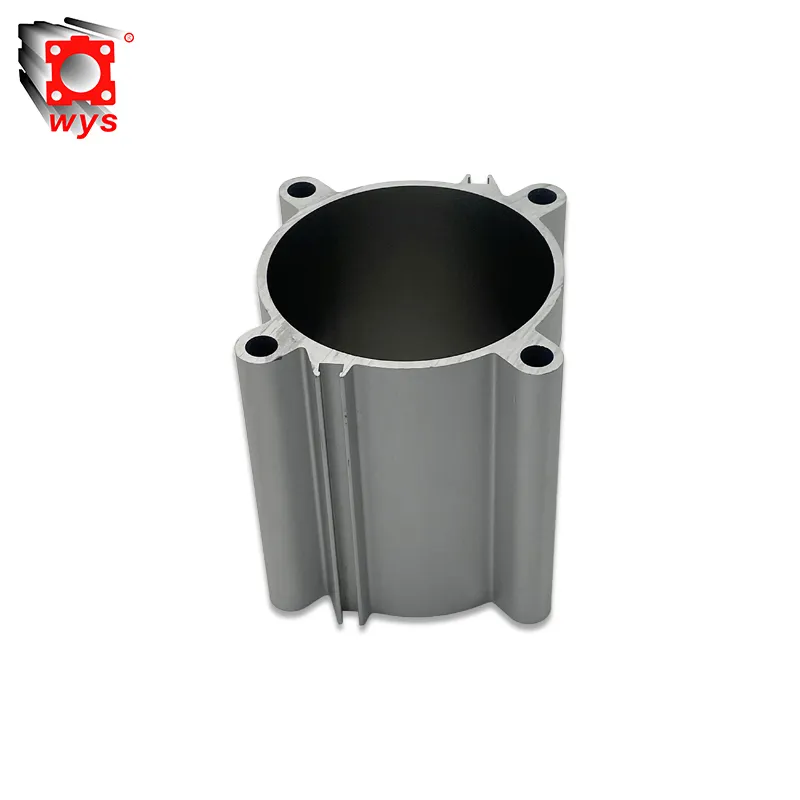
What Exactly Does the Cylinder Bore Diameter Represent?
In the context of pneumatic cylinders, the "bore diameter" typically refers to the diameter of the internal cylindrical chamber—specifically, the inner diameter of the pneumatic cylinder barrel. This parameter directly determines the effective pressure-bearing surface area of the piston.
From a physics standpoint, the cylinder's output force can be calculated using the following formula:
Output Force = Air Pressure × Piston Area
Since the piston area is directly determined by the inner diameter of the pneumatic cylinder barrel, it follows that a larger bore diameter results in a larger piston area; consequently, under identical air pressure conditions, the cylinder is capable of generating a greater thrust force.
This explains why many people intuitively perceive large-bore cylinders as being "more powerful."
However, it is crucial to note that the pneumatic cylinder barrel influences not only the output force but also the overall operational characteristics of the entire pneumatic cylinder system.
Does a Larger Bore Diameter Always Translate to Superior Output Force?
Theoretically speaking, increasing the bore diameter will undoubtedly result in a direct increase in output force. However, in practical applications, whether this constitutes a "better" outcome depends entirely on the specific requirements of the task at hand.
First, if the equipment indeed requires significant thrust—such as for clamping heavy objects or driving large loads—then selecting a pneumatic cylinder with a larger bore size is a logical choice.
However, if the load requirements are not particularly high, blindly opting for a large-bore cylinder can lead to a host of issues:
•Increased energy consumption
•Reduced response speed
•Increased equipment footprint
•Decreased control precision
Therefore, the sizing of the pneumatic cylinder barrel must be carefully matched to actual operating conditions, rather than simply pursuing the largest possible bore size.
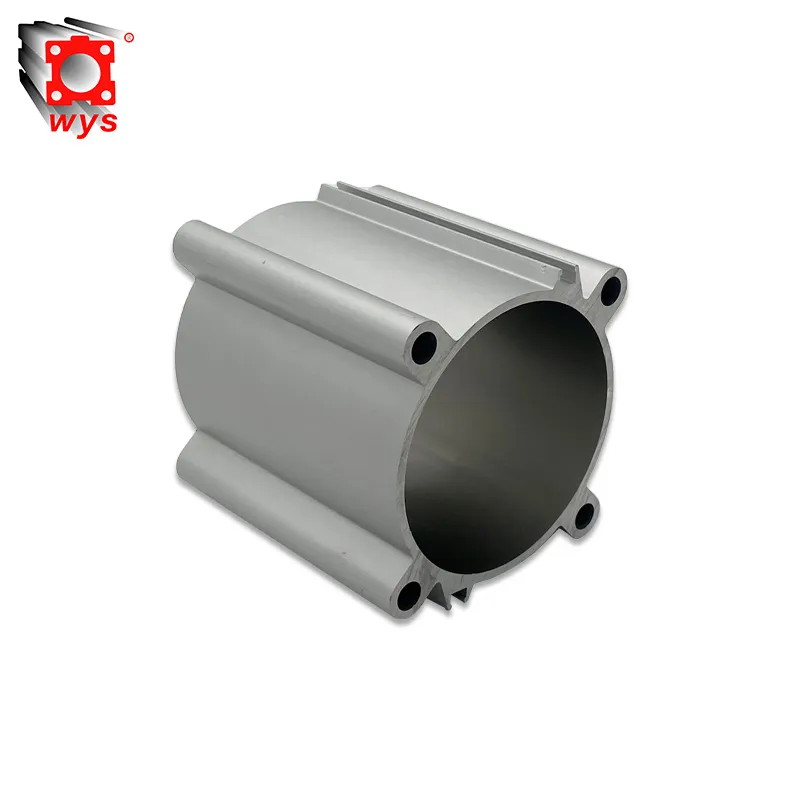
Does a larger pneumatic cylinder tube affect operating speed?
This is a point that many people tend to overlook.
A cylinder's operating speed depends not only on air pressure but is also closely tied to air flow rate and the cylinder's internal volume. Furthermore, the cylinder's volume is determined by the diameter and stroke length of the pneumatic cylinder tube.
When the bore diameter of the pneumatic cylinder tube increases:
•The internal volume of the cylinder expands
•A greater quantity of air is required to fill it
•The gas response time is prolonged
This implies that, under identical air supply conditions, a large-bore cylinder will typically exhibit a slower response speed.
Consequently, in applications where high operating speeds are critical, blindly utilizing a large-diameter pneumatic cylinder barrel may actually compromise equipment efficiency.
Does increasing the bore diameter of the pneumatic cylinder tube lead to higher energy consumption?
The answer is a resounding yes.
A larger pneumatic cylinder tube implies a greater internal volume; thus, with every stroke, a larger quantity of compressed air must be utilized to fill it. This directly results in:
•Increased consumption of compressed air
•A heavier workload for the air compressor
•Higher energy costs
In industrial systems operating continuously over the long term, this disparity in energy consumption becomes highly significant.
Therefore, during the selection process, unless a large-bore pneumatic cylinder tube is absolutely essential, one should endeavor to select the smallest size capable of meeting the specific requirements in order to maximize system efficiency.
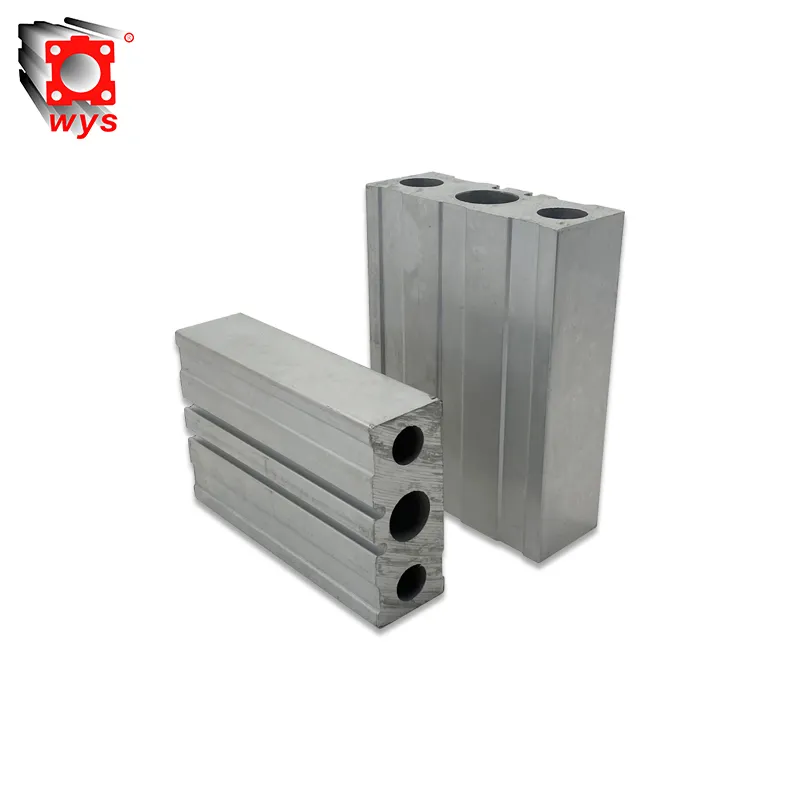
Does a larger pneumatic cylinder barrel impose stricter structural requirements?
As the bore diameter of the pneumatic cylinder tube increases, the complexity and difficulty of its structural design also rise accordingly.
This is primarily manifested in the following aspects:
1.Elevated Strength Requirements
The larger the bore diameter, the greater the surface area of the pneumatic cylinder tube exposed to internal pressure; consequently, the demands placed upon the material's structural strength become significantly higher.
2. Higher Machining Precision Requirements
During the machining process of large-diameter pneumatic cylinder barrels, it is essential to ensure excellent:
•Roundness
•Coaxiality
•Inner wall surface finish
Failure to do so will adversely affect piston movement.
3. Increased Sealing Challenges
As the cylinder bore diameter increases, the sealing contact area expands, placing higher demands on the sealing components.
Consequently, the larger the dimensions of the pneumatic cylinder tube, the more stringent the requirements become regarding manufacturing processes and quality control.
Does a Larger Cylinder Bore Affect Equipment Spatial Layout?
In practical equipment design, available space is often a significant limiting factor.
A large-bore pneumatic cylinder tube typically implies:
•A larger outer diameter
•Heavier weight
•A more complex mounting structure
This can impact the overall machine design—for instance, by:
•Increasing the overall equipment dimensions
•Reducing structural compactness
•Increasing installation difficulty
Therefore, in equipment where space is limited, a large-bore pneumatic cylinder tube may not necessarily be the optimal choice.
Under What Circumstances Should a Larger Pneumatic Cylinder Barrel Be Selected?
Although a large bore is not always superior, in certain situations, it is indeed a necessary choice.
For example:
•When significant thrust force is required
•When operating pressure is restricted
•When the load is heavy
•When the stroke length is long and requires stable output
In these scenarios, appropriately increasing the pneumatic cylinder tube's bore diameter can enhance system stability.
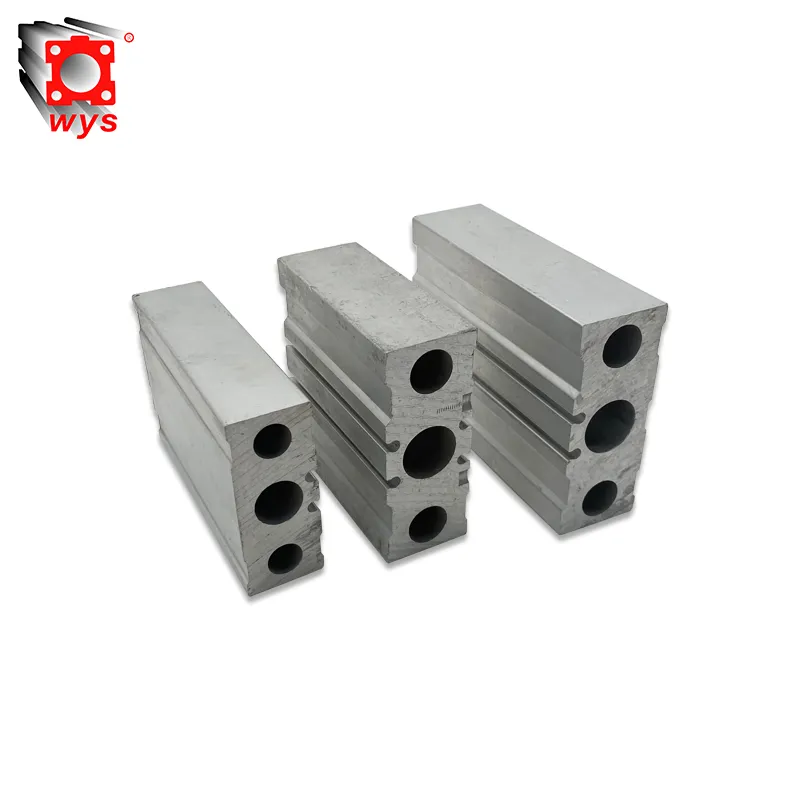
How Should One Rationally Select the Pneumatic Cylinder Barrel Bore Diameter?
In practical engineering applications, selecting the bore diameter for a pneumatic cylinder barrel typically requires a comprehensive consideration of the following factors:
1. Output Force Requirements
Calculate the required thrust force based on the magnitude of the load to determine the appropriate cylinder diameter.
2. Operating Pressure
If the available air pressure is low, a larger cylinder barrel may be required to compensate for the necessary output force.
3. Operating Speed Requirements
If high operating speeds are required, one should avoid using an excessively large cylinder barrel.
4. Installation Space
Structural constraints within the equipment will also influence the selection of the cylinder barrel's dimensions.
5. Energy Consumption Control
In systems designed for long-term operation, priority should be given to energy-efficient designs.
Why is the "Appropriate Bore Diameter" More Important than a "Larger Bore Diameter"?
From an engineering perspective, every mechanical design emphasizes "compatibility" or "matching."
The same principle applies to pneumatic cylinder barrels. A cylinder bore that is too small results in insufficient thrust, whereas one that is too large leads to reduced efficiency and increased costs.
Therefore, the truly rational approach is to:
Select the most appropriate pneumatic cylinder tube size while satisfying all functional requirements.
This design philosophy not only enhances equipment performance but also reduces operating costs.