

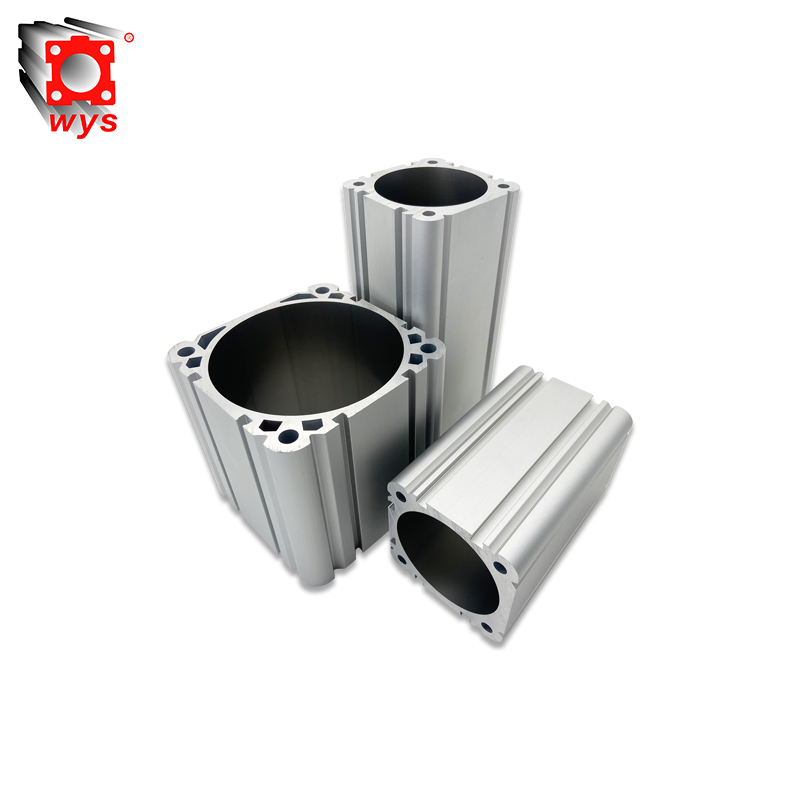
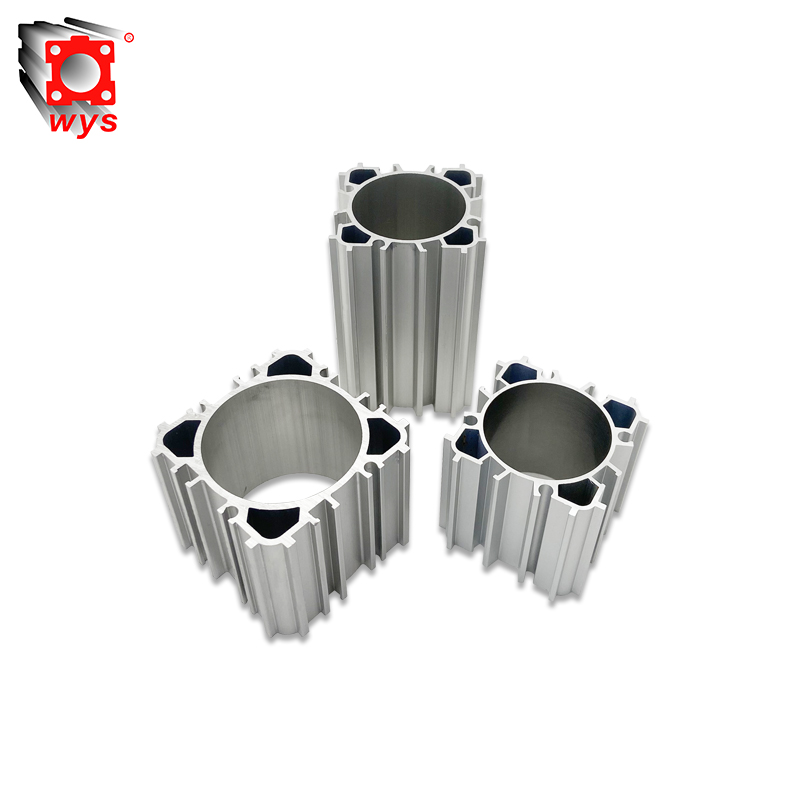
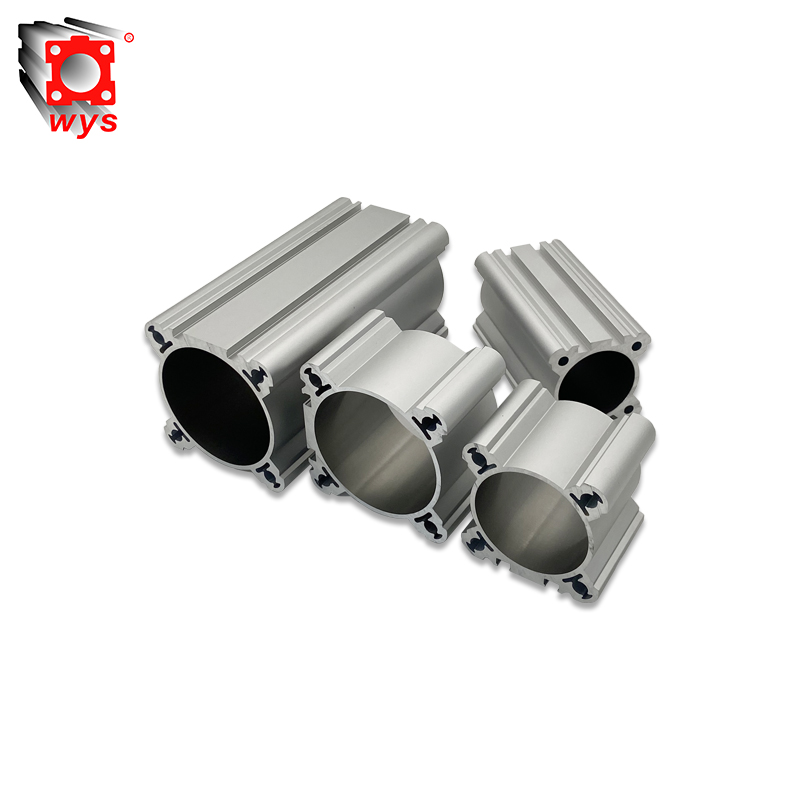
In automated equipment and industrial production systems, pneumatic cylinders are a very common type of actuator. Driven by compressed air, a cylinder causes a piston to perform linear reciprocating motion inside the cylinder barrel, thereby executing various mechanical actions such as pushing, clamping, positioning, and lifting.
Due to their simple structure, rapid response speed, and ease of maintenance, pneumatic systems are widely utilized in automated production lines, packaging machinery, assembly equipment, and various other mechanical systems.
In practical application, many equipment engineers and technicians encounter a common issue: the cylinder's movement speed is insufficient to meet the requirements for production cycle times or overall equipment efficiency. Insufficient cylinder speed not only compromises production efficiency but can also lead to instability in the equipment's operational rhythm.
It is important to note that a cylinder's movement speed is not solely determined by the air supply pressure; it is also closely intertwined with a multitude of other factors, including the pneumatic circuit design, the structure of the cylinder tube, load conditions, and the control components used.
In particular, as the core component governing internal motion, the cylinder barrel—specifically its surface finish, dimensional precision, and material properties—exerts a direct influence on the cylinder's movement speed.
This article will systematically analyze the key factors affecting cylinder movement speed from various perspectives—including pneumatic system architecture, circuit design, cylinder tube performance, and mechanical loading—and will provide a detailed introduction to effective methods for increasing cylinder speed.
What Factors Determine Cylinder Movement Speed?
Before discussing how to increase cylinder movement speed, it is essential to first understand the primary factors that influence it. Only by clearly identifying these factors can one undertake targeted optimization efforts.
Cylinder movement speed is typically influenced by the following aspects:
•Compressed air supply pressure
•Airflow volume
•Pneumatic piping diameter design
•Airflow capacity of pneumatic valves
•Surface finish of the cylinder tube
•Load weight
•Friction generated by piston seals
During cylinder operation, compressed air enters the cylinder barrel to drive the piston's movement. Generally, the faster the air enters the barrel, the faster the piston will move. However, if there is excessive internal friction within the cylinder barrel, or if the resistance within the pneumatic circuit is too high, the cylinder's movement speed will be significantly reduced.
Therefore, increasing cylinder movement speed requires a comprehensive optimization of the entire pneumatic system, rather than simply increasing the air pressure.
Why Does the Pneumatic Cylinder Barrel Affect Cylinder Speed?
Many people believe that cylinder speed depends solely on air pressure; however, the quality and structural design of the pneumatic cylinder barrel also have a significant impact on the cylinder's movement speed.
The pneumatic cylinder tube serves as the guide track for piston movement. As the piston slides inside the barrel, it generates contact friction against the seals. If the inner wall of the barrel exhibits high surface roughness or lacks sufficient machining precision, frictional resistance will increase.
This frictional resistance leads to the following consequences:
•Increased resistance to piston movement
•Reduced cylinder movement speed
•Increased energy loss
•Accelerated wear of seals
High-quality pneumatic cylinder tubes typically possess the following characteristics:
•High-precision inner diameter dimensions
•Low surface roughness
•Excellent roundness and straightness
•Stable material properties
These factors can significantly reduce friction, allowing the piston to move more smoothly within the barrel and thereby enhancing the overall movement speed of the cylinder.
How Can Cylinder Speed Be Increased by Boosting Air Supply Flow?
1. Is the Air Source Flow Sufficient?
Cylinder movement speed depends largely on the rate at which air enters the pneumatic cylinder barrel. If the air supply system lacks sufficient flow capacity—even if the air pressure is high—the cylinder's movement speed may still be sluggish.
Therefore, increasing the air supply flow is one of the key methods for boosting cylinder speed.
Common optimization strategies include:
•Using solenoid valves with higher flow rates
•Minimizing the number of elbows (bends) in the air lines
•Using air tubing with a larger diameter
When compressed air can enter the pneumatic cylinder barrel rapidly, the piston is able to move faster, thereby increasing the cylinder's speed.
2. Is the Air Tubing Sized Appropriately?
If the diameter of the air tubing is too small, it will restrict the airflow. Even if the air source pressure is adequate, the rate at which air enters the pneumatic cylinder tube will remain limited.
In high-speed pneumatic systems, larger-diameter air tubing is typically utilized to minimize flow losses.
How Can Cylinder Speed Be Improved by Optimizing the Exhaust System?
Many people focus solely on the intake speed while overlooking the impact that exhaust speed has on the cylinder's overall movement speed.
When air is being supplied to one side of the cylinder, the air contained within the barrel on the opposing side must be expelled promptly. If exhaust flow is restricted, back pressure builds up, thereby slowing down the piston's movement speed.
Consequently, improving exhaust efficiency can also increase the cylinder's movement speed.
Common methods include:
•Using high-flow exhaust valves
•Reducing resistance in the exhaust piping
•Using quick exhaust valves
Quick exhaust valves allow the air inside the pneumatic cylinder barrel to be vented directly—bypassing the control valve—thereby significantly increasing the cylinder's movement speed.
How can friction be reduced to increase cylinder movement speed?
1. Is the surface quality of the pneumatic cylinder tube adequate?
The surface quality of the pneumatic cylinder tube has a profound impact on friction. If the inner wall of the cylinder barrel has a high surface roughness, it will generate significant frictional resistance between the seals and the barrel wall.
High-quality pneumatic cylinder barrels typically undergo the following processing techniques:
•Precision broaching
•Inner wall polishing
•Anodizing
These processing techniques can significantly reduce friction, allowing the piston to move more smoothly within the pneumatic cylinder tube.
2. Is the friction caused by the seals excessive?
Poorly designed seals can also increase friction. Excessive friction reduces the cylinder's movement speed and increases energy loss.
To increase cylinder movement speed, low-friction sealing materials are typically employed, such as:
•Polyurethane seals
•PTFE seals
These materials help reduce friction between the piston and the pneumatic cylinder barrel.
How can the load be reduced to increase cylinder movement speed?
When a cylinder pushes a load, the weight of the load directly affects the movement speed.
When the load is heavy, the cylinder requires greater thrust; consequently, the movement speed may decrease.
To increase cylinder movement speed, the following methods can be considered:
•Reducing the weight of moving components
•Optimizing the mechanical design
•Minimizing unnecessary mechanical resistance
By reducing the load, the piston can move faster within the pneumatic cylinder barrel.
Does the cylinder's stroke length affect its movement speed?
The stroke length of the cylinder also influences the overall cycle time.
If the cylinder has a long stroke, even if the piston moves rapidly within the cylinder barrel, completing the entire stroke will still require a longer duration. Therefore, during the equipment design process, overall motion efficiency can be enhanced by optimizing the cylinder stroke.
Common methods include:
•Shortening the cylinder stroke
•Adjusting the mechanical structure
•Implementing multi-stage motion designs
These methods reduce the distance the piston travels within the pneumatic cylinder tube, thereby increasing the equipment's overall cycle rate.
How can cylinder motion speed be increased by selecting high-quality pneumatic cylinder tubes?
The quality of the pneumatic cylinder barrel has a profound impact on the cylinder's motion performance.
High-quality pneumatic cylinder barrels typically possess the following characteristics:
•High-precision internal diameter dimensions
•Low surface roughness
•High-strength materials
•Excellent wear resistance
These attributes minimize frictional resistance as the piston moves within the cylinder barrel, resulting in smoother cylinder operation.
Furthermore, high-quality pneumatic cylinder tubes offer the following additional advantages:
•Enhanced cylinder motion stability
•Reduced energy loss
•Extended equipment service life
Consequently, when designing high-speed pneumatic systems, selecting a premium-quality pneumatic cylinder barrel is a critical step.
Why is Weiyingjia considered a trustworthy manufacturer?
Since 2007, Weiyingjia has specialized in aluminum alloy pneumatic cylinders and related components. With a team of over 100 technical staff, advanced testing equipment, and multiple production lines, we ensure that every product adheres to rigorous quality standards. Buyers who choose our factory for wholesale or branded procurement gain access to pneumatic components that are durable, energy-efficient, and precision-engineered. Weiyingsi stands as a trusted supplier with a long-standing reputation for delivering high-quality products at competitive prices.