

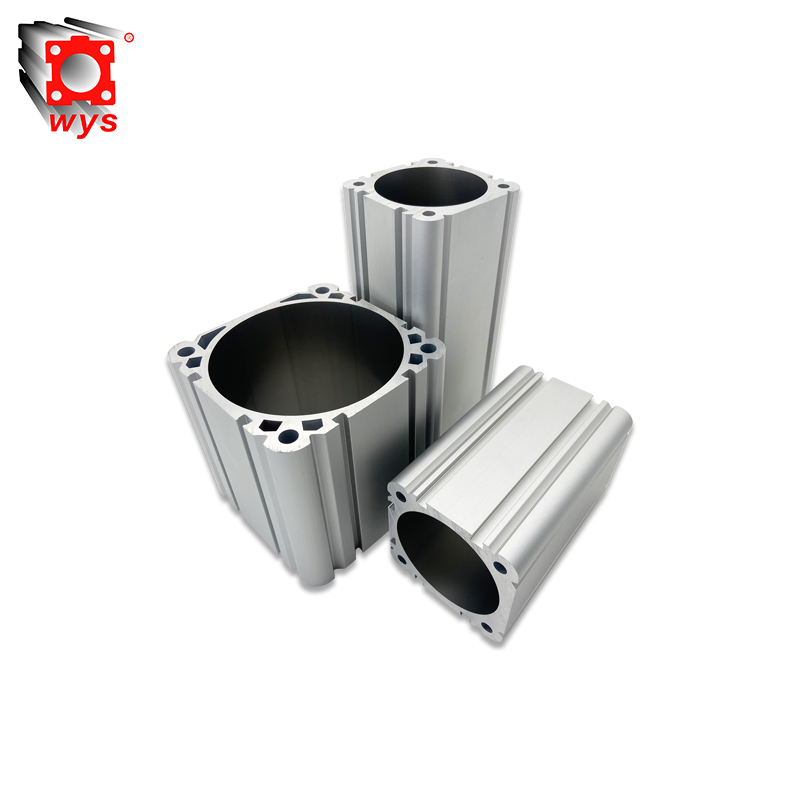
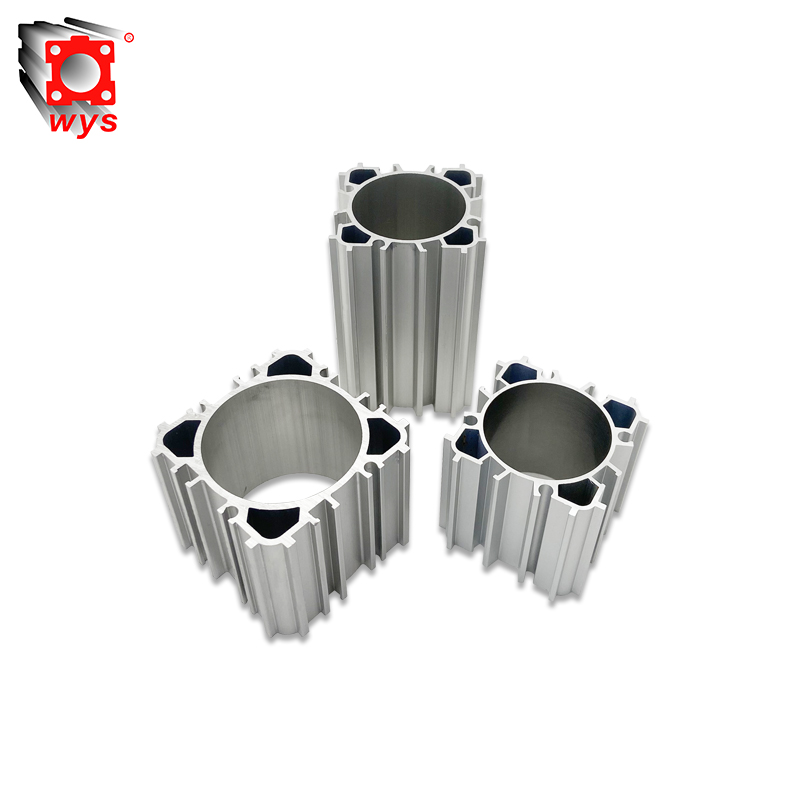
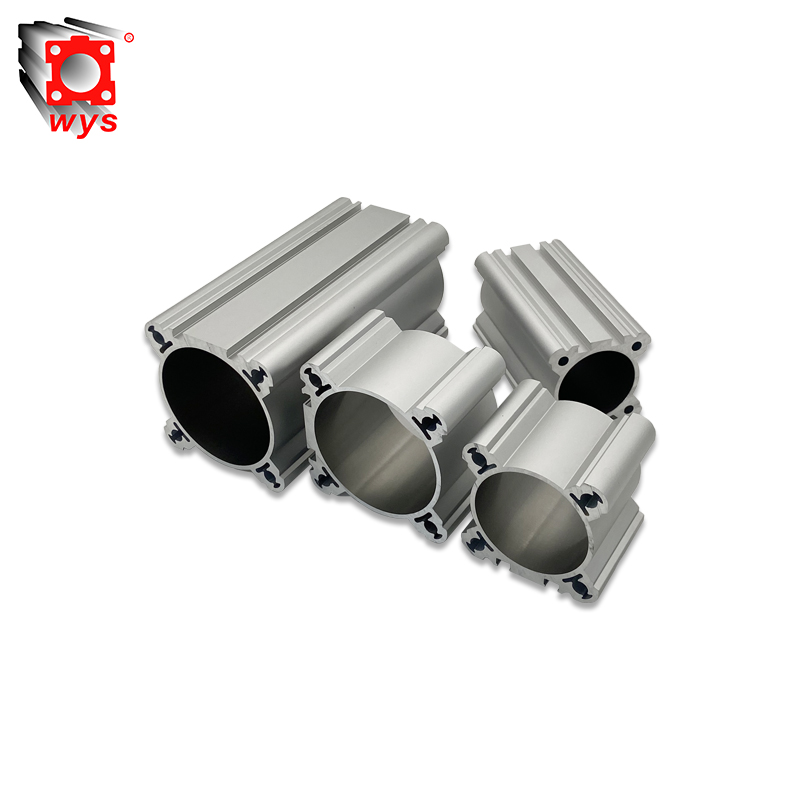
In industrial automation equipment, pneumatic systems are widely utilized due to their simple structure and reliable operation. Among pneumatic actuating components, the pneumatic cylinder barrel constitutes one of the most critical structural elements. The cylinder barrel not only serves the function of containing the pressurized compressed air but also provides a stable space for piston movement; consequently, its operational condition directly impacts the overall performance and reliability of the entire pneumatic cylinder.
Under normal design conditions, a pneumatic cylinder tube can boast a relatively long service life. However, during actual operation, many pieces of equipment encounter issues such as premature wear of the cylinder barrel, degradation of sealing performance, or even structural damage.
Consequently, many equipment maintenance personnel frequently raise a crucial question:
Which factors are most likely to shorten the service life of a pneumatic cylinder barrel?
The longevity of a pneumatic cylinder tube is not determined by a single factor, but rather by the combined influence of multiple variables, including the operating environment, air source quality, lubrication status, mechanical load, and installation precision.
This article will provide a systematic analysis of this issue, aiming to help readers gain a comprehensive understanding of the key factors that influence the lifespan of a pneumatic cylinder barrel.
Why is the Service Life of a Pneumatic Cylinder Barrel So Important?
The pneumatic cylinder barrel serves as the main body of the cylinder structure, and its primary functions include:
•Withstanding the pressure of compressed air
•Providing linear guidance for piston movement
•Maintaining the internal sealed space of the cylinder
•Ensuring the stability of piston movement
If the pneumatic cylinder tube suffers from severe wear or deformation, it may lead to:
•Unstable piston movement
•Increased air leakage
•Reduced lifespan of sealing components
•A decline in the overall performance of the cylinder
Therefore, the service life of the pneumatic cylinder tube is directly linked to the reliability of the entire pneumatic system.
Does Poor Air Quality Shorten the Lifespan of a Pneumatic Cylinder Barrel?
Air quality issues constitute one of the most common factors affecting the lifespan of a pneumatic cylinder barrel.
Pneumatic systems utilize compressed air as their power medium; however, compressed air often contains various contaminants, such as:
•Moisture
•Dust particles
•Metal particles
•Oil residue
If the air source filtration system is inadequate, these impurities can infiltrate the interior of the pneumatic cylinder barrel. When impurities enter the pneumatic cylinder barrel, they may cause the following effects:
•Scratching of the cylinder barrel's inner wall
•Increased piston friction
•Accelerated wear of seals
After prolonged operation, the surface roughness of the cylinder barrel's inner wall increases, thereby significantly shortening its service life.
Does insufficient lubrication accelerate wear in the pneumatic cylinder barrel?
Lubrication conditions have a significant impact on the service life of a pneumatic cylinder barrel.
In pneumatic systems, the piston and seals undergo reciprocating motion against the inner wall of the cylinder barrel. If lubrication conditions are inadequate, frictional forces will increase significantly.
Insufficient lubrication may lead to:
•Accelerated wear of piston seals
•Scratches on the inner wall of the cylinder barrel
•Elevated temperatures
When the inner wall of the cylinder barrel suffers from wear, both its sealing performance and guiding performance deteriorate, thereby shortening the cylinder barrel's service life.
What are the effects of operating the pneumatic cylinder tube under overload conditions?
Pneumatic cylinder tubes are typically designed with strength calculations based on system pressure and load requirements. If the equipment operates under a continuous overload state for an extended period, it may subject the cylinder barrel to additional stress.
Overload operation may give rise to the following issues:
•Localized deformation of the cylinder barrel
•Increased resistance to piston movement
•Uneven force distribution on the seals
These factors accelerate internal wear within the cylinder barrel, thereby shortening its service life.
Does improper installation affect the service life of the pneumatic cylinder barrel?
The precision of the pneumatic cylinder barrel's installation has a significant impact on its operational lifespan.
If the installation process involves the following issues:
•Misalignment of the cylinder during installation
•Misalignment between the piston rod and the load mechanism
•Unstable mounting brackets
It may result in the generation of eccentric forces as the piston moves within the cylinder barrel.
These eccentric forces can cause:
•Localized wear on the inner wall of the cylinder barrel
•Uneven force distribution on the seals
•Unstable piston movement
After prolonged operation, the wear on the pneumatic cylinder barrel will become significantly more severe.
Does internal corrosion shorten the service life of the pneumatic cylinder tube?
If moisture within compressed air is not effectively removed, it can lead to the formation of condensation inside the pneumatic system.
When moisture enters the pneumatic cylinder tube, it can cause corrosion.
Corrosion of the pneumatic cylinder tube typically manifests as:
•Rusting of the inner wall
•Increased surface roughness
•Degraded sealing performance
Once the inner wall of the pneumatic cylinder tube becomes corroded, the frictional resistance to piston movement increases, thereby accelerating the wear of the cylinder barrel.
Does excessive operating speed affect the lifespan of the pneumatic cylinder tube?
The operating speed of the cylinder is also a significant factor influencing the lifespan of the pneumatic cylinder tube.
When the piston speed inside the pneumatic cylinder barrel is excessively high, the following effects may occur:
•Increased friction frequency
•Elevated temperatures of sealing components
•Increased piston impact force
Particularly at the end of the stroke, if the pneumatic cylinder barrel lacks adequate cushioning mechanisms, the piston striking the end cap can generate substantial impact forces.
Such impact forces impose additional structural loads on the pneumatic cylinder tube, thereby shortening its service life.
Does damage to sealing components affect the lifespan of the pneumatic cylinder tube?
The internal sealing components of the pneumatic cylinder tube are in direct contact with the inner wall; therefore, the condition of these seals has a direct impact on the cylinder barrel.
If the sealing components are damaged, the following issues may arise:
•Ingress of hard particles into the sealing interface
•Uneven friction
•Abnormal piston movement
These issues can lead to localized wear on the inner wall of the pneumatic cylinder barrel, thereby compromising its service life.
Consequently, during the maintenance of a pneumatic system, the condition of the sealing components is a critical item that requires close inspection.
Does the ambient temperature affect the lifespan of the pneumatic cylinder tube?
The operating environment temperature also influences the service life of the pneumatic cylinder tube.
If the pneumatic cylinder tube is subjected for prolonged periods to:
•High-temperature environments
•Low-temperature environments
It may adversely affect the material properties.
For example:
•High temperatures can accelerate the aging of sealing components
•Low temperatures can cause material embrittlement
These changes indirectly affect the operational stability and service life of the pneumatic cylinder tube.
How can the service life of the pneumatic cylinder barrel be extended?
To extend the service life of a pneumatic cylinder barrel, maintenance and management can be carried out in the following key areas:
1. Maintain Air Cleanliness
Utilize high-efficiency filtration devices to minimize the ingress of impurities into the interior of the pneumatic cylinder barrel.
2. Control Lubrication Status
Ensure that the pneumatic system maintains appropriate lubrication conditions to reduce friction.
3. Ensure Proper Cylinder Installation
Verify that the pneumatic cylinder barrel remains in proper alignment with the load mechanism.
4. Regulate Operating Speed
Avoid operating the pneumatic cylinder barrel at excessive speeds.
5. Conduct Regular Seal Inspections
Promptly replace worn seals to prevent damage to the inner wall of the pneumatic cylinder tube.
Can Weiyingjia provide complete pneumatic cylinder solutions?
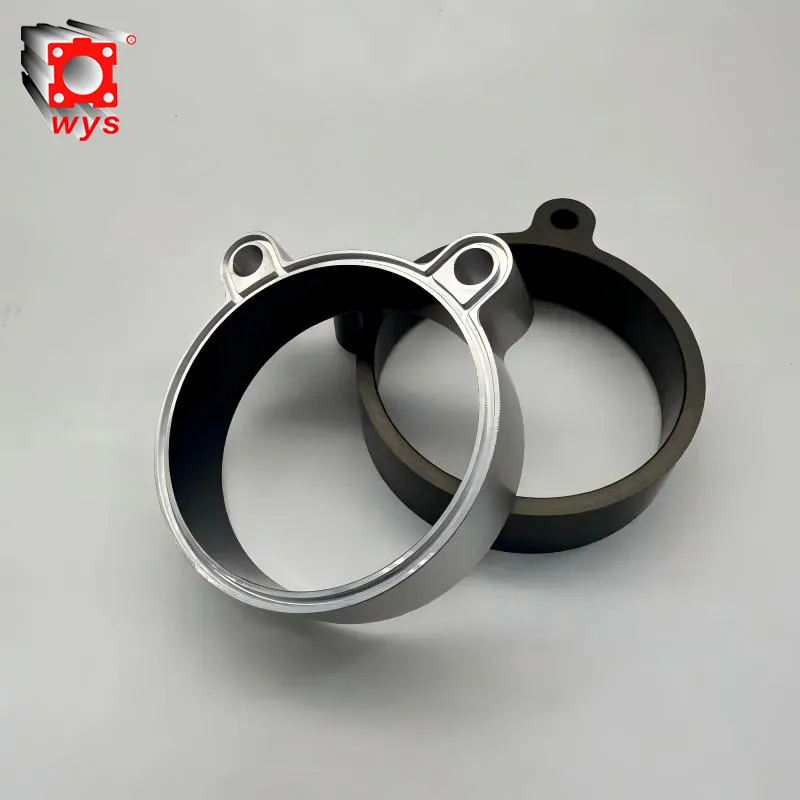
Yes. Weiyingjia offers a full range of pneumatic components, including cylinder barrels, kits, liners, and seal rings. Our factory—spanning 10,000 square meters and housing six production lines—ensures that every component meets high standards of durability, precision, and efficiency. Companies placing bulk or wholesale orders with Weiyingjia can rely on our brand, Weiyingsi, for high-quality products, competitive pricing, and professional support throughout the entire purchasing process.