

In industrial automation equipment, the pneumatic cylinder barrel, as the core pressure-bearing structure of the cylinder, often operates in environments involving dust, water vapor, oil mist, and even liquid splashes. Therefore, "Is a pneumatic cylinder barrel waterproof? How well does it seal?" is a major concern for many equipment engineers and purchasing personnel.
To accurately answer this question, we must analyze it from multiple perspectives, including structural design, sealing system, material properties, and installation conditions.
It's important to clarify that whether the pneumatic cylinder tube itself is waterproof cannot be simply summarized as "yes" or "no," but should be judged in conjunction with its structural form and the overall cylinder sealing design.
This article will provide a systematic analysis of the waterproof capability and sealing performance of the pneumatic cylinder barrel, helping you build a clear and professional technical understanding.
Is the pneumatic cylinder barrel itself a waterproof structure?
First, it's crucial to distinguish a key concept: the structure of the pneumatic cylinder barrel itself is not entirely equivalent to the overall cylinder sealing system.
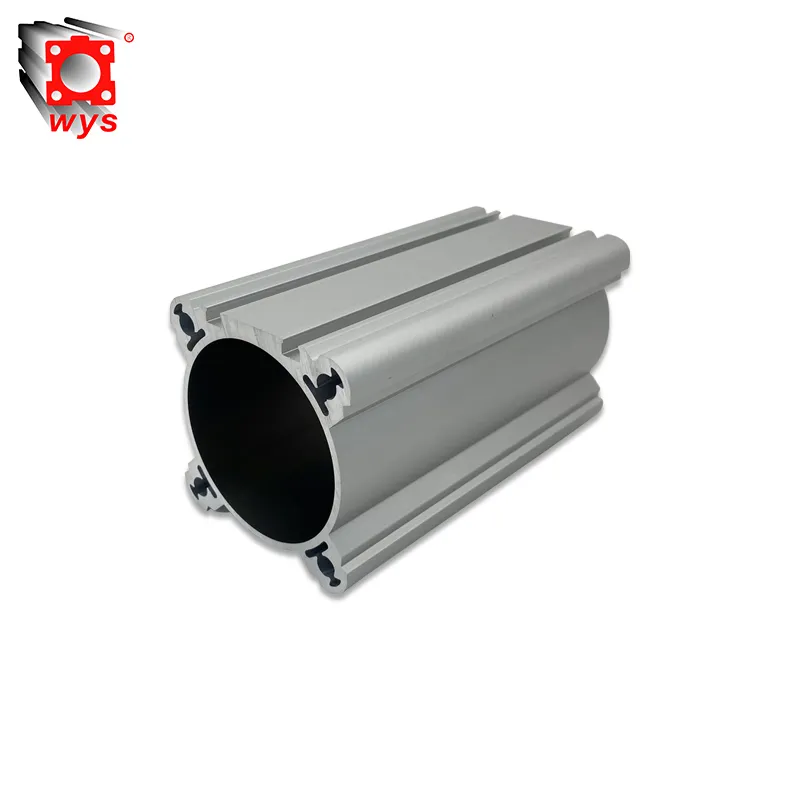
From a structural perspective, a pneumatic cylinder barrel is typically:
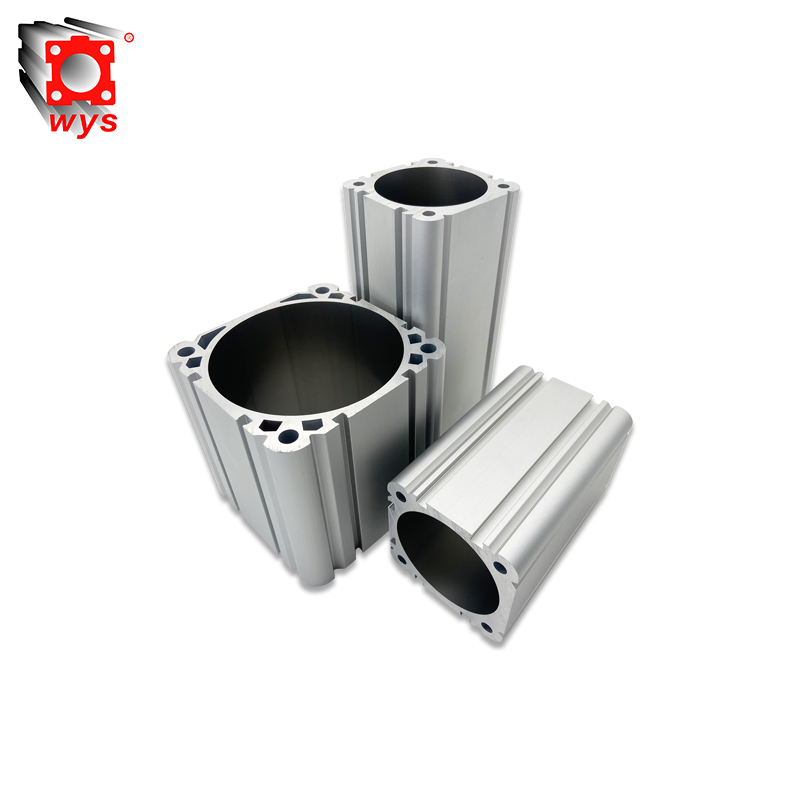
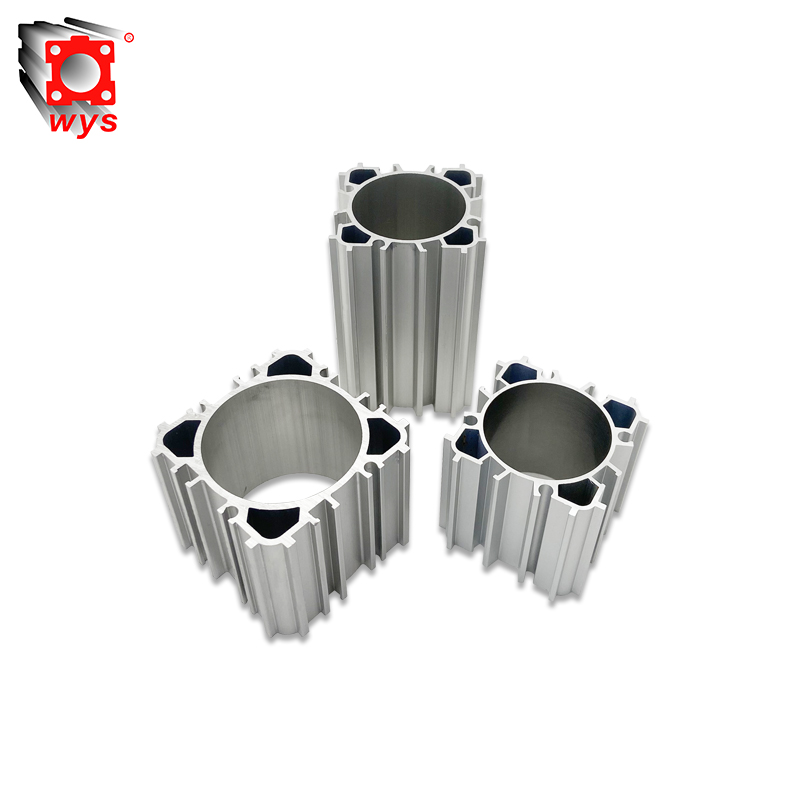
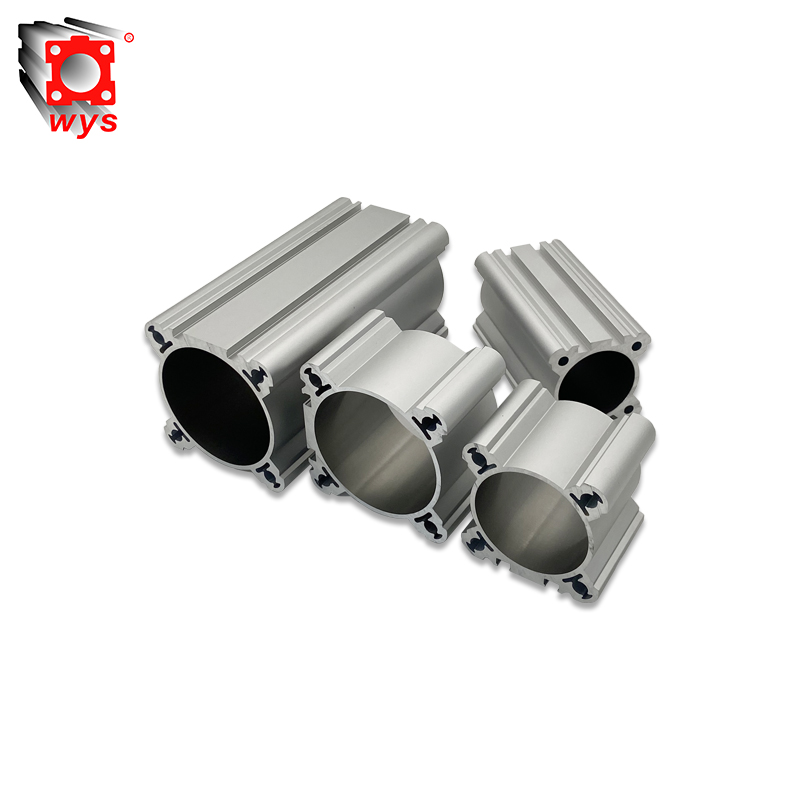
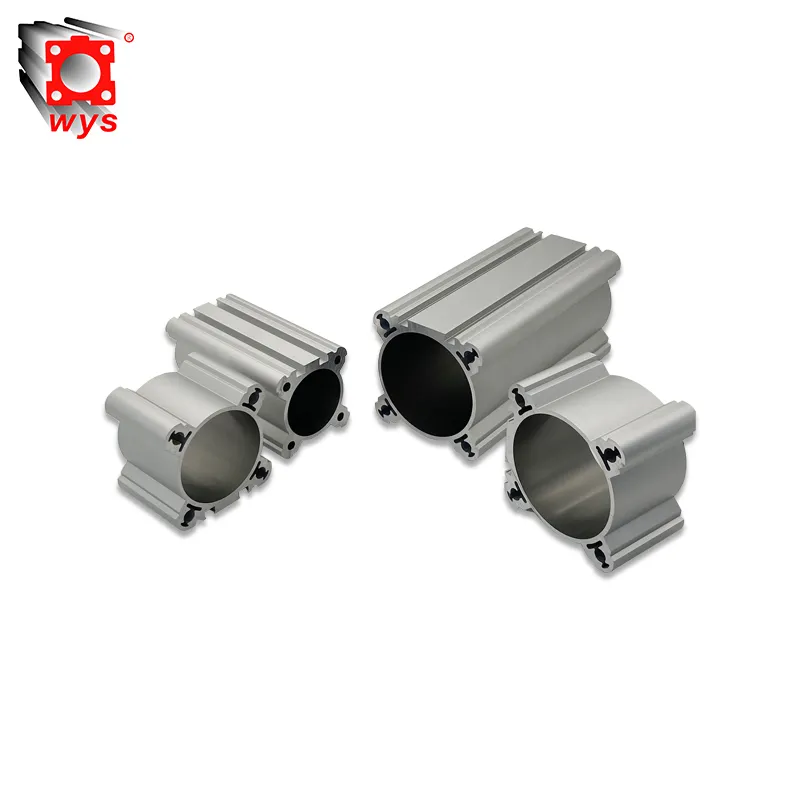
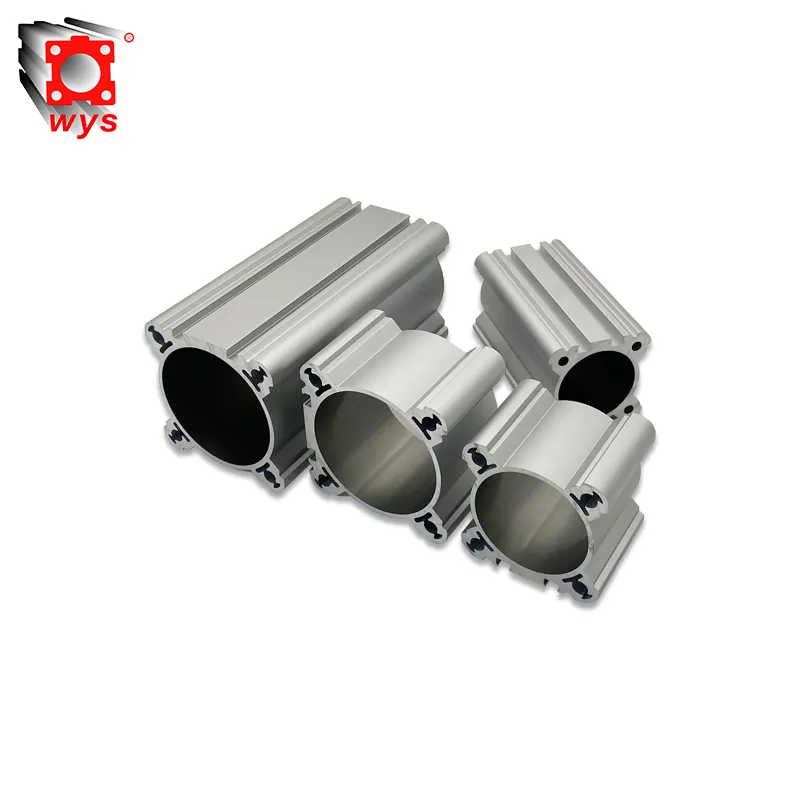
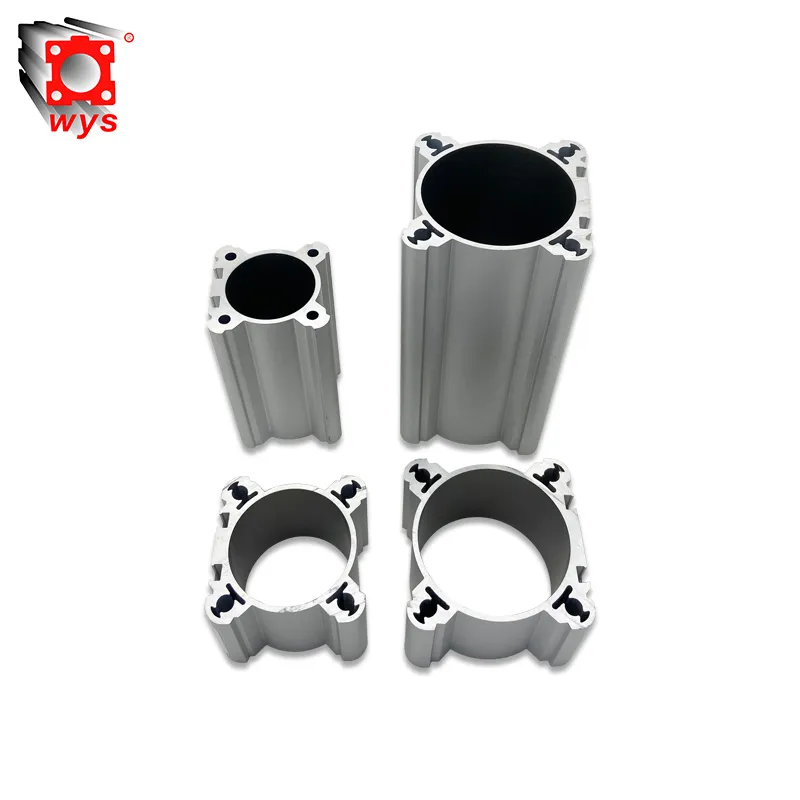
• Constructed from extruded aluminum alloy profiles or seamless tubing
• Precision-machined inner walls
• Connected at both ends via end caps
Individually, the pneumatic cylinder barrel itself is a closed cylindrical structure without holes or gaps, thus the material itself possesses a certain degree of water resistance.
However, whether a pneumatic cylinder barrel truly possesses "waterproof functionality" depends crucially on:
• The sealing of the connection between the end caps and the pneumatic cylinder tube
• The sealing design of the piston rod protrusion point
• The sealing of the air intake and exhaust ports
In other words, the pneumatic cylinder tube material itself does not absorb or leak water, but its overall waterproofness depends on the integrity of the sealing system.
Can water get inside a pneumatic cylinder barrel?
Theoretically, the interior of a pneumatic cylinder barrel is an airtight space used to contain compressed air to drive the piston. Under normal design and installation conditions, external moisture should not enter the interior of the pneumatic cylinder barrel.
However, the actual situation may be affected by the following factors:
1. Moisture in the Air Source
If compressed air is not adequately dried, it can carry moisture into the pneumatic cylinder barrel. This moisture is not from external seepage, but rather enters through the air source.
2. External Spraying or Washing
If the pneumatic cylinder barrel is in a high-humidity or washing environment, and the end cap is not properly sealed, external water may enter through the seams.
3. Aging Seals
When the seals of the pneumatic cylinder barrel are aged, deformed, or damaged, the overall sealing level will decrease, thus increasing the risk of water ingress.
Therefore, whether a pneumatic cylinder barrel becomes waterlogged is not determined by the materials used, but rather by the sealing structure and the quality of the air source.
How is the sealing performance of the pneumatic cylinder tube achieved?
The sealing of a pneumatic cylinder tube is not achieved by a single structure, but rather by a multi-layered sealing system:
1. End Cap to Pneumatic Cylinder Barrel Connection Seal
The connection between the end cap and the pneumatic cylinder barrel typically uses:
• O-rings
• Flat sealing rings
• Mechanical clamping structures
These seals prevent gas leakage and also block moisture ingress from the end.
2. Piston Sealing System
The piston inside the pneumatic cylinder barrel is equipped with sealing rings to:
• Separate the front and rear chambers
• Prevent compressed air leakage
• Maintain stable thrust
A good piston sealing structure helps maintain stable internal pressure within the pneumatic cylinder barrel.
3. Piston Rod Dust and Water Seal
The point where the piston rod exits the pneumatic cylinder tube is a critical weak point in the seal. It typically includes:
• Dust rings
• Sealing lip rings
• Scraper rings
These structures prevent water droplets, dust, and impurities from entering the pneumatic cylinder tube. Therefore, the sealing performance of a pneumatic cylinder barrel is a complete system, not just a function of a single structure.
What level of waterproofing can a pneumatic cylinder tube achieve?
The waterproofing capability of a pneumatic cylinder tube is usually not described as "completely waterproof," but rather assessed based on the overall protection rating (such as IP rating).
General industrial-grade pneumatic cylinder tubes, under standard installation conditions, can resist:
• Daily air humidity
• Occasional water droplets
• Light splashes
However, if prolonged immersion or high-pressure washing is required, a special sealing design is necessary.
It is important to emphasize that a standard pneumatic cylinder tube is not equivalent to a completely waterproof device. If the environment involves large water flows or continuous spraying, sealing requirements must be clearly defined during the selection phase.
What factors determine the sealing performance of a pneumatic cylinder tube?
To evaluate the sealing performance of a pneumatic cylinder tube, consider the following core factors:
1. Seal Material
The seal material determines:
• Water resistance
• Aging resistance
• Compression resilience
Inappropriate material selection directly affects the long-term sealing performance of the pneumatic cylinder tube.
2. Machining Precision
The roundness, straightness, and surface roughness of the pneumatic cylinder barrel's inner wall directly affect the seal's fit.
Insufficient machining precision will compromise sealing performance even with high-quality seals.
3. Assembly Quality
Uneven preload of end cap bolts or improper seal installation can cause water or air leakage in the pneumatic cylinder barrel.
4. Operating Pressure
Excessively high or low operating pressures will affect the sealing performance of the pneumatic cylinder barrel.
Is the pneumatic cylinder tube reliable in humid environments?
The pneumatic cylinder tube body is typically made of aluminum alloy, which has good corrosion resistance. After anodizing, the inner and outer walls possess the following properties:
• Antioxidant capabilities
• Good surface hardness
• Good water resistance
Therefore, under normal humidity conditions, the pneumatic cylinder tube body will not be rapidly damaged by moisture.
However, the following should be noted:
• Long-term high humidity environments may accelerate seal aging
• Condensation may form inside the pneumatic cylinder tube
Therefore, the reliability of the pneumatic cylinder tube in humid environments depends not only on the materials but also on the dryness of the air source and the maintenance of the seals.
What are the effects of water ingress into the pneumatic cylinder barrel?
Once moisture enters the pneumatic cylinder barrel, the following problems may occur:
• Increased piston movement resistance
• Seal expansion or aging
• Internal wall corrosion
• Unstable thrust
Although the pneumatic cylinder barrel body has a certain degree of corrosion resistance, long-term moisture retention can still affect its lifespan and performance.
Therefore, keeping the inside of the pneumatic cylinder barrel dry is crucial to ensuring sealing and stability.
How to determine if the sealing performance of a pneumatic cylinder barrel is good?
The following technical indicators can be used to assess pneumatic cylinder barrel performance:
• Is there a hissing or hissing sound?
• Is the thrust stable?
• Is the piston movement smooth?
• Are there any air bubbles or water seepage?
If the pneumatic cylinder barrel shows obvious leakage or water seepage, the sealing system should be checked immediately.
Does the pneumatic cylinder tube require additional waterproofing measures?
In certain special environments, additional measures can be taken to enhance the waterproofing capabilities of the pneumatic cylinder tube, such as:
• Adding a protective cover
• Using waterproof joints
• Improving the sealing rating
• Adding a drainage structure
These measures are not standard features of the pneumatic cylinder barrel, but rather systematic enhancements based on environmental requirements.
Is the pneumatic cylinder barrel waterproof? How well does it seal?
The following conclusions can be drawn:
1. The pneumatic cylinder barrel body material has water resistance, but its waterproofing depends on the overall sealing structure.
2. A standard pneumatic cylinder barrel can resist general humidity and water droplets, but this is not equivalent to complete immersion protection.
3. The sealing performance of a pneumatic cylinder barrel is achieved through a combination of end cap seals, piston seals, and piston rod seals.
4. Sealing materials, machining precision, and assembly quality all affect the waterproof capability of a pneumatic cylinder barrel.
5. In environments with high humidity or where there is spraying, the sealing design should be strengthened during the selection phase.
Therefore, whether a pneumatic cylinder barrel is waterproof and how well it seals is not determined by a single factor, but rather by the combined effects of materials, structure, and usage conditions.
What sets Weiyingjia apart from other suppliers?
Weiyingjia stands out due to its 15+ years of experience, advanced production lines, and strict quality control measures. Our factory produces aluminum alloy pneumatic cylinder barrels, kits, liners, and seals with precision machining, polishing, and hard anodizing. Buyers purchasing from Weiyingjia gain access to durable, high-quality products at competitive prices.