

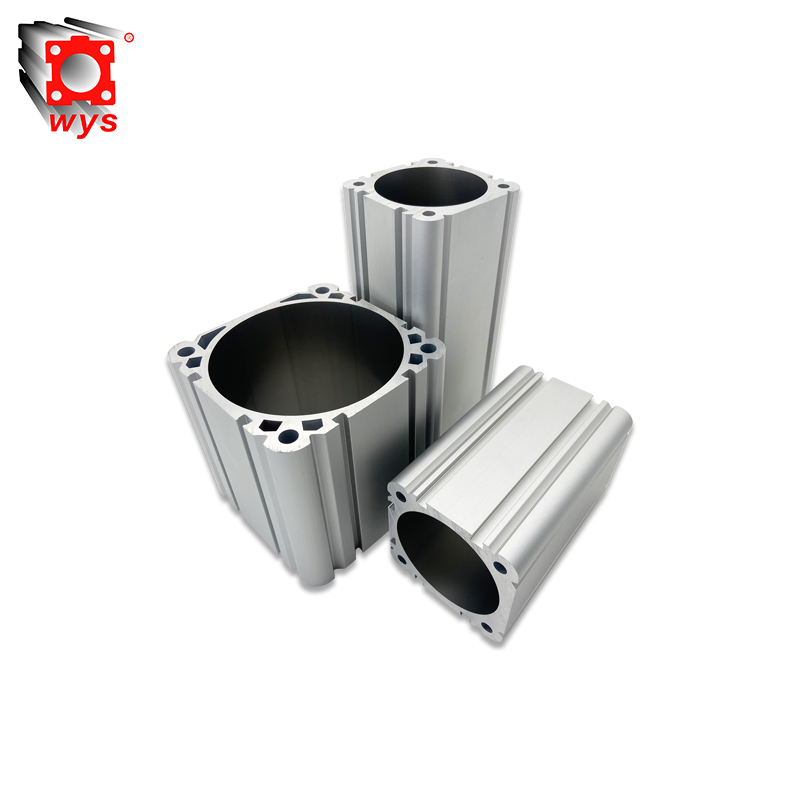
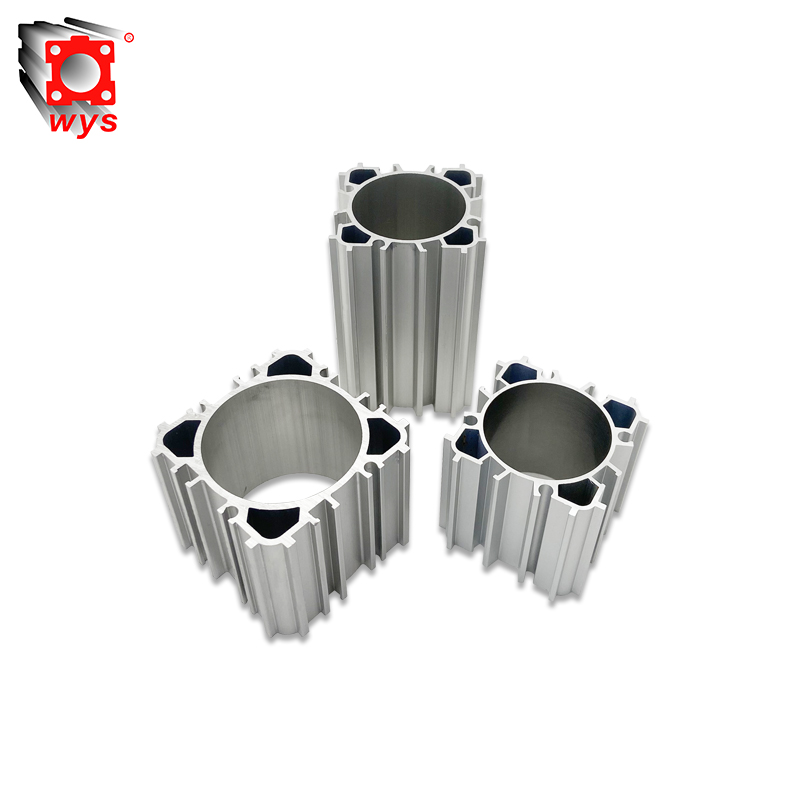
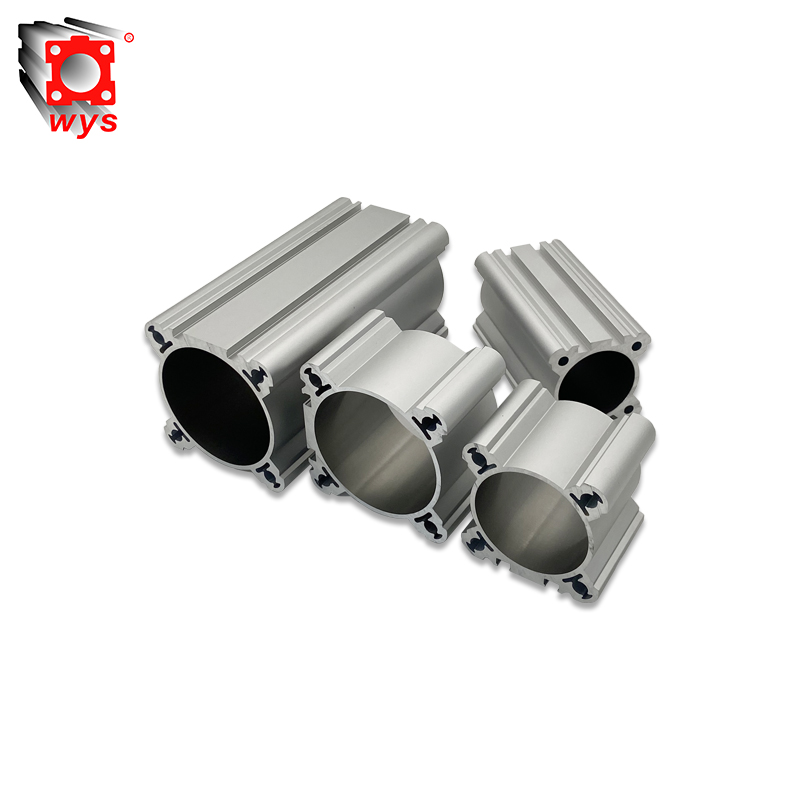
In the field of industrial automation, pneumatic systems are widely utilized in various types of production equipment due to their advantages, such as rapid response, simple structure, and ease of maintenance. Within these pneumatic systems, the pneumatic cylinder serves as the core actuating component, bearing the critical responsibility of converting compressed air into mechanical motion. In this process, the pneumatic cylinder tube—acting as the main structural body of the cylinder—has a machining quality that directly determines the overall performance of the cylinder.
Many people might assume that a pneumatic cylinder tube is merely a cylindrical metal pipe and, therefore, not particularly difficult to manufacture. However, in actual engineering practice, the pneumatic cylinder tube is a critical component that demands extremely high machining precision. Whether it concerns inner wall roughness, roundness, straightness, or dimensional tolerances, any of these factors can have a profound impact on the operation of the cylinder.
So, why exactly does the pneumatic cylinder barrel require high-precision machining? In what specific aspects is this high precision manifested? And what consequences would result from insufficient precision? This article will address these questions by providing a detailed analysis from multiple perspectives, including structural principles, performance implications, and manufacturing requirements.
Why Do the Functions of the Pneumatic Cylinder Tube Mandate High Precision?
To understand why the pneumatic cylinder barrel requires high-precision machining, one must first clearly define its functions.
The pneumatic cylinder tube is not merely a chamber housing the piston; it also fulfills the following critical roles:
•Providing a sealed working environment for the gas
•Guiding the piston to execute linear motion
•Withstanding internal gas pressure
•Forming a sealing interface in conjunction with the seals
These functions dictate that the pneumatic cylinder tube must possess a high degree of dimensional accuracy and surface quality.
If the machining precision of the pneumatic cylinder tube is insufficient, it may lead to:
•Gas leakage
•Unstable piston movement
•Damage to the seals
•A decline in cylinder efficiency
Therefore, from a functional standpoint, high-precision machining is a fundamental requirement for the pneumatic cylinder barrel, rather than merely an optional add-on.
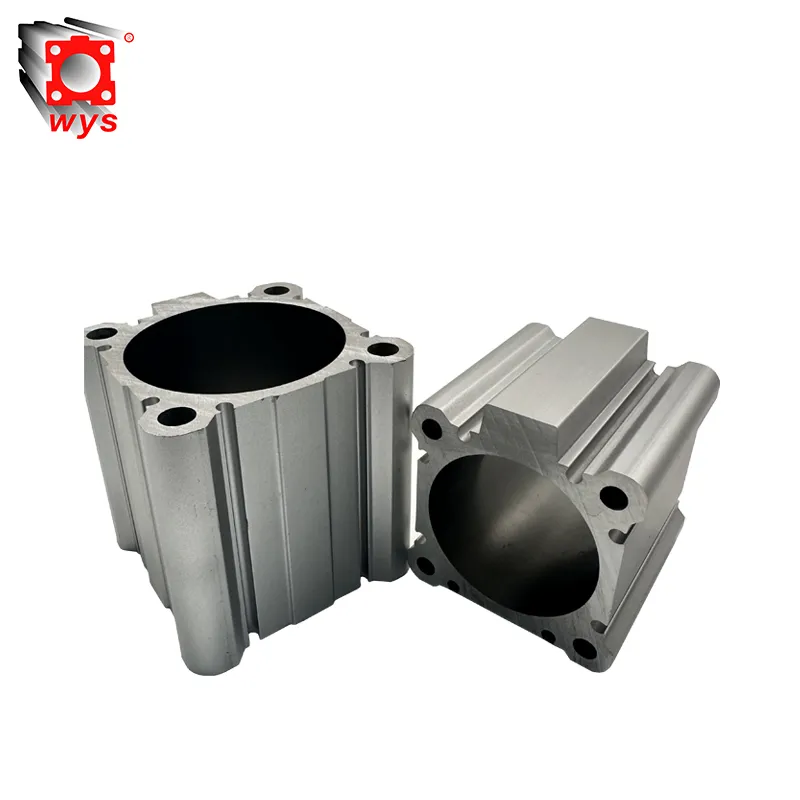
Why Is the Inner Wall Roughness of the Pneumatic Cylinder Tube So Critical?
Among the various parameters defining the machining precision of a pneumatic cylinder barrel, the inner wall roughness stands as one of the most critical indicators.
The inner wall of the pneumatic cylinder barrel constitutes the surface that comes into direct contact with the piston and the seals; consequently, its surface finish directly influences the frictional conditions within the cylinder.
If the inner wall of a pneumatic cylinder tube exhibits high surface roughness, the following issues may arise:
•Increased frictional resistance
•Irregular or jerky piston movement
•Accelerated wear of sealing components
Conversely, when the inner wall of a pneumatic cylinder barrel undergoes high-precision machining, its surface becomes significantly smoother; this facilitates the formation of a stable lubricating film, thereby reducing friction.
Furthermore, a smooth inner wall enhances sealing effectiveness, making it easier to retain the gas within the cylinder.
Consequently, controlling the roughness of the inner wall is a critical aspect of the high-precision machining of pneumatic cylinder barrels.
Why are Roundness and Straightness Crucial for Pneumatic Cylinder Tubes?
In addition to surface quality, the geometric precision of a pneumatic cylinder tube is equally critical.
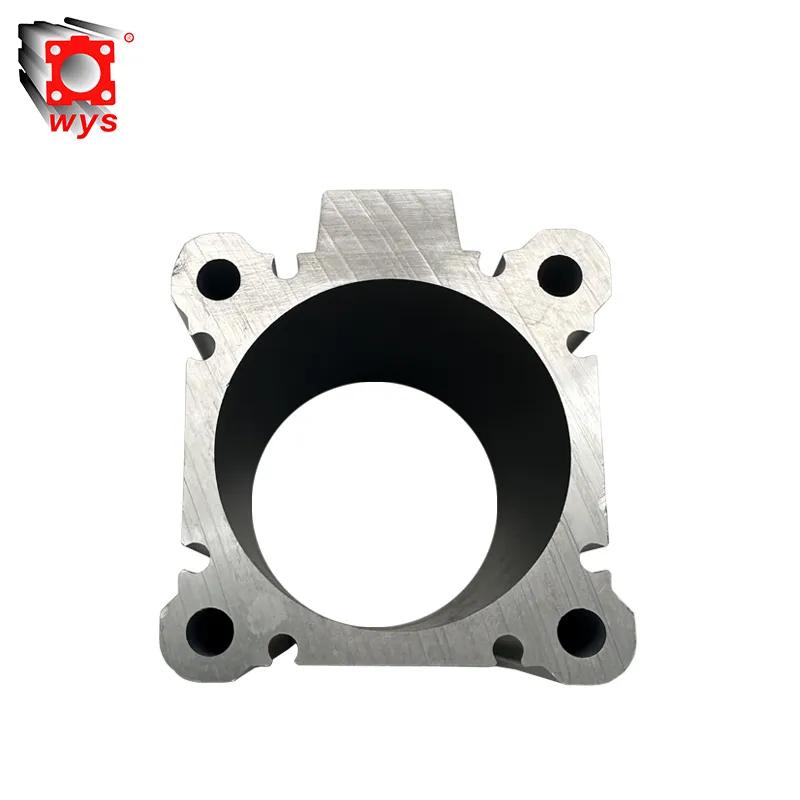
1. The Importance of Roundness
The inner bore of a pneumatic cylinder barrel must maintain a precise circular profile. If the bore becomes elliptical or assumes an irregular shape, the piston will be subjected to uneven pressure during its movement, leading to:
•Poor sealing performance
•Localized wear
•Increased resistance to motion
2. The Importance of Straightness
The central axis of a pneumatic cylinder barrel must remain perfectly straight. If any curvature or misalignment exists, the piston may experience eccentric movement during operation, potentially resulting in jamming or vibration.
In double-acting cylinders, these issues become even more pronounced, as the piston is required to move reciprocally in both directions. Therefore, pneumatic cylinder tubes must possess exceptionally high degrees of roundness and straightness.
Why Do High-Precision Pneumatic Cylinder Tubes Enhance Sealing Performance?
The core principle of any pneumatic system lies in its "airtightness." If the pneumatic cylinder tube fails to maintain an effective seal, the cylinder will be unable to establish and sustain stable internal pressure.
High-precision machining of a pneumatic cylinder barrel enhances sealing performance in the following ways:
•Ensuring uniform contact between the sealing components and the inner wall
•Minimizing microscopic gaps and clearances
•Improving overall sealing stability
If the precision of the pneumatic cylinder barrel is insufficient, the sealing components may experience localized failure, resulting in gas leakage.
Therefore, the higher the machining precision of the pneumatic cylinder barrel, the more reliable its sealing performance will be.
What Problems Arise from Insufficient Machining Precision in Pneumatic Cylinder Tubes?
If a pneumatic cylinder tube has not undergone high-precision machining, a range of operational issues may ensue.
1. Unstable Cylinder Operation
A low-precision pneumatic cylinder tube can lead to uneven piston movement, thereby compromising overall equipment stability.
2. Increased Energy Consumption
Gas leakage necessitates that the pneumatic system consume a greater volume of compressed air.
3. Increased Noise Levels
Friction and vibration generate additional noise.
4. Reduced Service Life
Accelerated wear on seals and pistons results in a shortened cylinder lifespan.
Therefore, from a long-term operational perspective, high-precision pneumatic cylinder barrels can significantly reduce maintenance costs.
What processes are typically involved in the high-precision machining of pneumatic cylinder tubes?
To meet high-precision requirements, pneumatic cylinder barrels typically undergo multiple machining processes during manufacturing.
Common processes include:
1. Precision Turning
Used for the initial shaping of the pneumatic cylinder barrel structure.
2. Boring
Used to machine the internal bore dimensions and enhance precision.
3. Honing
Used to improve the surface finish (roughness) of the cylinder tube's inner wall, making it smoother.
4. Surface Treatment
Such as anodizing or plating, used to enhance wear resistance and corrosion resistance.
These processes work in concert to ensure the pneumatic cylinder barrel meets high-precision standards.
Why do double-acting pneumatic cylinder tubes require higher machining precision?
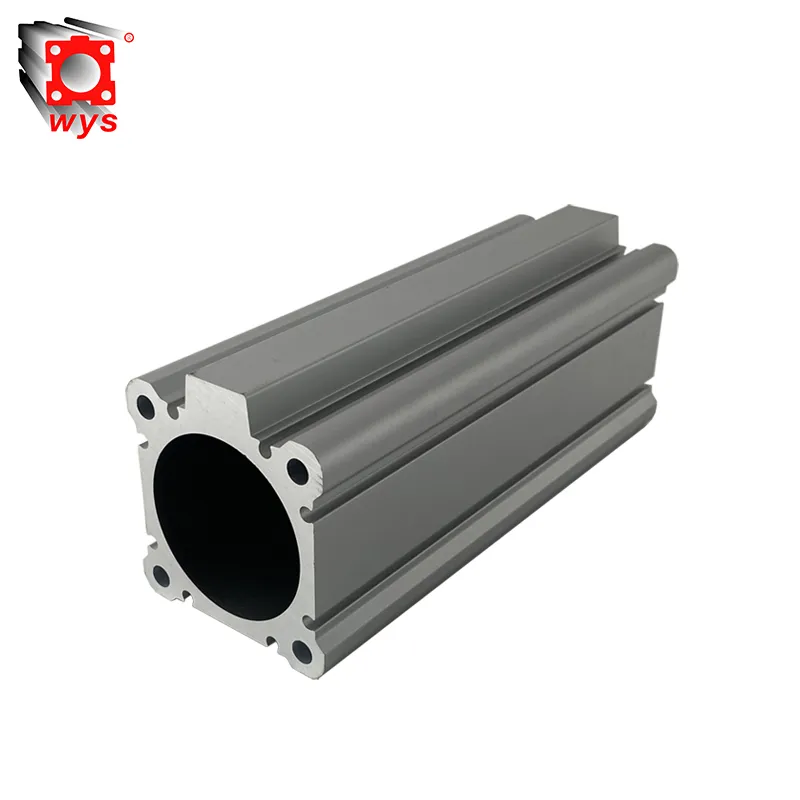
In double-acting cylinders, the machining precision requirements for the pneumatic cylinder tube are significantly more stringent.
The reasons are:
•The piston moves in both directions.
•The seals are subjected to pressure in both directions.
•Friction occurs more frequently.
Under these conditions, even minute machining errors can be amplified, thereby negatively impacting cylinder operation.
Consequently, double-acting pneumatic cylinder barrels typically demand a higher grade of machining precision.
Does the material of the pneumatic cylinder tube affect machining precision?
The material used for the pneumatic cylinder barrel also influences the achievable machining precision.
Common materials include:
•Aluminum alloys
•Carbon steel
•Stainless steel
Among these, aluminum alloys are widely utilized because their excellent machinability makes it easier to achieve high-precision results.
However, regardless of the material chosen, precision machining remains essential to ensure the pneumatic cylinder barrel meets all design specifications.
How do high-precision pneumatic cylinder tubes enhance overall equipment performance?
High-precision pneumatic cylinder tubes not only improve the performance of the cylinder itself but also exert a positive influence on the performance of the entire piece of equipment.
For example:
•Enhancing equipment operational stability
•Reducing failure rates
•Improving production efficiency
•Extending maintenance cycles
Therefore, from a systems perspective, the high-precision machining of pneumatic cylinder barrels is of significant importance.