

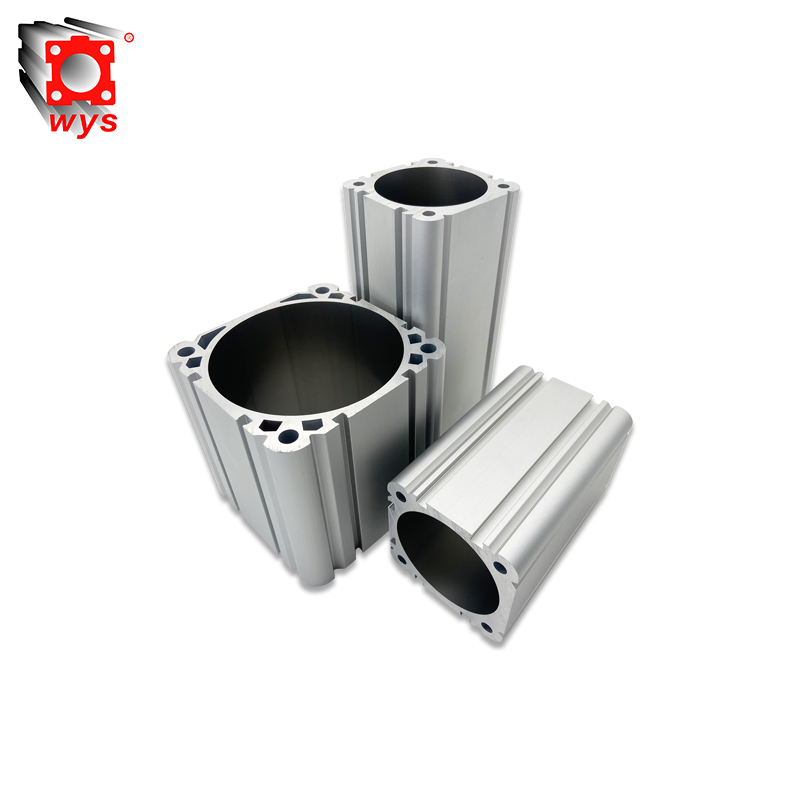
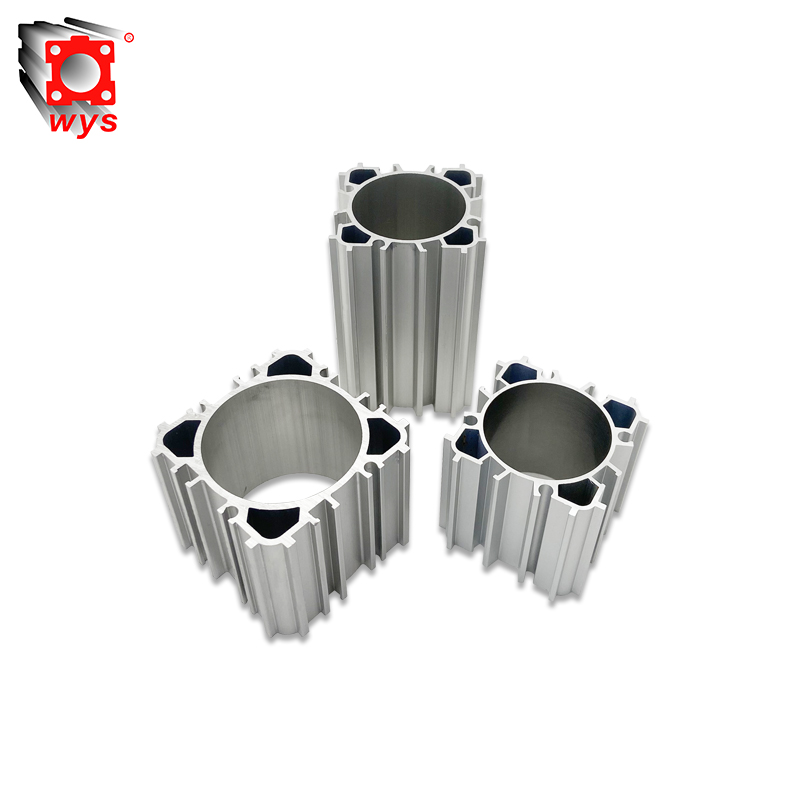
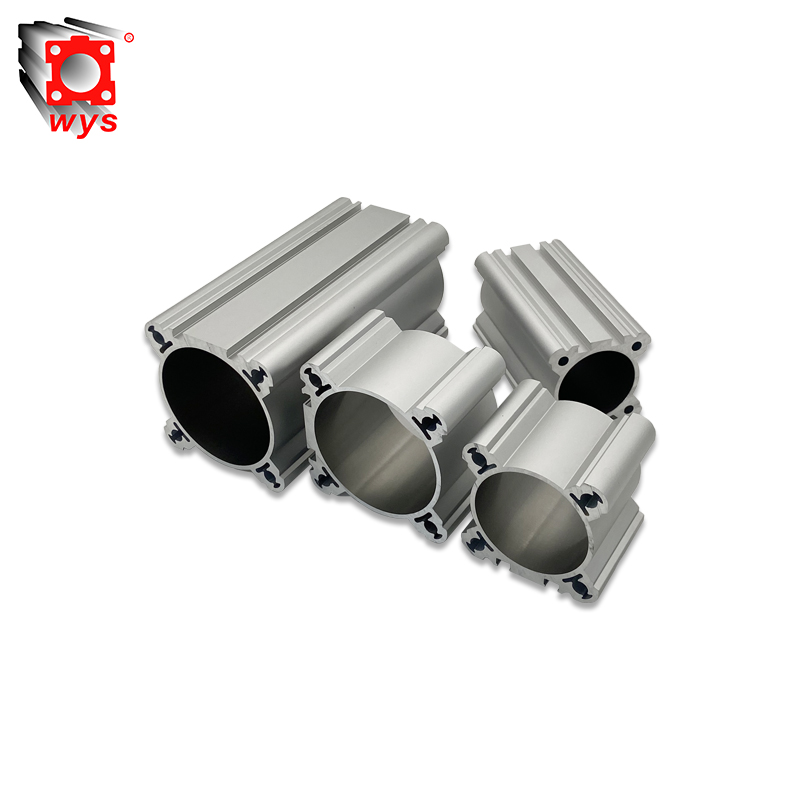
In pneumatic systems, the cylinder is one of the most crucial actuators, and the pneumatic cylinder barrel is the most critical component of the cylinder structure. The interior of the pneumatic cylinder barrel provides the space for the piston's reciprocating motion while maintaining a good sealing environment. Therefore, the machining quality and treatment method of the pneumatic cylinder barrel's inner wall directly affect the cylinder's sealing performance, friction performance, and overall service life.
If the surface roughness of the pneumatic cylinder barrel's inner wall is too high, the piston seals will experience significant friction, potentially leading to wear and leakage. Improper treatment of the pneumatic cylinder barrel's inner wall can also cause seal failure and operational instability. Therefore, during the manufacturing process of pneumatic cylinder barrels, various inner wall treatment processes are typically used to improve surface quality.
So, what are the methods for treating the inner wall of a pneumatic cylinder tube? What are the functions of different processing methods? How to choose the appropriate inner wall treatment process for a pneumatic cylinder barrel?
This article will systematically analyze these questions from the perspectives of the structural requirements, machining processes, and common treatment methods for pneumatic cylinder tubes.
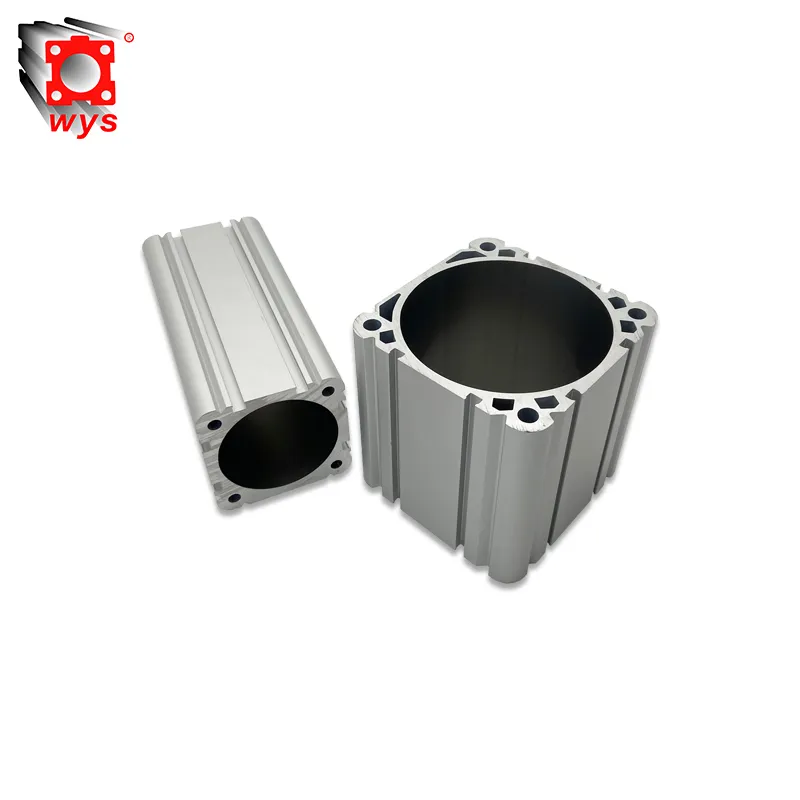
Why does the inner wall of a pneumatic cylinder barrel require special treatment?
In pneumatic systems, the internal working environment of a pneumatic cylinder barrel has the following characteristics:
• High-speed reciprocating piston motion
• Continuous contact between seals and the inner wall
• Internal pressure variations
• Long-term continuous operation
Therefore, the inner wall of a pneumatic cylinder barrel must possess the following properties:
• Low surface roughness
• Good wear resistance
• Stable dimensional accuracy
• Good sealing fit
If the inner wall of a pneumatic cylinder barrel is not properly treated, the following problems may occur:
• Increased piston movement resistance
• Accelerated seal wear
• Gas leakage
• Unstable cylinder operation
Therefore, the inner wall treatment process is a crucial step in the manufacturing of pneumatic cylinder barrels.
What are the common processing steps for the inner wall of a pneumatic cylinder tube?
Before understanding the specific treatment methods, it is necessary to understand the basic processing flow of a pneumatic cylinder tube.
Generally, the machining steps for a pneumatic cylinder tube include:
1. Raw material preparation
2. Rough machining of the outer diameter
3. Internal drilling
4. Boring
5. Finishing
6. Surface treatment
Of these steps, internal drilling and surface treatment determine the final quality of the pneumatic cylinder barrel's inner wall.
Next, we will detail several common methods for treating the inner wall of a pneumatic cylinder barrel.
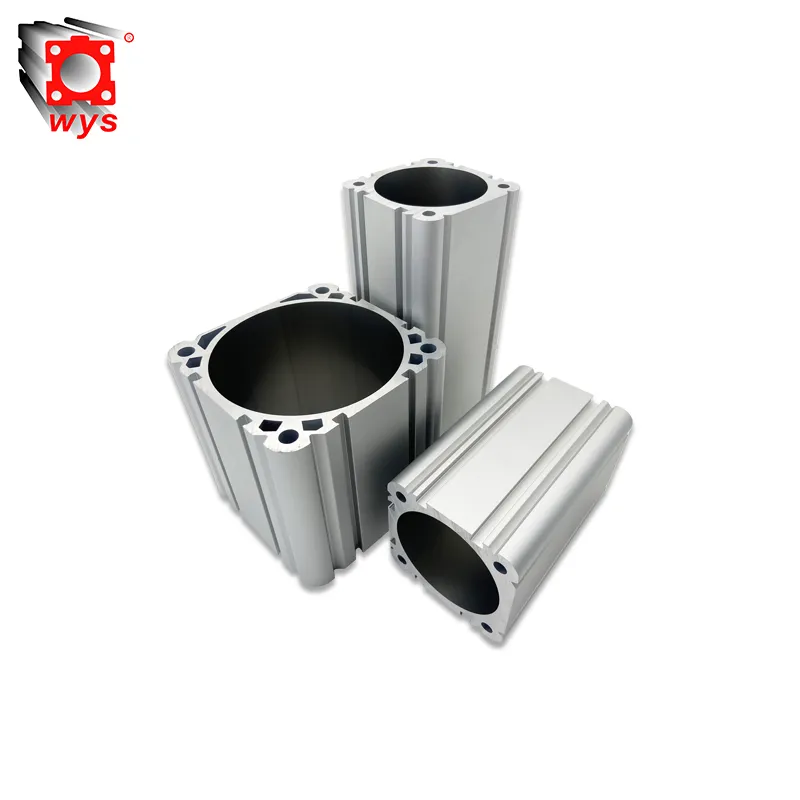
Is boring a crucial step in the internal wall treatment of a pneumatic cylinder tube?
Boiling is a very common internal drilling method in the production of pneumatic cylinder tubes.
Boiling is mainly used for:
• Correcting the inner hole dimensions
• Improving the hole diameter accuracy
• Improving the roundness of the inner hole
Through boring, the inner hole of the pneumatic cylinder tube can achieve high dimensional accuracy, laying the foundation for subsequent finishing.
However, it should be noted that while boring can improve the dimensional accuracy of the pneumatic cylinder tube, it cannot fully meet the surface quality requirements of pneumatic systems. Therefore, boring is usually only an intermediate step in the manufacturing process of pneumatic cylinder tubes.
Why is honing commonly used for the inner wall treatment of pneumatic cylinder tubes?
Honing is a very important finishing method in the inner wall treatment process of pneumatic cylinder tubes.
Honing uses specialized honing tools to perform micro-cuts on the inner wall of the pneumatic cylinder tube, thereby improving surface quality.
Honing can achieve the following effects:
• Reduced surface roughness
• Improved roundness and straightness
• Formation of a cross-linked structure
This cross-linked structure helps maintain the lubricating film, thereby reducing friction between the piston and the pneumatic cylinder barrel.
Therefore, honing is often an essential process step in the manufacturing of high-quality pneumatic cylinder barrels.
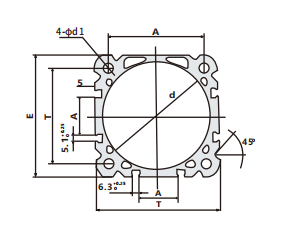
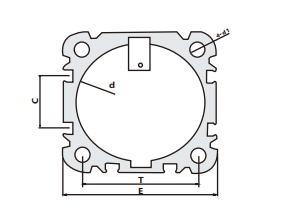
Is grinding suitable for the inner wall of pneumatic cylinder tubes?
Grinding is a technique that uses abrasive materials to perform micro-machining on the surface.
In some high-precision pneumatic cylinder tube manufacturing processes, grinding can further improve the surface condition of the inner wall. The main characteristics of grinding include:
• Removal of minute surface defects
• Improved surface finish
• Improved contact surface quality
Grinding makes the inner wall of a pneumatic cylinder barrel smoother, thereby reducing frictional resistance.
However, due to its low efficiency, grinding is typically only used for pneumatic cylinder barrels where high surface quality is required.
Can polishing be used for the inner wall of a pneumatic cylinder tube?
Polishing is also a common surface treatment method that makes the surface smoother through mechanical or chemical means.
For pneumatic cylinder tubes, the main benefits of polishing include:
• Reducing surface roughness
• Improving surface finish
• Reducing the coefficient of friction
Polished pneumatic cylinder tube inner walls typically have better surface quality, which can improve piston movement performance.
However, polishing is generally not used alone but in combination with other processing techniques.
Is surface coating technology used for the inner wall of a pneumatic cylinder tube?
In certain special applications, the inner wall of a pneumatic cylinder tube may also undergo surface coating treatment.
Common coatings include:
• Hard coatings
• Wear-resistant coatings
• Corrosion-resistant coatings
These coatings improve the wear resistance and corrosion resistance of pneumatic cylinder barrels.
For certain special environments, such as humid or corrosive environments, surface coatings can effectively extend the service life of pneumatic cylinder tubes.
What should the surface roughness of the inner wall of a pneumatic cylinder tube meet?
Surface roughness is an important indicator in the manufacturing process of pneumatic cylinder tubes.
Generally, the surface roughness of the inner wall of a high-quality pneumatic cylinder tube is typically controlled within:
Ra 0.2 – Ra 0.8 μm
Lower roughness offers the following advantages:
• Reduced friction
• Reduced seal wear
• Improved sealing performance
Therefore, appropriate processing techniques are needed to achieve this standard during the manufacturing process of pneumatic cylinder barrels.
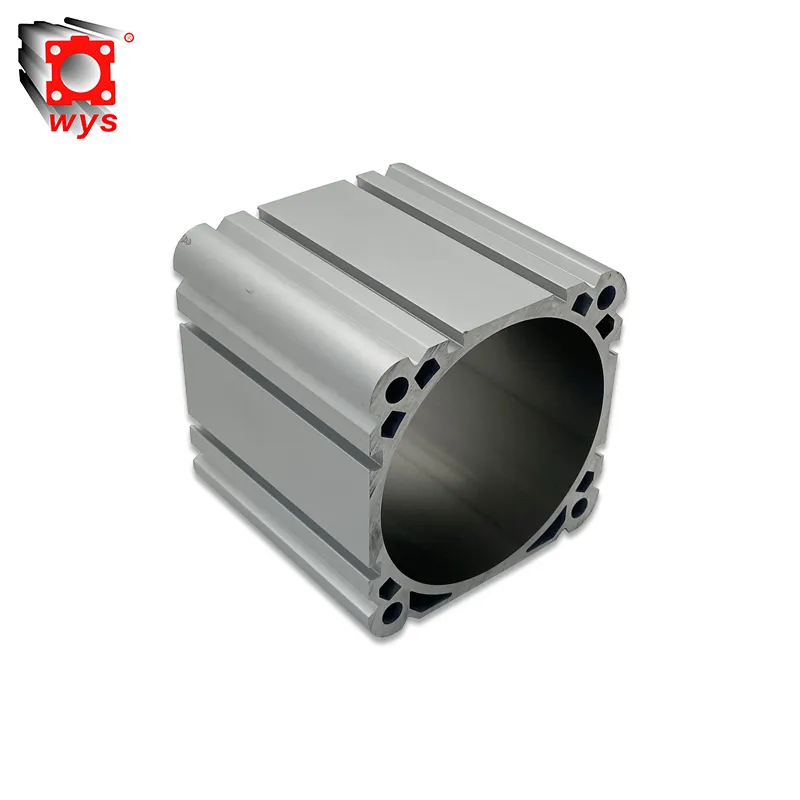
How to choose the appropriate inner wall treatment method for a pneumatic cylinder barrel?
Different pneumatic cylinder barrels are used in different environments, therefore the inner wall treatment processes will also differ.
When selecting a pneumatic cylinder barrel's inner wall treatment method, the following factors need to be considered:
• Cylinder operating pressure
• Movement speed
• Operating environment
• Seal type
• Processing cost
In most cases, the inner wall treatment of a pneumatic cylinder barrel typically employs a combination of multiple processing techniques to achieve the desired surface quality.
How does the quality of the pneumatic cylinder barrel's inner wall treatment affect cylinder performance?
The quality of the pneumatic cylinder barrel's inner wall treatment has a direct impact on cylinder performance.
High-quality pneumatic cylinder barrel inner wall treatment can bring the following advantages:
• Smoother piston movement
• More stable sealing performance
• Reduced wear rate
• Extended cylinder lifespan
Conversely, poor pneumatic cylinder tube inner wall treatment may lead to a decrease in cylinder performance.
What are the methods for treating the inner wall of a pneumatic cylinder tube?
Common internal wall treatments in pneumatic cylinder tube manufacturing include:
• Boring
• Honing
• Grinding
• Polishing
• Surface coating
These processes are typically not used individually, but rather in combination based on the design requirements of the pneumatic cylinder tube.
Boiling and honing are the most common processing techniques for pneumatic cylinder tubes, effectively improving the dimensional accuracy and surface quality of the internal wall.
What sets Weiyingjia apart from other suppliers?
Weiyingjia stands out due to its 15+ years of expertise, six production lines, and strict quality control processes. Each cylinder, liner, and seal is tested for precision, hardness, and durability. Buyers purchasing from our factory gain access to high-quality, reliable components at competitive prices.
As a manufacturer and supplier, Weiyingjia offers professional support for wholesale orders and brand manufacturing, ensuring consistent product quality for industrial applications worldwide.