

Pneumatic systems are widely used in industrial automation equipment due to their simple structure, fast response speed, and relatively low cost. From production line handling and clamping devices to automated assembly equipment, pneumatic systems are almost ubiquitous.
However, during long-term operation, equipment maintenance personnel often find various problems with pneumatic systems, such as slow action, insufficient thrust, increased energy consumption, and component wear.
Therefore, a very critical question arises: What is the biggest problem in pneumatic system maintenance?
From an engineering maintenance perspective, pneumatic system problems are often not caused by a single component failure, but by a combination of factors. Among these, air source quality, sealing condition, pipeline leaks, and actuator wear are the most common maintenance challenges.
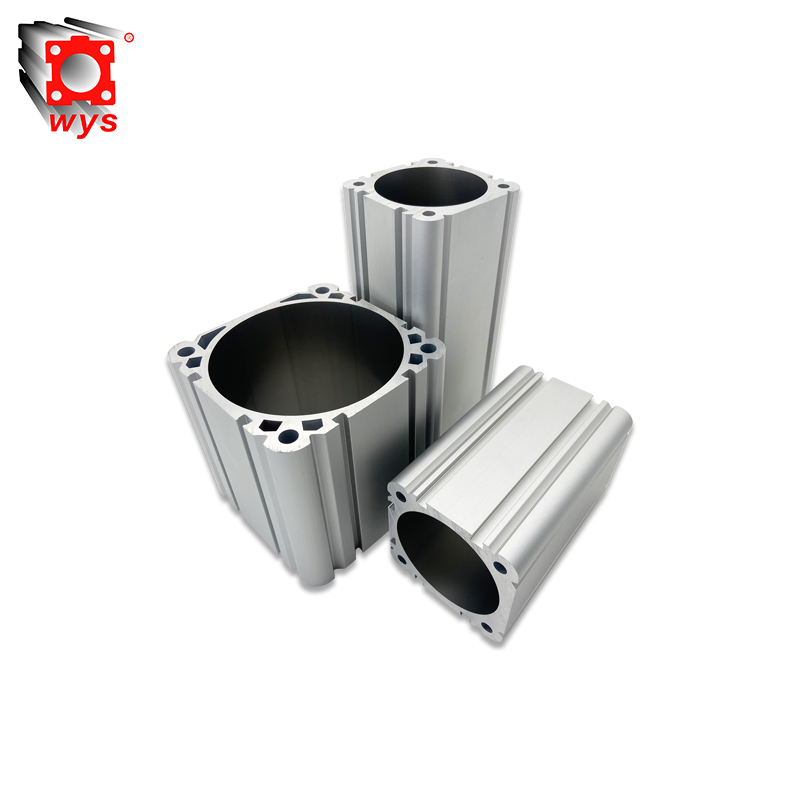
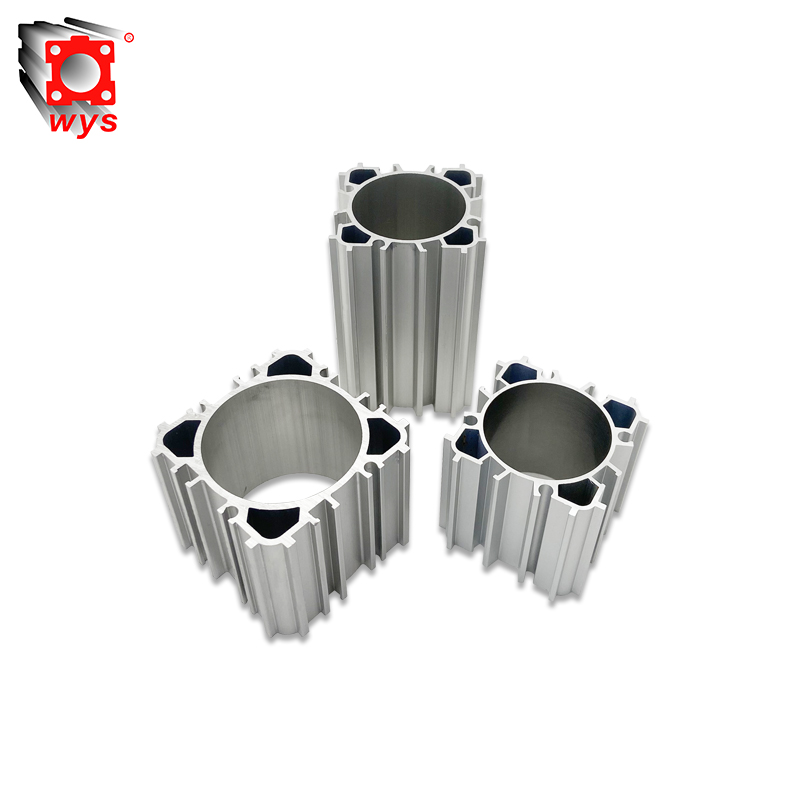
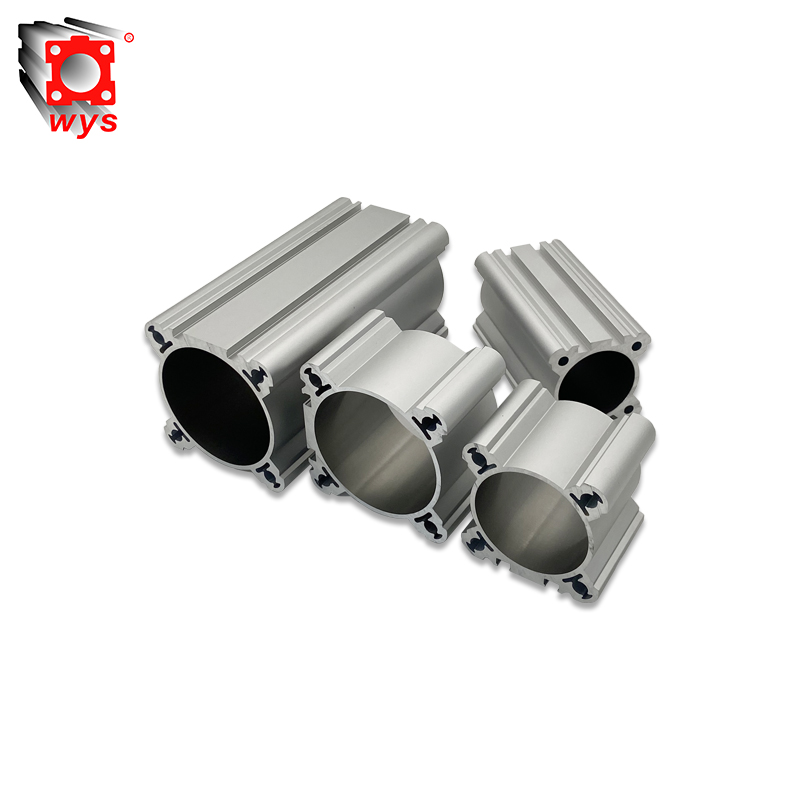
Of all actuators, the pneumatic cylinder barrel, as the core structure of the pneumatic system, often directly reflects the health of the entire system.
This article will conduct a systematic analysis of pneumatic system maintenance problems, focusing on the most common and critical technical difficulties in maintenance, and explaining in depth the relationship between these problems and the pneumatic cylinder tube.
Why are pneumatic system maintenance prone to problems?
Pneumatic systems rely on compressed air as the power medium. Air itself is compressible, making pneumatic systems more susceptible to environmental and equipment conditions during operation.
Common influencing factors include:
• Moisture in the air
• Dust and impurities in the air
• System pressure fluctuations
• Piping leaks
These factors have a continuous impact on the pneumatic system, ultimately manifesting in the actuators, such as abnormal operation or performance degradation of the pneumatic cylinder barrel.
Therefore, problems in pneumatic system maintenance are often insidious and cumulative.
What is the biggest problem in pneumatic system maintenance?
From a practical operational perspective, the most common and impactful problem in pneumatic system maintenance is:
Compressed air quality issues
Unstable air quality directly affects the operating status of the entire pneumatic system and ultimately the performance of the pneumatic cylinder tube.
Air quality problems mainly include the following:
• Excessive moisture content
• Excessive oil or impurities
• Unstable pressure
These problems gradually affect the performance of internal components of the pneumatic system.
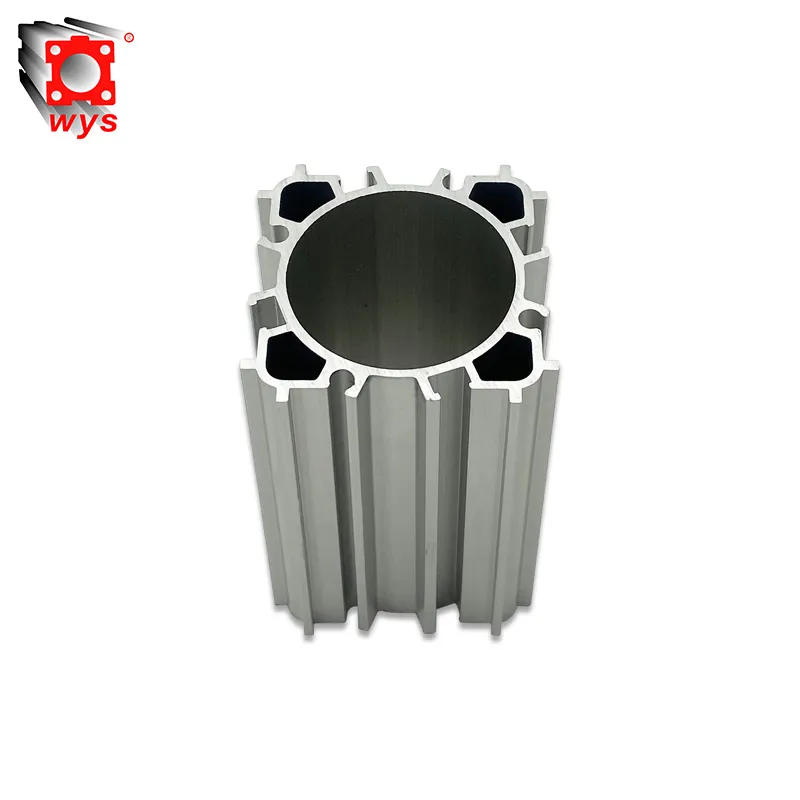
What effects does moisture in the air have on the pneumatic cylinder tube?
Compressed air contains a certain amount of moisture. If the air source treatment equipment is inadequate or improperly maintained, moisture can enter the pneumatic system.
When moisture enters the pneumatic cylinder barrel, it may have the following effects:
1. Internal Corrosion
Pneumatic cylinder barrels are usually made of metal. Long-term contact with moisture may lead to:
• Internal corrosion
• Increased surface roughness
This will affect the smoothness of piston movement within the pneumatic cylinder tube.
2. Seal Damage
Moisture may also cause the seal material to age or expand, thus affecting the airtightness of the pneumatic cylinder tube.
When the sealing performance of the pneumatic cylinder barrel deteriorates, the following may occur:
• Internal leakage
• Reduced thrust
• Slow operation
Why is piping leakage a common maintenance problem?
Besides air quality issues, piping leakage is also one of the important problems in pneumatic system maintenance.
In a pneumatic system, compressed air needs to be delivered to various actuators, including the pneumatic cylinder barrel, through piping.
Leaks in the piping or joints can lead to:
• Dropped system pressure
• Insufficient air supply to the pneumatic cylinder barrel
• Increased energy consumption
More importantly, piping leaks are often difficult to detect promptly because the leakage may be small, but it can still have a significant impact after prolonged operation.
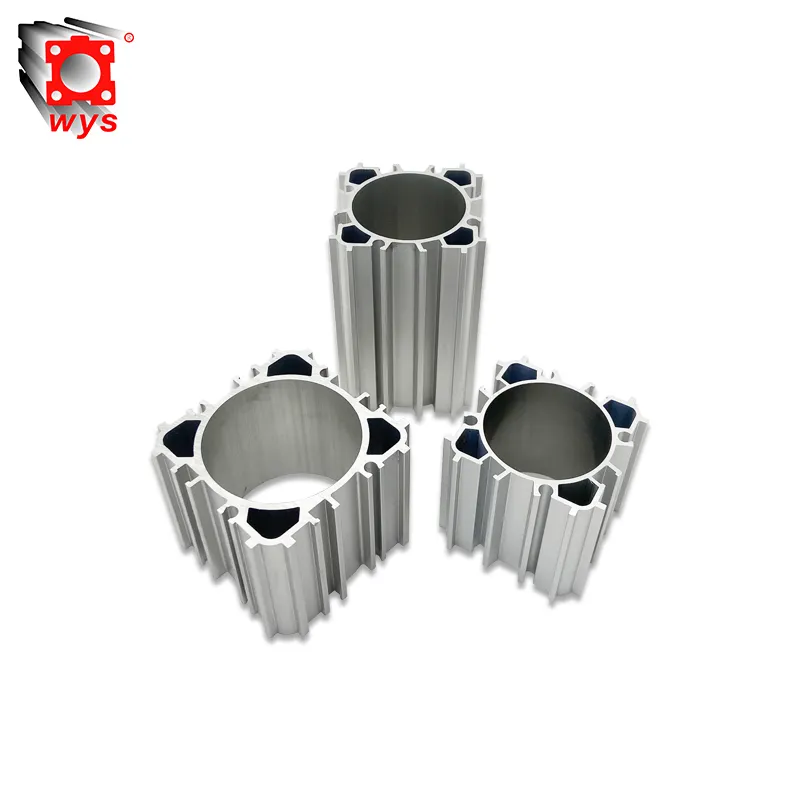
What maintenance problems arise from pneumatic cylinder tube seal failure?
In pneumatic system actuators, the pneumatic cylinder barrel is one of the most important power output structures. Problems with the pneumatic cylinder barrel sealing system directly affect equipment operation.
Pneumatic cylinder barrel seal failure may manifest as:
• Weak piston movement
• Unstable operation
• Gas leakage from the cylinder end
Seal damage is usually caused by:
• Long-term friction and wear
• Insufficient lubrication
• Impurities entering the pneumatic cylinder barrel
Therefore, the pneumatic cylinder barrel seal condition must be a key focus when maintaining pneumatic systems.
Does pneumatic system lubrication affect the pneumatic cylinder tube?
Lubrication is equally important in pneumatic system maintenance. Although pneumatic systems primarily use air as power, proper lubrication can reduce friction and protect components.
Insufficient lubrication can lead to the following problems with the pneumatic cylinder tube:
• Increased piston friction
• Accelerated seal wear
• Unstable piston movement
In such cases, the lifespan of the pneumatic cylinder tube may be significantly shortened.
Why do pneumatic cylinder tube problems often reflect the overall system condition?
The pneumatic cylinder barrel is the actuator in a pneumatic system, its function being to convert the energy of compressed air into mechanical motion.
Therefore, when there is a problem in the system, it often first manifests in the pneumatic cylinder tube, for example:
• Changes in operating speed
• Decreased thrust
• Unstable stroke
In other words, the pneumatic cylinder barrel can be considered an "indicator" of the pneumatic system's operating status.
If the pneumatic cylinder barrel malfunctions, it often indicates a problem in some part of the system.
How to avoid common problems in pneumatic system maintenance?
To reduce maintenance problems, management can be implemented in the following ways.
1. Enhance Air Source Treatment
Ensure compressed air undergoes:
• Filtration
• Pressure reduction
• Drying
This reduces the amount of moisture and impurities entering the pneumatic cylinder tube.
2. Regularly Inspect the Piping System
Regularly inspecting the pneumatic system's piping and connections allows for timely detection of leaks.
This prevents compressed air waste and ensures a stable air supply to the pneumatic cylinder tube.
3. Check the Pneumatic Cylinder Barrel's Operating Status
Maintenance personnel can assess the pneumatic cylinder barrel's condition by:
• Observing the piston's movement speed
• Checking for abnormal noise
• Inspecting for gas leaks
These methods help identify pneumatic cylinder barrel problems promptly.
4. Maintain Proper Lubrication
Proper lubrication reduces internal friction within the pneumatic cylinder barrel, extending the equipment's lifespan.
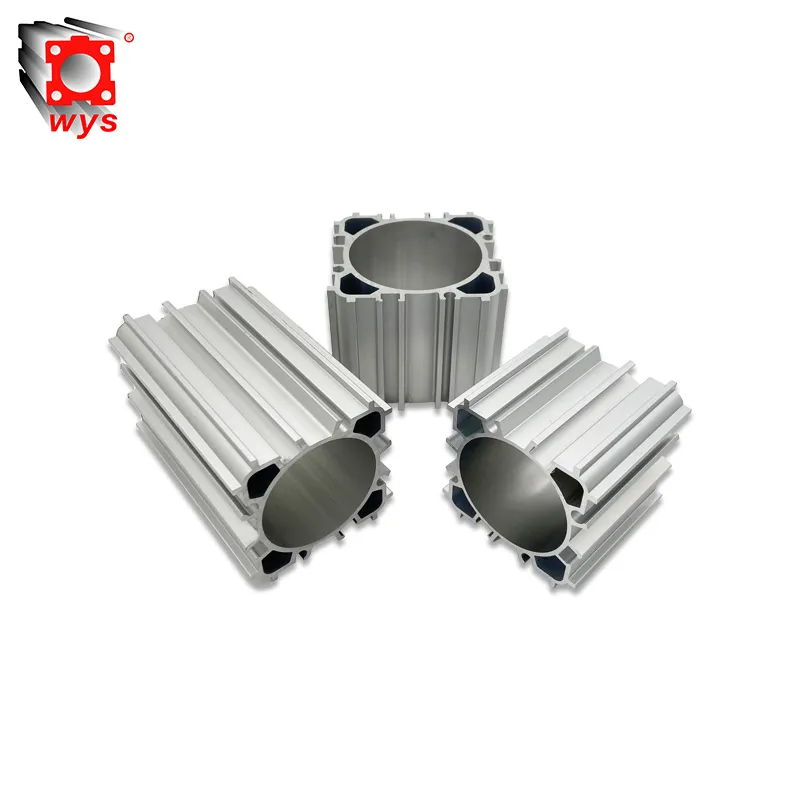
What is the most easily overlooked problem in pneumatic system maintenance?
A frequently overlooked problem during many equipment maintenance processes is: Insufficient overall inspection of the pneumatic system.
Many maintenance personnel only check the pneumatic system when equipment malfunctions, neglecting routine maintenance.
However, problems with pneumatic systems typically accumulate gradually, such as:
• Slow wear of the pneumatic cylinder barrel seal
• Minor leaks in the piping
• Gradual deterioration of air quality
Without regular inspections, these small problems can eventually develop into serious malfunctions.
What are the biggest problems in pneumatic system maintenance?
The biggest problems in pneumatic system maintenance are compressed air quality and the condition of the system seals.
These two issues directly affect the stability of the entire pneumatic system and ultimately manifest in the operating condition of the pneumatic cylinder tube.
Key maintenance priorities include:
• Ensuring clean and dry compressed air
• Preventing piping leaks
• Regularly checking the pneumatic cylinder barrel seals
• Maintaining proper lubrication
• Performing regular system inspections
Among these, the pneumatic cylinder tube, as the core actuator of the pneumatic system, often reflects the overall health of the system.