

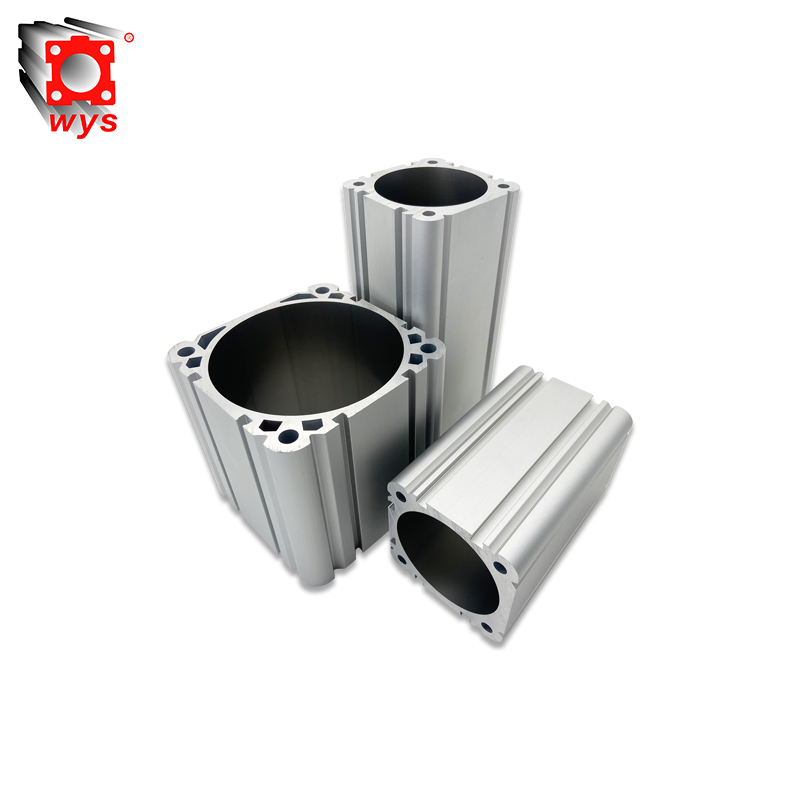
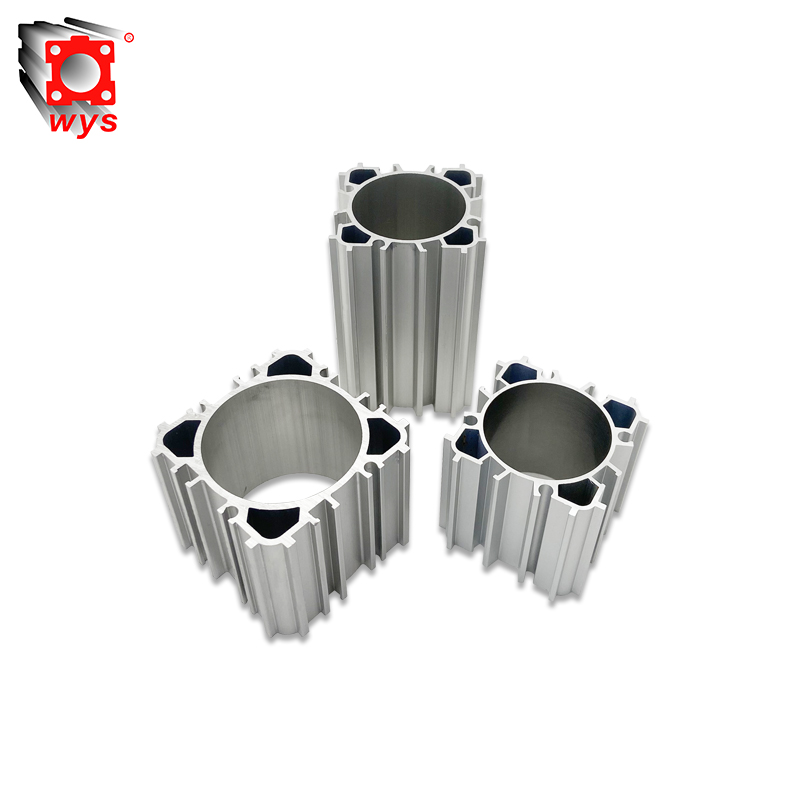
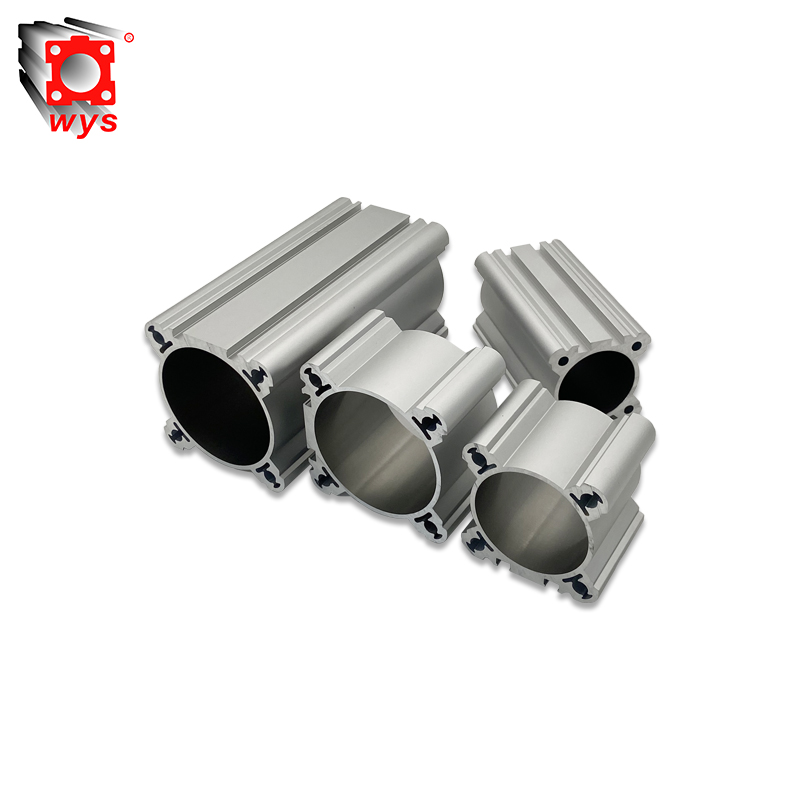
In pneumatic systems, the cylinder is the most common and fundamental actuator, and the pneumatic cylinder barrel is the main structure of the cylinder, serving as the core space for piston movement, sealing, and pressure conversion.
Different types of cylinders have different internal structures and working methods, and these differences are ultimately reflected in the structural form, force application, and functional positioning of the pneumatic cylinder barrel.
So, what are the different types of pneumatic cylinder barrels? How do different types of pneumatic cylinder barrels correspond to different cylinder structures? What are the fundamental differences between these types?
This article will systematically explain the corresponding types of pneumatic cylinder barrels and their structural characteristics, focusing on the three basic types of pneumatic cylinders: single-acting cylinders, double-acting cylinders, and telescopic cylinders.
Why differentiate pneumatic cylinder barrels based on cylinder type?
In engineering understanding, the pneumatic cylinder barrel is not a completely independent component, but is highly coupled with the working method of the cylinder. The cylinder's mode of operation determines how the air chambers, seals, and structural space must be arranged within the pneumatic cylinder barrel.
From this perspective, the classification of pneumatic cylinder barrel types is not simply based on external shape, but on the following core factors:
• The direction of compressed air application
• Whether the pneumatic cylinder barrel has a single-chamber or double-chamber structure
• The way the piston moves within the pneumatic cylinder barrel
• Whether the pneumatic cylinder barrel needs to accommodate a multi-stage structure
Therefore, understanding the types of pneumatic cylinder barrels must start with the overall cylinder type.
What is the type of pneumatic cylinder tube corresponding to a single-acting cylinder?
Basic structural characteristics of a single-acting cylinder
A single-acting cylinder is the most basic type of cylinder, characterized by: compressed air applying force to the piston in only one direction, while the piston's return stroke is completed by spring force or an external load.
Structural characteristics of a single-acting pneumatic cylinder tube
The corresponding single-acting pneumatic cylinder tube usually has the following characteristics in terms of structure:
1. Single working air chamber
The pneumatic cylinder tube only needs to form a sealed space for air intake and pressurization; the other side does not serve as a working air chamber.
2. Relatively simple structure
Because the pneumatic cylinder tube only bears unidirectional air pressure, its internal cavity structure, number of seals, and port design are relatively simplified.
3. Unidirectional Internal Force
When a pneumatic cylinder tube is in operation, it mainly withstands gas pressure from one side. This places clear but relatively simple requirements on the structural design and material selection of the cylinder barrel.
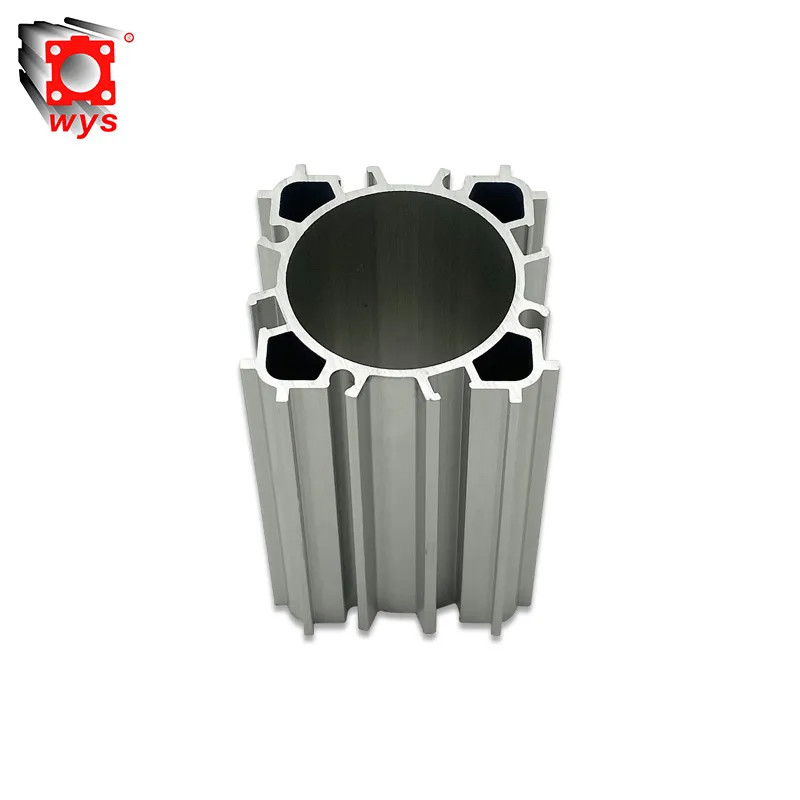
Engineering Significance of Single-Acting Pneumatic Cylinder Barrels
The core design of a single-acting pneumatic cylinder barrel focuses on:
• Ensuring reliable sealing of the single chamber
• Ensuring a smooth inner wall to reduce friction during the piston's unidirectional movement
• Providing space for a spring or external return mechanism
Therefore, single-acting pneumatic cylinder barrels are the most basic type of pneumatic cylinder barrel in terms of structure and function.
What are the differences in the pneumatic cylinder barrels used in double-acting cylinders?
Overview of the Working Principle of Double-Acting Cylinders
The biggest difference between double-acting and single-acting cylinders is that compressed air participates in doing work in both directions of the piston. That is, both the extension and retraction of the piston are completed by gas pressure.
Core Structural Characteristics of Double-Acting Pneumatic Cylinder Barrels
To achieve this mode of operation, double-acting pneumatic cylinder barrels must meet higher structural requirements:
1. Dual Chamber Structure
The inside of the pneumatic cylinder barrel is divided into a front chamber and a rear chamber by the piston, and reliable sealing spaces are required on both sides.
2. Higher Inner Bore Machining Accuracy
The piston needs to perform frequent reciprocating motion in both directions within the pneumatic cylinder barrel, and any inner wall defects will be repeatedly magnified.
3. Symmetrical or Approximately Symmetrical Stress Conditions
The pneumatic cylinder barrel must withstand gas pressure in both directions, which requires its overall structure to have better rigidity and stability.
Sealing Requirements of Double-Acting Pneumatic Cylinder Barrels
In a double-acting structure, the pneumatic cylinder barrel must not only ensure the seal between the cylinder barrel and the end cap, but also ensure:
• Stable piston sealing in both forward and reverse directions
• Consistent inner wall surface condition over time
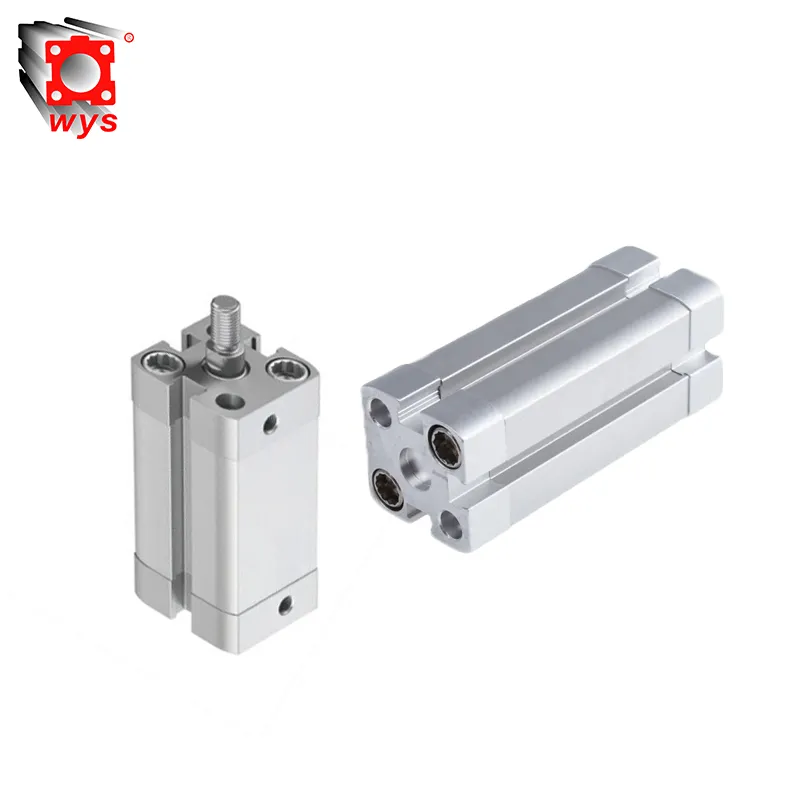
Therefore, double-acting pneumatic cylinder barrels are generally considered to be the type of pneumatic cylinder barrel with the highest requirements for manufacturing precision and surface quality.
Why are the pneumatic cylinder tubes of telescopic cylinders more complex?
What is a Telescopic Cylinder?
A telescopic cylinder (also known as a multi-stage cylinder) is a cylinder structure that achieves a long stroke output through the cascading of multiple sleeves. Its core characteristic is that it achieves a stroke much greater than its own length within a limited installation length.
The Structural Nature of Telescopic Pneumatic Cylinder Barrels
Compared to the previous two types, the telescopic pneumatic cylinder tube is not a single cylinder body, but rather composed of multiple cascaded cylinder tubes of different diameters. Its structural complexity is mainly reflected in the following aspects:
1. Multi-stage pneumatic cylinder tube nesting structure
Each stage of the pneumatic cylinder tube is both a moving part of the previous stage and the working chamber of the next stage.
2. Multiple sealing interfaces
There is relative movement and sealing requirements between each stage of the pneumatic cylinder tube, significantly increasing the number and complexity of seals.
3. Coordinated operation of cylinder tubes of different diameters
The inner diameter, wall thickness, and length of each stage of the pneumatic cylinder tube are different, but they must maintain high coordination during movement.
Engineering Challenges of Telescopic Pneumatic Cylinder Barrels
In a telescopic structure, the pneumatic cylinder barrel needs to simultaneously meet:
• Inner and outer surface precision requirements
• Multi-stage force and guidance requirements
• Complex sealing and lubrication conditions
Therefore, the telescopic pneumatic cylinder barrel can be considered the most structurally complex and demanding type of pneumatic cylinder barrel.
How can pneumatic cylinder tubes be classified in terms of the number of working chambers?
From a more abstract perspective, the types of pneumatic cylinder tubes can also be understood based on the number of working chambers:
• Single-chamber pneumatic cylinder tube: Typically corresponds to a single-acting cylinder
• Double-chamber pneumatic cylinder tube: Typically corresponds to a double-acting cylinder
• Multi-chamber composite pneumatic cylinder tube: Typically corresponds to a telescopic cylinder
This classification method helps engineers quickly understand the essential differences between different types of pneumatic cylinder tubes from the perspective of internal spatial structure.
What are the differences in design focus for different types of pneumatic cylinder barrels?
Although all pneumatic cylinder barrels need to meet basic sealing and strength requirements, there are significant differences in design focus for different types:
• Single-acting pneumatic cylinder barrel: Emphasizes structural simplicity and unidirectional sealing reliability
• Double-acting pneumatic cylinder barrel: Emphasizes inner bore precision, bidirectional force, and operational stability
• Telescopic pneumatic cylinder barrel: Emphasizes multi-stage coordination, structural strength, and complex sealing management
These differences determine that there is no "universal" solution for pneumatic cylinder barrels; they must be highly matched to the cylinder type.
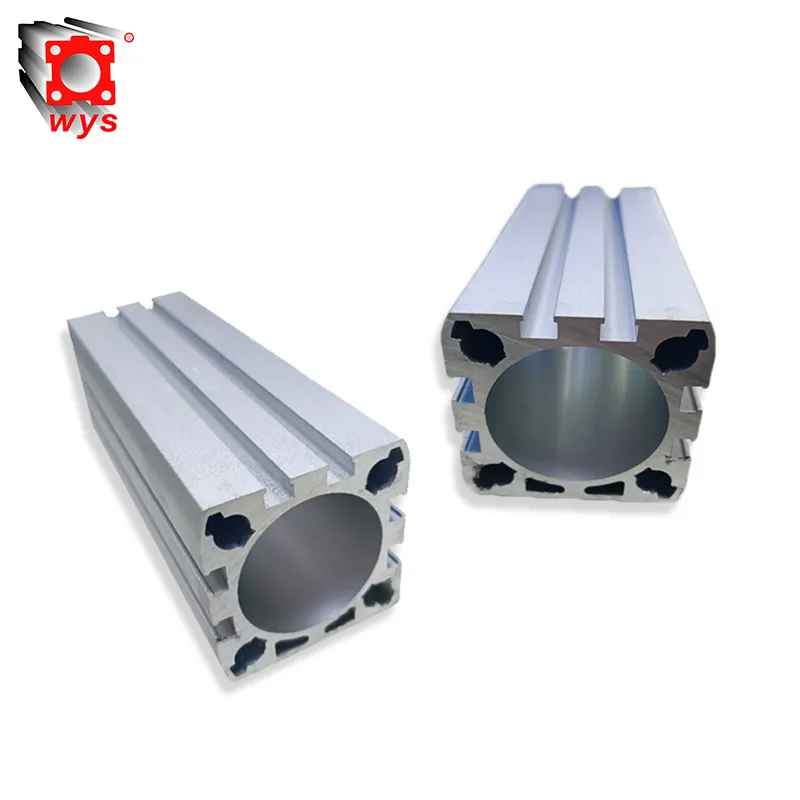
How to correctly understand the classification of pneumatic cylinder tube types from an engineering perspective?
In summary, the types of pneumatic cylinder tubes are not arbitrarily defined, but rather determined by the working principle and structural requirements of the cylinder. The three basic types—single-acting, double-acting, and telescopic cylinders—correspond to three distinct types of pneumatic cylinder tubes with significant differences in structural complexity, force application, and sealing requirements.
Understanding these type differences is helpful for:
• Correctly understanding the functional role of pneumatic cylinder tubes in a system
• Avoiding the simple equation of different types of pneumatic cylinder tubes
• Understanding the source of cylinder performance differences from a structural perspective
What are the main types of pneumatic cylinder tubes?
Returning to the initial question—what are the types of pneumatic cylinder tubes?
Based on the cylinder structure and working method, the following conclusions can be clearly drawn:
1. Single-acting pneumatic cylinder tube: Corresponding to single-acting cylinders, with a simple structure and unidirectional force application.
2. Double-acting pneumatic cylinder tube: Corresponding to double-acting cylinders, with a dual-chamber structure and high precision requirements.
3. Telescopic pneumatic cylinder tube: Corresponding to telescopic cylinders, with multi-stage nesting and the most complex structure.
These three types constitute the most basic and core classification system for pneumatic cylinder tubes in pneumatic systems. Only with a thorough understanding of these type differences can one truly grasp the structural value and functional positioning of pneumatic cylinder tubes from an engineering perspective.
How large is your production capacity?
Foshan Weiyingjia Technology Co., Ltd. operates a 10,000-square-meter factory equipped with 6 advanced production lines. Our factory employs over 100 professional technicians and 5 dedicated quality inspection teams, supported by 10 specialized testing machines. This large-scale production capacity allows our company to supply high-quality pneumatic cylinder barrels and components to customers worldwide, offering both wholesale and single-unit purchasing with competitive prices.