

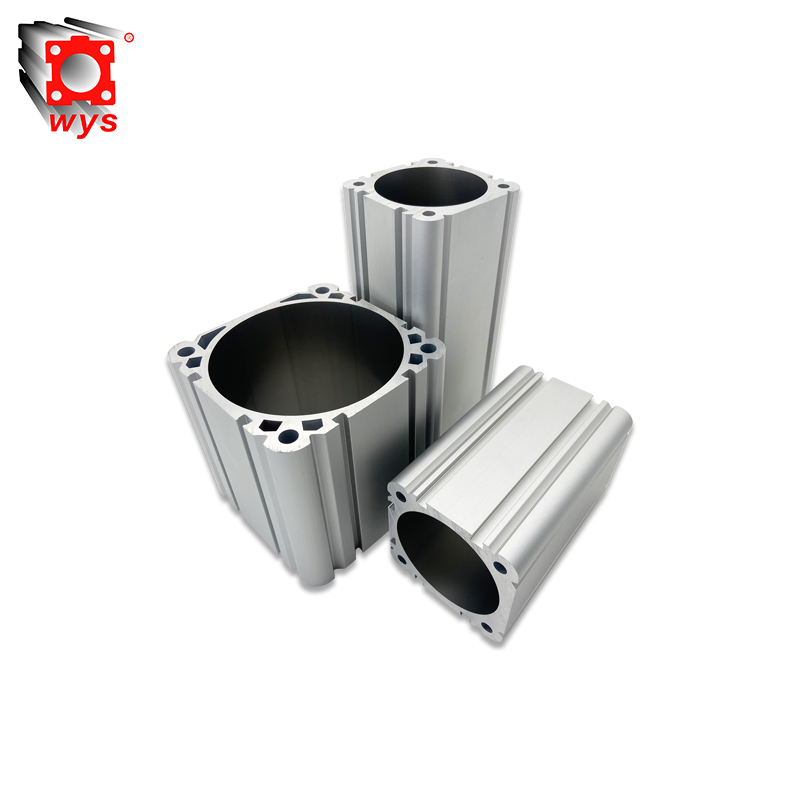
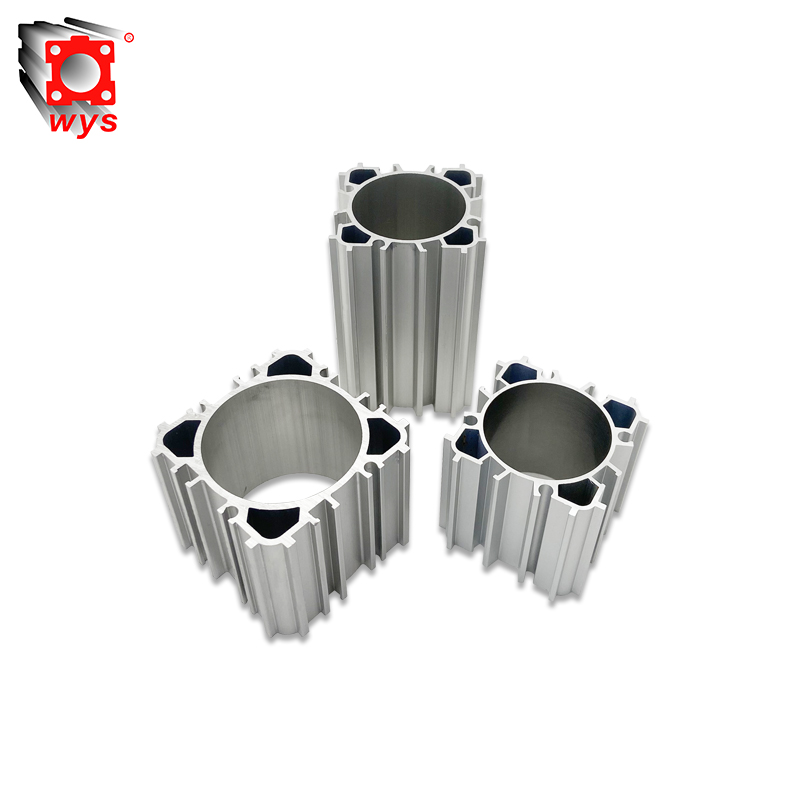
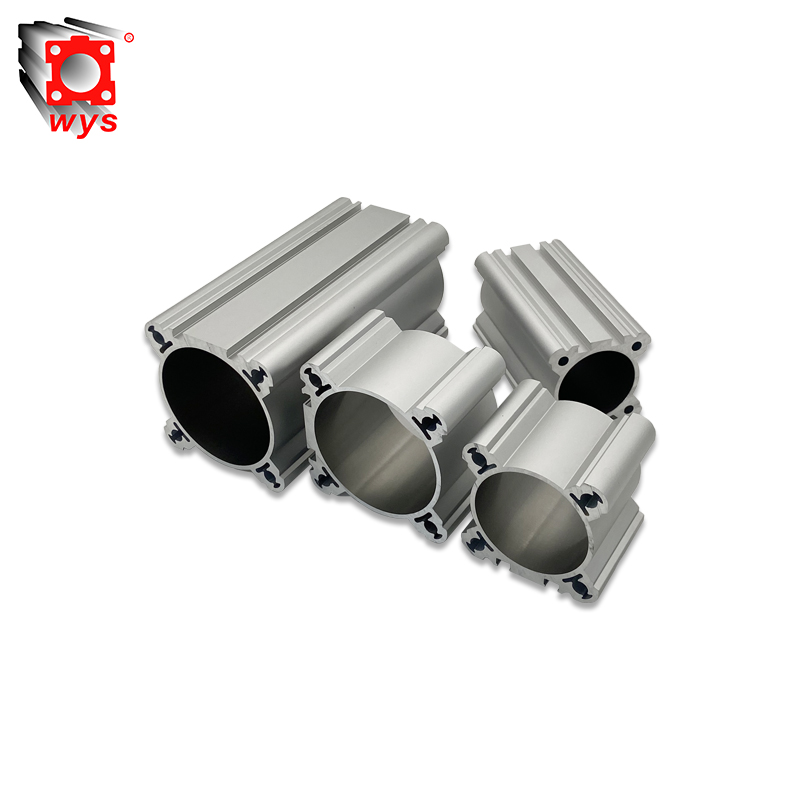
In pneumatic systems, the pneumatic cylinder barrel, as the core load-bearing component of the cylinder, not only provides a sealed movement space for the piston but also directly affects the stability, accuracy, and lifespan of the actuator. Once the pneumatic cylinder barrel malfunctions, even if other components such as the air supply and valve assembly are normal, the overall system performance will significantly decline.
So, what symptoms typically appear when a pneumatic cylinder barrel malfunctions?
Are these symptoms regular? Can problems be identified in advance through operational status?
This article will systematically outline the typical symptoms that may occur when a pneumatic cylinder barrel malfunctions from multiple perspectives, including operational performance, mechanical characteristics, changes in airtightness, surface condition, and system response, helping you accurately understand the essence of the problem from the phenomenological level.
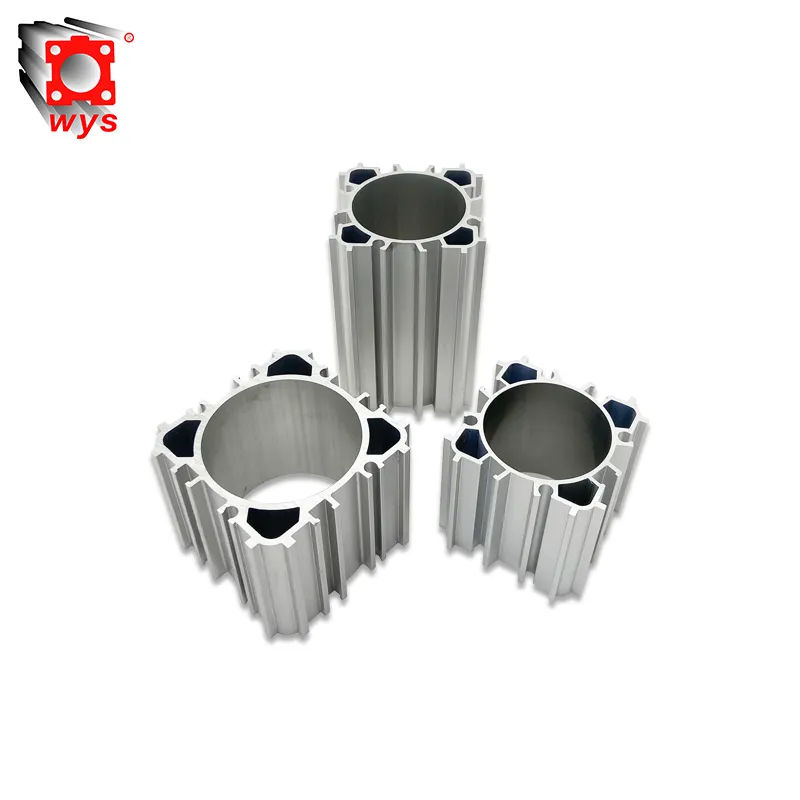
Why is the pneumatic cylinder barrel a "sensitive component" in a pneumatic system?
Before understanding the malfunction symptoms, it is essential to clarify the role of the pneumatic cylinder barrel in the system.
Pneumatic cylinder barrels have the following characteristics:
• They are subjected to compressed air for extended periods.
• The piston undergoes high-frequency reciprocating motion within the cylinder.
• The inner wall directly contacts the seals and piston.
• They are highly sensitive to machining precision and surface quality.
Because the pneumatic cylinder barrel simultaneously performs the functions of sealing, guiding, and bearing pressure, any changes in its performance will often be the first to manifest in the system's operating state.
What are the most common overall operating symptoms when a pneumatic cylinder barrel malfunctions?
When a pneumatic cylinder barrel malfunctions, the system typically exhibits several overall abnormal behaviors, including but not limited to:
• Slower or sluggish movement
• Incomplete stroke completion
• Unstable operating rhythm
• Significantly insufficient thrust
These phenomena are not necessarily all caused by the pneumatic cylinder barrel, but it is one of the key areas to investigate.
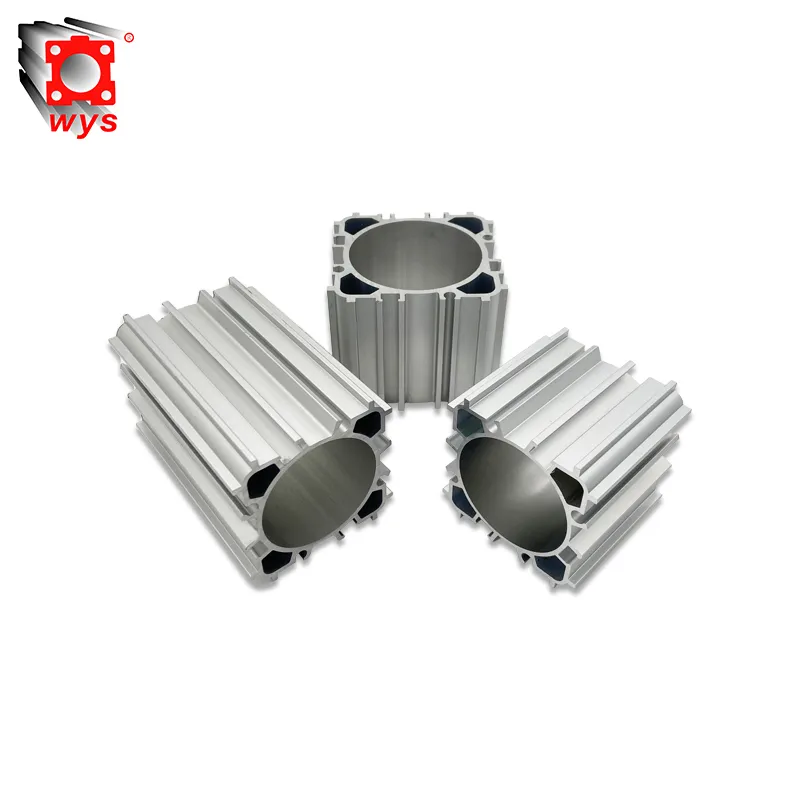
Can a pneumatic cylinder tube malfunction cause abnormal operating speed?
The answer is yes, and this is one of the most easily detected symptoms.
Common speed-related symptoms when an abnormality occurs inside the pneumatic cylinder tube include:
• A significant decrease in piston extension or return speed
• Fluctuating speed within the same stroke
• Slow start-up and instability during operation
These phenomena are usually related to the following pneumatic cylinder tube problems:
• Increased friction due to changes in internal wall roughness
• Uneven piston running resistance caused by cylinder deformation
• Abnormal internal sealing affecting pressure build-up
Therefore, when abnormal speeds occur despite a stable air supply, the pneumatic cylinder tube is often a critical factor that cannot be ignored.
Could insufficient thrust be a sign of pneumatic cylinder tube failure?
In pneumatic systems, decreased thrust is a very typical abnormal signal.
If the pneumatic cylinder tube experiences the following problems:
• Inner wall wear
• Cylinder barrel and seal misfit
• Localized surface damage affecting the seal
This will prevent the effective air pressure from fully acting on the piston, resulting in:
• Reduced thrust output
• Inability to overcome the load it could previously handle
• Stagnation or retraction during operation
Assuming no load changes or air supply issues, the sealing condition of the pneumatic cylinder tube is often a significant cause of insufficient thrust.
Can a malfunctioning pneumatic cylinder tube cause discontinuous or jammed operation?
This is a common symptom of abnormal mechanical conditions in the pneumatic cylinder tube.
When the following conditions occur inside the pneumatic cylinder barrel:
• Inner bore coaxiality deviation
• Localized deformation
• Surface scratches or roughening
The piston may experience:
• Discontinuous movement
• Significant jamming at a certain position
• Requires higher air pressure to pass through a certain stroke
This "non-linear resistance" is often a direct manifestation of changes in the geometric precision or surface condition of the pneumatic cylinder barrel.
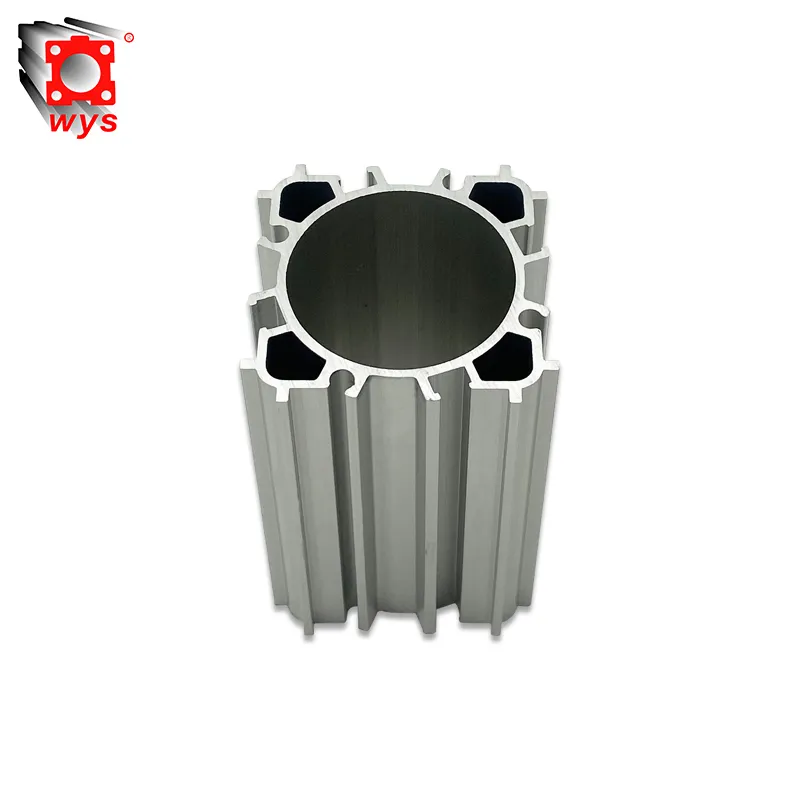
Will a pneumatic cylinder tube malfunction cause abnormal noise?
Under normal conditions, the operating sound of a pneumatic cylinder tube is usually relatively smooth and regular.
Once a problem occurs with the pneumatic cylinder tube, the following noise changes may occur:
• Irregular friction sounds during operation
• Increased impact sound at the end of the stroke
• Abnormal noises during reciprocating motion
These sound changes are often closely related to:
• Uneven wear of the inner wall
• Cylinder barrel deformation
• Abnormal piston-cylinder clearance
Therefore, abnormal noise is one of the important signals for judging the health status of the pneumatic cylinder barrel.
Will a pneumatic cylinder tube malfunction lead to gas leaks?
While gas leaks do not necessarily all originate from the pneumatic cylinder tube, cylinder barrel malfunctions can indeed indirectly or directly cause leaks.
When the pneumatic cylinder tube experiences the following problems:
• Inner wall wear leading to seal failure
• Deformation of the end sealing surface
• Damage to the cylinder structure
The system may exhibit the following symptoms:
• Slow pressure build-up
• Requires higher air supply to maintain operation
• Continuous abnormal gas discharge from the exhaust end
These phenomena indicate that the pneumatic cylinder tube is no longer effectively maintaining its internal sealing environment.
Does anomaly on the surface of the pneumatic cylinder tube mean there is an internal problem?
The external condition of the pneumatic cylinder tube often reflects its internal operating status.
The following anomalies warrant attention:
• Localized deformation of the cylinder surface
• Abnormal wear marks at the ends
• Uneven stress marks on the outer wall
While changes in appearance do not directly prove internal failure, in many cases, external deformation is often accompanied by changes in internal precision or structure, requiring further investigation.
Does a pneumatic cylinder barrel failure affect the system's repeatability?
In systems requiring stable and repetitive operation, the condition of the pneumatic cylinder barrel has a direct impact on repeatability.
When the internal state of the pneumatic cylinder barrel is unstable, the following may occur:
• Slight deviation at the end of each stroke
• Inconsistent movement position under the same control signal
• Decreased stroke repeatability
These symptoms are usually related to:
• Changes in internal friction
• Instability in airtightness
• Structural elastic deformation
The more unstable the state of the pneumatic cylinder barrel, the more difficult it is to guarantee the repeatability accuracy of the system.
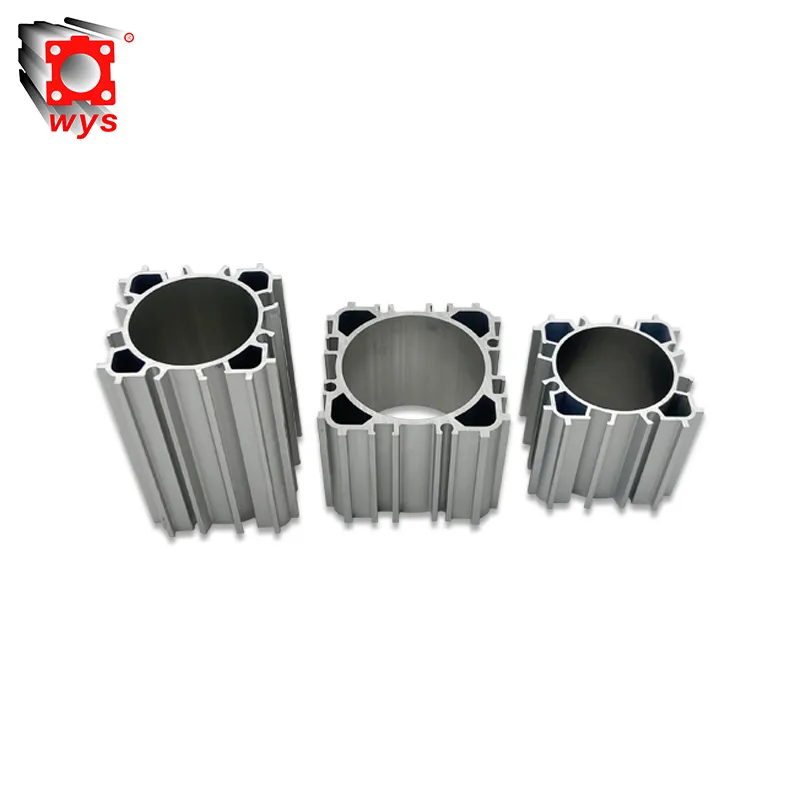
Does a pneumatic cylinder tube malfunction increase system energy consumption?
Although changes in energy consumption are not easily detected immediately, they are still an important signal.
When there is a problem with the pneumatic cylinder tube:
• The system requires higher air pressure to maintain the same movement
• Increased compressed air consumption
• Decreased operational efficiency
This indicates that the pneumatic cylinder tube is no longer efficiently utilizing the input air energy, and energy loss is increasing.
Does a pneumatic cylinder tube malfunction necessarily lead to an immediate system shutdown?
The answer is no.
In many cases, pneumatic cylinder tube failures exhibit the following characteristics:
• Initial symptoms are not obvious
• Performance gradually declines
• The system can still operate with difficulty
However, it is important to note that this type of "progressive anomaly" often indicates that the problem is accumulating. Ignoring these early symptoms can eventually lead to more serious operational failures due to the pneumatic cylinder tube.
How to determine whether a pneumatic cylinder tube requires special attention based on symptoms?
In summary, when a system exhibits multiple of the following symptoms simultaneously, the pneumatic cylinder tube should be the primary focus of investigation:
• Abnormal operating speed
• Decreased thrust
• Stalling or discontinuous operation
• Abnormal noise
• Decreased repeatability
• Increased energy consumption
These symptoms may not all be caused by the pneumatic cylinder barrel itself, but it is often the part where the problem is most concentrated.
What symptoms typically indicate a pneumatic cylinder barrel failure?
Based on the above analysis, we can draw clear conclusions:
• Pneumatic cylinder barrel failures often first manifest in changes in operating conditions.
• Speed, thrust, and stability are the most intuitive observation indicators.
• Abnormal noise, jamming, and decreased repeatability are important signals.
• Changes in energy consumption and airtightness reflect a decrease in internal efficiency.
• When multiple symptoms occur simultaneously, the likelihood of a pneumatic cylinder tube problem increases significantly.
Understanding these symptoms by examining system operation helps identify potential pneumatic cylinder tube problems earlier and provides a reliable basis for subsequent judgment.
Does Weiyingjia provide high-quality pneumatic components?
Absolutely. Weiyingjia is a professional supplier of pneumatic cylinder tubes, kits, liners, and seal rings. Each component undergoes stringent testing, including hardness, aging, and precision measurements. Our factory spans 10,000 square meters with six production lines and employs over 100 technical staff.