

In industrial pneumatic systems, the selection of actuators directly determines the stability, response speed, and control accuracy of the equipment. Among the many actuator structures, the double-acting pneumatic cylinder barrel is widely used in various automated equipment due to its bidirectional controlled motion characteristics.
However, a common question is: when should a double-acting pneumatic cylinder tube be used?
Is it suitable for all situations? Under what conditions can the advantages of the double-acting structure be truly realized?
This article will help you make a more scientific judgment based on an understanding of the fundamental performance characteristics of pneumatic cylinder barrels.
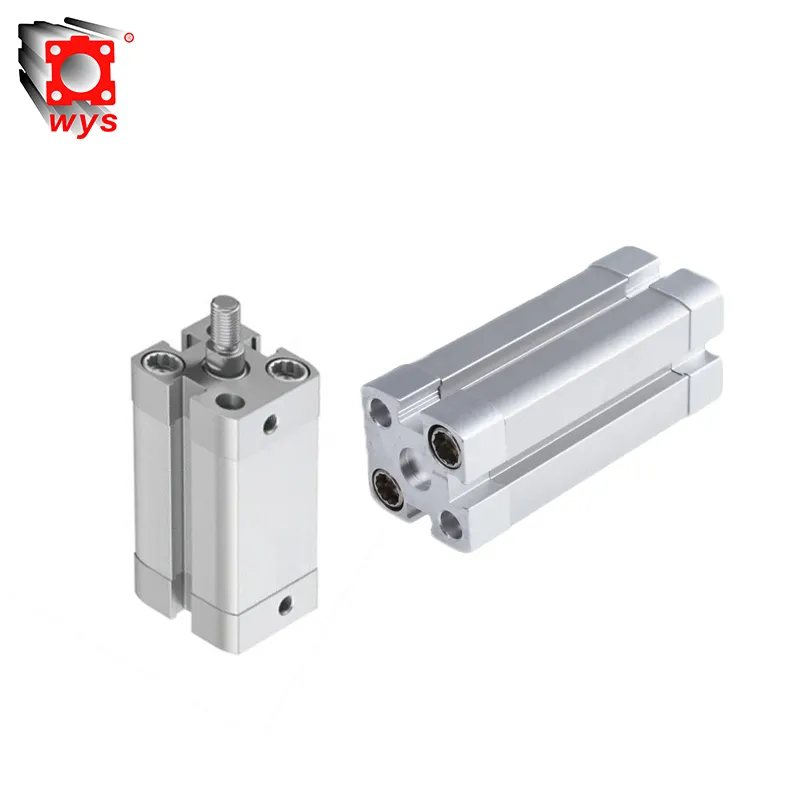
What is a Double-Acting Pneumatic Cylinder Barrel?
Before discussing "when to use," it is essential to first clarify what a double-acting pneumatic cylinder barrel is.
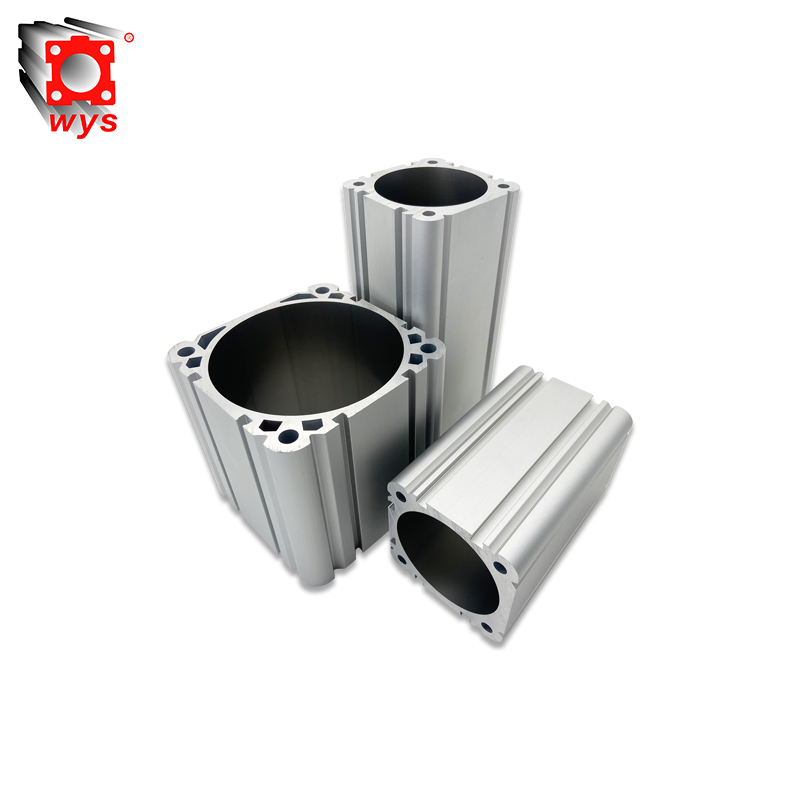
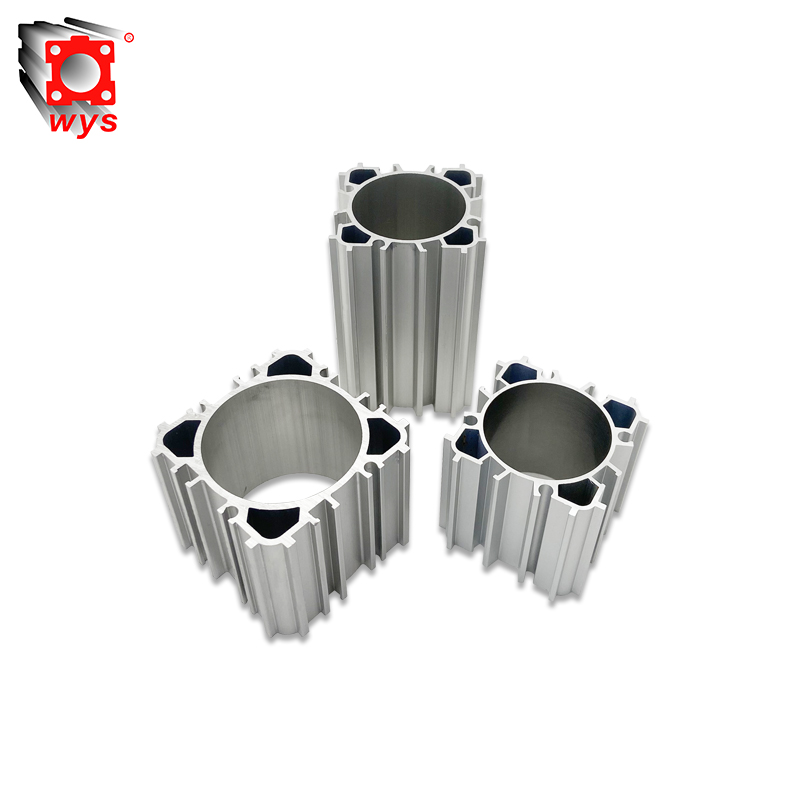
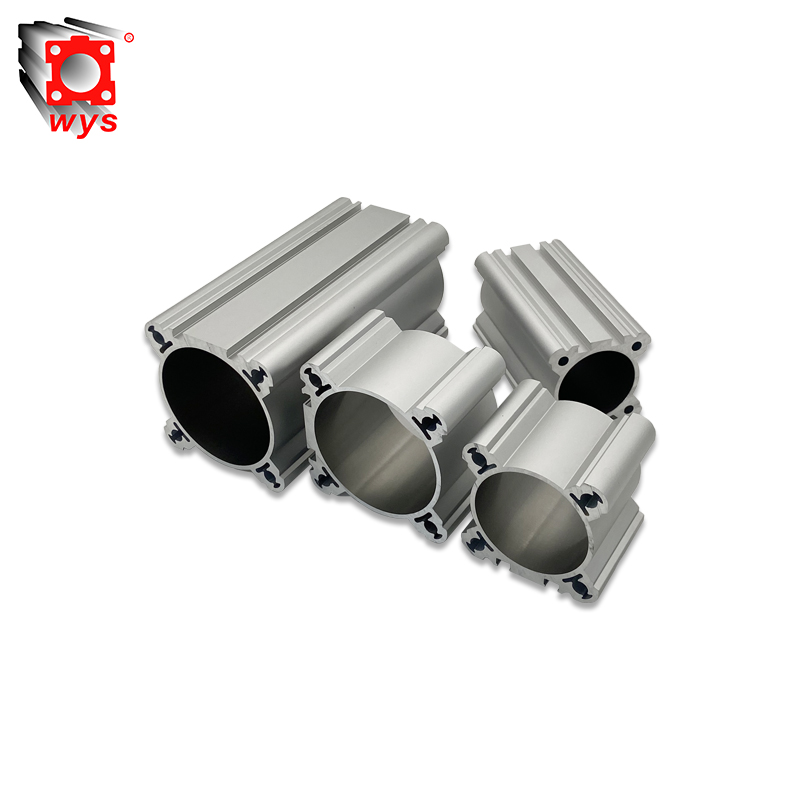
The pneumatic cylinder barrel is the main body of the cylinder, providing a sealed, precise linear motion space for the piston. The term "double-acting" refers to the following:
• The piston's extension is driven by compressed air.
• The piston's return is also driven by compressed air.
In other words, the pneumatic cylinder barrel directly experiences pneumatic pressure in both directions, rather than relying on springs, gravity, or external forces for return.
This structural characteristic makes the double-acting pneumatic cylinder barrel an irreplaceable choice in many operating conditions.
Should a double-acting pneumatic cylinder barrel be used when bidirectional controlled motion is required?
This is the primary criterion for determining whether to use a double-acting pneumatic cylinder barrel.
If the equipment has high requirements for the following:
• Precise control is needed for both extension and return.
• Speed adjustment is required in both directions.
• The thrust in both directions must be stable and controllable.
Then, using a double-acting pneumatic cylinder tube is a reasonable and necessary choice.
Compared to single-acting structures, double-acting pneumatic cylinder tubes can achieve the following by adjusting the intake airflow:
• Smooth forward motion
• Controllable return speed
• Less shock and vibration
In applications requiring high controllability, the double-acting structure of the pneumatic cylinder barrel significantly improves system predictability.
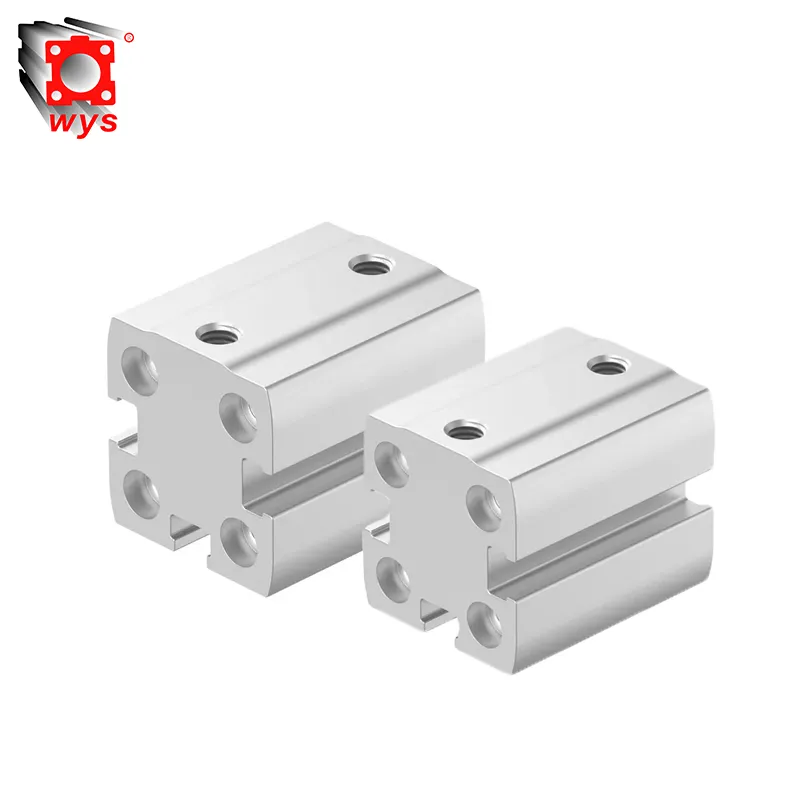
Should a double-acting pneumatic cylinder barrel be chosen when the return stroke cannot rely on springs or gravity?
In many pneumatic systems, the return stroke method is a key limiting factor in selection.
If the following conditions exist:
• Large return load
• Non-perpendicular installation direction
• Non-negligible motion resistance
• Insufficient or unstable spring return force
Then, structures relying on springs or gravity for return stroke will pose significant risks.
In this case, the double-acting pneumatic cylinder barrel completes the return stroke using pneumatic pressure, avoiding problems such as incomplete return or delayed action.
From a reliability perspective, this type of operating condition is very suitable for using a double-acting pneumatic cylinder tube.
Is a double-acting pneumatic cylinder barrel always necessary when the load exists in both directions?
In many mechanical structures, the load does not act in only one direction.
For example, during operation:
• The piston needs to overcome resistance as it advances.
• Thrust is also required during the piston's return stroke.
• External mechanisms may apply opposing loads in both directions.
In such cases, relying solely on unidirectional drive, the pneumatic cylinder barrel cannot guarantee stability during the return stroke.
A double-acting pneumatic cylinder barrel can provide effective thrust in both directions, allowing it to maintain active control throughout its entire stroke. This is a significant advantage under complex load conditions.
Is a double-acting pneumatic cylinder tube more suitable for longer strokes?
Stroke length is also an important factor in determining whether to use a double-acting pneumatic cylinder tube.
As the stroke increases:
• Spring return force decreases significantly.
• Frictional resistance has a greater impact on motion.
• Speed and position stability become more difficult to guarantee.
Under long stroke conditions, a double-acting pneumatic cylinder tube can ensure stable piston movement throughout the entire stroke range through continuous pneumatic pressure output.
Therefore, when a pneumatic cylinder barrel needs to achieve medium-to-long stroke reciprocating motion, a double-acting structure is generally more feasible.
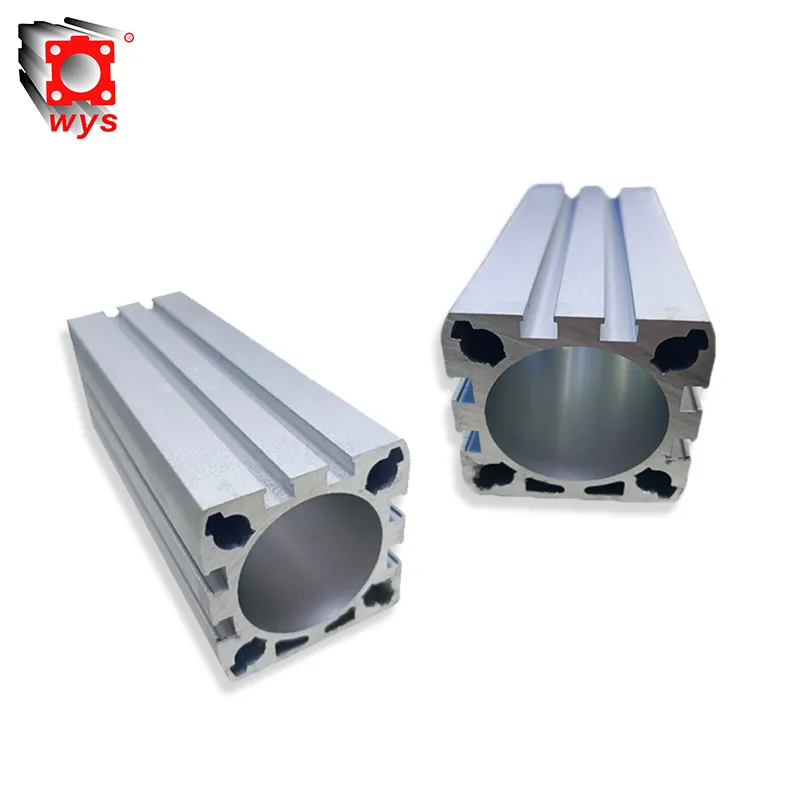
Should a double-acting pneumatic cylinder tube be prioritized for high-frequency operation?
Under high-frequency reciprocating motion conditions, the actuator faces the following challenges:
• High number of cycles
• Frequent motion switching
• Significant friction and heat accumulation
If a structure relying on spring return is used, the elastic element is prone to:
• Fatigue attenuation
• Inconsistent return
• Imbalanced action rhythm
In contrast, the double-acting pneumatic cylinder barrel achieves bidirectional motion through pneumatic pressure, eliminating spring fatigue issues and making it more suitable for high-frequency operating environments.
From a long-term stability perspective, using a double-acting pneumatic cylinder tube is often more reasonable under high-frequency operating conditions.
Is a double-acting pneumatic cylinder tube always necessary when precise speed and timing adjustments are required?
In many pneumatic systems, the timing of motion directly impacts overall coordination.
Double-acting pneumatic cylinder tubes offer significant advantages in speed control:
• Independently adjustable extension speed
• Controllable return speed
• Buffering through throttling
Because pneumatic cylinder barrels are controlled in both directions, system designers can more flexibly match motion rhythms.
Therefore, double-acting pneumatic cylinder barrels are often the more suitable choice when equipment requires high speed consistency and timing control.
Should a double-acting pneumatic cylinder barrel be chosen when the installation orientation is complex?
The installation method is often overlooked, but it directly affects the performance of the pneumatic cylinder barrel.
If the pneumatic cylinder barrel requires:
• Horizontal installation
• Tilt installation
• Reverse installation
Then, if the return stroke relies on gravity or a spring, it is easily affected by changes in orientation.
Double-acting pneumatic cylinder barrels are independent of installation orientation; their return stroke is entirely pneumatically driven, maintaining consistent motion performance across various installation angles.
This is especially important in equipment with complex spatial layouts.
Is a double-acting pneumatic cylinder tube more suitable when system reliability requirements are high?
From a system reliability perspective, double-acting pneumatic cylinder tubes offer the following advantages:
• More controllable motion
• Return stroke unaffected by external conditions
• More predictable failure modes
Although the structure of a double-acting pneumatic cylinder tube is relatively complex, under proper design and maintenance, its operational stability is often superior to simpler structures.
Therefore, in systems with high requirements for continuity and stability, using a double-acting pneumatic cylinder tube is more beneficial for overall reliability control.
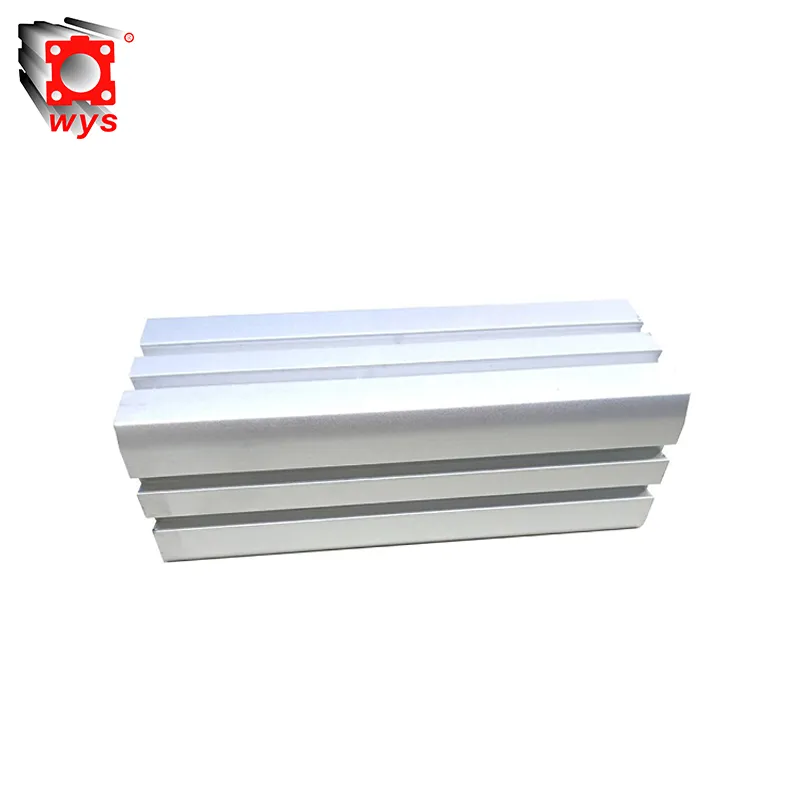
Should a double-acting pneumatic cylinder barrel be used in all situations?
The answer is no.
Despite the many advantages of double-acting pneumatic cylinder tubes, this structure is not necessary for all operating conditions. If:
• Only unidirectional output force is required
• Return load is minimal
• The system is highly cost-sensitive
• The simpler the structure, the better
Then, using a double-acting pneumatic cylinder tube may introduce unnecessary complexity.
Therefore, the decision to use a double-acting pneumatic cylinder tube should be based on the specific operating requirements, rather than simply pursuing performance redundancy.
When should a double-acting pneumatic cylinder tube truly be used?
From an engineering perspective, the core of pneumatic cylinder barrel selection lies not in the structure itself, but in whether it meets the actual requirements.
Double-acting pneumatic cylinder tubes are particularly suitable for:
• Motion applications requiring bidirectional drive force
• Systems with specific requirements for return reliability
• High-frequency, long-stroke, or complex load conditions
• Equipment requiring high motion control precision
Only under these conditions can the structural advantages of a double-acting pneumatic cylinder tube truly translate into system performance advantages.
What sets your factory apart from other suppliers?
Foshan Weiyingjia Technology Co., Ltd. stands out due to our strict quality control, advanced production lines, and technical expertise. Our 6 production lines and 100+ skilled technicians ensure consistent quality. From aluminum recycling to CNC machining and hard anodizing, every step is carefully monitored. Customers buying from us benefit from a professional manufacturer that delivers high-quality pneumatic components with competitive prices and reliable supply.