

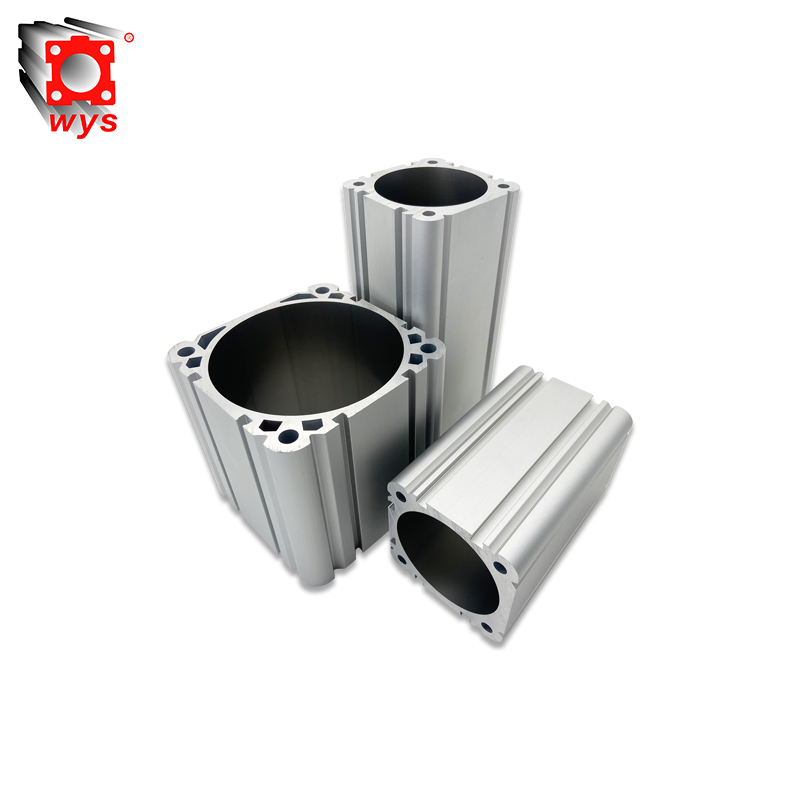
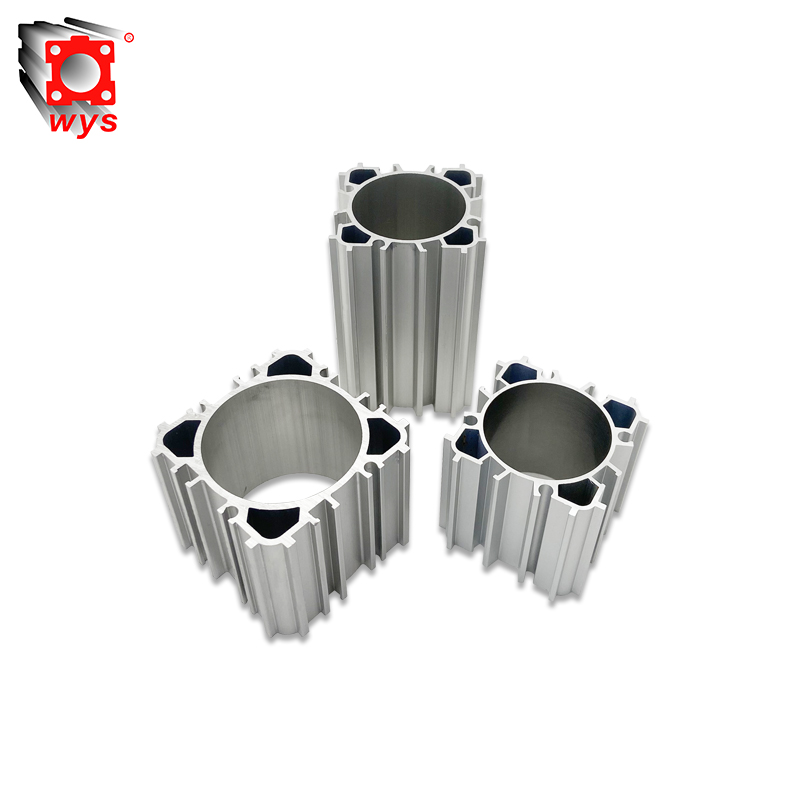
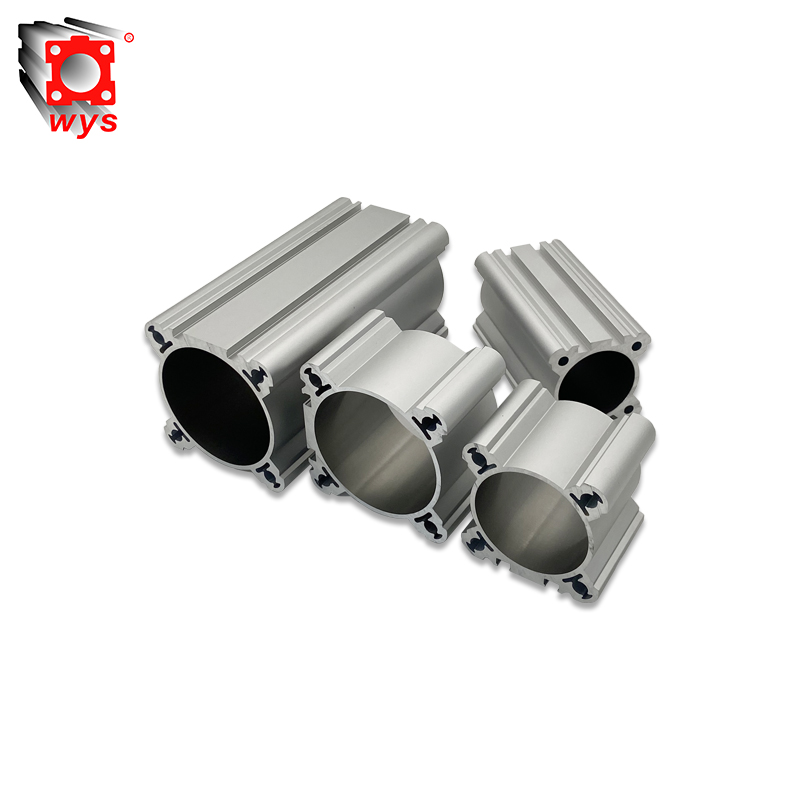
In various pneumatic systems, the pneumatic cylinder barrel plays a crucial role. It is not only the main structure of the cylinder but also the core space where the piston performs reciprocating motion, compresses air, and converts pressure into mechanical force.
Once the pneumatic cylinder barrel fails, the accuracy, stability, and reliability of the cylinder's operation will be directly affected, potentially leading to the entire equipment malfunctioning.
Therefore, many users and engineers are concerned about this question: What causes pneumatic cylinder tube failure?
Pneumatic cylinder tube failure is not accidental; it is usually the result of multiple factors acting over time or in combination.
This article systematically analyzes the causes of pneumatic cylinder barrel failure from multiple perspectives, including structural conditions, operating conditions, environmental factors, and usage methods, to help you fully understand why pneumatic cylinder barrel failure occurs and the technical logic behind it.
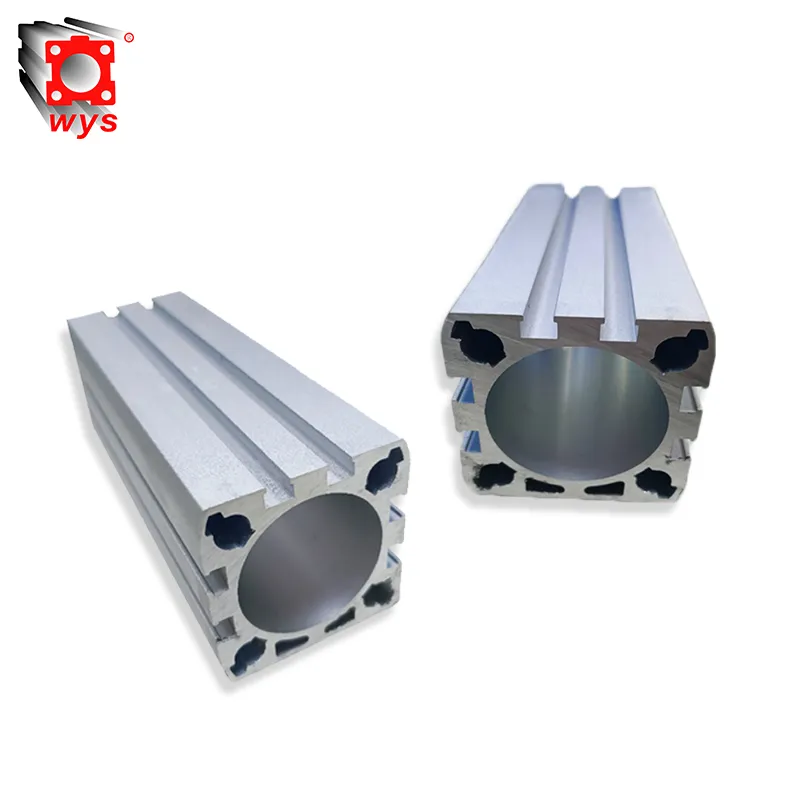
What is pneumatic cylinder barrel failure?
In an engineering context, "failure" is not equivalent to complete damage or breakage. For a pneumatic cylinder barrel, failure usually means:
The pneumatic cylinder barrel is no longer able to reliably and continuously perform its intended function under the designed operating conditions.
Common Manifestations of Pneumatic Cylinder Barrel Failure Include:
• Severe internal leakage, insufficient thrust
• Piston movement is stuck or unstable
• Abnormal wear of seals
• Internal wall damage affecting operation
• Significantly shortened service life
Understanding this is very important, because many pneumatic cylinder barrels, even when "still working," are actually in a state of failure or close to failure.
Is pneumatic cylinder barrel failure always caused by a single reason?
In most cases, no.
Pneumatic cylinder barrel failure is often the result of one or more of the following factors:
• Unreasonable operating conditions
• Deteriorating environmental factors
• Inadequate maintenance
• Abnormal structural stress
• Accumulation of internal contaminants
Therefore, when analyzing the causes of pneumatic cylinder tube failure, a systematic approach is necessary, rather than focusing on a single issue.
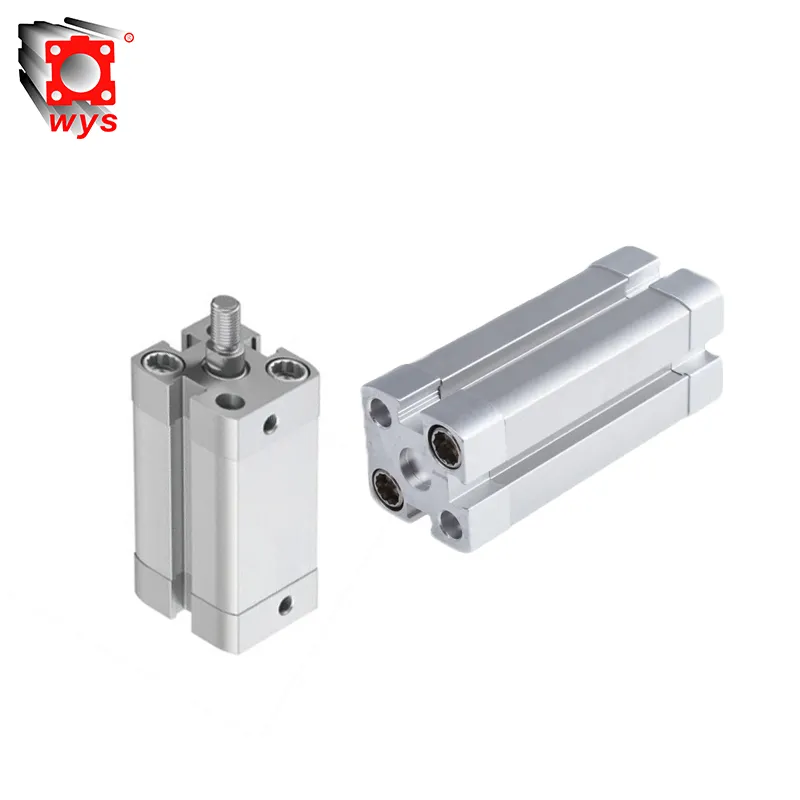
Why do contaminants cause pneumatic cylinder barrel failure?
This is one of the most common causes of pneumatic cylinder barrel failure.
1. Where Do the Contaminants Inside the Pneumatic Cylinder Barrel Mainly Come From?
• Dust in compressed air
• Moisture in the air
• Oil contamination in the piping
• External environmental particles entering the system
When these contaminants enter the pneumatic cylinder barrel, they will have a series of negative effects on the pneumatic cylinder barrel.
2. Mechanism of Contaminant Impact on the Pneumatic Cylinder Tube
• Scratching the inner wall of the pneumatic cylinder tube
• Accelerating seal wear
• Disrupting internal lubrication
• Increasing piston operating resistance
After long-term operation, once the inner wall of the pneumatic cylinder tube is damaged, it is difficult to restore its original performance even after replacing the seals, resulting in irreversible failure.
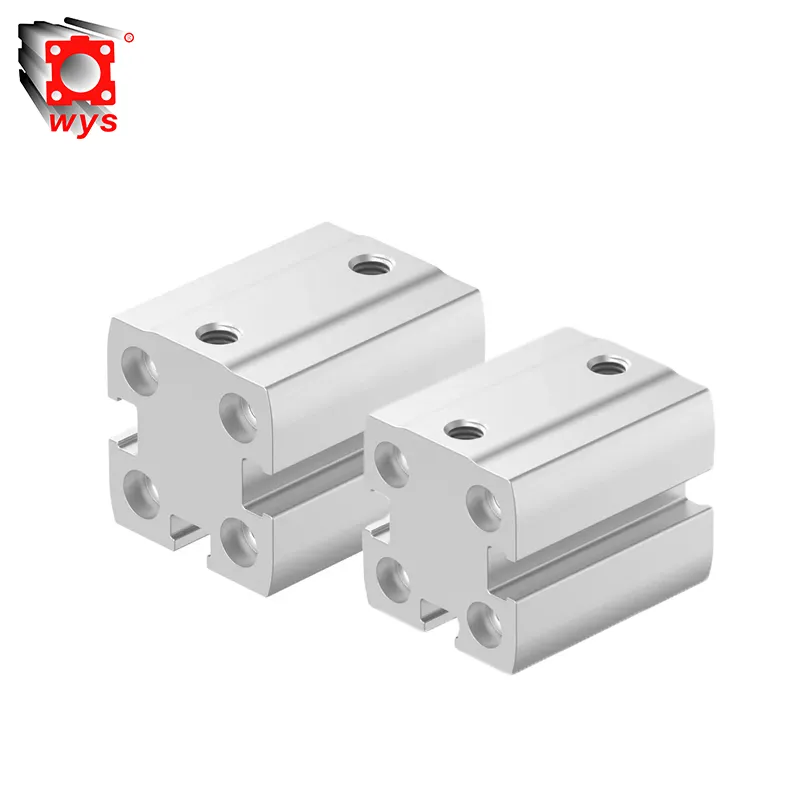
What failure problems can moisture entering the pneumatic cylinder barrel cause?
Moisture is one of the most destructive factors in pneumatic systems, and its impact on the pneumatic cylinder barrel is particularly significant.
Common Consequences of Moisture Entering the Pneumatic Cylinder Barrel
• Inner wall corrosion
• Surface pitting
• Seal swelling or aging
• Uneven piston movement
When the inner wall of the pneumatic cylinder tube corrodes, its surface finish will significantly decrease, directly affecting sealing performance and friction, ultimately leading to pneumatic cylinder tube failure.
Why is pneumatic cylinder barrel inner wall wear a failure cause that cannot be ignored?
The inner wall of the pneumatic cylinder barrel is a critical surface where the piston and seals are in long-term contact and repeatedly rub against each other.
1. Main sources of inner wall wear
• Insufficient lubrication
• Abrasive wear from contaminant particles
• Piston off-center loading
• Excessive operating frequency
2. Direct consequences of inner wall wear
• Seal failure
• Increased internal leakage
• Reduced thrust
• Increased energy consumption
Once the inner wall wear of the pneumatic cylinder barrel exceeds the allowable range, it will be considered a functional failure, and even if the appearance is intact, it is no longer suitable for continued use.
Can pneumatic cylinder tube deformation lead to failure?
The answer is yes, and this type of failure is often very insidious.
1. Common Causes of Pneumatic Cylinder Barrel Deformation
• External impact
• Improper installation
• Prolonged lateral load
• Unreasonable support structure
Even very slight deformation can lead to:
• Misalignment of the piston and the pneumatic cylinder tube
• Increased local friction
• Abnormal wear of seals
The end result is often increasingly unstable operation of the pneumatic cylinder tube until failure.
Can improper installation directly lead to pneumatic cylinder tube failure?
This is an often underestimated factor.
Common Installation Problems Include:
• Misalignment of the pneumatic cylinder tube and the load
• Unreasonable fixing method
• Lack of necessary guiding structure
• Long-term installation stress
These problems cause the pneumatic cylinder barrel to bear additional lateral forces during operation, while the pneumatic cylinder barrel itself is not designed to withstand lateral loads.
Under long-term stress, the pneumatic cylinder barrel is highly susceptible to premature failure due to abnormal stress.
Why does overload operation accelerate pneumatic cylinder tube failure?
Pneumatic cylinders are designed with a corresponding allowable load range.
1. Manifestations of overload operation
• Pushing beyond the design load
• Frequent impacts at the end of the stroke
• Long-term operation near maximum pressure
2. Impact of overload on the pneumatic cylinder tube
• Abnormal pressure on the inner wall
• Excessive force on the seals
• Increased eccentric loading of the piston rod
Under these working conditions, all key parts of the pneumatic cylinder tube are forced to operate in a non-designed state, and the risk of failure increases significantly.
Can poor lubrication conditions lead to pneumatic cylinder tube failure?
Lubrication is not an "optional" condition for pneumatic cylinders.
1. Consequences of insufficient lubrication
• Increased friction coefficient
• Increased inner wall temperature
• Dry friction of seals
• Accelerated wear rate
When the pneumatic cylinder tube is in a state of insufficient lubrication for a long time, its internal wear will accelerate exponentially, ultimately leading to functional failure.
Are pneumatic cylinder seal problems equivalent to cylinder barrel failure?
This is a question that needs to be distinguished.
Seal Failure vs. Pneumatic Cylinder Tube Failure
• Seal failure: Usually replaceable, a recoverable problem.
• Pneumatic cylinder tube failure: Damage to the inner wall, structure, or geometric accuracy, usually irreversible.
However, it's important to note:
Frequent seal failures are often a signal that the pneumatic cylinder tube itself is already experiencing problems.
What failure risks does a harsh operating environment pose to the pneumatic cylinder tube?
Pneumatic cylinder tubes cannot operate stably for extended periods in all environments.
Unfavorable Environmental Factors Include:
• High humidity
• High dust concentration
• Corrosive gases
• Drastic temperature changes
These environmental factors accelerate the failure process of the pneumatic cylinder tube through corrosion, contamination, or changes in material properties.
Is inadequate maintenance one of the root causes of pneumatic cylinder tube failure?
The answer is: a very important reason.
Common Manifestations of Inadequate Maintenance:
• Failure to check operating status for extended periods
• Ignoring early abnormal signals
• Failure to address air treatment system malfunctions
• Inadequate cleaning and lubrication
Pneumatic cylinder tube failure is often not a "sudden event," but a gradual deterioration process. Lack of maintenance significantly accelerates this process.
What "signals" does a pneumatic cylinder tube usually give before failure?
Before complete failure, the pneumatic cylinder tube usually exhibits some obvious signs:
• Gradually decreasing thrust
• Unstable operating speed
• Increased operating noise
• Significantly increased energy consumption
• Inconsistent movement
If these signals are ignored, it will often lead to irreversible pneumatic cylinder tube failure.
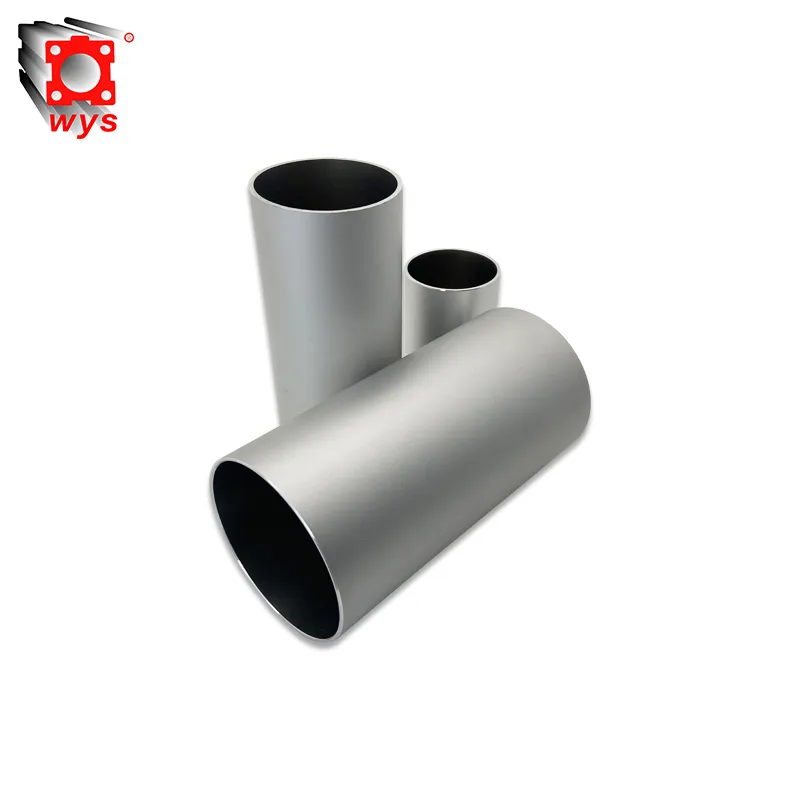
Why is pneumatic cylinder barrel failure often a "combined result"?
As Can Be Seen From the Analysis Above:
• Contamination
• Moisture
• Wear
• Deformation
• Overload
• Improper installation
• Insufficient maintenance
These factors do not exist in isolation, but rather interact and amplify each other.
For example:
Contamination → Wear → Seal failure → Internal leakage → Decreased thrust → Overload operation → Accelerated failure
This is a typical path to pneumatic cylinder tube failure.
What causes pneumatic cylinder barrel failure?
The main reasons for pneumatic cylinder barrel failure include:
• Contaminants entering the pneumatic cylinder barrel
• Moisture causing corrosion and performance degradation
• Inner wall wear affecting sealing and friction
• Deformation or structural damage to the pneumatic cylinder barrel
• Improper installation leading to long-term abnormal stress
• Overloading beyond design capacity
• Insufficient lubrication accelerating wear
• Harsh operating environment
• Inadequate maintenance leading to the accumulation of problems
Pneumatic cylinder barrel failure is not accidental, but rather the result of the combined effects of conditions, environment, and usage.
Only by truly understanding these reasons can more reasonable judgments be made when using and managing pneumatic systems.
What does Foshan Weiyingjia Technology Co., Ltd. specialize in?
Foshan Weiyingjia Technology Co., Ltd., established in 2007, is a professional manufacturer and supplier specializing in aluminum alloy pneumatic cylinder barrels. With over 15 years of experience, our company operates a 10,000-square-meter factory with 6 production lines.
We offer high-quality products such as pneumatic cylinder kits, cylinder liners and seal rings, and various pneumatic components. Customers can buy directly from our factory at competitive prices, ensuring both reliability and durability.