

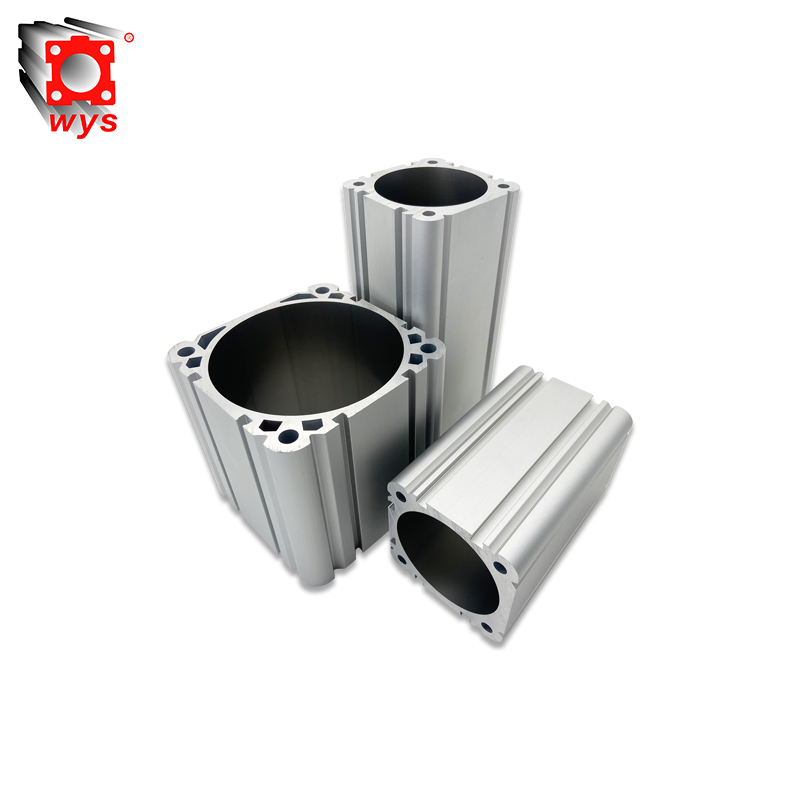
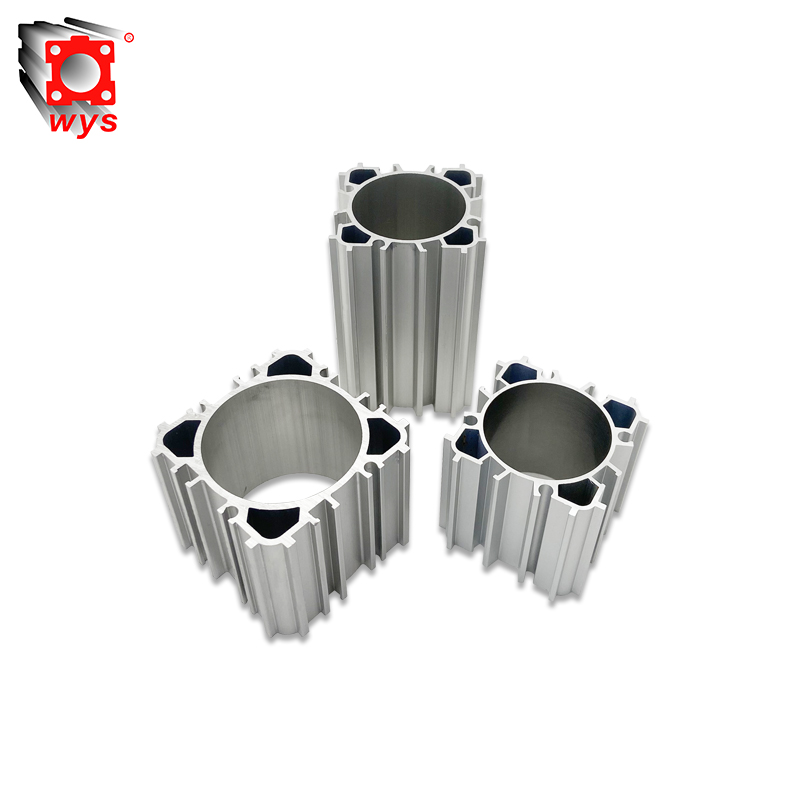
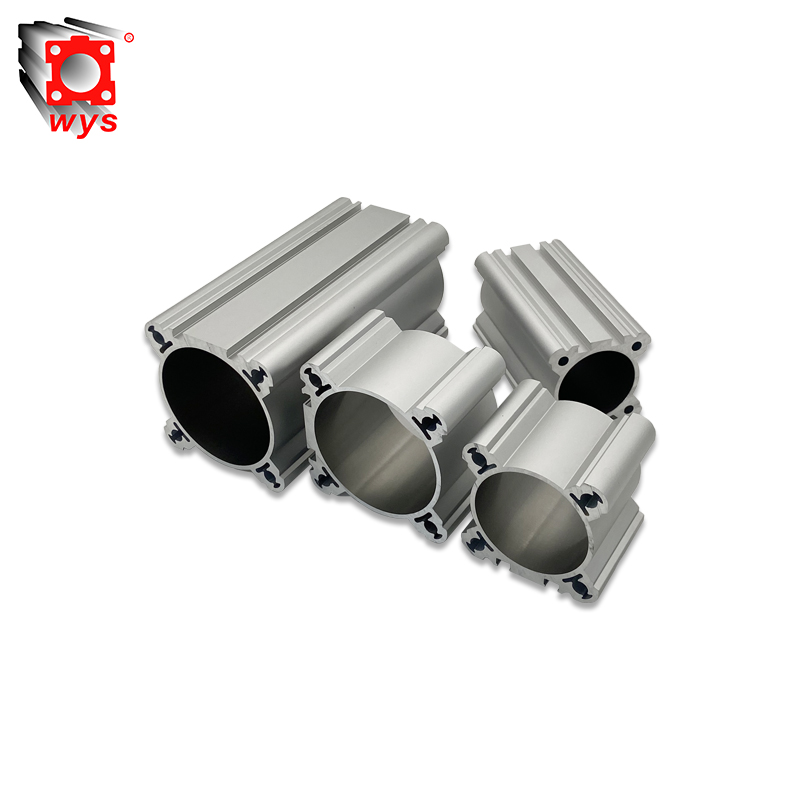
In industrial automation equipment, pneumatic systems represent a very common and critical method of power transmission, and the pneumatic cylinder is one of the most core actuating components within such systems. To ensure stable operation, pneumatic cylinders are typically fitted with various internal sealing elements; among these, the pneumatic cylinder seal is one of the most critical sealing structures. The primary function of a pneumatic cylinder seal ring is to maintain internal gas pressure, minimize air leakage, and ensure the smooth movement of the piston.
However, during actual equipment maintenance, some operators may overlook issues regarding the wear or damage of pneumatic cylinder seals, assuming that immediate replacement is unnecessary as long as the equipment remains operational. In reality, this approach leads to a series of serious consequences. If damage to a pneumatic cylinder seal ring is ignored, the efficiency, stability, and overall service life of the pneumatic system—and the equipment itself—can be significantly compromised.
This article will provide an in-depth analysis covering various aspects—including the structural function of air cylinder seals, the symptoms of damage, the impact on system performance, and the importance of equipment maintenance—to help readers fully understand the potential problems that may arise from ignoring a damaged pneumatic cylinder seal ring.
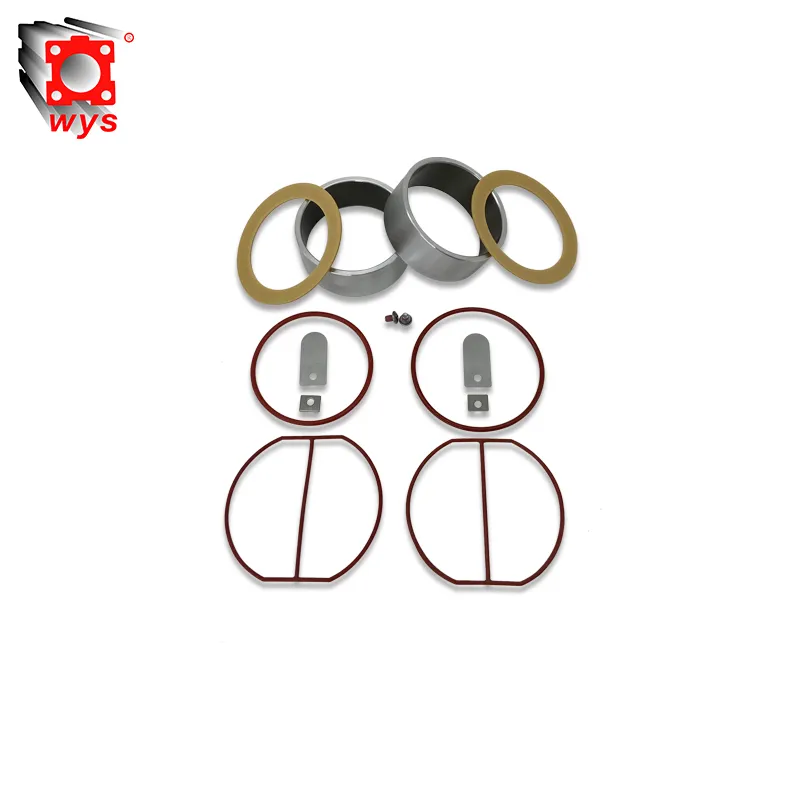
Components of a Pneumatic Cylinder and the Core Role of the Pneumatic Cylinder Seal
A pneumatic cylinder typically consists of the following main components:
•Cylinder Barrel
•Piston
•Piston Rod
•Front and Rear End Covers
•Guiding Structure
•Sealing System (including the pneumatic cylinder seal)
Among these components, the sealing system plays a critically important role. Pneumatic cylinder seals are typically installed on the piston or within the end covers to prevent the leakage of compressed air and to maintain the internal pressure of the cylinder.
Pneumatic cylinder seals primarily serve the following functions:
1. Maintaining Internal Sealing Integrity
Pneumatic cylinder seals effectively prevent compressed air from leaking through the clearance between the piston and the cylinder barrel.
2. Maintaining Stable Operating Pressure
A robust sealing structure ensures the creation of a stable pressure differential within the cylinder, thereby generating a consistent thrust force.
3. Reducing Friction and Wear
Some pneumatic cylinder seals also possess lubricating properties, which help to reduce friction between the piston and the cylinder wall.
4. Preventing Contaminants from Entering the Cylinder
Pneumatic cylinder seals also act as a barrier, preventing dust and impurities from entering the internal mechanisms of the cylinder. If the seals within a pneumatic cylinder become damaged, these functions will be compromised to varying degrees.
Why are air cylinder seals prone to damage?
Air cylinder seals are consumable components located inside the cylinder; over the course of long-term use, they may sustain damage due to a variety of influencing factors.
Reasons why pneumatic cylinder seals are susceptible to damage include:
•Wear caused by prolonged friction
•Material fatigue resulting from pressure fluctuations
•Material aging caused by temperature variations
•Deformation of the sealing structure due to improper installation
•Contaminant-induced wear resulting from poor air supply quality
When pneumatic cylinder seals are subjected to these factors, their sealing performance gradually deteriorates. If the damaged seals are not replaced in a timely manner, the equipment's operation may begin to experience progressive issues.
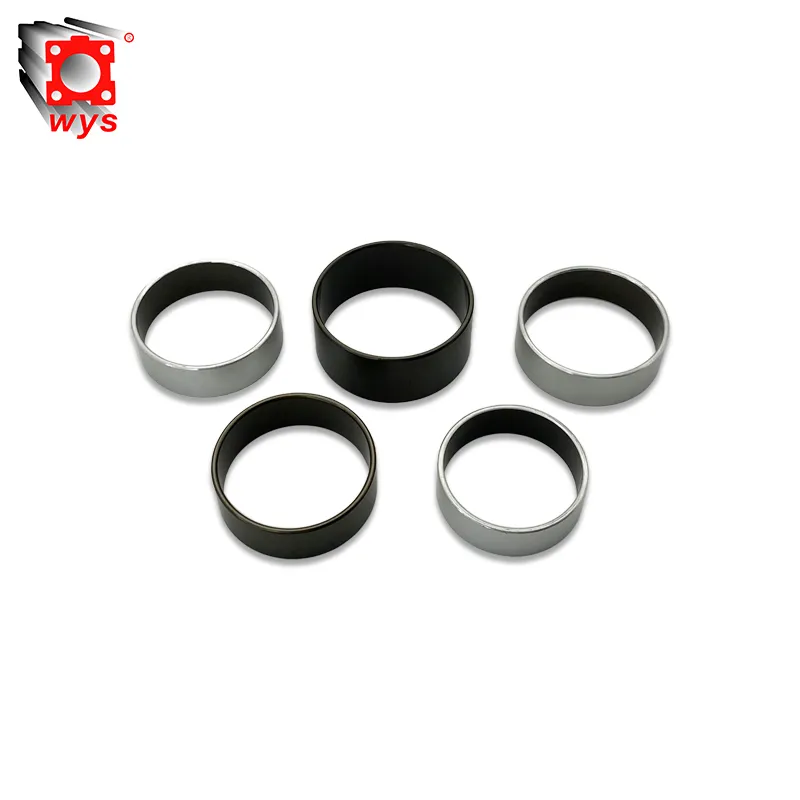
Will a pneumatic cylinder stop working immediately once its seals are damaged?
Many people assume that maintenance is only required when the equipment becomes completely inoperable. In reality, however, a pneumatic cylinder can often continue to function for a short period even after its seals have been damaged.
This is because:
•The cylinder retains some residual sealing capacity internally
•The system pressure remains sufficient to meet minimum operational requirements
•The control system is still capable of actuating the cylinder's movement
Nevertheless, this constitutes an abnormal operating state. If the issue of damaged seals continues to be ignored, the equipment is likely to develop additional faults over time.
Does ignoring damaged air cylinder seals lead to air leakage?
The answer is yes.
Pneumatic systems rely on compressed air to generate power; consequently, sealing performance directly determines system efficiency. When air cylinder seals are damaged, air leakage typically occurs at the following locations:
•Between the piston and the cylinder wall
•Between the piston rod and the end cap
•Between the seal groove and the seal itself
Air leakage can lead to the following problems:
•Reduced cylinder thrust
•Unstable movement speed
•Decreased system pressure
•Increased consumption of compressed air
Ignoring damaged air cylinder seals over the long term will result in a significant decline in the overall efficiency of the pneumatic system.
Does damage to air cylinder seals affect equipment operational stability?
When air cylinder seals become damaged, the operational stability of the equipment is often significantly compromised.
The Impact of Damaged Pneumatic Cylinder Seals on Equipment:
1. Uneven Cylinder Movement
Due to unstable gas pressure, the piston's velocity may fluctuate during operation, resulting in uneven movement.
2. Thrust Fluctuations
Degraded sealing performance leads to internal pressure variations within the cylinder, causing the cylinder's thrust to fluctuate.
3. Reduced Control Precision
In automated equipment, the precision of cylinder movement is critical. If a pneumatic cylinder seal ring is damaged, the equipment's control precision may decline significantly.
Therefore, even if the pneumatic cylinder remains operational, a damaged seal can still have a severe impact on the equipment's overall stability.
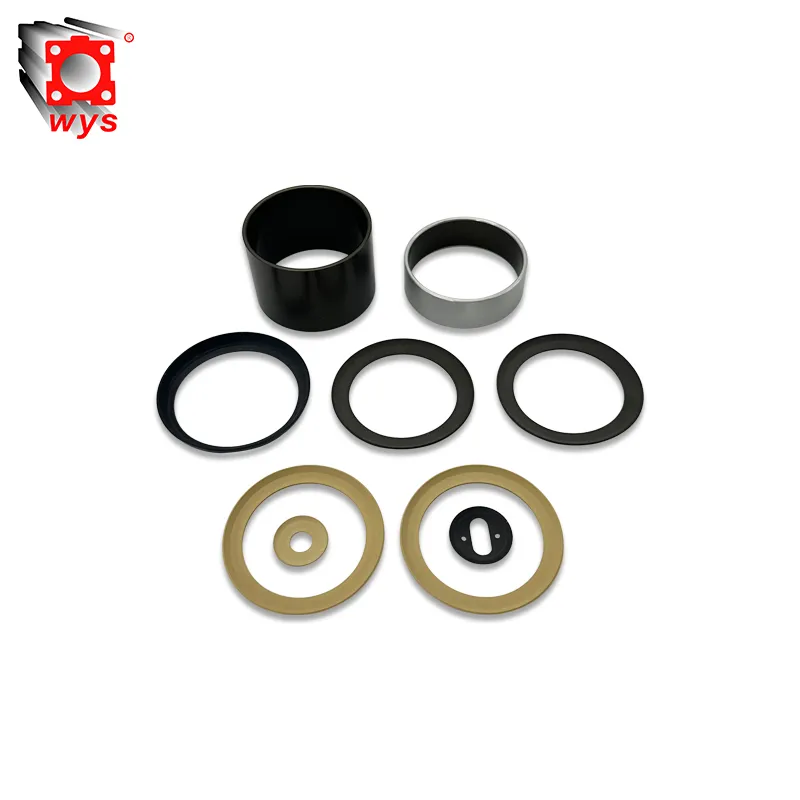
Does Ignoring Damaged Pneumatic Cylinder Seals Over Time Increase Equipment Wear?
Yes, it does.
Pneumatic cylinder seals serve not only a sealing function but also, to a certain extent, provide cushioning and protection. If a seal is damaged, friction between the piston and the cylinder barrel may increase.
This situation can lead to:
•Accelerated piston wear
•Scratches on the inner wall of the cylinder
•Damage to the guiding structure
Once the internal structure of the cylinder is damaged, repair costs will increase significantly.
Does Ignoring Damaged Pneumatic Cylinder Seals Increase System Energy Consumption?
The energy for a pneumatic system is derived from compressed air, the production of which entails relatively high costs. If a damaged air cylinder seal causes air leakage, the air compressor must operate more frequently to maintain pressure.
This results in the following issues:
•Increased energy consumption
•Higher equipment operating costs
•Increased load on the air compressor
From a long-term operational perspective, ignoring damaged pneumatic cylinder seals will significantly increase equipment operating costs.
Does Damaged Pneumatic Cylinder Seals Affect the Lifespan of the Pneumatic System?
The various components within a pneumatic system are interconnected. If a pneumatic cylinder seal ring remains in a damaged state for an extended period, it may trigger a chain reaction affecting other components.
For example:
•Wear on the cylinder's internal structure
•Increased workload on control valves
•Increased pressure load on the air filtration system
All of these issues contribute to shortening the overall service life of the pneumatic system.
How Can One Avoid Overlooking Damaged Pneumatic Cylinder Seals?
To prevent equipment malfunctions caused by damaged pneumatic cylinder seals, a robust inspection mechanism should be established as part of the equipment maintenance routine.
Common maintenance measures for pneumatic cylinder seals include:
1. Regularly inspect seal condition
Maintenance personnel should periodically check the pneumatic cylinder seals for signs of wear, cracks, or deformation.
2. Monitor cylinder operating sounds
Abnormal air leakage sounds are often a critical indicator that the pneumatic cylinder seals are damaged.
3. Monitor system pressure
If the system pressure exhibits abnormal fluctuations, this may also be related to the air cylinder seals.
4. Replace seals promptly
As soon as a decline in the performance of the pneumatic cylinder seal ring is detected, they should be replaced immediately.
By implementing these maintenance measures, one can effectively prevent the problems that arise from overlooking damage to pneumatic cylinder seal ring.
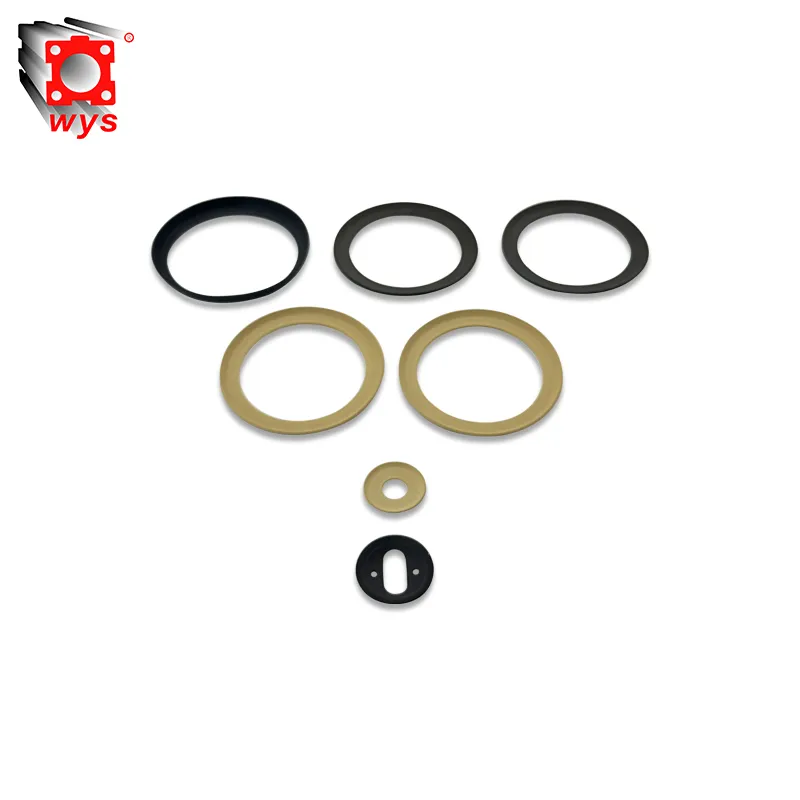
What Makes Your Factory Competitive in the Global Market?
Weiyingjia possesses significant advantages as a pneumatic cylinder barrel manufacturer in China. We operate a 10,000-square-meter facility featuring 6 production lines, a team of over 100 experienced staff, and comprehensive in-house processing capabilities. We manufacture compact cylinder barrels, seamless tubes, double-acting barrels, and stainless steel models—all offered at competitive prices.
Whether buyers require customized solutions, reliable supplier support, or high-quality alternatives to expensive brand-name products, Weiyingjia offers an exceptional balance of performance and value.
We Are Sincerely Seeking Agents. Welcome To Inquire.