

In compressed air systems, pneumatic components are typically designed to operate in a "dry air" environment. However, in practical applications, due to insufficient air treatment, high environmental humidity, or inadequate system maintenance, water ingress into the pneumatic cylinder barrel is not an uncommon problem.
Many engineers do not fully realize the seriousness of this problem, often only focusing on whether the cylinder can still operate, while ignoring the structural damage occurring inside the pneumatic cylinder barrel.
So, what happens if water enters a pneumatic cylinder barrel? What effects does moisture have on the internal structure of the pneumatic cylinder barrel? Why is the pneumatic cylinder barrel so sensitive to moisture?
This article will systematically and professionally analyze the consequences of water ingress into the pneumatic cylinder barrel from the perspectives of materials, sealing, structure, and operating mechanisms.
Why does water enter the pneumatic cylinder barrel?
Before discussing the consequences of water ingress into the pneumatic cylinder barrel, it is necessary to clarify a fundamental question: where does the water in the pneumatic cylinder barrel come from?
1. Compressed air itself contains moisture
Air naturally contains water vapor, and when air is compressed, moisture is more likely to condense. If the air treatment unit (such as filters and dryers) is insufficient, moisture will enter the cylinder with the compressed air, thus entering the inside of the pneumatic cylinder barrel.
2. Influence of external environmental humidity
When working in a high-humidity or misty environment, the extension and retraction of the piston rod of the pneumatic cylinder barrel will create a "suction effect" in the sealing area, allowing moisture to gradually enter the pneumatic cylinder barrel.
3. Accidental entry during cleaning or flushing
When there is a water source around the equipment, or during non-sealed cleaning operations, moisture may enter the pneumatic cylinder barrel through the piston rod sealing area.
Regardless of the source, once moisture enters the pneumatic cylinder barrel, its impact is often systemic, rather than short-term or superficial.
What are the most direct consequences of water ingress into the pneumatic cylinder barrel?
The most intuitive and common consequence of water ingress into the pneumatic cylinder barrel is internal rusting.
1. Corrosion of metal parts
The inside of the pneumatic cylinder barrel usually contains the following metal contact surfaces:
• Inner wall of the cylinder barrel
• Outer surface of the piston
• Inner contact area of the piston rod
When moisture remains inside the pneumatic cylinder barrel for a long time, especially in an oxygen-containing environment, it is very easy to cause metal corrosion. Even if the pneumatic cylinder barrel is made of aluminum, if there are steel components inside, corrosion problems will still occur.
2. Damage to the inner surface due to corrosion
The inner surface of the pneumatic cylinder barrel should be clean and smooth to reduce friction and wear. Once rust occurs:
• The surface roughness of the inner wall increases rapidly.
• The piston's operating resistance increases significantly.
• The seals are repeatedly scratched by irregular rust spots.
This type of damage is irreversible and will continue to worsen.
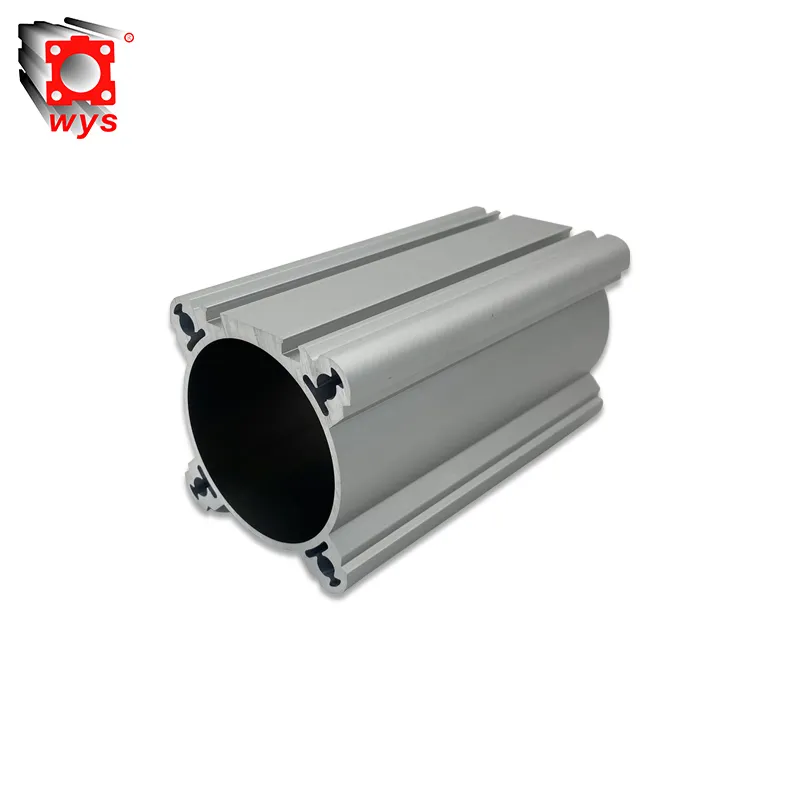
What impact does water ingress into the pneumatic cylinder tube have on the seals?
In addition to metal corrosion, water ingress into the pneumatic cylinder tube has equally serious, and even more insidious, effects on the seals.
1. Seal swelling due to water absorption
Common cylinder sealing materials (such as rubber or synthetic elastomers) may undergo volume changes after contact with water:
• Seal rings swell
• Elastic performance decreases
• The fit with the inner wall of the pneumatic cylinder tube is compromised
This change directly affects the sealing performance of the pneumatic cylinder tube.
2. Accelerated seal aging
Moisture can damage the molecular structure of the sealing material, especially under repeated movement and pressure changes. The seals will more quickly experience:
• Hardening
• Cracking
• Loss of elasticity
Ultimately leading to continuous air leakage inside the pneumatic cylinder tube.
3. Chain reaction of seal failure
Once the seal performance deteriorates, the pneumatic cylinder tube is more likely to draw in external air and moisture, creating a vicious cycle and exacerbating internal damage.
How does water ingress into the pneumatic cylinder tube affect the cylinder's operating state?
From an operational perspective, water ingress into the pneumatic cylinder tube directly changes the cylinder's working characteristics.
1. Unstable piston movement
When water mixes with the lubricating medium, it disrupts the original lubrication state, causing the piston's movement within the pneumatic cylinder tube to exhibit:
• Sticking
• Shaking
• Crawling
These problems are particularly noticeable during low-speed operation.
2. Reduced Thrust and Response Performance
When the effective seal inside the pneumatic cylinder barrel is damaged, it becomes difficult for compressed air to maintain stable pressure, leading to:
• Reduced output thrust
• Slower response time
• Decreased repeatability accuracy
3. Continuous Expansion of Internal Damage
Water does not "disappear on its own." Repeated participation in the movement process inside the pneumatic cylinder barrel will continuously expand the wear area, causing the damage to develop from localized to overall.
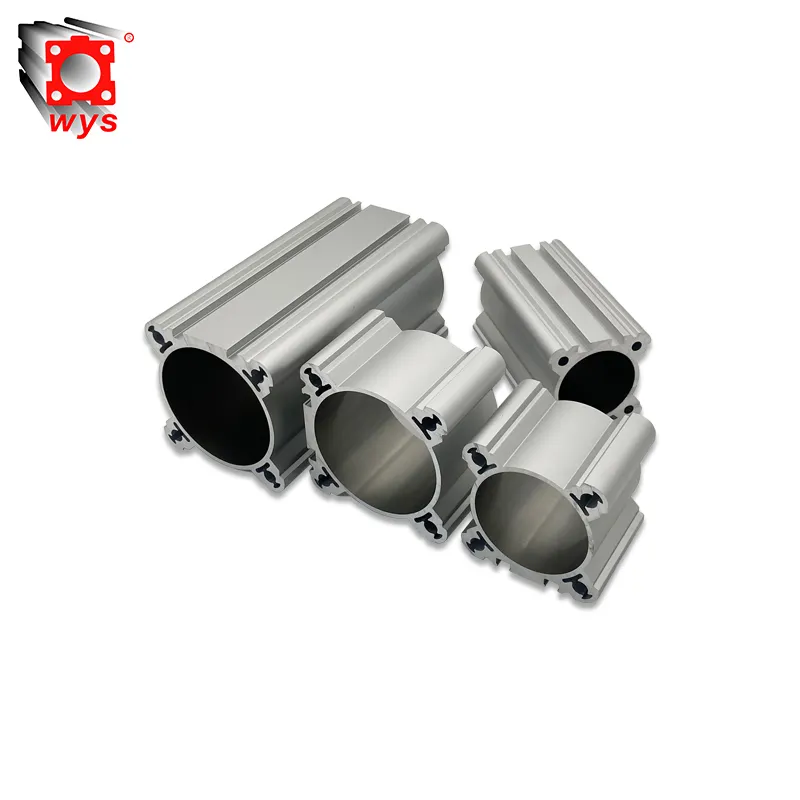
Why is it difficult to completely restore a pneumatic cylinder tube after water ingress?
Many people mistakenly believe that simply draining the water or relubricating will restore the pneumatic cylinder barrel's performance. However, from an engineering perspective, this idea is unrealistic.
1. Irreversible Inner Wall Damage
Once the inner wall of the pneumatic cylinder tube loses its original surface condition due to corrosion or scratches, it is difficult to completely repair it without replacing the cylinder barrel.
2. Latent Seal Failure
Even seals that appear intact may have undergone internal structural changes after absorbing water and undergoing chemical changes. Continued use will create new potential failure points.
3. Difficult to Remove Trace Amounts of Residual Water
The pneumatic cylinder barrel has multiple structural dead ends where water can easily accumulate. Even if the surface appears dry, there may still be hidden sources of corrosion inside.
Why are the requirements for pneumatic cylinder barrels higher in a water environment?
Because pneumatic cylinder barrels are extremely sensitive to moisture, the structural configuration of compressed air systems must be re-evaluated when used in water or high-humidity environments.
1. Higher Requirements for Material Corrosion Resistance
Ordinary materials are difficult to work reliably in a water environment for extended periods. Therefore, it is often necessary to:
• Use metals with stronger corrosion resistance
• Avoid combinations of internal structures that are prone to corrosion
2. Compatibility Issues with Sealing Materials
Not all sealing materials are suitable for prolonged contact with water. Seals must have good water resistance and dimensional stability to function properly in a pneumatic cylinder barrel.
3. Protection Needs of Internal Structures
Under high moisture conditions, the pneumatic cylinder tube is not only a moving part but also a sealed cavity that needs to withstand corrosion and media intrusion for a long time.
How to understand the seriousness of water ingress into a pneumatic cylinder tube from a structural perspective?
Water ingress into a pneumatic cylinder tube is not a single-point problem, but rather triggers a series of structural and systemic damages:
• Moisture leads to metal corrosion
• Corrosion damages the inner surface quality
• Surface damage exacerbates seal wear
• Seal failure further introduces moisture and impurities
This chain reaction causes the pneumatic cylinder tube to gradually lose its essential functional integrity from the inside.
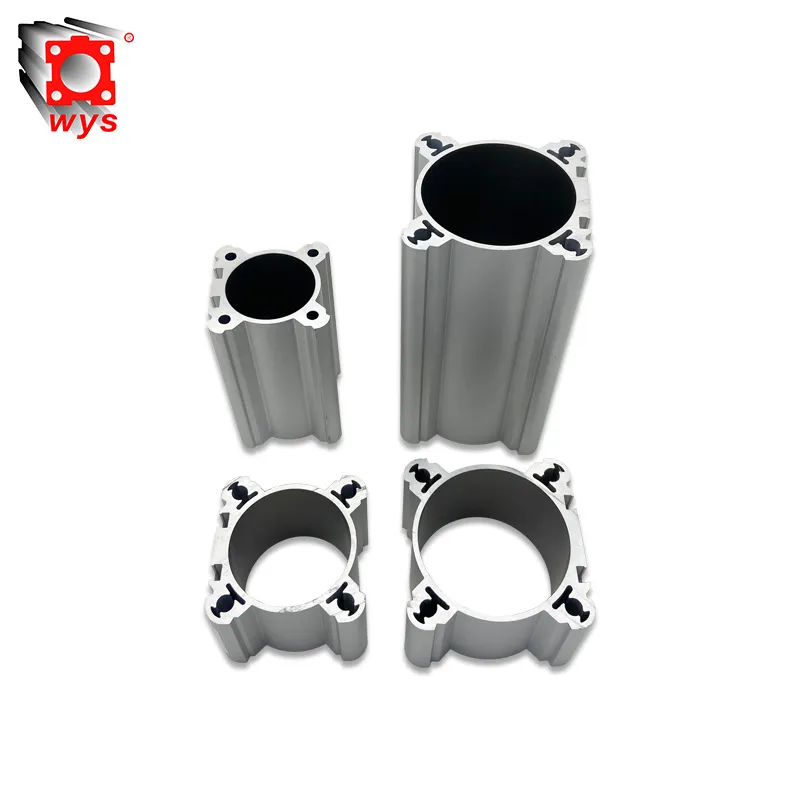
What does water ingress into a pneumatic cylinder tube mean?
From an engineering perspective, a pneumatic cylinder tube is a precision structural component designed for dry, clean compressed air. Once water enters, it leads to problems such as rusting, seal swelling, and internal damage, especially in core components like the cylinder itself. This damage is often continuous and irreversible.
Therefore, when using compressed air systems in environments with moisture or high humidity, the materials, seals, and overall structure of the pneumatic cylinder tube must be specifically adapted to withstand the additional moisture load and potential corrosion risks.
What are the main products offered by your company?
Foshan Weiyingjia Technology Co., Ltd. supplies a wide range of pneumatic components including cylinder barrels, cylinder kits, cylinder liners, and seal rings. As a leading manufacturer in the industry, we combine advanced production technology with stringent quality control.
Buyers seeking reliable and high-quality pneumatic solutions can rely on our factory for bulk orders, competitive prices, and consistent product performance, making our products ideal for both wholesale and specialized projects.