

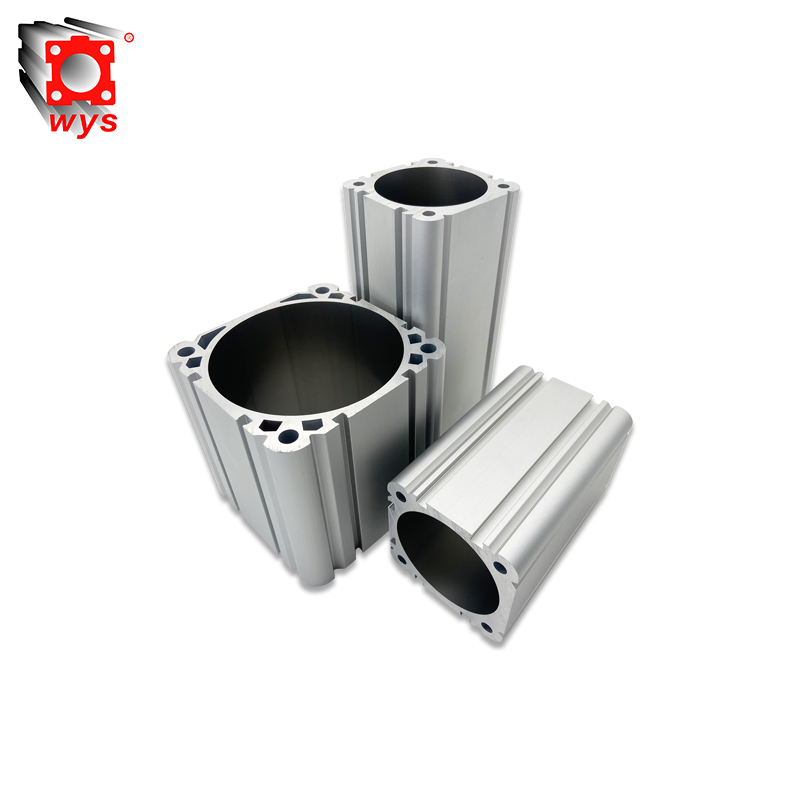
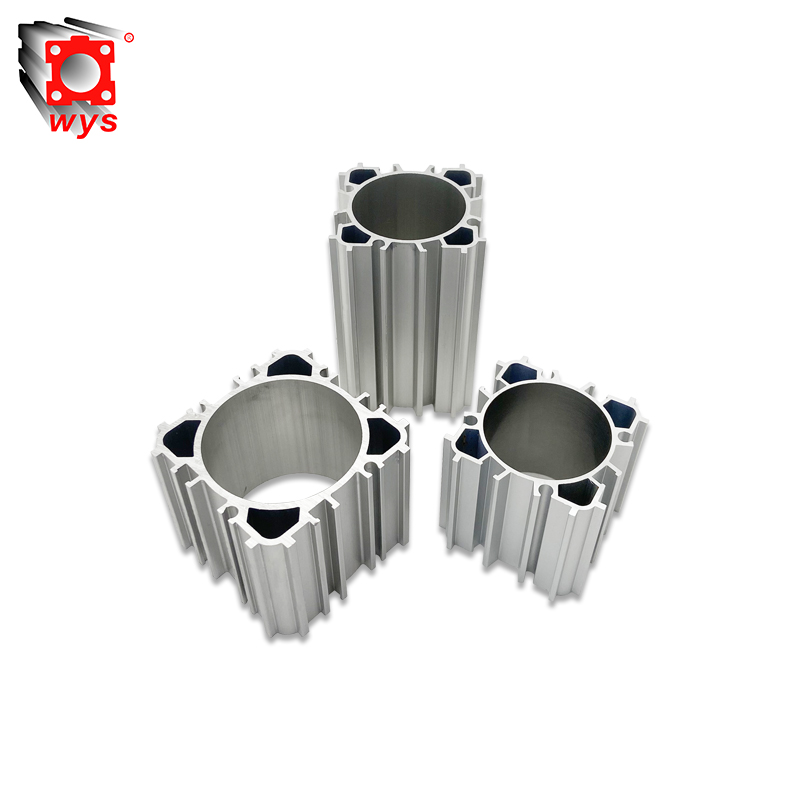
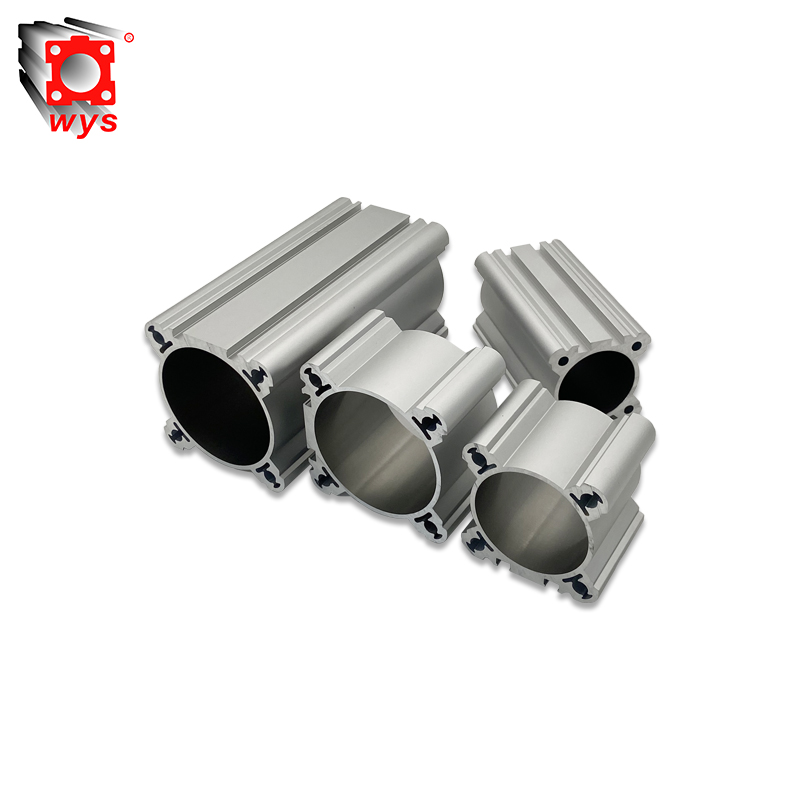
With the continuous advancement of industrial automation and intelligent manufacturing, pneumatic technology has become increasingly widespread in modern industry. Pneumatic systems are ubiquitous, found in everything from automated packaging equipment and electronics manufacturing lines to automotive assembly, food processing machinery, medical equipment, and new energy production. Within these systems, the pneumatic cylinder serves as a core actuating component, responsible for converting compressed air into mechanical motion. A closer look at the cylinder's structure reveals that the performance of what appears to be a simple device is actually determined by several key components; one of the most critical—yet often overlooked—parts is the pneumatic cylinder barrel.
Many people still view the pneumatic cylinder barrel merely as the cylinder's outer shell—a simple structural component designed to house internal parts. However, in actual industrial applications, this perspective is far too limited. The pneumatic cylinder tube is much more than just an external tube; it is a fundamental core component of the cylinder's motion system. It not only determines the cylinder's ability to withstand internal pressure but also directly influences piston movement precision, sealing performance, frictional wear, and the overall service life of the pneumatic system. There is a common saying in the industry: "To judge the quality of a pneumatic cylinder, look first at the quality of the barrel." This is no exaggeration; it is a reality confirmed by extensive engineering experience.
Statistics from the industrial automation market indicate that the global market for pneumatic components is projected to exceed $17 billion by 2025, with cylinders accounting for approximately 28% of that total. Furthermore, more than 60% of performance-related failures in cylinders can be traced back to the barrel—issues such as barrel wear, inner wall scratching, dimensional deviations, and surface treatment failure.
Therefore, understanding the primary function of the pneumatic cylinder barrel is crucial not only for equipment manufacturers but also for procurement specialists, maintenance engineers, and end-users.
So, what core roles does the pneumatic cylinder tube play? Why is it so critical to pneumatic systems? This article provides an in-depth analysis covering its structure, functions, applications, and future development trends.
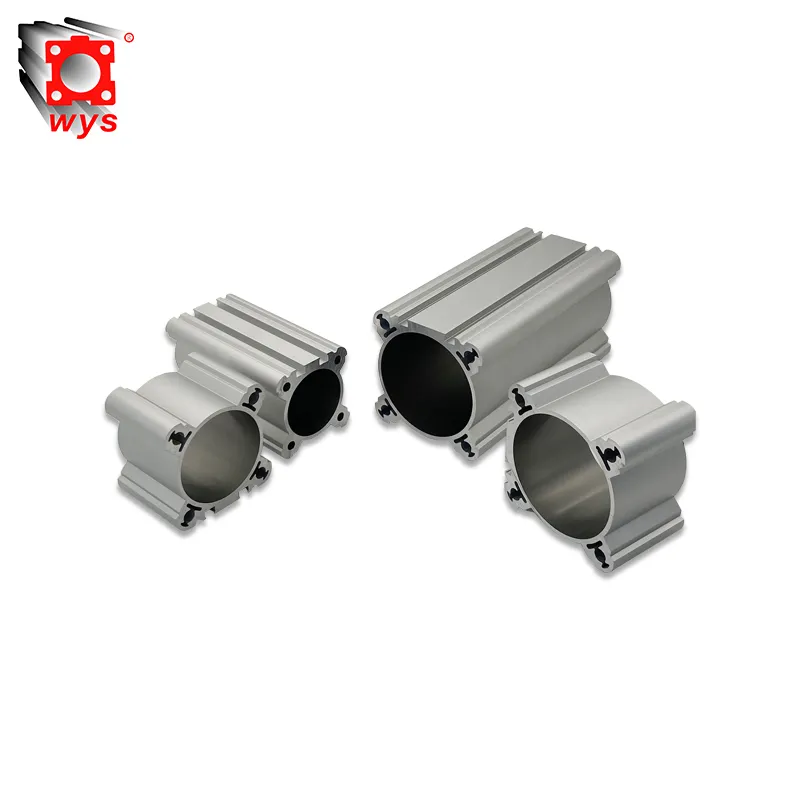
What is a pneumatic cylinder barrel?
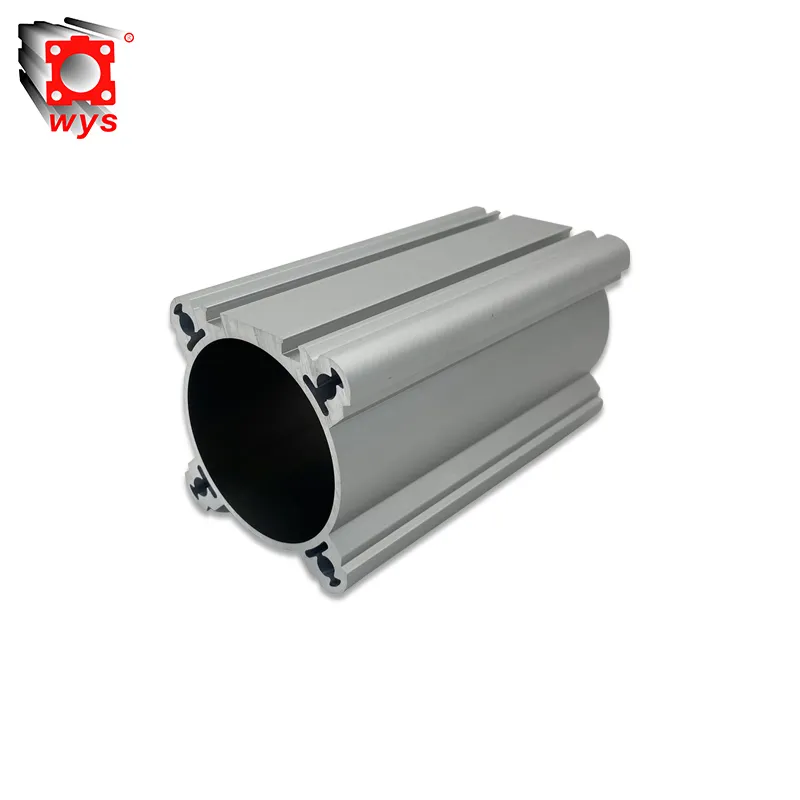
The pneumatic cylinder barrel is one of the core structural components of a pneumatic cylinder; it typically refers to the cylindrical, pressure-bearing tube that houses the moving piston. Simply put, the barrel forms the main framework of the cylinder: the piston reciprocates within it, while compressed air creates a pressure differential inside to drive the piston's movement.
If the entire cylinder is viewed as a power-generating machine, the barrel serves as both its skeleton and its working chamber. Without the barrel, it would be impossible to create the stable, sealed pressure space required for effective power conversion.
Currently, pneumatic cylinder barrels on the market are typically manufactured from aluminum alloy, stainless steel, or carbon steel. Aluminum alloy barrels are the most widely used, accounting for over 70% of the total market share. This is primarily because they combine light weight, corrosion resistance, and high machining precision—qualities that perfectly meet the lightweighting requirements of modern automation equipment. In specialized environments such as the food, pharmaceutical, and chemical industries, however, stainless steel barrels are more common due to their superior corrosion resistance.
Many people mistakenly believe that the pneumatic cylinder tube is merely a passive structural component; in reality, it performs several critical functions during the cylinder's operation. Let us now examine the primary roles of the pneumatic cylinder tube.
What are the primary functions of the pneumatic cylinder barrel?
The barrel does not serve a single purpose; rather, it simultaneously handles multiple tasks, including bearing pressure, providing guidance, supporting seals, and ensuring service life. It is the combination of these functions that determines the cylinder's overall performance.
1. Withstanding internal air pressure: the cylinder's core pressure-bearing structure
One of the most fundamental and important functions of the pneumatic cylinder tube is to withstand the internal pressure generated by compressed air. Since the cylinder operates by using compressed air to drive piston movement, the barrel must maintain a stable, sealed, and pressurized environment.
The operating pressure of pneumatic systems in industrial settings typically ranges from 0.4 MPa to 0.8 MPa, with some high-pressure applications reaching or exceeding 1.0 MPa. While these numerical values may not seem high at first glance, the actual load borne by the barrel becomes substantial when calculated based on the effective surface area. For example, a cylinder with a 100 mm bore can generate a theoretical thrust exceeding 4,700 Newtons at a pressure of 0.6 MPa. This means the cylinder barrel must withstand internal loads in the range of several thousand Newtons over the long term while also enduring high-frequency pressure fluctuations. If the barrel material lacks sufficient strength, the wall thickness is poorly designed, or manufacturing defects exist, the barrel may deform, bulge, or even crack.
Therefore, high-quality cylinder barrels typically undergo rigorous material selection, extrusion forming, and pressure testing to ensure stable, long-term pressure resistance.
2. Providing a high-precision guiding environment for the piston
The second core function of the cylinder barrel is to provide a high-precision environment for guiding the piston's movement. The piston must perform stable, high-speed reciprocating motion within the barrel, and the smoothness of this motion depends largely on the precision of the barrel's inner bore.
A high-quality cylinder barrel must meet specific requirements for its inner bore: tight dimensional tolerances, high roundness, excellent straightness, and low surface roughness. High-end barrels typically maintain an inner wall roughness (Ra) between 0.2 and 0.4 to minimize friction.
Insufficient bore precision leads to various issues. For instance, excessive inner diameter deviation can cause piston wobble; poor roundness can increase localized friction; and rough inner walls accelerate seal wear. All these factors compromise the smoothness of the cylinder's motion.
Data shows that cylinders using high-precision barrels can reduce motion resistance by an average of 15% to 25% compared to standard barrels. This results in smoother operation and lower system energy consumption.
3. Providing sealing support to prevent air leakage
The efficiency of a pneumatic system depends heavily on sealing performance, and the cylinder barrel plays a crucial supporting role in this sealing system.
The piston inside the cylinder is typically equipped with seals that maintain tight contact with the barrel's inner wall to prevent compressed air leakage. If the inner wall has scratches, dents, or dimensional deviations, the seals cannot maintain uniform contact, ultimately leading to air leakage. Air leakage is a common issue in pneumatic systems. Industry surveys indicate that, on average, 20% to 30% of energy loss in factory compressed air systems is attributable to leaks. At the cylinder level, damage to the inner wall of the pneumatic cylinder barrel is a major cause of seal failure.
This is why high-quality pneumatic cylinder tubes must undergo precision honing and surface hardening treatments; only a high-quality surface can provide a stable operating environment for the seals.
How does the pneumatic cylinder barrel affect the cylinder's service life?
Many people underestimate the impact of the pneumatic cylinder barrel on service life. In reality, the quality of the barrel often determines how long a cylinder will last.
1. Reducing friction loss
High-quality pneumatic cylinder barrels can significantly reduce friction between the piston and the seals. Lower friction results in slower wear and a longer lifespan for components.
Studies show that aluminum alloy barrels treated with hard anodizing typically exhibit wear resistance two to four times greater than those with standard surface treatments.
2. Reducing failure rates
Many common cylinder failures are linked to the pneumatic cylinder tube, including:
•Piston sticking
•Seal wear
•Air leakage
•Reduced thrust
•Abnormal noise and vibration
Statistics indicate that over 60% of cylinder performance degradation issues are directly related to the condition of the pneumatic cylinder tube.
3. Improving operational stability
Automated equipment demands increasingly high levels of repeatability. High-quality pneumatic cylinder tubes ensure consistent movement with every cycle, thereby enhancing the overall stability of the equipment.
For instance, in the electronics assembly industry, some equipment requires repeat positioning accuracy within the ±0.05 mm range, placing extremely high demands on the machining precision of the pneumatic cylinder barrel.
What are the differences between pneumatic cylinder barrels made of different materials?
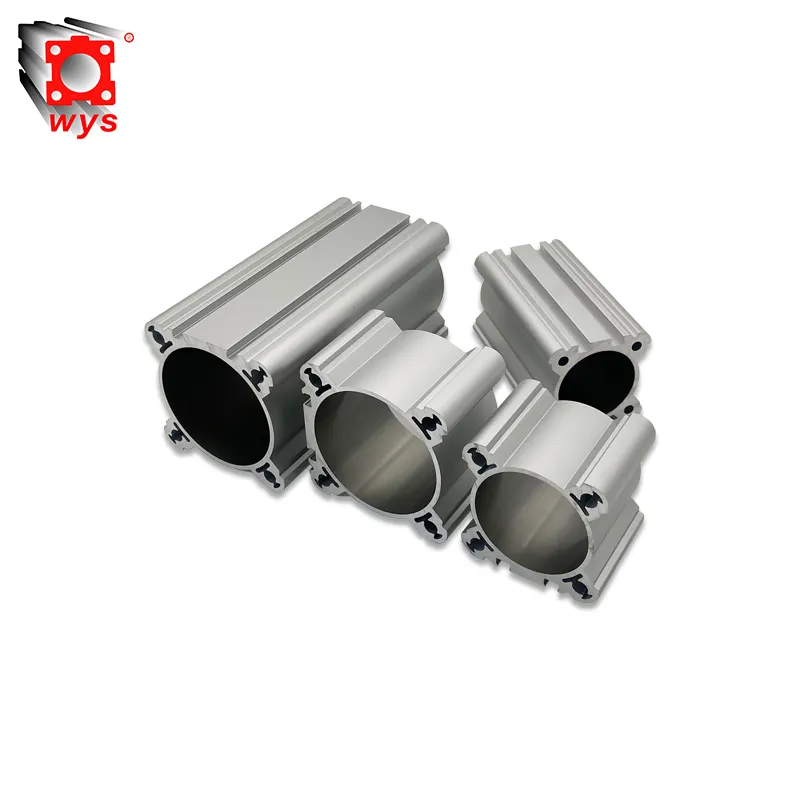
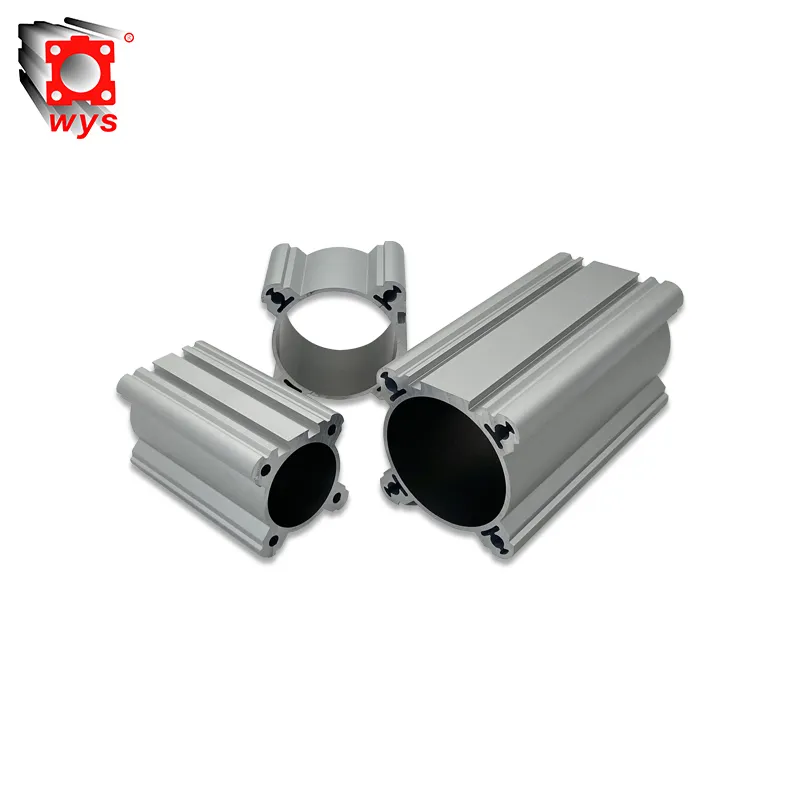
Pneumatic cylinder barrels on the market are primarily made from aluminum alloy, stainless steel, or carbon steel; different materials are suited to different applications.
1. Aluminum alloy pneumatic cylinder barrels
Aluminum alloy barrels are the most widely used type. They offer advantages such as light weight, corrosion resistance, and ease of machining, making them particularly suitable for high-speed automated equipment.
2. Stainless steel pneumatic cylinder barrel
Stainless steel pneumatic cylinder tubes are better suited for humid or highly corrosive environments, such as those found in the food and pharmaceutical industries.
3. Carbon steel pneumatic cylinder barrel
Carbon steel pneumatic cylinder barrels offer high strength and are suitable for heavy-duty equipment, though their corrosion resistance is relatively lower.
FAQ
1. Is the pneumatic cylinder barrel the same as the pneumatic cylinder itself?
No. The pneumatic cylinder barrel is a core internal component of the cylinder assembly but cannot function independently.
2. Why is the precision of the inner wall of the pneumatic cylinder tube so important?
Because it directly affects piston movement, frictional wear, and sealing performance.
3. What are the common issues with pneumatic cylinder tubes?
Common problems include wear, scratching, corrosion, deformation, and air leakage.
4. Which material is best for a pneumatic cylinder tube?
There is no single "best" material; the right choice depends on the specific application.
5. How can the service life of a pneumatic cylinder tube be extended?
Maintain clean air, ensure regular lubrication, avoid off-center loading, and choose high-quality products.
We Are Sincerely Seeking Agents. Welcome To Inquire.