

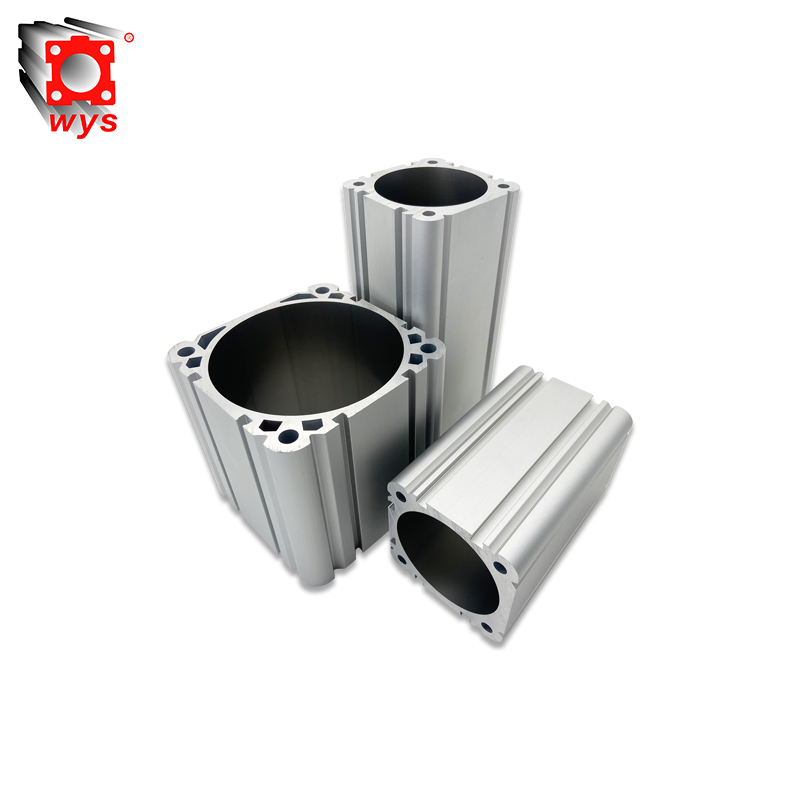
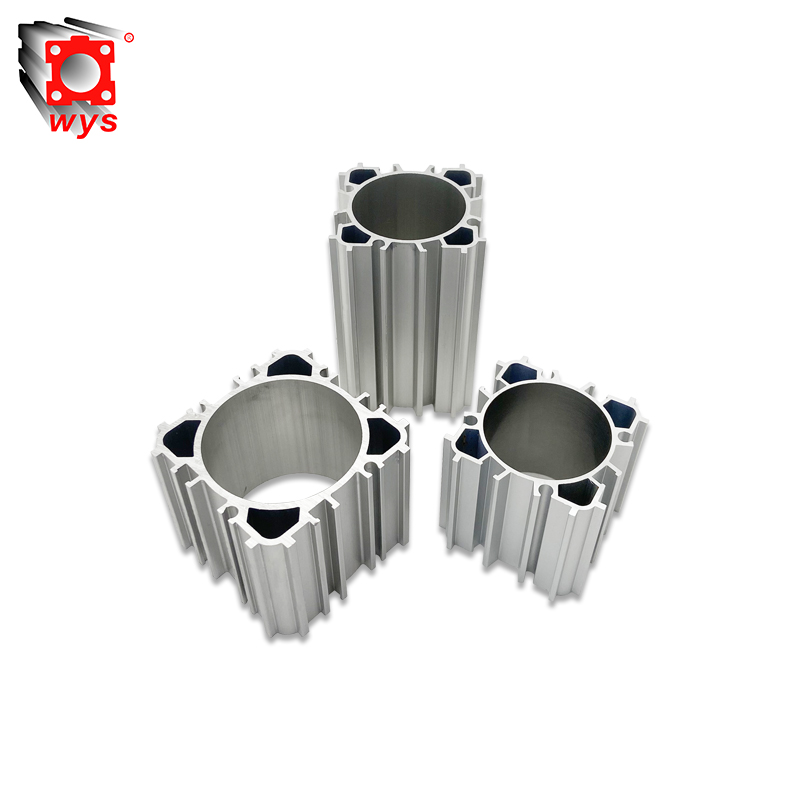
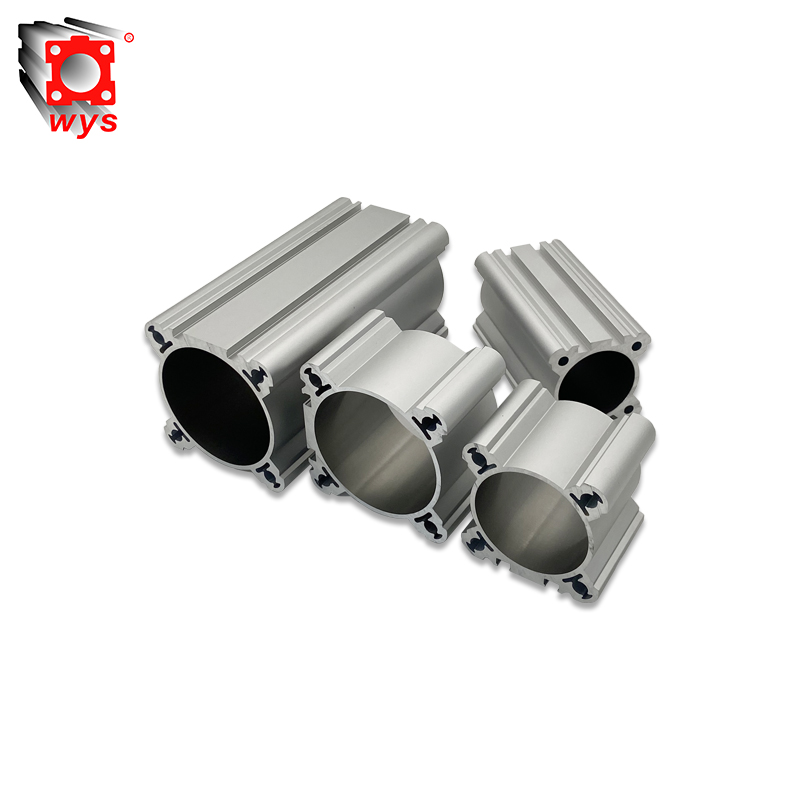
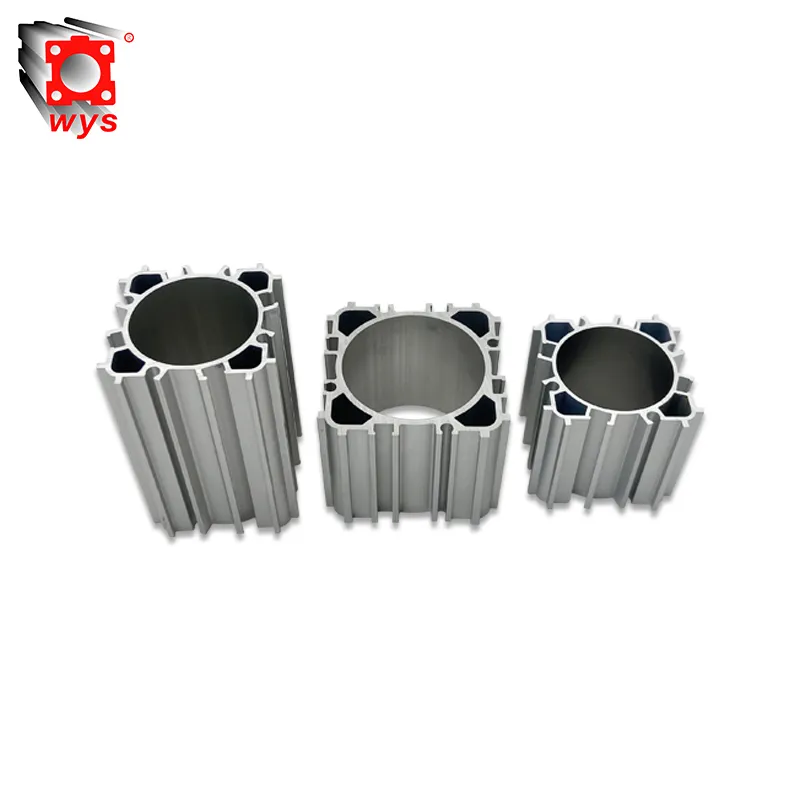
With the rapid development of industrial automation, pneumatic systems have become a vital power foundation for modern manufacturing. From packaging machinery, electronic assembly equipment, and automotive welding lines to food processing, medical equipment, and new energy manufacturing, pneumatic components handle a vast number of high-frequency, highly repetitive actuation tasks. Among all pneumatic actuators, the pneumatic cylinder is undoubtedly one of the most critical components. A complete cylinder typically consists of several key parts—such as the pneumatic cylinder barrel, piston, pneumatic piston rod, seals, and end caps—yet the importance of the pneumatic piston rod is often underestimated.
When maintaining cylinders, many companies focus on whether the seals have aged or the inner wall of the cylinder barrel is worn, often overlooking the condition of the pneumatic piston rod. In reality, the pneumatic piston rod acts as the bridge transferring motion from inside the cylinder to external mechanical structures; its operating condition directly determines the precision, stability, and service life of the equipment's movements. Once the rod suffers from bending, wear, scratches, corrosion, or fatigue cracks, it not only impairs the cylinder's operating efficiency but can also cause further damage to the pneumatic cylinder barrel, seals, and even the entire automation system.
Industrial maintenance statistics indicate that approximately 20% to 35% of cylinder failures are directly linked to damage in the pneumatic piston rod—a figure that is even higher in equipment involving high-frequency reciprocating motion. Thus, promptly identifying damage to the pneumatic piston rod is crucial not only for the lifespan of the individual cylinder but also for the stable operation of the entire production line.
So, what are the warning signs of damage? How can you accurately determine if there is a problem? And how should you handle it if damage is detected? This article provides a comprehensive analysis covering structural principles, failure symptoms, inspection methods, and preventive measures.
What is a pneumatic cylinder piston rod, and why is it so important?
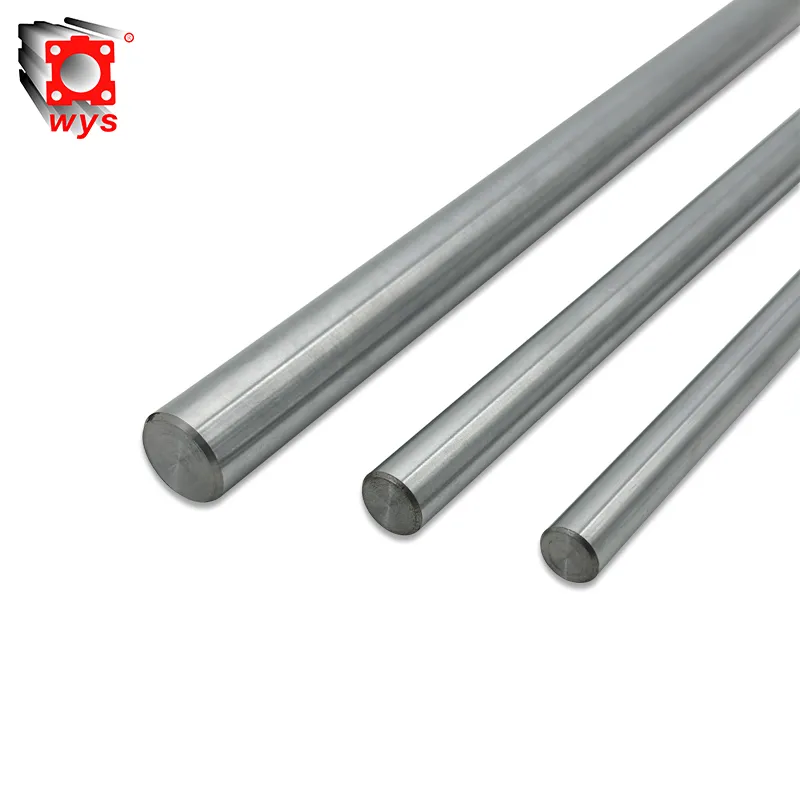
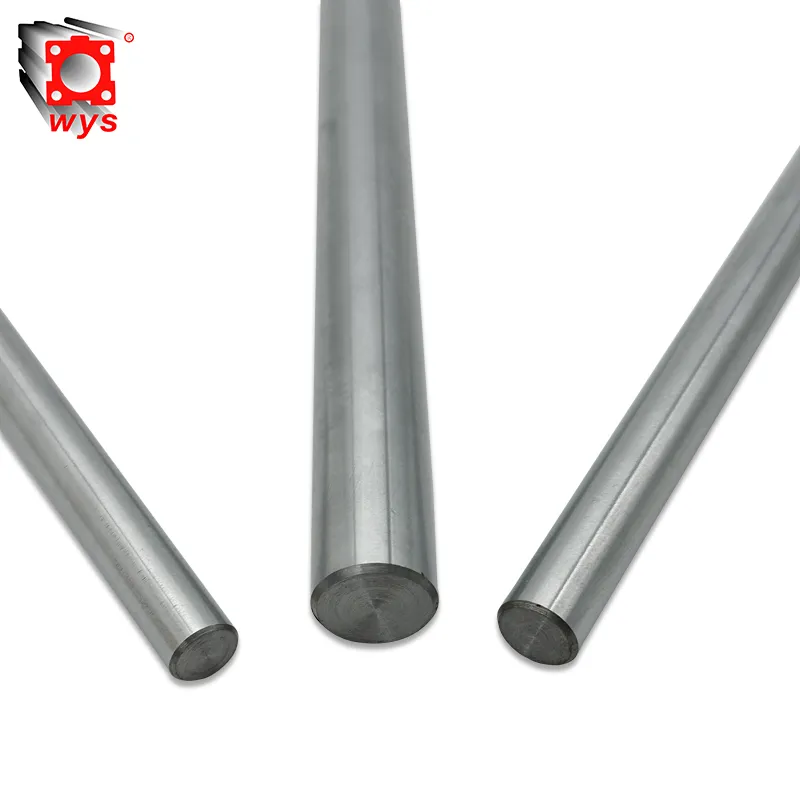
The pneumatic cylinder piston rod is a core transmission component within the cylinder. Typically connected to the piston and extending through the front end cap, it transfers the mechanical motion generated by compressed air inside the cylinder to external mechanisms. Simply put, the function of a pneumatic piston rod is to "transmit" the motion occurring inside the cylinder barrel outward, thereby driving fixtures, slide tables, robotic arms, or other actuators to perform their tasks.
If one compares a pneumatic cylinder to the human body, the cylinder barrel corresponds to the torso, the piston to the muscles, and the piston rod to the arm—responsible for converting internal force into external action. This analogy effectively illustrates the importance of the piston rod. Even if the cylinder barrel’s inner wall has high precision and excellent sealing performance, the entire cylinder will fail to function correctly if the piston rod develops a problem.
In modern industry, pneumatic cylinder piston rods are typically manufactured from medium-carbon steel, stainless steel, or alloy steel. Their surfaces undergo processes such as chrome plating, quenching, or other hardening treatments to enhance wear and corrosion resistance. High-quality piston rods often achieve a surface hardness exceeding HV800 and a surface roughness below Ra 0.2, ensuring reduced friction and extended service life when in contact with seals.
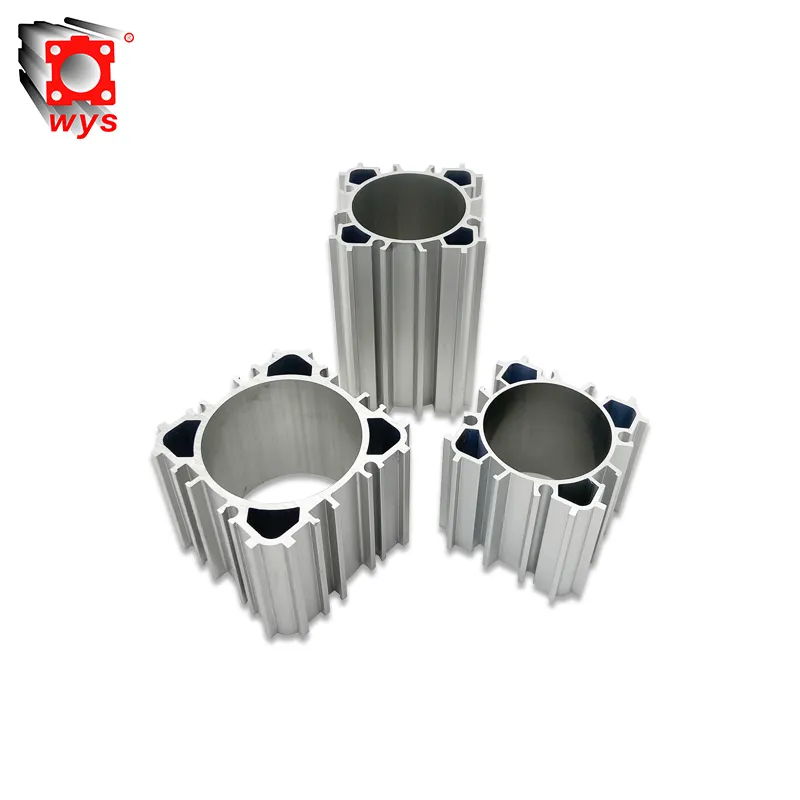
However, even with these measures, piston rods can still sustain damage due to long-term high-frequency operation, off-center loading impacts, or harsh environments. It is also important to note that piston rod damage rarely occurs in isolation; it often has a knock-on effect on the pneumatic cylinder barrel. For instance, if the piston rod bends, it causes the piston to rub unevenly against the inner wall of the barrel, leading to further wear of the barrel and seal failure.
Why do pneumatic piston rods get damaged?
Damage to pneumatic piston rods is usually the result of accumulated stress over time rather than a sudden, total failure. Understanding the causes of damage helps in accurately diagnosing the source of the malfunction.
1. Mechanical overload is the most common cause
In industrial settings, pneumatic cylinders are frequently required to push workpieces, clamp parts, or perform press-fitting operations. If the external load exceeds the cylinder's design specifications, the piston rod is subjected to excessively high axial forces and bending moments.
For example, a piston rod with a 20mm diameter might be designed to handle thrust loads ranging from hundreds to thousands of newtons; however, if it is subjected to repeated overload impacts over a long period, it is prone to plastic deformation. Data shows that approximately 40% of pneumatic piston rod failure cases are linked to mechanical overloading.
In particular, without the support of a guiding mechanism, any lateral loads act directly on the pneumatic piston rod, significantly increasing the risk of bending.
2. Off-center loading causes uneven wear
Off-center loading is a "silent killer" in pneumatic systems. It occurs when the center of the external load does not align with the centerline of the pneumatic cylinder piston rod, resulting in persistent lateral force.
Under these conditions, the piston rod tends to lean toward one side of the cylinder barrel during operation. While there may appear to be no issues in the short term, prolonged operation leads to uneven wear on the piston rod surface and causes the piston itself to wear unevenly against the cylinder barrel. Ultimately, this damages both the piston rod and the cylinder barrel.
Industry experience indicates that over 30% of abnormal cylinder barrel wear actually stems from off-center loading of the piston rod.
3. Corrosion and contaminant damage
In environments characterized by high humidity, salt spray, or chemical corrosives, the surface of the pneumatic piston rod is prone to oxidation, rusting, or pitting. Corrosion accelerates significantly if the chrome plating is damaged, exposing the base material to the air.
Additionally, dust, metal shavings, or hard particles adhering to the piston rod surface can continuously scratch the seals during operation, indirectly damaging the inner wall of the cylinder barrel.
4. Poor lubrication accelerates wear
Insufficient lubrication increases the coefficient of friction between the pneumatic piston rod and the seals. Increased friction not only accelerates seal wear but also makes the piston rod surface more susceptible to fine scoring or scratching.
Prolonged poor lubrication can even generate localized high temperatures, causing the plating to fail.
How to determine if a pneumatic piston rod is damaged?
Determining whether a pneumatic piston rod is damaged requires more than just visual inspection; it involves a comprehensive assessment based on operating conditions, visual checks, and dimensional measurements.
1. Observe equipment operating conditions
The most direct method is to observe whether the cylinder is operating abnormally. Once the pneumatic piston rod is damaged, the equipment typically exhibits issues such as sluggish movement, vibration, or inaccurate positioning. For instance, if a normally functioning unit—which typically completes an extension-retraction cycle in 0.2 seconds—suddenly takes 0.35 seconds or longer, it is worth investigating the condition of the pneumatic piston rod. A bent or worn piston rod increases motion resistance and alters the movement path of the piston inside the pneumatic cylinder barrel.
If the equipment exhibits intermittent sticking or hesitation, one should be particularly alert to the possibility of piston rod deformation.
2. Inspect for surface scratches or dents
Visually inspecting the pneumatic cylinder piston rod is a fundamental step. Under normal conditions, the rod's surface should be smooth, even, and possess a uniform metallic luster.
The following issues may indicate damage:
•Visible surface scratches
•Dents or indentations
•Flaking or peeling of the plating
•Rust spots
•Localized discoloration or blackening
While these surface defects may appear minor, they can rapidly accelerate seal wear and increase the risk of contaminants entering the pneumatic cylinder barrel.
3. Check for bending
Bending is one of the most serious issues affecting pneumatic piston rods. Even a slight bend can compromise motion accuracy.
Common inspection methods include rolling tests or measurements using a dial indicator. In industrial maintenance, V-blocks are typically used to support the piston rod while a dial indicator measures the runout. If the runout exceeds the allowable tolerance, it indicates the rod is bent.
Generally, for small to medium-sized pneumatic cylinder piston rods, a straightness error exceeding 0.05 mm to 0.10 mm can impair normal operation.
4. Check for air leaks
Many people are unaware that air leakage can also be a sign of piston rod damage. Bending or surface damage to the rod can cause the front-end seal to fail.
Data shows that approximately 25% of front-end leakage issues can ultimately be traced back to piston rod irregularities, rather than simply seal aging.
5. Inspect the interior of the cylinder barrel
If external inspections prove inconclusive, it is advisable to disassemble the cylinder and inspect the condition of the interior barrel. If you observe uneven wear on one side, abnormal scratches, or localized scoring on the inner wall of the pneumatic cylinder barrel, it usually indicates issues such as off-center loading, bending, or coaxiality problems with the piston rod. A properly functioning piston rod does not cause the piston to wear unevenly against the barrel wall over time.
In other words, the wear pattern on the pneumatic cylinder barrel can serve as an indicator of whether the piston rod is damaged.
What are the consequences of a damaged pneumatic piston rod?
The impact of a damaged piston rod is far more severe than many realize.
First, precision declines. For automated assembly equipment, an error of even 0.1 mm can affect product yield, and a damaged piston rod directly compromises positioning accuracy.
Second, the service life of the pneumatic cylinder barrel is shortened. Abnormalities in the piston rod cause the piston to wear unevenly against the barrel, accelerating wear on the inner wall. A barrel that might otherwise last five years could require replacement in just two or three years.
Third, energy consumption increases. Air leaks and increased friction lead to higher compressed air usage. Studies show that a single leaking cylinder can increase annual electricity costs by hundreds to thousands of yuan.
The most serious consequence is equipment downtime. The losses incurred from an automated production line stoppage usually far exceed the cost of replacing a piston rod.
What should be done if the piston rod is damaged?
Once damage is detected, the course of action should be determined based on the severity of the damage.
1. Minor damage can be repaired
If there are only slight scratches or minor corrosion, the surface condition can be restored through polishing or localized re-plating.
However, repairs must maintain dimensional tolerances; otherwise, sealing performance may be compromised.
2. Moderate damage requires a cost-benefit assessment
If the piston rod shows significant wear but is not severely bent, the cost of repair versus replacement should be evaluated.
For large, custom-made cylinders, repair is often the more economical choice.
3. Severe damage warrants immediate replacement
Direct replacement is usually recommended in the following cases:
•Significant bending
•Deep scratches
•Cracks
•Severe corrosion
•Extensive peeling of the plating
Continuing to use a rod with such damage carries extremely high risks.
How can damage to pneumatic piston rods be prevented?
Prevention is always better than repair. Enterprises can reduce risk by addressing the following areas:
1. Avoid overloading and off-center loading
Design load paths properly and add guiding mechanisms where necessary to minimize lateral forces acting on the pneumatic cylinder piston rod.
2. Regularly inspect the pneumatic cylinder barrel and seals
Abnormal wear on the pneumatic cylinder barrel often indicates potential issues with the piston rod. Conducting coordinated inspections of both components yields the best results.
3. Maintain cleanliness and lubrication
Ensuring a clean air supply and proper lubrication significantly slows the rate of wear. Data shows that adhering to maintenance standards can extend the service life of pneumatic piston rods by over 30%.
FAQ
1. Can a pneumatic cylinder piston rod still be used if it has scratches?
Rods with minor scratches can be repaired and reused, but replacement is usually recommended for deep scratches.
2. Can a bent pneumatic piston rod be repaired?
Slight bends can be straightened, but for precision equipment, replacement is generally recommended.
3. Does damage to the pneumatic piston rod affect the pneumatic cylinder barrel?
Yes. A damaged piston rod can easily cause the piston to wear unevenly against the pneumatic cylinder barrel.
4. How often should pneumatic piston rods be replaced?
It depends on operating conditions; the typical service life ranges from 3 to over 8 years.
5. How can the service life of a pneumatic cylinder piston rod be extended?
Avoid overloading, maintain proper lubrication, minimize contamination, and regularly inspect the condition of the pneumatic cylinder barrel.
We Are Sincerely Seeking Agents. Welcome To Inquire.